 CULTURETECHLENS
Loving v. Virginia decided (1967)
VERIFIED evidence grade of this record
On June 12, 1967, the United States Supreme Court decided Loving v. Virginia, 388 U.S. 1, unanimously striking down Virginia's Racial Integrity Act and, with it, every remaining state law banning interracial marriage. Richard Loving, who was white, and Mildred Jeter Loving, who was Black and Native American, had married in Washington, D.C., in 1958 and returned home to Caroline County, Virginia, where they were indicted, pleaded guilty in January 1959 to violating the state's ban, and were sentenced to a year in prison — suspended for twenty-five years on condition they leave Virginia. They lived in exile in Washington and, with ACLU lawyers, carried the case from a Virginia courtroom to the Supreme Court, which held that marriage is a fundamental freedom and that racial restrictions on it serve no purpose other than invidious discrimination. Sixteen states still banned interracial marriage when the case was decided. This record carries the audit's correction on its face: the intake paste dated the ruling 1958 — the year of the marriage and the indictment — and the correct year, 1967, is what the graph now holds.
The record
- Also known as: Loving v. Virginia, Loving Decision
Notes
Statistics: Decided June 12, 1967, 9–0 (Wikipedia; History.com; National Constitution Center). CORRECTION (GOV-004): the intake paste's stop #20 reads 'Loving v. Virginia Ruling, 1958' — a SOURCE ERROR identified in the intake audit. 1958 is the year of the Lovings' marriage and indictment; the ruling is 1967. The correction is recorded here and in the audit, not silently substituted. · Curator's Judgment: DRAFT — for founder review: A couple asked to live at home, and the Supreme Court had to be convened to answer. The record is also a governance artifact: it is the timeline's corrected stop, dated right on its face, with the error preserved in the note where an auditor can find it. That is how a citation graph handles being wrong — out loud. · Photo slot: HELD — the Lovings' well-known photographs are copyrighted magazine photography (Grey Villet / Life), not pulled per PHOTO-001; slot stays HELD until a cleared image is obtained (commons upload, public-domain government portrait, or CTL original), per CTL-PHOTO-001.
Sources
- Wikipedia, 'Loving v. Virginia' (case record) — supports: the June 12, 1967 decision, citation 388 U.S. 1, and the unanimous holding
- History.com, 'Loving v. Virginia' — supports: the 1958 D.C. marriage, the Virginia indictment and 1959 guilty plea, and the exile condition
- National Constitution Center / Congress.gov case references — supports: the decision's invalidation of the remaining state bans (16 states) and its fundamental-freedom reasoning (primary source)
Record CTL-E-5419 · CultureTechLens Knowledge Graph · evidence grade: VERIFIED · 3 sources (1 primary) · CTL research: BCI-001, RELP-001.
Directory: all entity records · the knowledge graph
Cite this record
Chicago: CultureTechLens. “Loving v. Virginia decided (1967) (CTL-E-5419).” CultureTechLens Knowledge Graph. Chicago, IL: CultureTechLens, 2026. https://culturetechlens.com/graph/entities/ctl-e-5419/
APA: CultureTechLens. (2026). Loving v. Virginia decided (1967) (CTL-E-5419) [Entity record]. CultureTechLens Knowledge Graph. https://culturetechlens.com/graph/entities/ctl-e-5419/
MLA: CultureTechLens. “Loving v. Virginia decided (1967) (CTL-E-5419).” CultureTechLens Knowledge Graph, 2026, https://culturetechlens.com/graph/entities/ctl-e-5419/
Citation guidance for teachers, journalists, and funders: How to Cite Us.
From the Archive
The archive in pictures
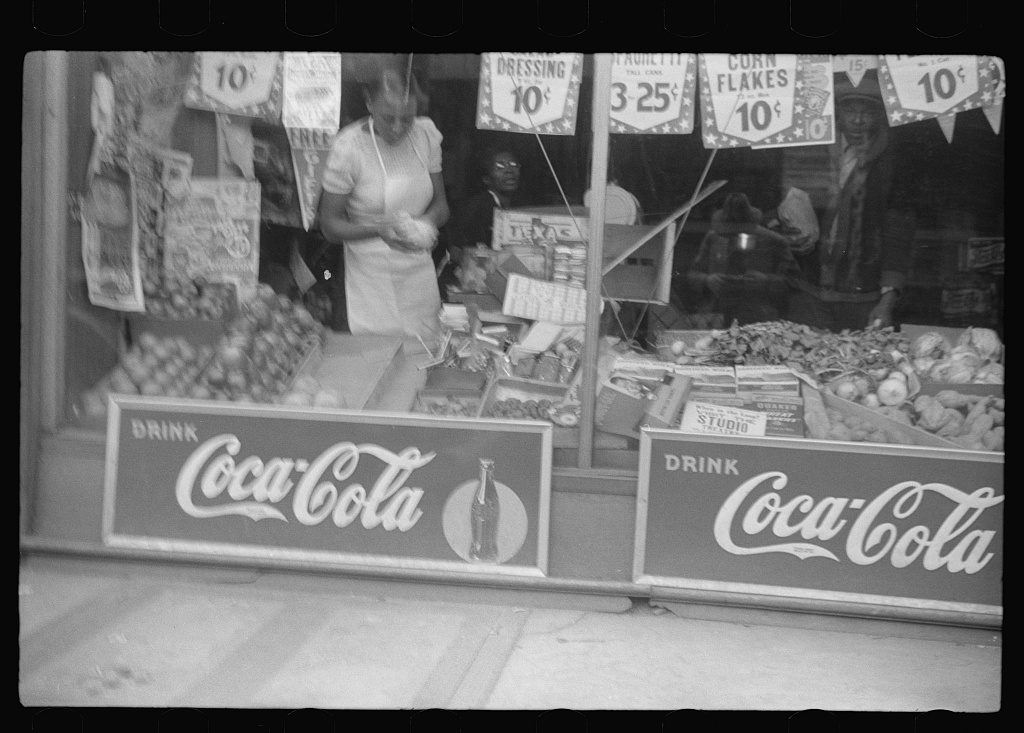
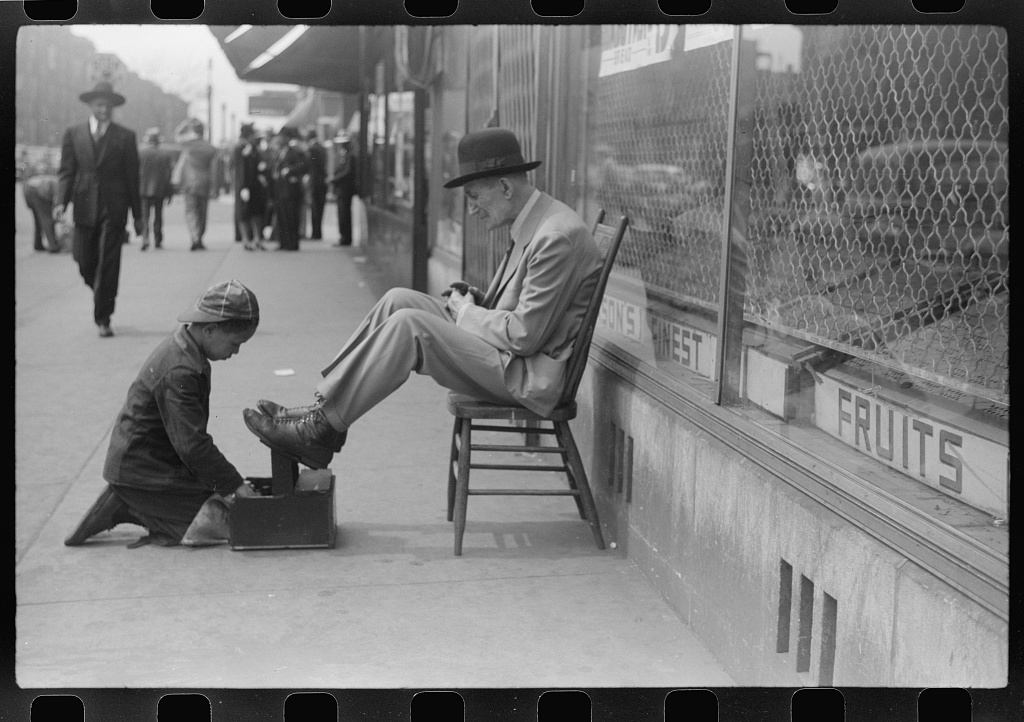
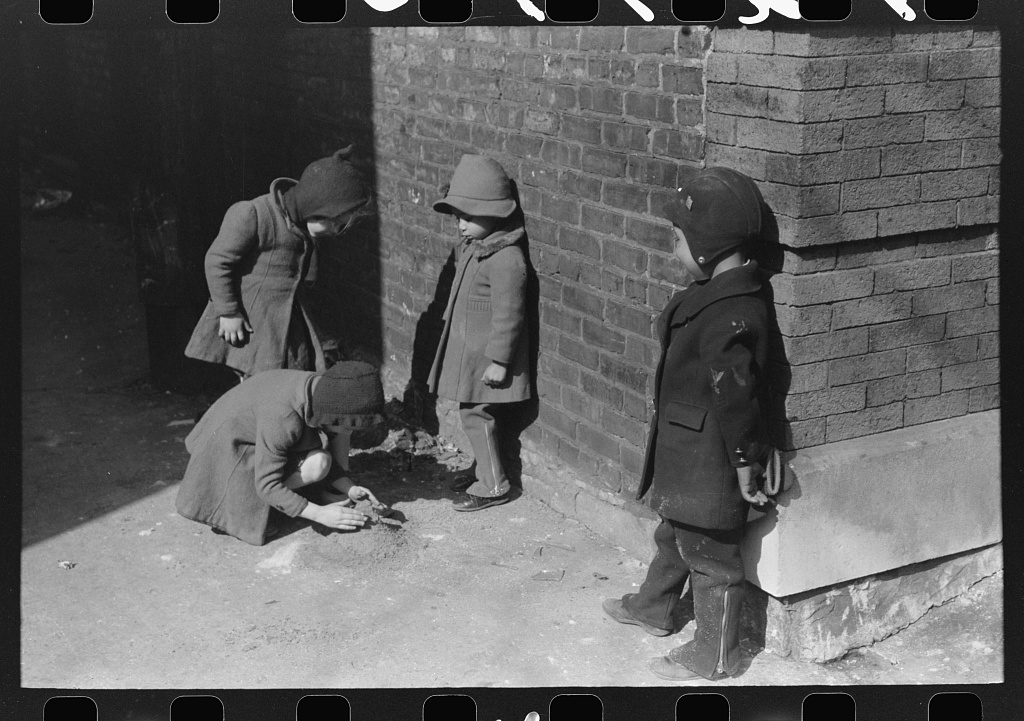
The people, places, and institutions this work documents. Photographs from the CultureTechLens research record — rights-cleared, credited, and cited like everything else here.
Trust & evidence
Evidence before authority. CultureTechLens publishes its methods, its limits, and its corrections alongside its findings. Claims carry grades — VERIFIED, SUPPORTED, PROVISIONAL, DISPUTED, UNRESOLVED — and unknowns are never reported as zero.
Every claim graded. Every source named. Every correction public — see the corrections log.