 CULTURETECHLENS
Greensboro Sit-Ins (1960)
VERIFIED evidence grade of this record
On February 1, 1960, four freshmen from North Carolina Agricultural and Technical College — Ezell Blair Jr., David Richmond, Franklin McCain, and Joseph McNeil — sat down at the segregated lunch counter of the Woolworth's store in Greensboro, North Carolina, asked for coffee, were refused, and stayed until closing. They returned in growing numbers, and within days the sit-in tactic had spread to dozens of Southern cities, carried largely by Black college students who dressed for church, carried their books, and absorbed abuse without returning it. The Greensboro Woolworth's desegregated its counter that July, and the movement the sit-ins ignited produced, in April 1960, a new organization — the Student Nonviolent Coordinating Committee (CTL-E-5421) — founded at Shaw University to coordinate the student wave. The sit-ins mark the moment the freedom movement's center of gravity shifted to the young: students who had not organized Montgomery decided, in a single afternoon, to stop waiting for permission. The intake timeline files this as one stop, 'Sit-In Movement and Founding of SNCC'; the graph holds the event here and the organization beside it.
The record
- Also known as: Sit-In Movement, Greensboro Sit-Ins of 1960
Notes
Statistics: Began February 1, 1960 (NMAAHC; Britannica). The intake paste's stop #21 (1960) is VERIFIED, including its pairing with SNCC's April 1960 founding. The Woolworth's counter section is preserved at the Smithsonian — among the most visited artifacts of the movement. · Curator's Judgment: DRAFT — for founder review: Four students, one counter, no permission slip. The record pairs Greensboro with SNCC's founding because that is the actual inheritance: the sit-ins did not just desegregate lunch counters, they manufactured an organization. Filed together, the two records say what the timeline's single line could not. · Photo slot: HELD — no rights-cleared image was verified for this record in the merge run's bounded Commons sweep (2026-10-15); slot stays HELD until a cleared image is obtained (commons upload, public-domain government portrait, or CTL original), per CTL-PHOTO-001.
Sources
- National Museum of African American History and Culture, Smithsonian Institution, 'Greensboro Sit-Ins' — supports: the February 1, 1960 action, the four A&T freshmen, the tactic's spread, and the July 1960 desegregation of the Greensboro counter
- Encyclopaedia Britannica, 'Greensboro Sit-In' — supports: the sit-ins' dates, participants, and catalytic role in the student movement
- International Civil Rights Center & Museum (Greensboro) references — supports: the Woolworth's site details and the sit-ins' commemoration
Record CTL-E-5420 · CultureTechLens Knowledge Graph · evidence grade: VERIFIED · 3 sources · CTL research: BCI-001, RELP-001.
Directory: all entity records · the knowledge graph
Cite this record
Chicago: CultureTechLens. “Greensboro Sit-Ins (1960) (CTL-E-5420).” CultureTechLens Knowledge Graph. Chicago, IL: CultureTechLens, 2026. https://culturetechlens.com/graph/entities/ctl-e-5420/
APA: CultureTechLens. (2026). Greensboro Sit-Ins (1960) (CTL-E-5420) [Entity record]. CultureTechLens Knowledge Graph. https://culturetechlens.com/graph/entities/ctl-e-5420/
MLA: CultureTechLens. “Greensboro Sit-Ins (1960) (CTL-E-5420).” CultureTechLens Knowledge Graph, 2026, https://culturetechlens.com/graph/entities/ctl-e-5420/
Citation guidance for teachers, journalists, and funders: How to Cite Us.
From the Archive
The archive in pictures
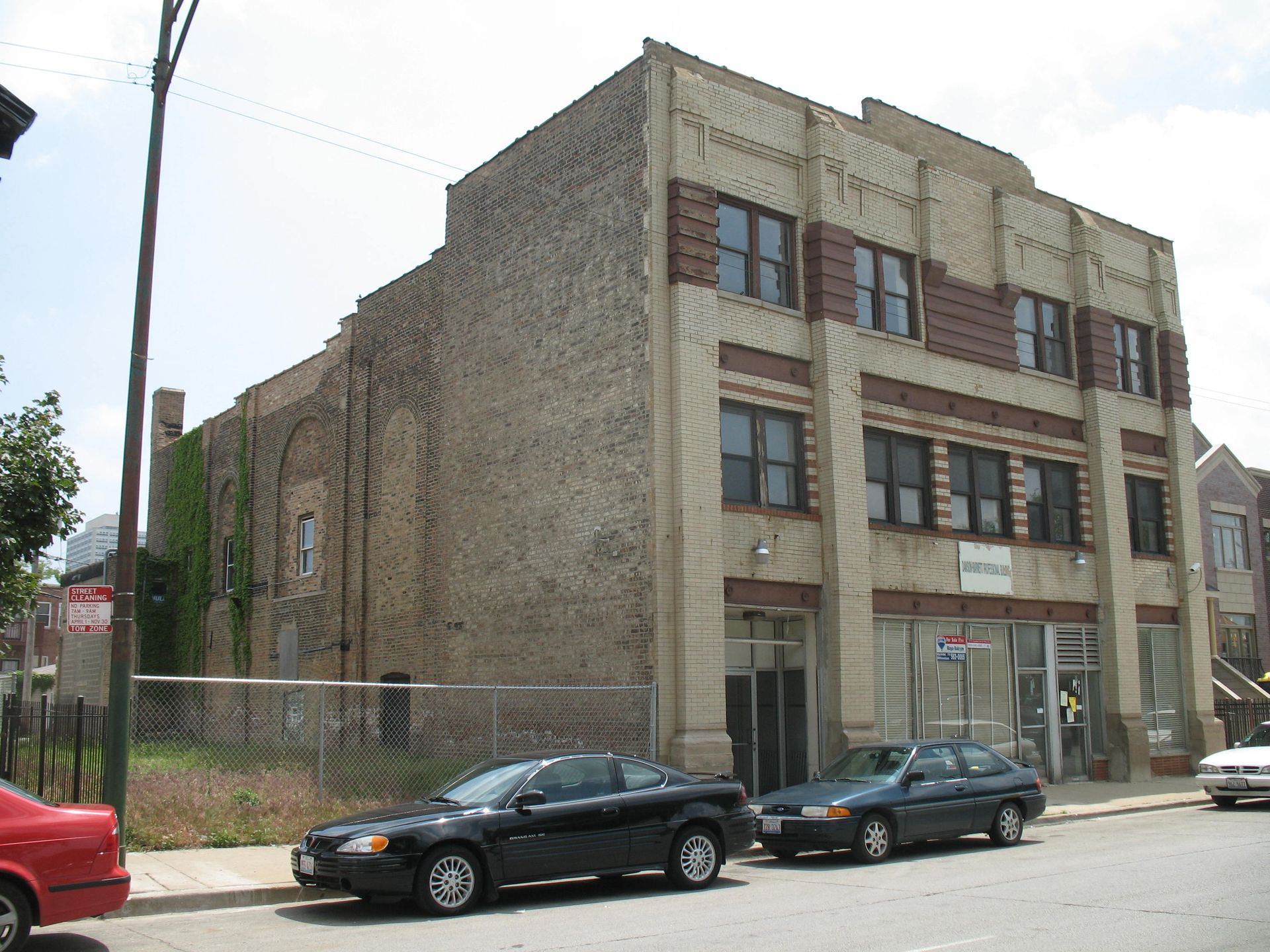
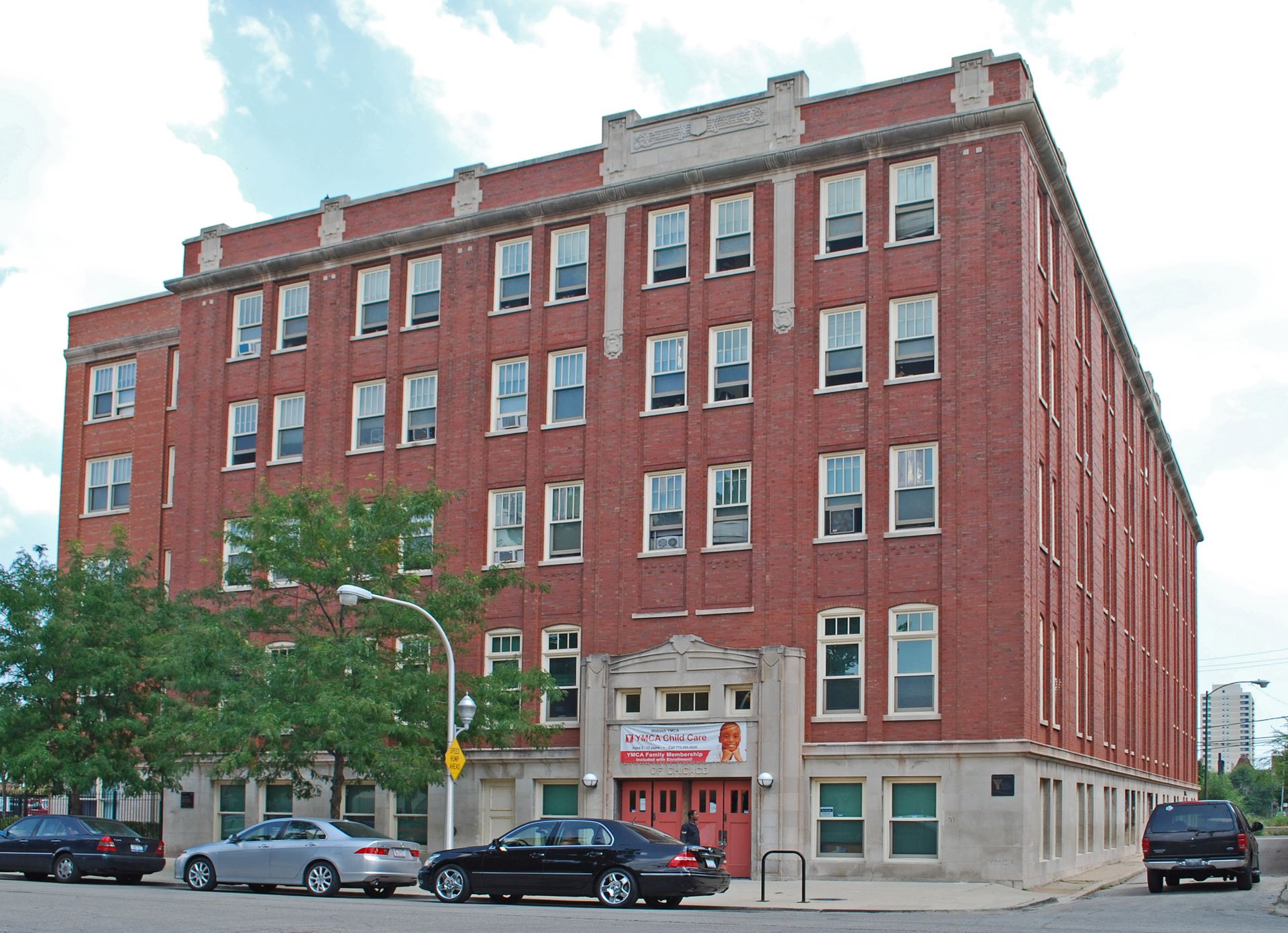
The people, places, and institutions this work documents. Photographs from the CultureTechLens research record — rights-cleared, credited, and cited like everything else here.
Trust & evidence
Evidence before authority. CultureTechLens publishes its methods, its limits, and its corrections alongside its findings. Claims carry grades — VERIFIED, SUPPORTED, PROVISIONAL, DISPUTED, UNRESOLVED — and unknowns are never reported as zero.
Every claim graded. Every source named. Every correction public — see the corrections log.