 CULTURETECHLENS
Freedom Summer (1964)
VERIFIED evidence grade of this record
In the summer of 1964, some one thousand volunteers — most of them white Northern college students — joined Black Mississippi organizers in the Freedom Summer project, a campaign coordinated by the Council of Federated Organizations to register Black voters in the state where only about seven percent of eligible Black citizens were on the rolls, and to build Freedom Schools and community centers alongside the registration drive. Before the summer properly began, on June 21, 1964, three project workers — James Chaney, a Black Mississippian with CORE; Andrew Goodman, a summer volunteer; and Michael Schwerner, a CORE organizer — were arrested by a Neshoba County deputy, released into the night, and murdered by Ku Klux Klan members near Philadelphia, Mississippi. Their bodies were found in an earthen dam on August 4, after a search that drew the FBI into Mississippi in force. The summer's other harvest was political: the Mississippi Freedom Democratic Party, built by the project's organizing, challenged the seating of the state's all-white delegation at the Democratic National Convention that August, and Fannie Lou Hamer's testimony carried Mississippi's reality into America's living rooms.
The record
- Also known as: Mississippi Freedom Summer, Freedom Summer Project
Notes
Statistics: Murders: June 21, 1964; bodies recovered August 4, 1964 (Congress.gov; Wikipedia). The intake paste's stop #27 (June 1964) is VERIFIED, including its naming of the 'Mississippi Burning' murders. The audit found no graph records for Chaney, Goodman, or Schwerner — they are named here, and stand as future Person candidates. · Curator's Judgment: DRAFT — for founder review: Freedom Summer's arithmetic was brutal and deliberate: the organizers knew whose disappearance would make the nation look, and three men paid for the looking. The record names all three in their own right — Chaney first, as the Mississippian among them — and refuses to let 'Mississippi Burning,' a film title, stand where their names belong. · Photo slot: HELD — no rights-cleared image was verified for this record in the merge run's bounded Commons sweep (2026-10-15); slot stays HELD until a cleared image is obtained (commons upload, public-domain government portrait, or CTL original), per CTL-PHOTO-001.
Sources
- Congressional Record (House), 2008 resolution on the 44th anniversary — supports: the June 21, 1964 murders of Chaney, Goodman, and Schwerner, their CORE affiliations, and the Freedom Summer context — https://www.congress.gov/congressional-record/volume-154/issue-104/house-section/article/H5807-1 (primary source)
- Wikipedia, 'Freedom Summer' — supports: the project's scale (roughly 1,000 volunteers), the Freedom Schools, and the August 4, 1964 recovery of the bodies — https://en.wikipedia.org/wiki/Freedom_Summer
- National Archives / Civil Rights Movement Archive references — supports: Mississippi's Black registration rate (about 7 percent) and the MFDP convention challenge
Record CTL-E-5426 · CultureTechLens Knowledge Graph · evidence grade: VERIFIED · 3 sources (1 primary) · CTL research: BCI-001, RELP-001.
Directory: all entity records · the knowledge graph
Cite this record
Chicago: CultureTechLens. “Freedom Summer (1964) (CTL-E-5426).” CultureTechLens Knowledge Graph. Chicago, IL: CultureTechLens, 2026. https://culturetechlens.com/graph/entities/ctl-e-5426/
APA: CultureTechLens. (2026). Freedom Summer (1964) (CTL-E-5426) [Entity record]. CultureTechLens Knowledge Graph. https://culturetechlens.com/graph/entities/ctl-e-5426/
MLA: CultureTechLens. “Freedom Summer (1964) (CTL-E-5426).” CultureTechLens Knowledge Graph, 2026, https://culturetechlens.com/graph/entities/ctl-e-5426/
Citation guidance for teachers, journalists, and funders: How to Cite Us.
From the Archive
The archive in pictures
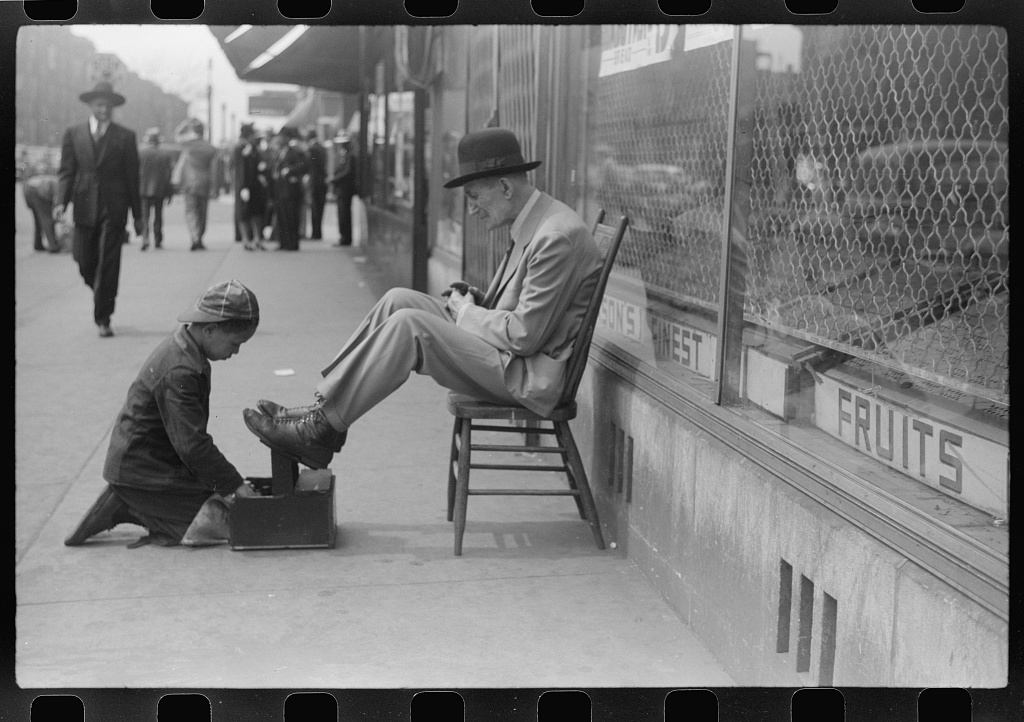
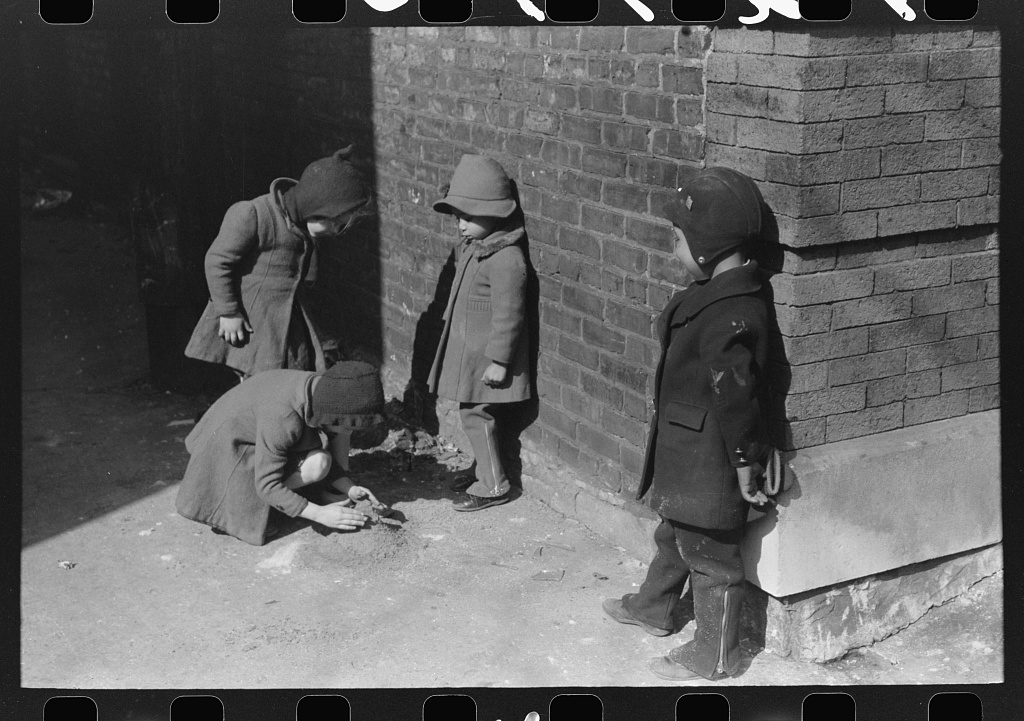
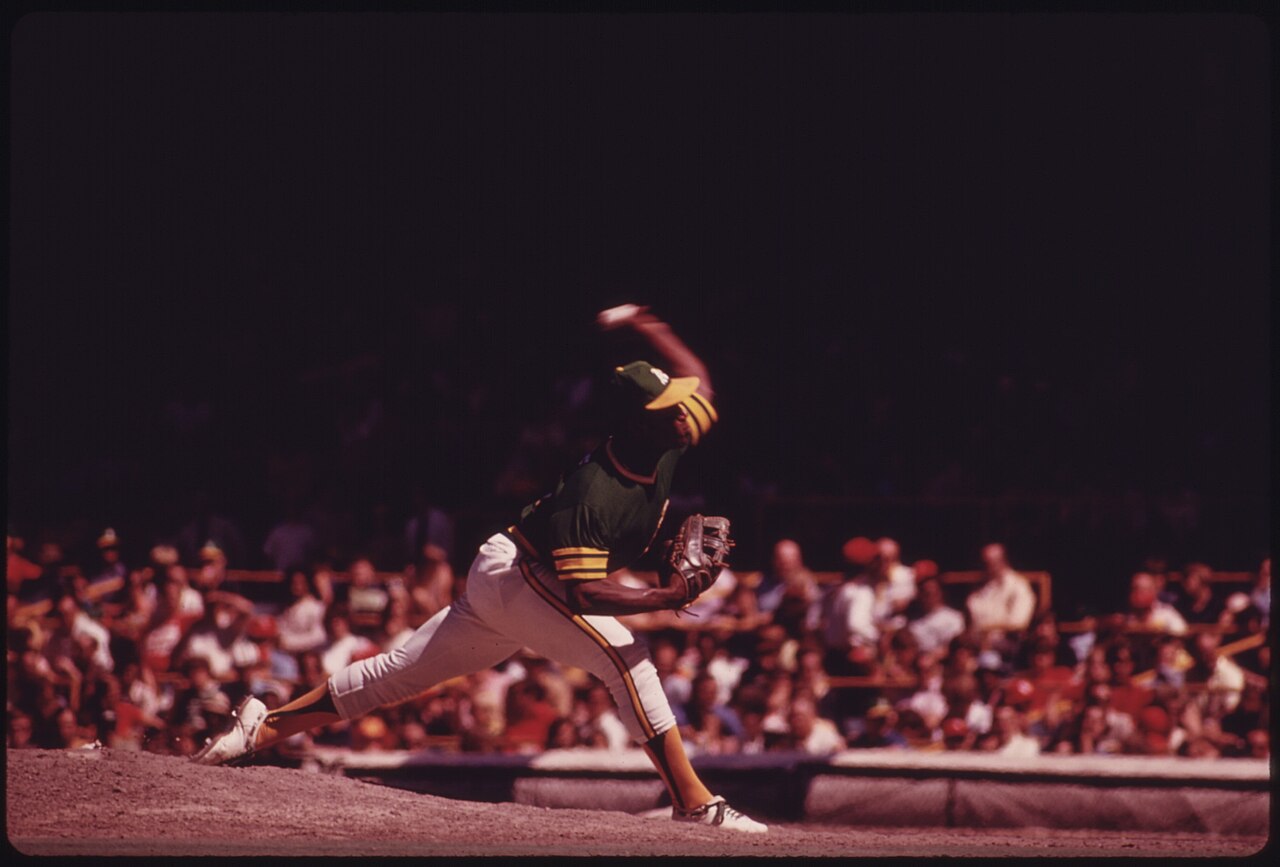
The people, places, and institutions this work documents. Photographs from the CultureTechLens research record — rights-cleared, credited, and cited like everything else here.
Trust & evidence
Evidence before authority. CultureTechLens publishes its methods, its limits, and its corrections alongside its findings. Claims carry grades — VERIFIED, SUPPORTED, PROVISIONAL, DISPUTED, UNRESOLVED — and unknowns are never reported as zero.
Every claim graded. Every source named. Every correction public — see the corrections log.