 CULTURETECHLENS
Assassination of Martin Luther King Jr. (1968)
VERIFIED evidence grade of this record
On April 4, 1968, Martin Luther King Jr. was shot and killed on the balcony of the Lorraine Motel in Memphis, Tennessee, where he had come to support the city's striking Black sanitation workers and to build momentum for the Poor People's Campaign. He was thirty-nine. King (held at CTL-E-0342) had spent his last year widening the movement's brief — against the Vietnam War, against Northern housing segregation in Chicago, toward economic redistribution — and his murder detonated grief and fury in more than a hundred American cities; Chicago's West Side burned for days, an uprising the graph holds at CTL-E-4286, filed there as the assassination's local aftermath. James Earl Ray pleaded guilty to the killing in 1969 and spent the rest of his life failing to withdraw the plea. One week after the assassination, on April 11, President Johnson signed the Fair Housing Act (CTL-E-1181), the last statute of the movement's legislative decade, explicitly framed as King's memorial. The timeline's pairing is exact: April 1968 holds both the movement's deepest loss and its final law.
The record
- Also known as: MLK Assassinated, Martin Luther King Jr. Assassination
Notes
Statistics: Assassinated April 4, 1968, Memphis (Britannica; NCRM). The intake paste's stop #33 date is VERIFIED exact. Staged edge: related_to Martin Luther King Jr., CTL-E-0342. NEAR graph record (audit): 1968 Chicago West Side uprising, CTL-E-4286 — the Chicago aftermath, a distinct event, linked in substance here and not conflated. Tribute care applies. · Curator's Judgment: DRAFT — for founder review (TRIBUTE): He came to Memphis for garbage workers, which tells you where the movement had arrived by 1968: the dignity of the least-regarded labor in the city. The record refuses to freeze him at the 1963 microphone. The man killed in Memphis was the radical of the Riverside sermon and the Poor People's Campaign, and the flowers belong to that man, whole. · Photo slot: HELD — no rights-cleared image was verified for this record in the merge run's bounded Commons sweep (2026-10-15); slot stays HELD until a cleared image is obtained (commons upload, public-domain government portrait, or CTL original), per CTL-PHOTO-001.
Relationships
- Martin Luther King Jr. — related to
This event record documents the April 4, 1968 assassination of Martin Luther King Jr. (CTL-E-0342) at the Lorraine Motel in Memphis (National Civil Rights Museum; Britannica).
Sources
- National Civil Rights Museum (Lorraine Motel), Memphis — supports: the April 4, 1968 assassination at the Lorraine Motel and King's presence in Memphis for the sanitation workers' strike (primary source)
- Encyclopaedia Britannica, 'Assassination of Martin Luther King, Jr.' — supports: the nationwide uprisings that followed (more than 100 cities), James Earl Ray's 1969 guilty plea, and King's age (39)
- U.S. House of Representatives, History, Art & Archives — supports: the Fair Housing Act's April 11, 1968 signing as the movement's final legislative act of the decade (primary source)
Record CTL-E-5431 · CultureTechLens Knowledge Graph · evidence grade: VERIFIED · 3 sources (2 primary) · 1 mapped relationship · CTL research: BCI-001, RELP-001.
Directory: all entity records · the knowledge graph
Cite this record
Chicago: CultureTechLens. “Assassination of Martin Luther King Jr. (1968) (CTL-E-5431).” CultureTechLens Knowledge Graph. Chicago, IL: CultureTechLens, 2026. https://culturetechlens.com/graph/entities/ctl-e-5431/
APA: CultureTechLens. (2026). Assassination of Martin Luther King Jr. (1968) (CTL-E-5431) [Entity record]. CultureTechLens Knowledge Graph. https://culturetechlens.com/graph/entities/ctl-e-5431/
MLA: CultureTechLens. “Assassination of Martin Luther King Jr. (1968) (CTL-E-5431).” CultureTechLens Knowledge Graph, 2026, https://culturetechlens.com/graph/entities/ctl-e-5431/
Citation guidance for teachers, journalists, and funders: How to Cite Us.
From the Archive
The archive in pictures
The people, places, and institutions this work documents. Photographs from the CultureTechLens research record — rights-cleared, credited, and cited like everything else here.
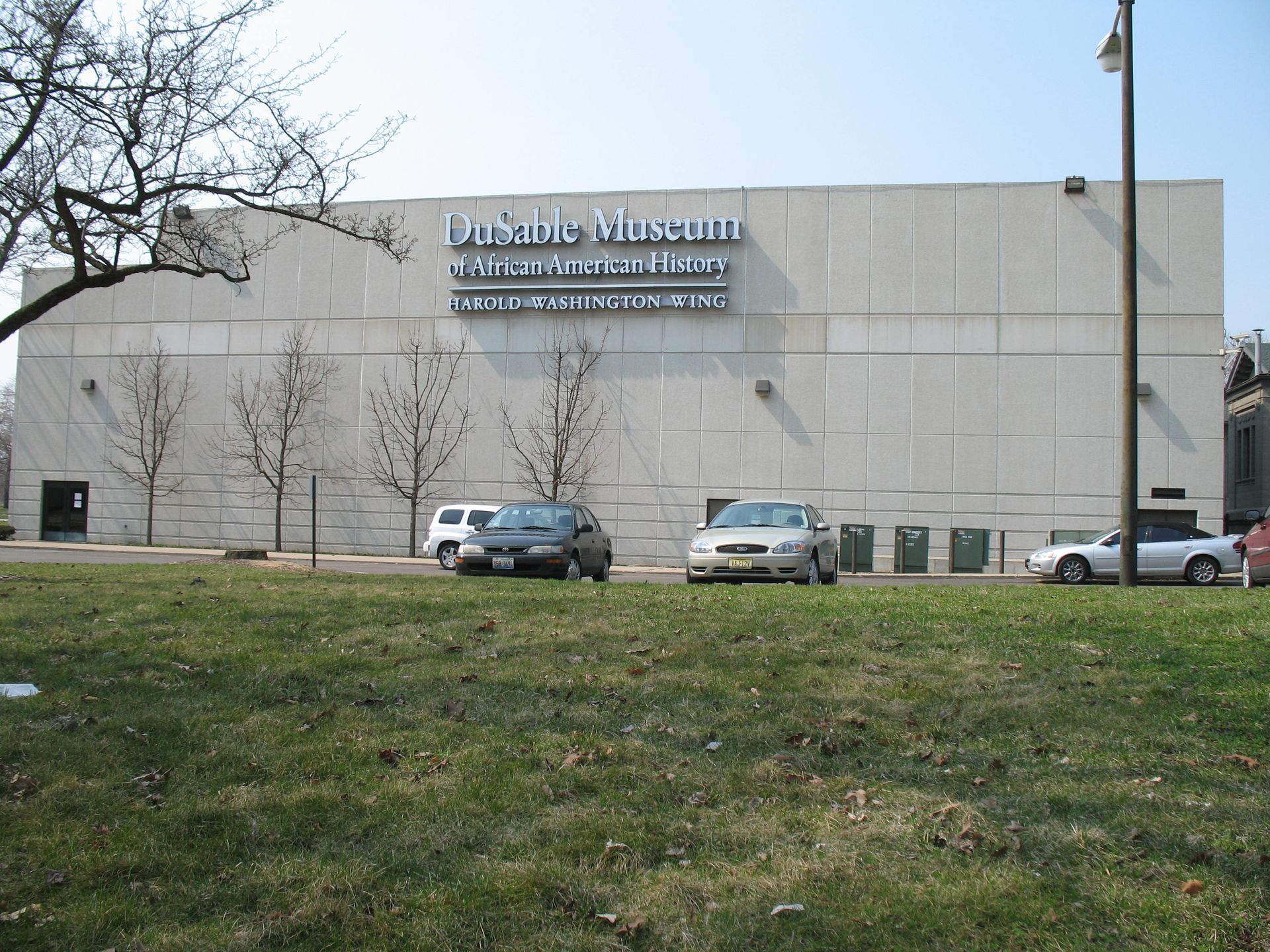
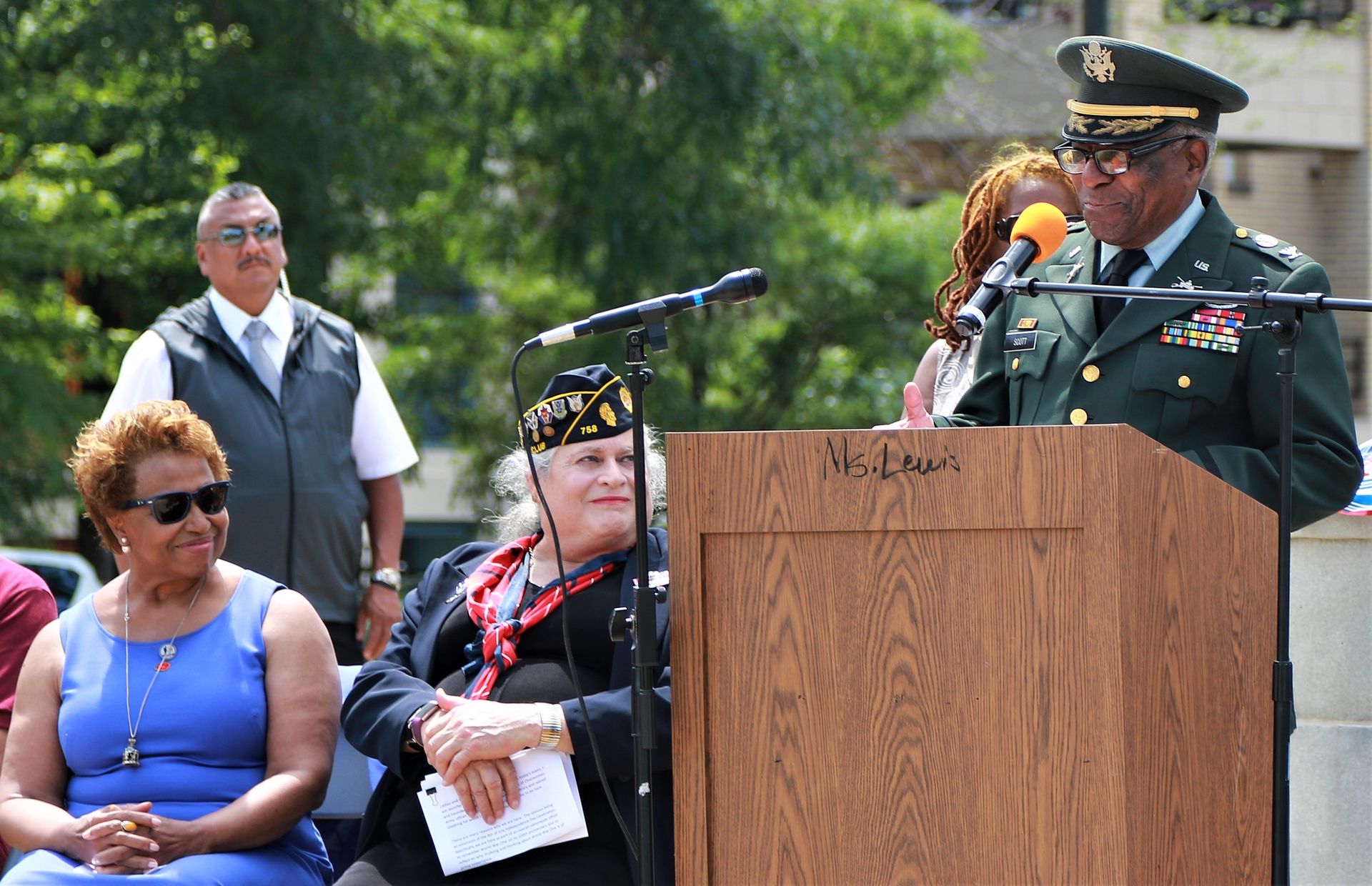
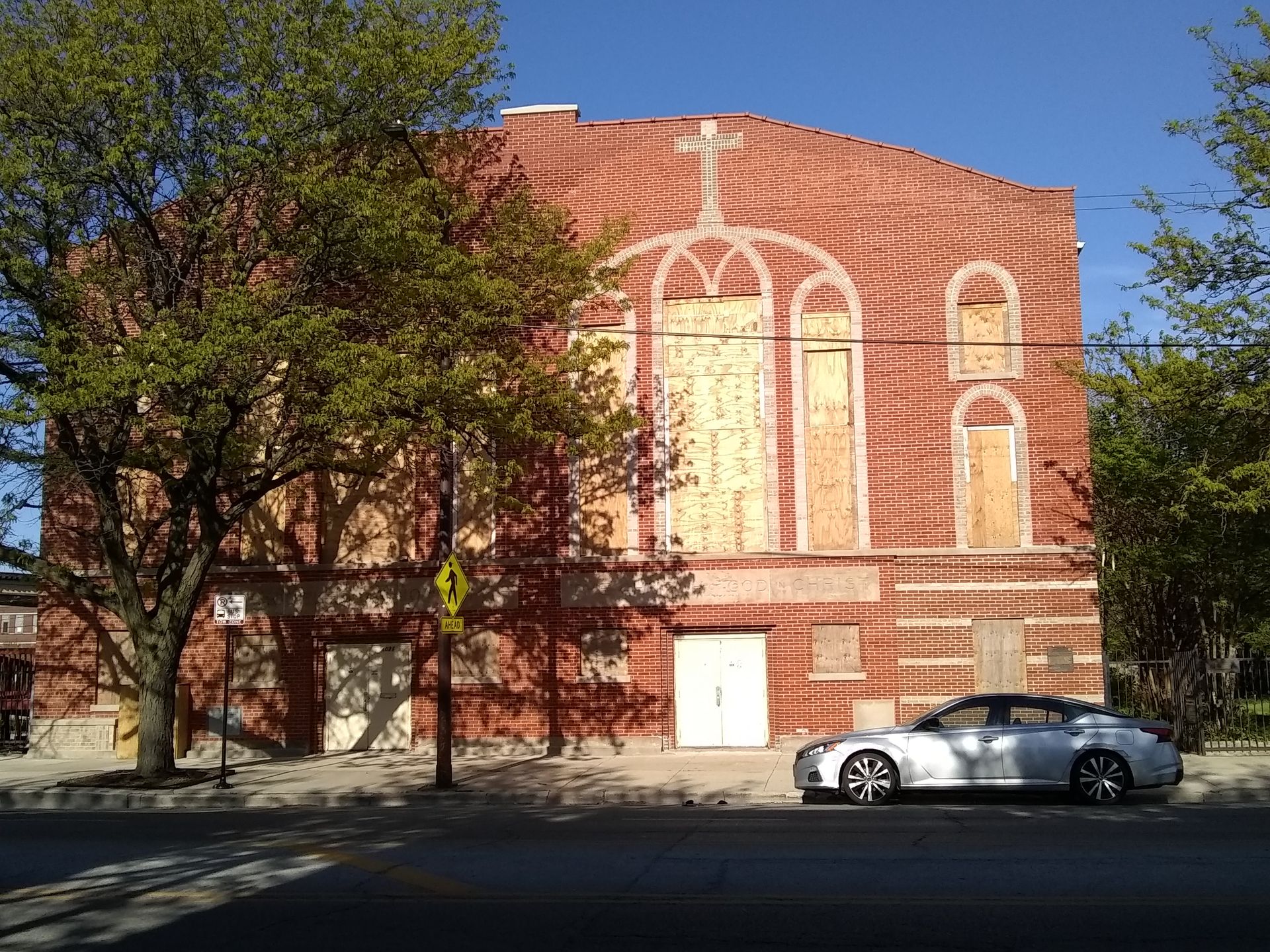
Trust & evidence
Evidence before authority. CultureTechLens publishes its methods, its limits, and its corrections alongside its findings. Claims carry grades — VERIFIED, SUPPORTED, PROVISIONAL, DISPUTED, UNRESOLVED — and unknowns are never reported as zero.
Every claim graded. Every source named. Every correction public — see the corrections log.