 CULTURETECHLENS
Good Times
PROVISIONAL evidence grade of this record
Good Times, created by Eric Monte and Mike Evans and developed by Norman Lear, aired on CBS from February 8, 1974, to August 1, 1979 — six seasons, 133 episodes following James and Florida Evans and their three children in a Chicago housing project, identified in coverage of the series as Cabrini-Green. It arrived through the Lear spin-off chain — All in the Family to Maude, whose housekeeper Florida Evans the series carried home — and it holds a first the shelf needs: it is cited as the first network television series built around a two-parent Black family, where earlier Black-led series such as Julia and Sanford and Son had centered single parents. The Evanses' subject was economics — James's patchwork of jobs, the rent, the children's futures — argued at a kitchen table in public housing on Chicago's Near North Side, in the city this graph calls home. 'Dy-no-mite' was the catchphrase; the record's claim is the setting: working-class Black Chicago, at the center of a hit network sitcom, in prime time, in 1974.
Notes
Statistics: CBS, 1974–1979; 133 episodes (Wikipedia). Chicago connection (sourced): set in a Chicago housing project identified in coverage as Cabrini-Green; co-creator Eric Monte's premise grew from that setting. The graph's first Chicago-set sitcom record. Filed as Work/other: schema v0.2.6 carries no television subtype, and none was invented inside this merge (schema changes are a separate, reviewed step). · Curator's Judgment: DRAFT — for founder review: Before the graph had a Chicago television shelf, Good Times was waiting on it: the Evans family is Bronzeville-adjacent canon, filed at last with its address intact. 'Temporary layoffs' and 'easy credit rip-offs' were policy arguments in a laugh track's clothing — the record says so. · Photo slot: HELD — poster/key art and production stills for this title are copyrighted studio material and were NOT pulled (per CTL-PHOTO-001 and the wave brief: never force non-free key art); no cleared Commons image was verified for this title in this run. Slot honestly HELD pending a cleared visual.
Sources
- Wikipedia, 'Good Times' — supports: creators, CBS run (February 8, 1974 – August 1, 1979), 6 seasons / 133 episodes, Tandem Productions, and the spin-off lineage — https://en.wikipedia.org/wiki/Good_Times
- Essence, 'Good Times at 50: Pioneering Black Culture on Television' — supports: the two-parent-family first and the series' place in Black television history — https://www.essence.com/entertainment/good-times-50-year-anniversary-lookback/
- Primetimer, 'The Enduring Legacy of Norman Lear's Good Times' — supports: the Chicago housing-project setting identified as Cabrini-Green and co-creator Eric Monte's Chicago premise — https://www.primetimer.com/quickhits/everything-you-need-to-know-about-good-times
Record CTL-E-5447 · CultureTechLens Knowledge Graph · evidence grade: PROVISIONAL · 3 sources · CTL research: MEDIA-001, BCI-001.
Directory: all entity records · the knowledge graph
Cite this record
Chicago: CultureTechLens. “Good Times (CTL-E-5447).” CultureTechLens Knowledge Graph. Chicago, IL: CultureTechLens, 2026. https://culturetechlens.com/graph/entities/ctl-e-5447/
APA: CultureTechLens. (2026). Good Times (CTL-E-5447) [Entity record]. CultureTechLens Knowledge Graph. https://culturetechlens.com/graph/entities/ctl-e-5447/
MLA: CultureTechLens. “Good Times (CTL-E-5447).” CultureTechLens Knowledge Graph, 2026, https://culturetechlens.com/graph/entities/ctl-e-5447/
Citation guidance for teachers, journalists, and funders: How to Cite Us.
From the Archive
The archive in pictures
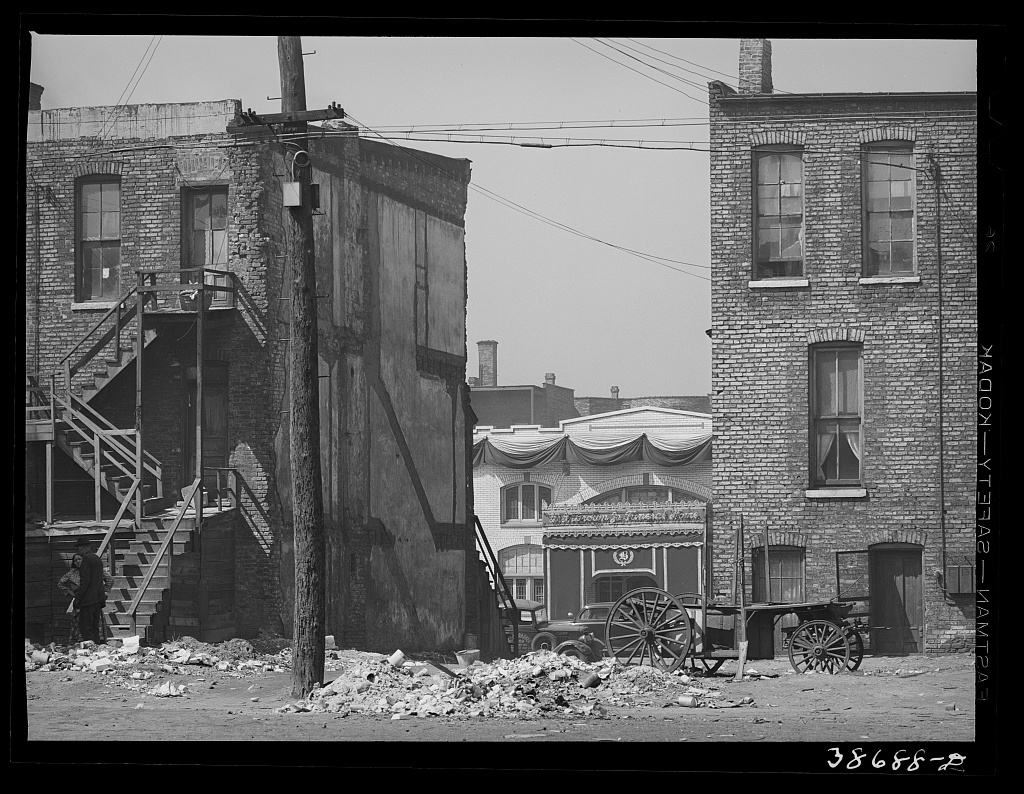
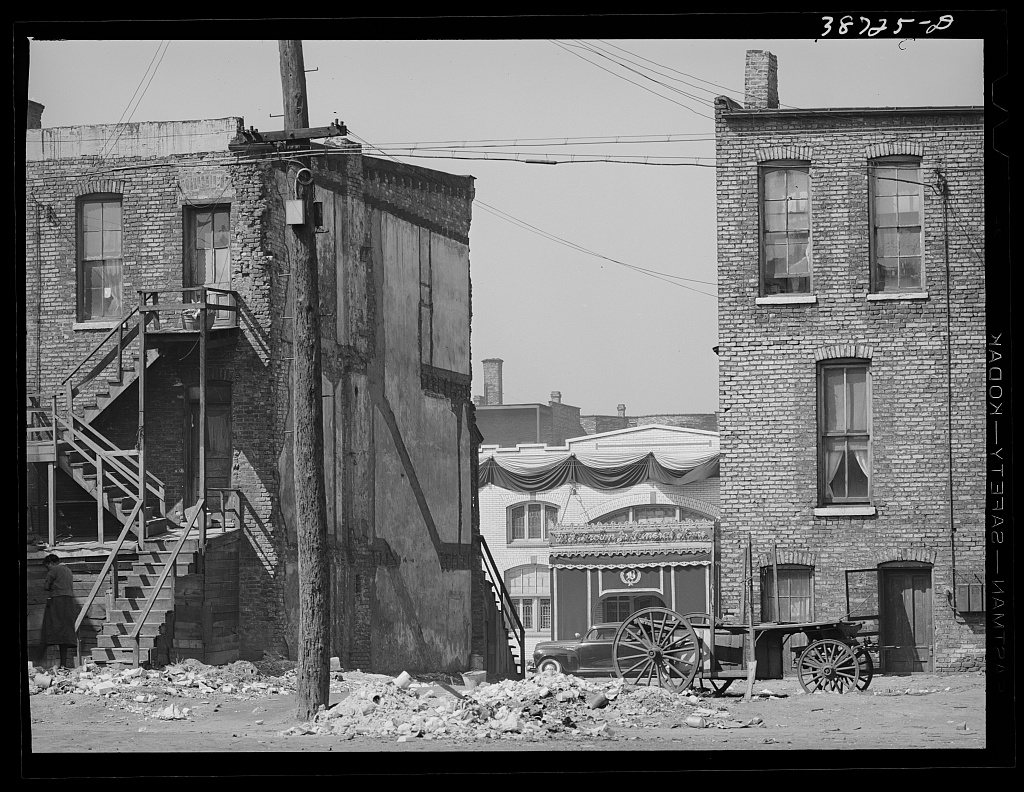
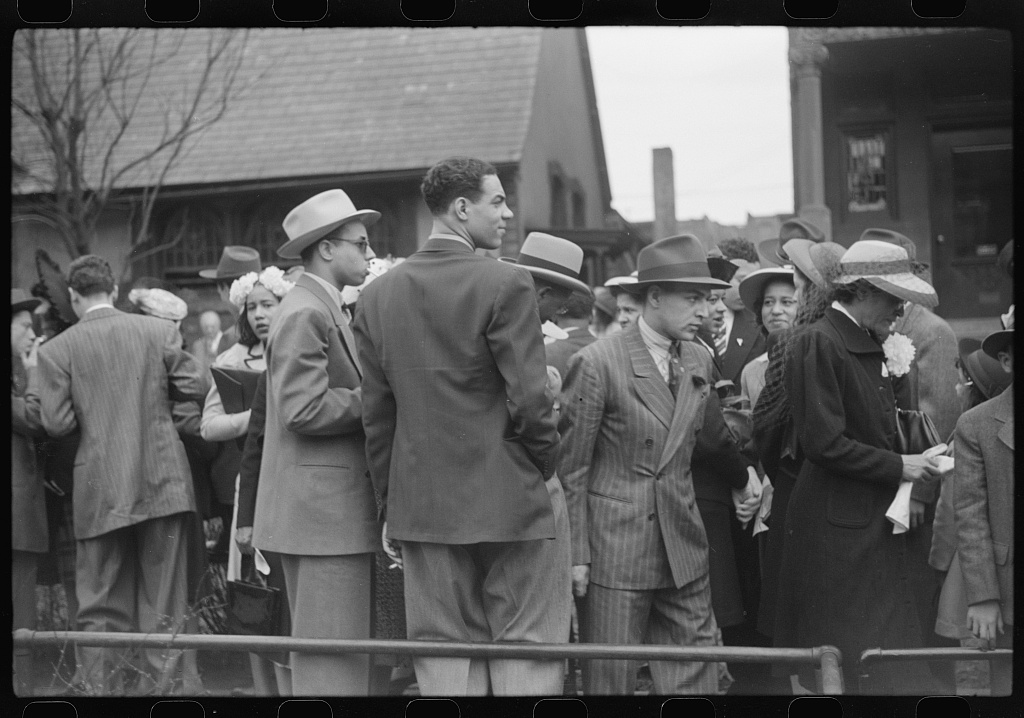
The people, places, and institutions this work documents. Photographs from the CultureTechLens research record — rights-cleared, credited, and cited like everything else here.
Trust & evidence
Evidence before authority. CultureTechLens publishes its methods, its limits, and its corrections alongside its findings. Claims carry grades — VERIFIED, SUPPORTED, PROVISIONAL, DISPUTED, UNRESOLVED — and unknowns are never reported as zero.
Every claim graded. Every source named. Every correction public — see the corrections log.