 CULTURETECHLENS
The Wire
PROVISIONAL evidence grade of this record
The Wire, created by David Simon, a former Baltimore police reporter, with stories written alongside Ed Burns, aired on HBO from June 2, 2002, to March 9, 2008 — five seasons, sixty episodes set and produced in Baltimore, each season turning its lens on a different institution of the same city: the drug trade, the port, city hall, the schools, the press. Its reputation is the notable fact about it: modest ratings and no major awards during its original run — its only Emmy nominations were two for writing, an exclusion now routinely cited as a historic snub — followed by a post-broadcast critical canonization that places it, in poll after poll, among the greatest television series ever made. It won a Peabody Award and was named an AFI top television program three times. Its large Black ensemble cast was considered groundbreaking for a prestige drama of its period, and its Baltimore — a city this graph's scope reaches as diaspora, not home — remains television's most argued-over urban portrait. The shelf files it as the prestige era's central text on the American city's machinery.
Notes
Statistics: HBO, 2002–2008; 60 episodes (Wikipedia). Filed in this wave as a canonical Black-ensemble prestige drama; creator David Simon holds no graph Person record. Filed as Work/other: schema v0.2.6 carries no television subtype, and none was invented inside this merge (schema changes are a separate, reviewed step). · Curator's Judgment: DRAFT — for founder review: The Wire's file is a lesson in how canons actually form: not by the industry's prizes in real time, but by a decade of viewers, teachers, and critics insisting. The record states the snub and the coronation in the same breath — both are the fact. · Photo slot: HELD — poster/key art and production stills for this title are copyrighted studio material and were NOT pulled (per CTL-PHOTO-001 and the wave brief: never force non-free key art); no cleared Commons image was verified for this title in this run. Slot honestly HELD pending a cleared visual.
Sources
- Wikipedia, 'The Wire' — supports: creator, HBO run (June 2, 2002 – March 9, 2008), 5 seasons / 60 episodes, the season-by-institution structure, and the cast distinction — http://en.wikipedia.org/wiki/The_Wire
- Wikipedia, 'List of awards and nominations received by The Wire' — supports: the Peabody Award, the three AFI listings, and the two writing-only Emmy nominations — https://en.wikipedia.org/wiki/List_of_awards_and_nominations_received_by_The_Wire
Record CTL-E-5462 · CultureTechLens Knowledge Graph · evidence grade: PROVISIONAL · 2 sources · CTL research: MEDIA-001.
Directory: all entity records · the knowledge graph
Cite this record
Chicago: CultureTechLens. “The Wire (CTL-E-5462).” CultureTechLens Knowledge Graph. Chicago, IL: CultureTechLens, 2026. https://culturetechlens.com/graph/entities/ctl-e-5462/
APA: CultureTechLens. (2026). The Wire (CTL-E-5462) [Entity record]. CultureTechLens Knowledge Graph. https://culturetechlens.com/graph/entities/ctl-e-5462/
MLA: CultureTechLens. “The Wire (CTL-E-5462).” CultureTechLens Knowledge Graph, 2026, https://culturetechlens.com/graph/entities/ctl-e-5462/
Citation guidance for teachers, journalists, and funders: How to Cite Us.
From the Archive
The archive in pictures
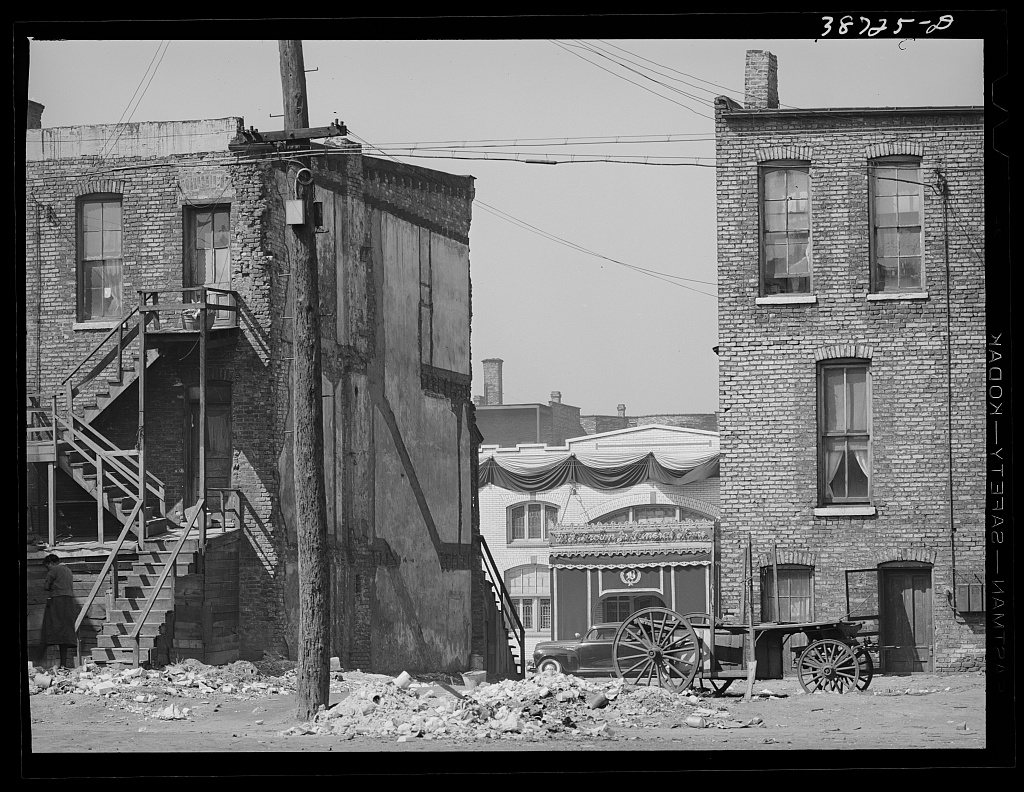
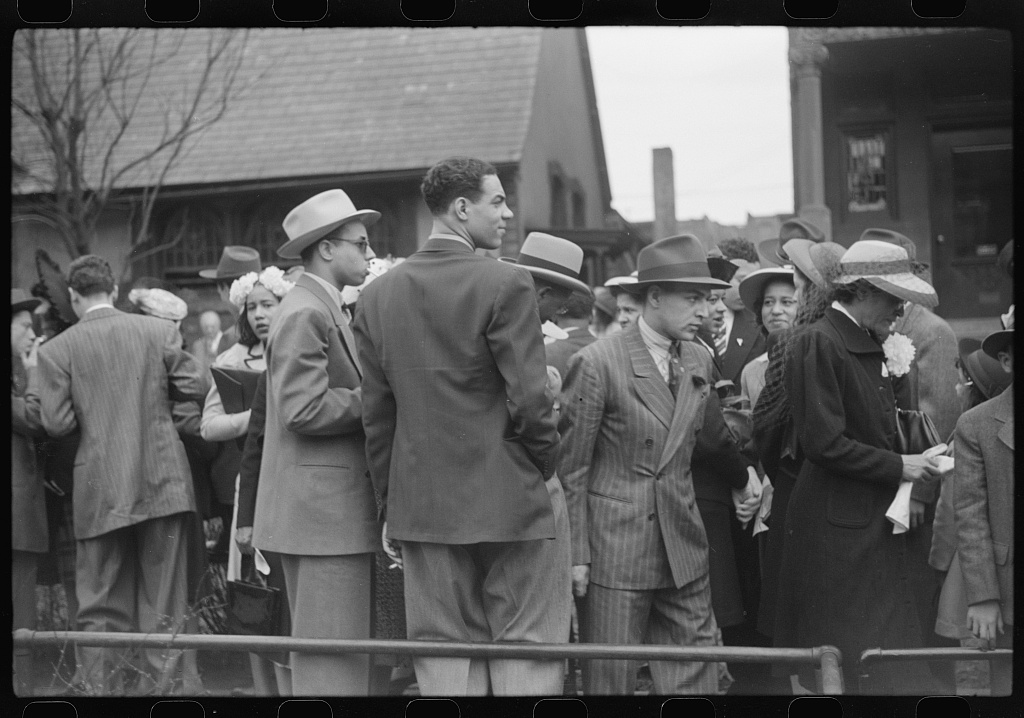
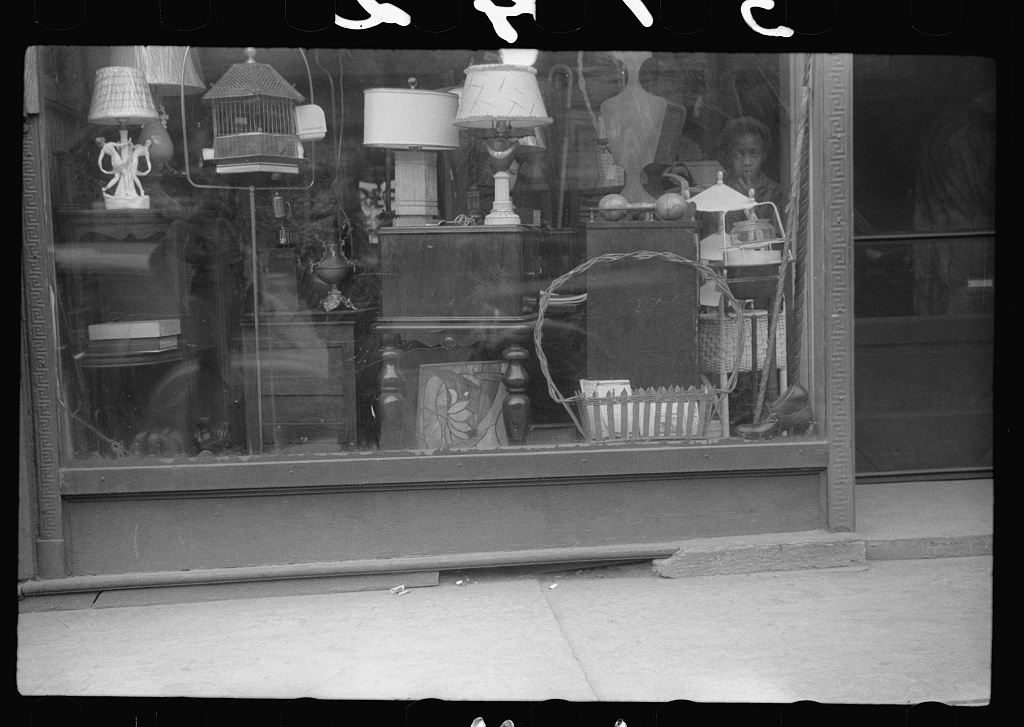
The people, places, and institutions this work documents. Photographs from the CultureTechLens research record — rights-cleared, credited, and cited like everything else here.
Trust & evidence
Evidence before authority. CultureTechLens publishes its methods, its limits, and its corrections alongside its findings. Claims carry grades — VERIFIED, SUPPORTED, PROVISIONAL, DISPUTED, UNRESOLVED — and unknowns are never reported as zero.
Every claim graded. Every source named. Every correction public — see the corrections log.