 CULTURETECHLENS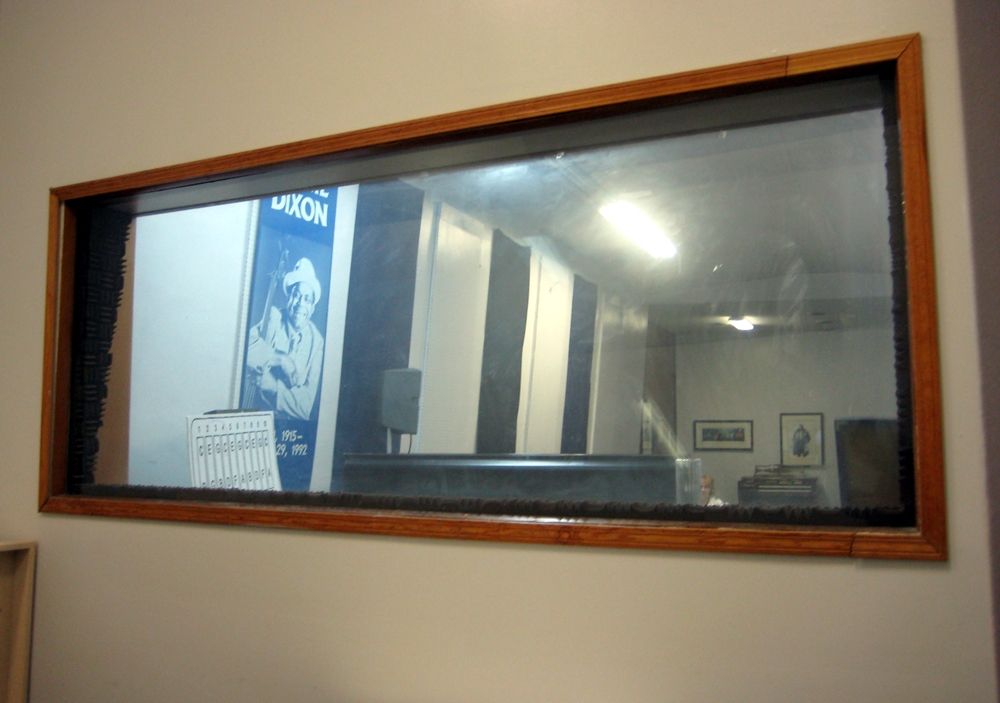
Photo: get directly down, CC BY 2.0, via Wikimedia Commons
CULTURETECHLENS · “Culture, Clearly Seen.” · Black Cultural Intelligence
The Clear Ear Award
One album per year. Judged in lanes — R&B, hip-hop, soul, jazz, gospel, house/Afro-house, Afrobeats, and the Black diaspora beyond — scored on critical consensus, cultural impact, and the depth of the documented record, with every score sourced and every gap stated out loud. This is CTL’s annual flagship for Black music.
How it works
1. The lanes
Albums are judged against their own tradition first. A gospel record is not graded on hip-hop’s rubric; a jazz record is not graded on R&B’s. Eight lanes keep the comparisons honest.
2. The shortlist
Each October, CTL publishes a shortlist of 12–15 albums — one program page per year, every entry written up at length with its evidence attached.
2026 variance: the inaugural shortlist expanded from 15 to 25 albums on October 5, 2026, by founder approval — filling the Afrobeats lane and adding depth in jazz and R&B/soul.
3. The winner
Each December, one album is named the Clear Ear Award, with the full scoring record published alongside it: what won, what it beat, and why.
The 2026 cycle
Eligibility window (inaugural year): commercial studio-album releases from January 1 through September 30, 2026. Releases from the final quarter of 2026 roll into the 2027 cycle.
Shortlist: published October 2026 — 25 albums, fully written up.
Winner: announced December 2026, with the complete scoring record.
The strongest verified critical signals on the inaugural shortlist belong to Ezra Collective’s Here Because Of Hope (Metacritic 90), Genesis Owusu’s REDSTAR WU & THE WORLDWIDE SCOURGE (Metacritic 88), and Vince Staples’ Cry Baby (Metacritic 87). Nothing here is ranked yet — that is December’s work.
Read the 2026 shortlist Read the methodology
The scoring model, in brief
- Critical consensus — 40%. Verified aggregate and publication scores: Metacritic, AnyDecentMusic, AlbumOfTheYear.org, Pitchfork, Clash, Exclaim!, and comparable outlets. No invented scores; where no aggregate could be verified, the entry says so.
- Cultural impact — 30%. Chart performance, award nominations and wins, touring footprint, and documented cultural moments — each tied to a source.
- CTL evidence depth — 30%. How deeply the album is documented in CTL’s own research corpus. CTL’s music coverage is young, and the methodology says so plainly.
Why lanes
Most album-of-the-year exercises flatten everything into one list, which quietly rewards whatever genre the judges already listen to. CTL judges in lanes because Black music is not one tradition: the criteria that make a great gospel album are not the criteria that make a great hip-hop album. The lanes are published, the eligibility rules are published, and the judgment calls — including the ones that went against commercial giants — are disclosed on the record. Full methodology ›
How to cite this program
Chicago (17th):
APA (7th):
MLA (9th):
Source: CultureTechLens
From the Archive
The archive in pictures
Black Chicago’s musical record, kept frame by frame. Photographs from the CultureTechLens research record — rights-cleared, credited, and cited like everything else here.
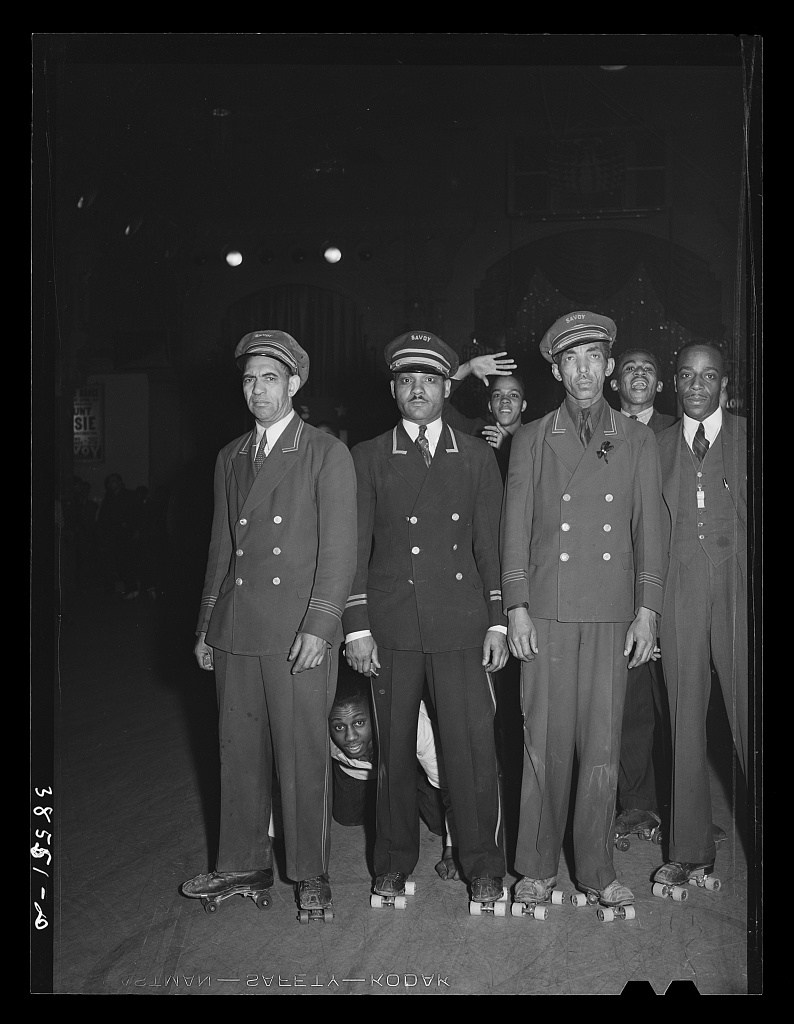
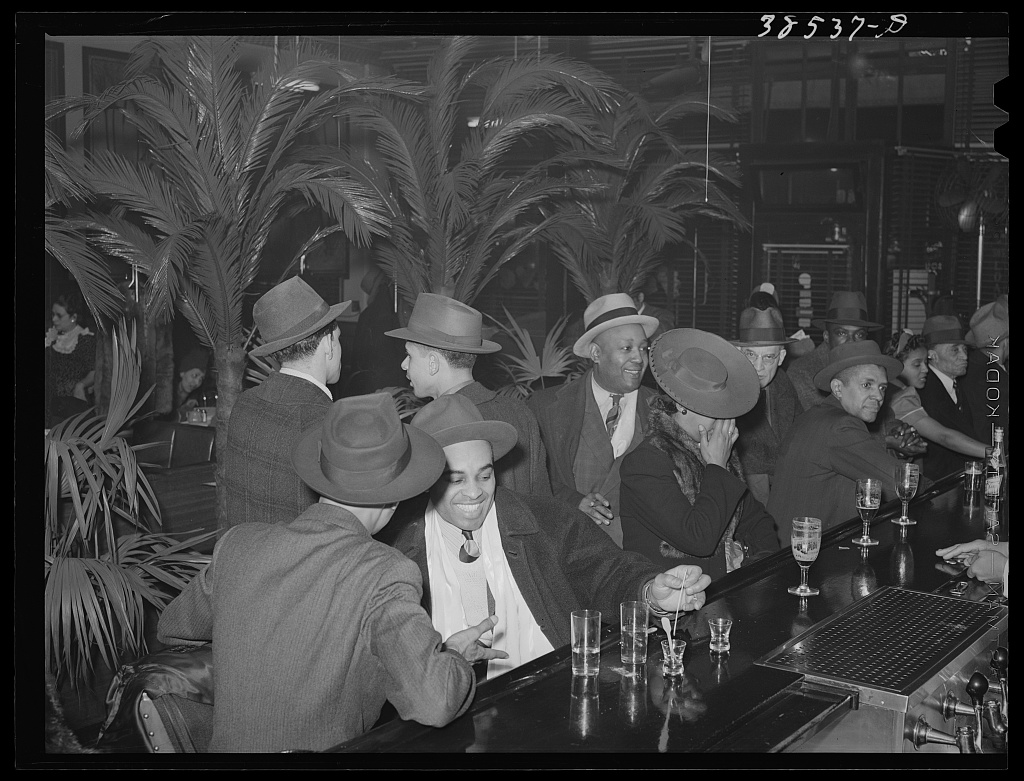
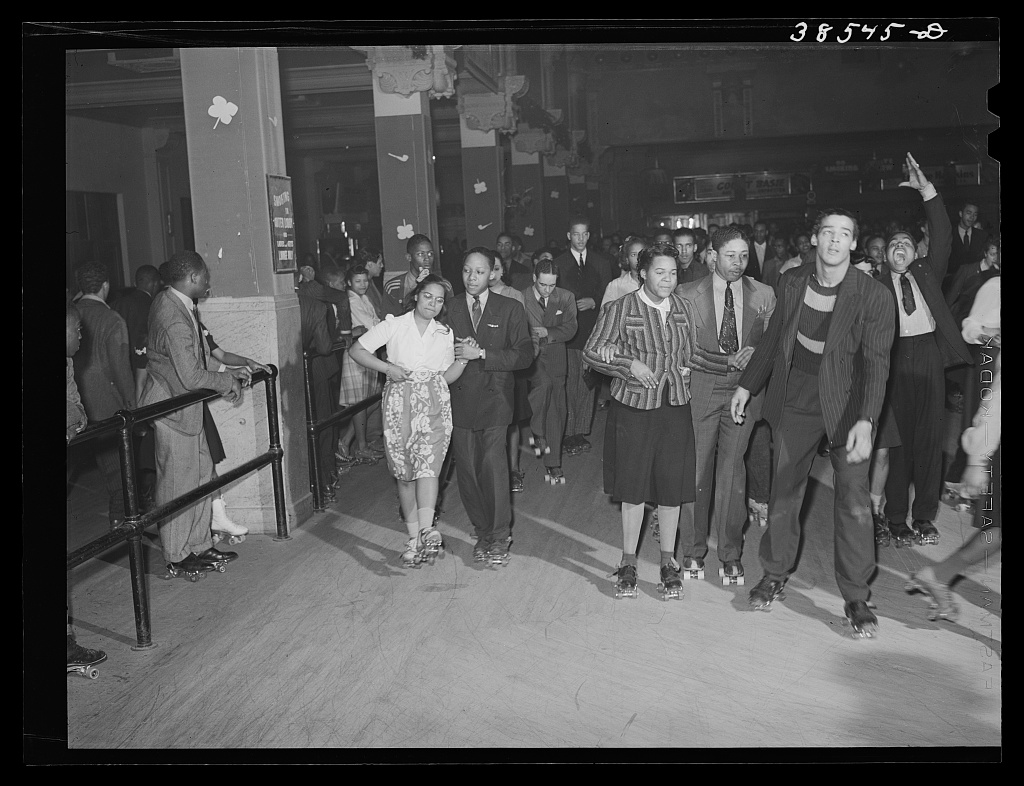
Trust & evidence
Evidence before authority. CultureTechLens publishes its methods, its limits, and its corrections alongside its findings. Claims carry grades — VERIFIED, SUPPORTED, PROVISIONAL, DISPUTED, UNRESOLVED — and unknowns are never reported as zero.
Every claim graded. Every source named. Every correction public — see the corrections log.