 CULTURETECHLENS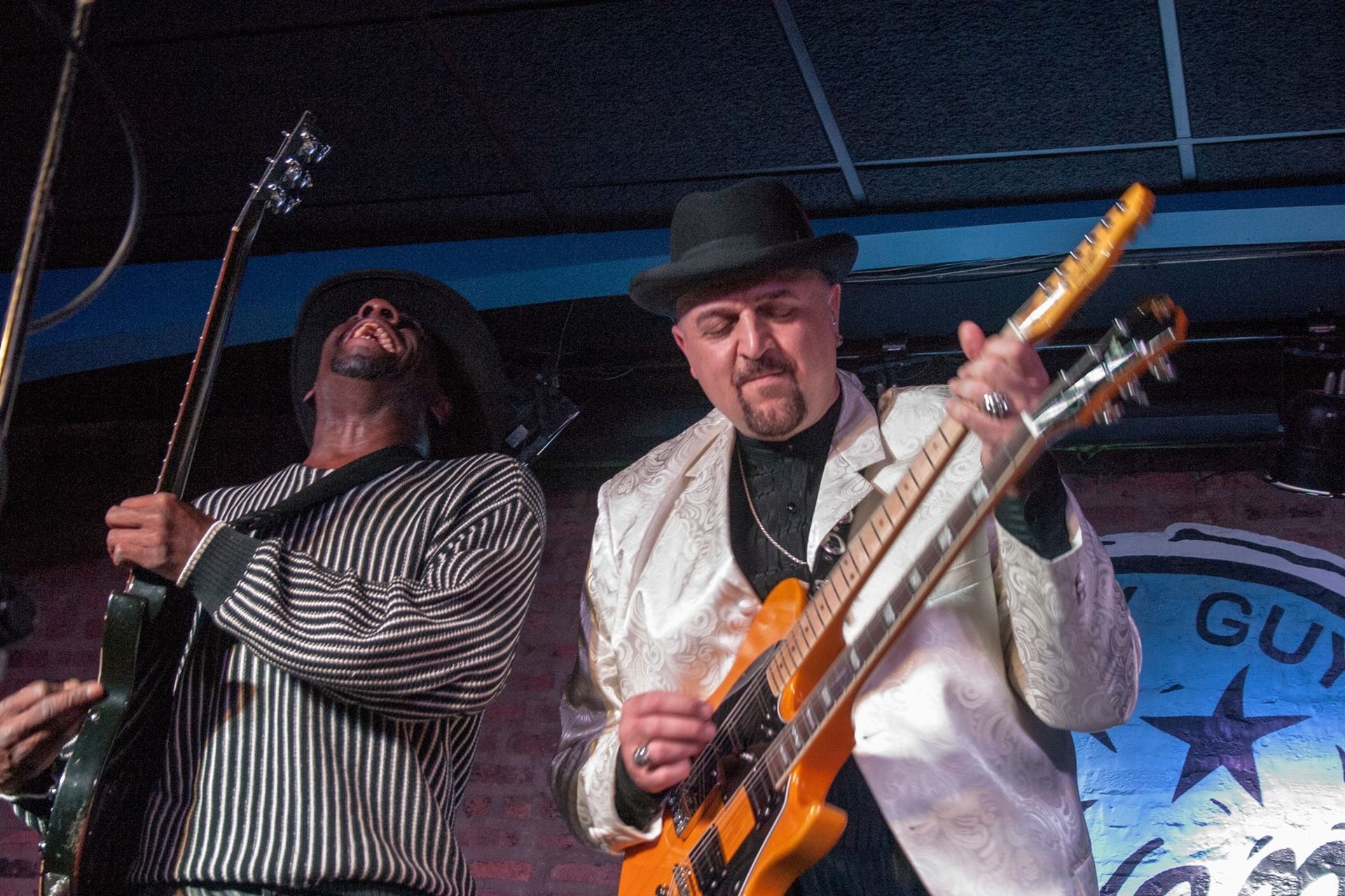
Photo: BluesAllstars, CC BY-SA 4.0, via Wikimedia Commons
CULTURETECHLENS · “Culture, Clearly Seen.” · Black Cultural Intelligence
Clear Ear Award 2026: The Shortlist
Twenty-five albums, eight lanes, one inaugural shortlist. Every entry below is written up at length with its evidence attached: verified critical scores attributed to the outlets that reported them, cultural-impact signals tied to sources, and “score unverified” wherever no aggregate could be confirmed. The shortlist is presented unranked — ranking is December’s work, published with the full scoring record. Read the methodology ›
Expanded October 5, 2026: ten more albums joined the shortlist by founder approval — three filling the previously empty Afrobeats lane (Ayra Starr, Davido, Omah Lay), four more in jazz (Shabaka, Jeff Parker & ETA IVtet, Nubiyan Twist, Harriet Tubman & Georgia Anne Muldrow), two more in R&B/soul (Kehlani, Erykah Badu & The Alchemist), and the Open lane’s first entry (aja monet’s spoken-word record the color of rain). The original fifteen entries are unchanged.
The shortlist
Vince Staples — Cry Baby
Lane: Hip-hop · Released: June 5, 2026 · Label: Loma Vista / Section Eight Arthouse
Critical signal: Metacritic 87/100 (14 critics, universal acclaim) · Pitchfork 7.8 · AnyDecentMusic 8.0/10 · Consequence A− · Clash 8/10 · Paste B+ · Exclaim! 8/10 · PopMatters 8/10 · NME 4/5
Staples’ seventh studio album is his first independent release after leaving Def Jam, and it plays like a man unburdened: politically charged rap threaded with rock and punk elements, recorded with the looseness of an artist who no longer has to ask permission. The critical consensus was near-total — a Metacritic 87 across fourteen critics, with eight-out-of-ten (or better) notices from Clash, Exclaim!, and PopMatters and an A− from Consequence. That breadth matters: Cry Baby landed with the underground press and the mainstream press at once, a rare coalition in a fragmented rap year. The cultural footprint is still being written — a 16-date Cry Baby Tour runs October 19 through November 15, 2026 — but the record’s arrival already reads as a statement about what independence can sound like at rap’s highest level. If the December judging rewards artistic risk taken without a major-label safety net, this is the album to beat.
Sources: Wikipedia: Cry Baby (Vince Staples album) · That Eric Alper: Cry Baby Tour dates
Genesis Owusu — REDSTAR WU & THE WORLDWIDE SCOURGE
Lane: Hip-hop (alternative) · Released: May 15, 2026 · Label: unverified
Critical signal: Metacritic 88 · AlbumOfTheYear.org user score 81 (5,583 ratings)
The second-strongest verified critical signal on the entire shortlist belongs to an Australian artist of Ghanaian heritage — which is exactly why the eligibility rules are written the way they are. Owusu’s record sits in Black musical language even as it refuses every genre container, and CTL’s rule (“the artist is Black, or the album’s primary cultural contribution sits in a Black music tradition”) includes it with the call stated openly. A Metacritic 88 is the kind of number that ends arguments, and the user consensus at AlbumOfTheYear.org — 81 across more than five thousand ratings — suggests the acclaim traveled beyond the critic pool. The open question is cultural impact: the record’s chart and touring footprint is thinner on the verified record than its critical standing would predict, and the December scoring will have to weigh whether consensus alone carries an album to the top. As a pure document of 2026’s alternative hip-hop imagination, though, few entries here are more complete.
Sources: Metacritic: 2026 album scores · AlbumOfTheYear.org: 2026 hip-hop user ratings
Ezra Collective — Here Because Of Hope
Lane: Jazz · Released: September 11, 2026
Critical signal: Metacritic 90
The highest verified critical score on the 2026 shortlist — a Metacritic 90 — belongs to the British jazz collective that has spent the decade carrying jazz back into popular conversation. Here Because Of Hope arrives with a guest list that reads like a map of the Black Atlantic in 2026: Lila Ike, Leona Lewis, Libianca, Pa Salieu, and Letitia Wright, spanning reggae, R&B, Afrobeats-adjacent pop, and rap. Ezra Collective are past Mercury Prize winners, and the jazz lane has rarely had a consensus entry this strong in an American awards conversation — which is precisely the gap a CTL program is built to close. The September release date means the cultural-impact signal is the thinnest on the shortlist: no chart peaks or tour grosses had entered the verified record by the October shortlist cutoff. If the December judging finds the impact signal, the 90 makes this the frontrunner. If it doesn’t, the record stands as the year’s best-reviewed album by acclamation — and a measure of what consensus alone is worth.
Sources: Metacritic: 2026 album scores · NME: Mercury Prize 2026 shortlist
Isaiah Rashad — It’s Been Awful
Lane: Hip-hop · Released: 2026 · Label: Top Dawg Entertainment
Critical signal: Metacritic 83/100 (9 critics, universal acclaim) · Pitchfork 7.8 · Clash 8/10 · Exclaim! 8/10
Teased with a trailer in April 2026 and carried through the summer on an NPR Tiny Desk performance (August 25, 2026) and Lil Sunny’s Awful Road Trip Tour, Rashad’s TDE return landed as one of the year’s most complete rap records: Metacritic 83 across nine critics, with 8/10 notices from Clash and Exclaim! and a 7.8 from Pitchfork. The guest list — SZA, Dominic Fike, Julian Sintonia — maps Rashad’s position at the intersection of rap, R&B, and alternative songwriting, and the album plays like it: introspective without being insular, melodic without softening the writing. The exact commercial release date could not be pinned to a citable source, so CTL states the year and moves on — the verification standard cuts both ways. What is documented is a critical consensus firmly in “universal acclaim” territory and a touring footprint that put the record in front of rooms all year. In a crowded hip-hop lane, It’s Been Awful is the entry with the fewest holes in its evidence.
Sources: Wikipedia: It’s Been Awful · Clash: review · HipHopGoldenAge: best hip-hop albums of 2026
Yaya Bey — Fidelity
Lane: R&B / Soul · Released: April 17, 2026
Critical signal: Metacritic 83
Tied with Isaiah Rashad for the fourth-strongest verified critical signal on the shortlist, Fidelity is the R&B lane’s consensus pick: Metacritic 83, earned without the major-label machinery behind most of its lane-mates. Bey has built one of the most respected independent catalogs in contemporary R&B, and Fidelity plays like the record that catalog was building toward — intimate, precisely written, uninterested in chasing the center. The cultural-impact signal is the honest limitation here: independent R&B rarely generates the chart peaks or award nominations the model’s impact pillar rewards, and CTL will not invent a footprint that isn’t documented. What the December judging must decide is whether a lane’s best-reviewed record can win the year without the industry apparatus — the same question the program asks of Cry Baby in hip-hop, one lane over.
Sources: Metacritic: 2026 album scores
Thundercat — Distracted
Lane: Jazz (jazz-funk crossover) · Released: April 3, 2026 · Label: Brainfeeder
Critical signal: Metacritic 81/100 (10 reviews, universal acclaim) · AnyDecentMusic 7.6/10 · Pitchfork 7.8 · Uncut 8/10 · Paste C+
Six years after It Is What It Is, Thundercat returned with a record that sprawls across every tradition he touches — jazz-funk, R&B, psychedelia, yacht rock — and a guest list to match: Channel Tres, Willow Smith, The Lemon Twigs, A$AP Rocky, Tame Impala, Lil Yachty, Flying Lotus, and a posthumous Mac Miller appearance on “She Knows Too Much.” The consensus (Metacritic 81, ten reviews) is strong but not uniform — Paste’s C+ is the shortlist’s most visible dissent on any entry, and CTL keeps it in the record rather than averaging it away. That disagreement is useful: Distracted is the shortlist’s maximalist entry, the one that tries the most and therefore divides opinion the most. In the jazz lane it faces Ezra Collective’s cleaner consensus; its case for December rests on range — no other 2026 album credibly attempts this many traditions at once.
J. Cole — The Fall-Off
Lane: Hip-hop · Released: February 6, 2026 · Label: Dreamville
Critical signal: AlbumOfTheYear.org user score 80 (17,112 ratings) · chorus.reviews 70 · Metacritic: score unverified
The most mythologized rap album of the decade finally arrived: a double disc (DISC29/DISC39), 24 tracks, 101 minutes, with Future, Tems, Erykah Badu, Petey Pablo, Burna Boy, and Morray across the tracklist. The audience verdict is unambiguous — an 80 user score across more than seventeen thousand ratings makes it one of the year’s most-rated rap albums — but the critical establishment never produced a citable aggregate: no Metacritic score could be verified, and chorus.reviews’ 70 suggests a cooler reception among reviewers than among listeners. That split is the entry’s whole story. The Fall-Off is a cultural event by any measure of attention, and CTL’s impact pillar will credit the scale of its arrival; but the program’s verification standard means the critical-consensus pillar stays marked unverified rather than filled in by vibes. December will decide how much an album can win on impact and audience devotion alone.
Sources: AlbumOfTheYear.org: The Fall-Off · AlbumOfTheYear.org: 2026 hip-hop user ratings
Denzel Curry & Kenneth Blume — ii
Lane: Hip-hop · Released: August 21, 2026 · Label: PH / Loma Vista
Critical signal: AlbumOfTheYear.org user score 84 (12,389 ratings) · Clash 8/10 · Fantano 8/10 · hiphophighsociety 9.5/10 · Metacritic: score unverified
The sequel to 2020’s Unlocked — billed as Unlocked II in some quarters — is nine tracks in twenty-four minutes, with JPEGMAFIA, Westside Gunn, and Yebba in support, and it may be the shortlist’s most beloved rap record: an 84 user score across twelve thousand ratings, 8/10s from Clash and Fantano, and a 9.5 from hiphophighsociety. No Metacritic aggregate could be verified, so the critical-consensus pillar rests on the scored reviews and the audience — both emphatic. A North American tour ran September through November 2026, giving the impact pillar a documented footprint. The case for ii is efficiency: no wasted minutes, no skippable stretches, a producer-rapper partnership operating at full trust six years into the collaboration. In a hip-hop lane crowded with sprawl — The Fall-Off is 101 minutes; this is 24 — brevity is the argument.
Sources: Wikipedia: ii (Denzel Curry and Kenneth Blume album) · Clash: review · AlbumOfTheYear.org: ii
Open Mike Eagle & Kenny Segal — DOOMED!
Lane: Hip-hop (alternative) · Released: August 14, 2026 · Label: Backwoodz Studioz
Critical signal: score unverified
Fifteen tracks, forty-one minutes, a breakup record — and the shortlist’s purest underground entry. The Eagle-Segal partnership is one of independent rap’s most trusted, and DOOMED! is the kind of album that thrives on year-end lists compiled by people who still buy rap records on Bandcamp Friday. No aggregate score could be verified through a citable source, so this entry is judged on what is documented: the release, the format, the lineage, and the lane. Its presence on the shortlist is a statement of purpose — a Clear Ear Award that only shortlisted major-label releases would be a chart recap, not a judgment. Whether the December scoring can carry an entry with an unverified critical pillar is an open question the methodology invites rather than dodges.
Jill Scott — To Whom This May Concern
Lane: R&B / Soul · Released: February 13, 2026 · Label: Blues Babe / Human Re Sources
Critical signal: AnyDecentMusic 7.5/10 (11 reviews: Mojo, PopMatters, Clash, AllMusic, Pitchfork, Record Collector, The Quietus all 8.0; BPM 7.7; Rolling Stone and musicOMH 7.0)
Eleven years after Woman, Jill Scott returned with a record that topped the UK R&B Albums chart in its first week and drew one of the broadest review spreads of the year — eleven publications, seven of them at 8.0. The guest list reads like a syllabus: Ab-Soul, JID, Tierra Whack, Too $hort, Common, Lupe Fiasco. What the scores describe is a legacy artist operating without nostalgia — the writing is present-tense, the production contemporary, the voice unmistakable. The 7.5 aggregate is the rare number both camps can read honestly: warm consensus, short of ecstasy. In the R&B lane, Scott’s entry is the institutional pick — the album with the longest lineage and the widest critical sample — facing younger independents (Bey, Isley) and a commercial juggernaut (Aiko) with thinner verified critical records. December’s scoring will show what the model values: breadth of agreement, or intensity of it.
Sources: AnyDecentMusic: To Whom This May Concern · Soul in Stereo: review · Treble: review
Jhené Aiko — Westside Whimsy
Lane: R&B / Soul · Released: September 2026
Critical signal: Hype Magazine 8/10 · whatsonrap 7.8/10 · RMR 7.4/10 · El Estoque 3.5/5 · legendswillneverdie 3.5/5 · Metacritic: score unverified
The commercial story of R&B in 2026: Westside Whimsy reached #1 on Billboard’s Top R&B Albums chart in the week of September 26, 2026, powered in part by “So Good” featuring Kendrick Lamar — a collaboration that crossed the album out of the R&B lane and into the year’s broader conversation. The reviewed reception is warm but measured — 8/10 from Hype Magazine, 7.8 from whatsonrap, mid-7s from RMR, 3.5/5 from student and independent press — and no Metacritic aggregate could be verified. This entry is the mirror image of Yaya Bey’s: where Fidelity has consensus without commerce, Westside Whimsy has commerce with a thinner critical file. The September release means the impact signal was still accumulating at the shortlist cutoff; by December, the chart run will be part of the evidence. If the model’s impact pillar means anything, this album will test it.
Sources: Wikipedia: Billboard Top R&B/Hip-Hop Albums number ones of 2026 · El Estoque: review · Hype Magazine: review
Alex Isley — When the City Sleeps
Lane: R&B / Soul · Released: March 20, 2026 · Label: Free Lunch / Warner
Critical signal: AllMusic positive (no score) · shatterthestandards ★★★★ · thisisrnb positive · Metacritic: score unverified
Fifteen tracks, fourteen years independent, and then a major-label debut: Isley — daughter of Ernie Isley of The Isley Brothers — arrived on Warner with her lineage audible and her independence intact. The Kaytranada-produced “Mic On,” duets with Syd and James Fauntleroy, and D’Mile behind the boards make When the City Sleeps a quiet-storm record built by the architects of the modern version — and the reception, while unscored in the aggregates, was warm everywhere it was documented: AllMusic positive, four stars from shatterthestandards, an albumoftheyear.org user spread from 72 to 88. A North American tour ran May 26 through June 26, 2026. The entry’s case is craftsmanship over consensus: no Metacritic number to cite, but a debut fourteen years in the making that treated the major-label moment as arrival rather than audition.
Sources: AllMusic: When the City Sleeps · ThisIsRnB: release and tour dates · Shatter the Standards: review · AlbumOfTheYear.org: When the City Sleeps
CeCe Winans — The Hymns
Lane: Gospel · Released: June 2026
Critical signal: score unverified
Sixteen sacred hymns, produced by Thomas Hardin Jr. and Tyrone Jackson, from the best-selling female gospel artist of all time — a return to the foundations, in Winans’ own framing, at a moment when gospel’s commercial center keeps drifting toward contemporary R&B. The timing sharpens the entry: at the 68th Grammy Awards in February 2026, Winans and Shirley Caesar won Best Gospel Performance/Song for “Come Jesus Come,” a coronation from the preceding eligibility year that makes The Hymns feel like a victory lap recorded as an act of devotion. No aggregate critical score could be verified — gospel remains the worst-covered lane in the critical press, a structural fact the methodology names rather than works around. The entry stands on cultural weight: the artist, the catalog, the sixteen songs, and a Grammy stage six months before release. If the program cannot honor that, the lanes are decoration.
Sources: The Urban Music Scene: The Hymns release · MyPraiseATL: 2026 Grammy gospel winners
Latto — Big Mama
Lane: Hip-hop · Released: May 29, 2026
Critical signal: Metacritic 75
A Metacritic 75 — solid, unspectacular, honestly earned — and a guest list that maps rap’s current commercial alliances: Doja Cat, GloRilla, Mariah the Scientist, Odeal, Teyana Taylor, Wizkid. Big Mama is the shortlist’s mainstream-rap anchor: the album most likely to have been heard by the most people, with the critical record to match — respectable rather than rapturous. Its presence matters for the program’s credibility in both directions. Exclude the commercial center and the shortlist becomes a critics’ poll with better branding; include it without distinction and the lanes mean nothing. Latto’s entry holds the middle honestly: a well-reviewed, widely heard rap album whose December case will rest on whether “the year in rap” can be told without its biggest rooms.
Sources: Metacritic: 2026 album scores
Nia Archives — Emotional Junglist
Lane: Diaspora & electronic · Released: July 17, 2026
Critical signal: Metacritic 80 · Mercury Prize 2026 shortlisted
The Bradford-born producer’s debut full-length carries jungle — a Black British tradition — into the album format with guests Sampha and Jorja Smith, and the establishment noticed: Metacritic 80, plus a place on the Mercury Prize 2026 shortlist (winner decided October 22, 2026, Newcastle). That dual recognition — critical aggregate and peer-judged shortlist — makes Emotional Junglist the diaspora lane’s most credentialed entry, and its presence on CTL’s shortlist is a small act of transatlantic alignment: the Mercury judges and CTL’s lanes found the same record independently. Jungle rarely appears in American album-of-the-year conversations at all; the methodology’s diaspora lane exists so that it does here. December’s question is whether a tradition’s breakthrough moment outweighs the deeper consensus numbers posted in the jazz and hip-hop lanes.
Sources: Metacritic: 2026 album scores · NME: Mercury Prize 2026 shortlist
Added October 5, 2026: ten more albums, by founder approval. Each entry is written up with its evidence attached, in the same format as the original fifteen.
Kehlani — Kehlani
Lane: R&B / Soul · Released: April 24, 2026 · Label: Atlantic Records
Critical signal: Metacritic: all 7 critics positive (83–76) · AlbumOfTheYear.org 77 (5 critics) · 69,000 first-week units, No. 4 Billboard 200 debut
Five albums into a major-label career, Kehlani decided the definitive statement of 2026 would wear her own name — released on her 31st birthday. The thesis is stated plainly: “good-quality R&B is actually genius, and it deserves to be respected at its core without having to be changed or modified.” The public responded in kind: 69,000 first-week equivalent units, a No. 4 Billboard 200 debut, the biggest opening week for a female-led R&B project of the year. Critics were warm but not swept away — Consequence (83) heard Kehlani “leaning into her evolution, and leaving the pain of her early work behind”; Pitchfork (76) was the coolest major room, calling it proof she “wants to compete in the marketplace.” The guest list is the album’s calling card and its heaviest luggage: Brandy, Usher, Missy Elliott, Lil Wayne, Cardi B, Clipse, T-Pain, Lil Jon, Leon Thomas, Big Sean — and one 76 review says the guests occasionally weigh the project down. The Grammy-winning single “Folded” (Best R&B Performance, Best R&B Song) carries the commercial load; the deep cuts carry the soul. A self-titled album should be a thesis statement; this one reads more like a résumé — an excellent one.
Sources: Metacritic · AlbumOfTheYear.org · Consequence · Variety · Pitchfork · Billboard
Shabaka — Of The Earth
Lane: Jazz · Released: March 6, 2026 · Label: Shabaka Records (his own newly launched label)
Critical signal: Metacritic 83 (9 critics, zero negative) · AlbumOfTheYear.org 75 (10 critics) — two real numbers, one record
After 2024’s flute-led Perceive Its Beauty, Acknowledge Its Grace, Shabaka made Of The Earth entirely himself: self-produced and self-performed, back on the saxophone, taking up portable electronics — and, for the first time on record, rapping. The critical record needs careful reading, because two real numbers disagree: Metacritic’s 83 against AlbumOfTheYear.org’s 75. This is not an error on either side — the two outlets draw different review pools, and AOTY’s skews harsher. The spread is the review: one Metacritic critic calls it a “remarkable record” and leaves convinced “he’s only just getting started,” while a 60 finds it “easier to admire as an audacious gamble than to love as a fully successful statement,” with sections that “feel still under construction.” Both readings are right, and that’s what makes this record fascinating. Self-production liberated Shabaka from the weight of expectation; the electronics give his breath new alien textures. When it locks in — “Light The Way,” “A Future Untold,” “Marwa The Mountain” — the 83 crowd has the stronger case than the 75.
Sources: Metacritic · AlbumOfTheYear.org · UNCUT · Pitchfork
Jeff Parker & ETA IVtet — Happy Today
Lane: Jazz · Released: May 15, 2026 · Label: International Anthem / Nonesuch Records
Critical signal: Metacritic: 10/10 critics positive (91–80; Uncut 90) · AlbumOfTheYear.org 85 (9 critics)
The third album from Jeff Parker’s ETA IVtet, and the first recorded outside the now-shuttered Highland Park micro-club that gave the group its name: two side-length pieces, recorded and mixed live in the round at Los Angeles’ Lodge Room on August 20, 2025, cut direct to a Nagra stereo tape machine. The audience becomes an audibly thrilled fifth member of the band. The backstory is not garnish: Parker spent eight months of 2025 displaced by the Eaton fires. “There was a lot of sadness and despair,” he said. “But feeling the sense of community that we created with our concert… It was a very happy moment. So I called the record Happy Today. It’s meant to be a statement of joy.” Critics heard the joy and went with it, unanimously — all ten Metacritic reviews positive, zero mixed, zero negative, a rare clean sweep, from Uncut’s 90 down to the Wire’s 80. The interplay is the thing: cyclical, meditative riffs unspooling into grooves where the handoffs — one player finding a figure worth lingering in while the others step back — are the drama. Forty minutes, two tracks, no filler. CTL’s highest score of the ten expansion drafts: 86.
Sources: Metacritic · AlbumOfTheYear.org · Uncut · The Wire · Nonesuch Records
Ayra Starr — Starrgirl
Lane: Afrobeats · Released: August 14, 2026 · Label: Mavin Records / Republic Records
Critical signal: NME 4.5/5 · Clash 8/10 · Afrocritik 8.5/10 · The Native 7.5/10 · Pulse Nigeria 7/10 · Metacritic: no entry
The third studio album from Ayra Starr, and the sound of a young artist who has stopped asking permission. Sixteen tracks, a guest list that reads like a group chat across continents — Wizkid, Rema, Zayn, Leon Thomas, kwn, Danny Ocean, Theodora — and a willingness to let the Afrobeats foundation stretch without snapping. NME’s 4.5/5 says Starr “pushes the parameters of her style to make room for more of what’s already in her arsenal”; Clash’s 8/10 calls it “a fuller picture of an artist still growing, still curious and increasingly certain of who she wants to be.” What elevates the record above the usual global-pop bid is how little it apologizes for its reach: “Heaven Baby” with Zayn works because Starr’s warmth gives his falsetto somewhere real to land; “Dance” goes full house. The stumbles are small — “Misunderstood” is, per NME, perfectly fine dance-pop that “could belong to almost anyone.” Note the aggregator gap: for an artist of this stature, Metacritic carries no entry at all — an absence that says more about the aggregators than about her. The strongest of the 2026 Afrobeats class.
Sources: NME · Clash · Afrocritik · The Native · Pulse Nigeria · AlbumOfTheYear.org
Davido — Oriadé
Lane: Afrobeats · Released: July 31, 2026 · Label: Davido Music Worldwide (under exclusive license to Sony Music UK)
Critical signal: Afrocritik 7.8/10 · Clash 7/10 · Premium Times 7/10 · The Native 6.8/10 · Shatter the Standards 3.5/5 · AlbumOfTheYear.org 70 (1 critic) · Metacritic: no entry
Oriadé — “the crowned destiny,” from the Yoruba ori (destiny) and adé (crown) — is Davido’s sixth studio album and, by his own livestream announcement, his final record under Sony, closing a decade-long partnership. Thirteen tracks, thirty-six minutes and change: his most concise project yet. Guests include Leon Thomas, Black Sherif, Aya Nakamura, Mayorkun, Fola, Llona, No11, Jazzwrld, and GL_Ceejay. Davido did not chase a reinvention — as YNaija’s essayist put it, “it is an album built on confidence, not experimentation,” doubling down on accessibility, consistency, and instinct. Premium Times named it his “most concise project yet,” an affirmation of his ability to deliver accessible, emotionally resonant pop music at the highest level. But Afrocritik’s other verdict hangs over the whole thing: the album feels “more like a playlist” than a cohesive record — the long-running Davido critique, and Oriadé doesn’t silence it. Songs occasionally end just as their ideas settle. Nothing redraws a boundary; at fifteen years in, that’s a luxury he’s earned. But an award called the Clear Ear Award should ask what the ear is hearing besides momentum.
Sources: Afrocritik · Clash · Premium Times · The Native · YNaija · Shatter the Standards · AlbumOfTheYear.org · Wikipedia
Omah Lay — Clarity of Mind
Lane: Afrobeats · Released: April 3, 2026 · Label: unverified
Critical signal: Metacritic: score unverified · AlbumOfTheYear.org: no critic score (user 68, 35 ratings) · tooXclusive 1.9/2 · fan consensus ~7/10
A note before the write-up: the documentation on this album is thin, and the entry won’t dress it up. Twelve tracks, four years after his debut Boy Alone; the label attribution is genuinely muddled — Sire/Warner, KeyQaad/Sire, KeyQaad via Virgin Music Group — so CTL states the conflict and moves on. Metacritic carries no entry; AlbumOfTheYear.org shows no critic score at all. What nobody disputes is the record’s invisible spine: Omah Lay scrapped an entire version of the album after saying, publicly on the Zach Sang Show, that a trusted artist stole his sound. That reset is everything. Where Boy Alone was loneliness with the volume up, this is the same man at a lower pulse — spiritual, self-aware, holding the sacred and the sinful in one hand. “Holy Ghost” and “Don’t Love Me” did the heavy lifting in the rollout; “Julia” is the kind of audacious genre collision Afrobeats rarely attempts; Elmah is the only guest. Omah Lay called it the greatest Afrobeats album ever made. It isn’t — but the confidence is part of the art. Judged on internal coherence and Tempoe’s production more than the verified critical record, and honest about which carries the weight.
Sources: tooXclusive · YNaija · notjustok · AlbumOfTheYear.org · Zach Sang Show
Erykah Badu & The Alchemist — Before the World Blows
Lane: R&B / Soul · Released: August 28, 2026 · Label: Control Freaq Records (under license to Young)
Critical signal: AlbumOfTheYear.org ≈76 (5 critics, 60–90) · NME: “a curious and vividly unfinished Badu”
Eleven years is a long time to make people wait, and Badu knew it. The first new music of hers in over a decade — and the first time hip-hop’s most dependable crate-digger has handed her the whole canvas. The Alchemist sent beats; she deconstructed them and rebuilt them around kalimba, chords, drums, and her own gravity. The concept is simple and huge at once: what parts of yourself are worth protecting before everything breaks apart? Love, innocence, dreams, memory, womanhood. The highs are high: “Next 2 U” takes Alchemist’s own Mobb Deep beat for “The Realest” and turns Queensbridge menace into an after-school crush mantra; “They Ain’t You” floats Thundercat’s patient bass under a wealth-poverty reckoning; closer “Black Box” lets Kamasi Washington’s sax make escape from the screen sound like a spiritual jailbreak. The guest list reads like a dare: Steve Lacy, Earl Sweatshirt, Westside Gunn, DRAM, Jay Electronica. Sixteen tracks, sixty-three minutes, and it wanders on purpose — NME argued that a tidier record would betray the point. The problem is the middle sags, and Badu knows exactly what she’s doing and does it anyway. Gloriously uneven, and the high-70s critical record feels exactly right.
Sources: AlbumOfTheYear.org · NME · Discogs · AltPress (label copy)
aja monet — the color of rain
Lane: Open lane (spoken word) · Released: May 22, 2026 · Label: drink sum wtr
Critical signal: Metacritic 86 · AlbumOfTheYear.org 82 (5 critics) · Pitchfork 8.0 — the strongest critical consensus of the expansion
The Open lane’s first entry — and the strongest critical consensus of all ten expansion candidates. The sophomore from the self-described “surrealist blues poet” whose debut earned a Grammy nomination for Best Spoken Word Poetry Album. What makes it work is that the poetry never sits on top of the music — it moves inside it. Co-produced by monet, Justin Brown, and Meshell Ndegeocello, with Ndegeocello conducting a cast that includes Ambrose Akinmusire, Nico Segal, and Burniss Travis, the fifteen tracks slip between hip-hop rhythm, ambient collage, and mellow free jazz without ever announcing the seams. The guest list reads like a syllabus — Mick Jenkins, Vic Mensa, Georgia Anne Muldrow, Mereba, Ganavya, Brandee Younger — and yet nobody grandstands. Pitchfork wrote that “music isn’t just in aja monet’s words; it is the words,” calling her an instrument “tapping deeper veins of selfhood.” Honest friction: free-form jazz poetry will always have bars that clank. But the highs — “for the Congo”’s anguished question, the ambient coda of “indigo” — carry the weight of a real artist working at the scale of a real emergency. The lurking subject is named and unsparing; the weapon is the one poetry has always had: refusing to look away.
Sources: Metacritic · AlbumOfTheYear.org · Pitchfork · Treble · Qobuz
Nubiyan Twist — Chasing Shadows
Lane: Jazz · Released: March 20, 2026 · Label: Strut Records
Critical signal: AlbumOfTheYear.org 76 (4 critics: 80, 73, 70, 64) · Spectrum Culture 73%
Nobody makes a warmer argument for being in the same room than Nubiyan Twist. The Leeds collective’s fifth studio album, led as ever by guitarist-producer Tom Excel — built, in his words, as “something that felt joyous and defiantly human — something that couldn’t exist without that connection between people.” You can get AI to write a fugue in seconds, he said; it can’t capture the chemistry and chaos of musicians locking in together. The critics are friendly but not bowled over. Eleven tracks, a global party — jazz, afrobeat, hip-hop, dancehall, electronic textures — with a guest list that could headline a festival: Fatoumata Diawara igniting the title track, The Pharcyde’s Bootie Brown on the Dilla-adjacent “Red Herring,” Mr Williamz’s hard patois on “Message,” Joe Armon-Jones leading the dub workout “Rhythm of You,” Ghana’s M.anifest. The real revelation is new vocalist Eniola, whose rich, controlled delivery is the record’s guiding thread — Spectrum Culture called her emergence “the most exciting development of the record.” And yet: the arranging brilliance that holds it together can’t quite disguise that it pulls in different directions. Compulsively listenable without quite becoming essential. The party is the point, but with this many guests the host sometimes disappears into the crowd.
Sources: AlbumOfTheYear.org · Spectrum Culture · Qobuz · Strut Records · Treble
Harriet Tubman & Georgia Anne Muldrow — Electrical Field of Love
Lane: Jazz · Released: March 27, 2026 · Label: PI Recordings
Critical signal: AlbumOfTheYear.org 80 (2 critics: PopMatters, AllMusic’s Thom Jurek)
First, the name — not a tribute act. Harriet Tubman is the avant-jazz power trio of bassist Melvin Gibbs, guitarist Brandon Ross, and drummer J.T. Lewis, formed in New York in 1998, playing “the muscular impact of hard rock with the sonic exploration of angular funk free jazz.” Nearly three decades in, their first for PI Recordings bolts Grammy-nominated singer Georgia Anne Muldrow onto that chassis — and the result is the weirdest, most ferociously alive jazz record on the Clear Ear slate. The critical sample is small but unanimous: two critics, both at 80. PI’s own description pitches the music as moving “with the force of electric Miles, the ooze of the heaviest Funkadelic, and the sharpened edge of the Black Rock aesthetic” — and for once the hype copy undersells the weirdness. Muldrow moves freely inside the maelstrom, her voice by turns incantatory, declarative, and spectral; the trio resolves raw propulsion into space and rare beauty and back again. NPR has called the band “black music at its best,” and the lineage is exactly that: the Art Ensemble of Chicago’s “Great Black Music, Ancient to the Future” filtered through doom-metal weight and dub logic. Not an easy record — confrontational, occasionally ungainly. But Gibbs’s bass alone is worth the price, and this is the only record here that sounds like it could actually blow a speaker.
Sources: AlbumOfTheYear.org · PopMatters · AllMusic · PI Recordings · NPR (via label)
Honorable mentions — and why they’re not on the shortlist
- The-Dream — Love/Hate II (R&B; July 10, 2026; RadioKilla/Republic). Seventeen tracks, nineteen years after the original Love/Hate, with T.I., Rick Ross, Pusha T, Swizz Beatz, and Kelly Rowland in support; four stars from shatterthestandards. Kept off on the verification standard — no citable aggregate score — in an R&B lane that already held four scored entries.
- Ari Lennox — Vacancy (R&B; January 23, 2026; Metacritic 75; Buju Banton guest). Scored and eligible; edged out in the R&B lane’s final deliberation.
- Shaboozey — The Outlaw Cherie Lee & Other Western Tales (Americana; July 31, 2026; Metacritic 75). A Black artist’s concept album in country/Americana, with Leon Bridges, Jamie Foxx, Gunna, Kehlani, Orville Peck, and Teyana Taylor. The open lane exists for records like this; in year one the judges kept it honorable while the lane definitions settle.
- Eric Bibb — One Mississippi (blues; January 30, 2026; Metacritic 84) and The Sha La Das — Your Picture (January 16, 2026; Metacritic 84). Two of the year’s best-reviewed Black-music albums by the numbers — and the reason the methodology’s lane list is published as a living document: blues had no dedicated lane in year one, and the judges would not shoehorn 84s into lanes they don’t belong in.
- By Storm — My Ghosts Go Ghost (January 30, 2026; Metacritic 80; albumoftheyear.org user 81) and Deante’ Hitchcock — Junkie in The Sun (May 6, 2026; albumoftheyear.org user 81). Strong numbers, thin citable critical files; first out in the hip-hop lane’s final cut.
- Drake — MAID OF HONOUR / ICEMAN / HABIBTI (all May 15, 2026). Three albums in one day; ICEMAN topped Billboard’s Top R&B/Hip-Hop Albums chart; MAID OF HONOUR holds a verified Metacritic 68 — the weakest critical signal on the board. Excluded on the record: the model’s 40% critical-consensus weight cut against the year’s biggest commercial footprint. The judgment call is disclosed in the methodology, not buried.
Coverage gaps
One lane went unfilled in year one, and the program says so rather than filling it with an ineligible entry. House / Afro-house: no 2026 studio album surfaced with verified critical coverage (Kaya Jones & HouseNatic’s Afro-house album Choose Life, June 4, 2026, was announced via press release; no citable critical aggregate could be confirmed). Afrobeats was the other empty lane until the October 5, 2026 expansion added Ayra Starr’s Starrgirl, Davido’s Oriadé, and Omah Lay’s Clarity of Mind. The house/Afro-house lane stays open for 2027.
How to cite the 2026 shortlist
Chicago (17th):
APA (7th):
MLA (9th):
Updated 2026-10-05: shortlist expanded from 15 to 25 albums.
Source: CultureTechLens
From the Archive
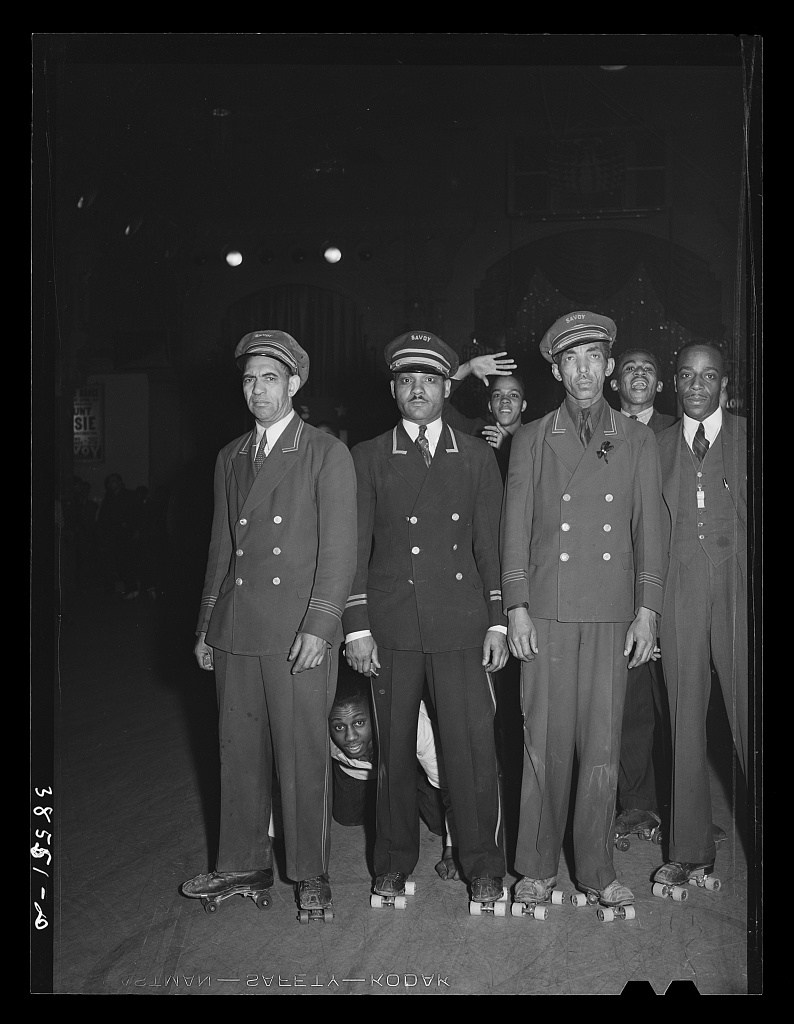
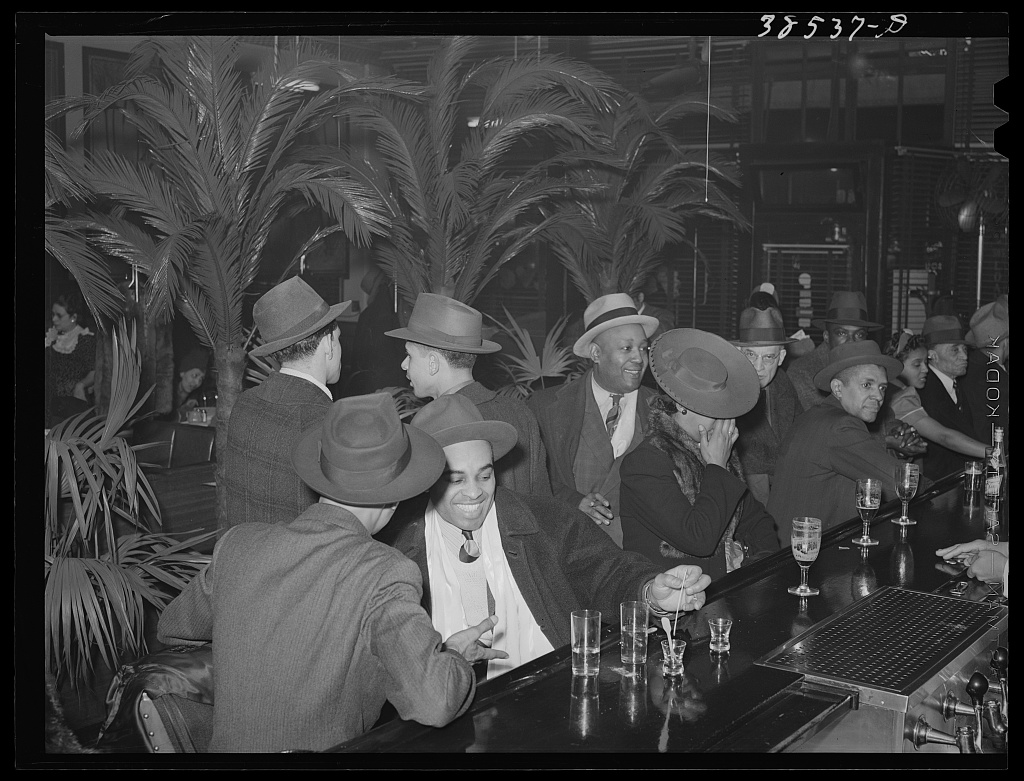
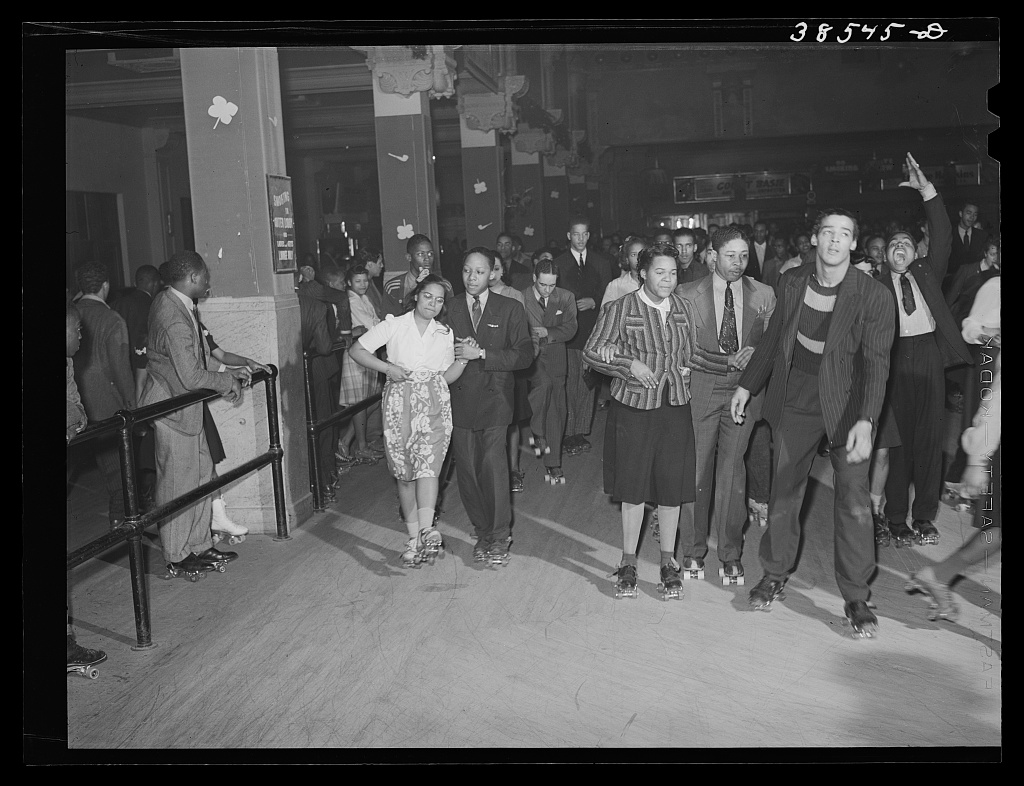
The archive in pictures
Black Chicago’s musical record, kept frame by frame. Photographs from the CultureTechLens research record — rights-cleared, credited, and cited like everything else here.
Trust & evidence
Evidence before authority. CultureTechLens publishes its methods, its limits, and its corrections alongside its findings. Claims carry grades — VERIFIED, SUPPORTED, PROVISIONAL, DISPUTED, UNRESOLVED — and unknowns are never reported as zero.
Every claim graded. Every source named. Every correction public — see the corrections log.