 CULTURETECHLENS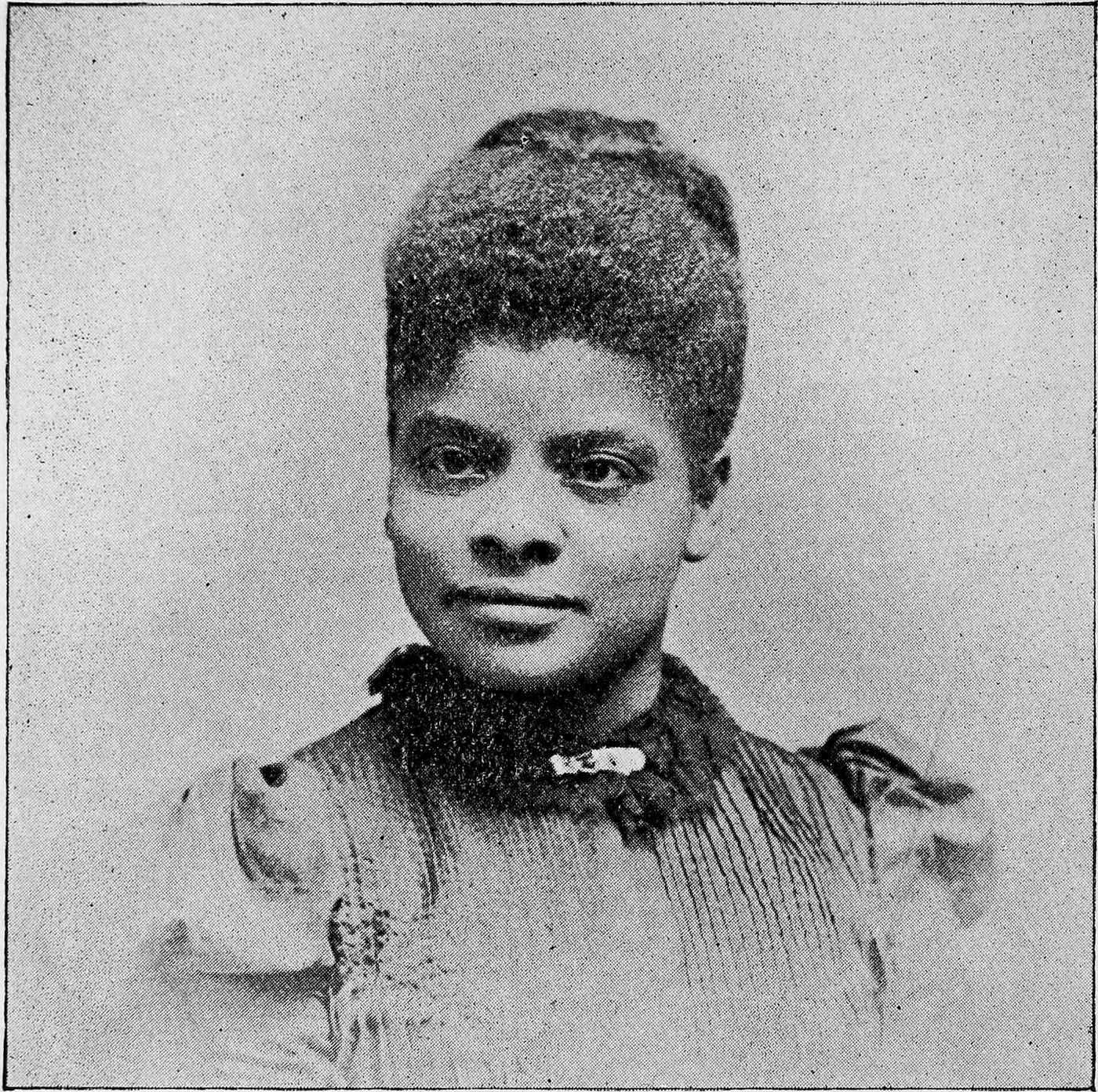
Photo: Public Domain (from ‘Women of Distinction,’ 1893), via Wikimedia Commons
Lost Black Archives: A Timeline
Dated, sourced losses from the Black Memory Emergency — the working paper (DOI 10.5281/zenodo.23173585) distilling CTL-DR-PRESERVE-001, a research synthesis across 84 collections, 119 entities, 70 timeline events, and 304 sources.
Losses are listed with their evidence grades. Rescues are listed too — they show the pattern can be broken.
The timeline
- 1918–1948. Oscar Micheaux directs more than forty features, the foundation of Black independent cinema. Roughly thirty titles are lost entirely; about ten survive, several as single incomplete prints on actively decomposing nitrate stock.
- 1966. Vee-Jay Records’ masters pass through a bankruptcy into undocumented custody. More than 5,000 master tapes remain unlocated today.
- 2001. Teenie Harris’s roughly 80,000 negatives are bought by the Carnegie Museum of Art from the family — three years after his death. A rescue, and a measure of how close the loss came.
- 2005. Eyes on the Prize begins returning to circulation after roughly a decade vanished over expired music licenses — $850,000 in Ford and Gilder foundation grants to start renewing rights.
- 2008. The Chess Records masters are destroyed.
- 2011. The DJ Screw Collection: donated by his father, now cataloged and partially digitized at the University of Houston Libraries. A rescue by documented action.
- 2013. The Mother Bethel AME records move to the Presbyterian Historical Society for climate-controlled storage; digitized by 2021. A rescue by documented action.
- 2017. Vine shuts down — years of Black digital expression on a platform with no archive.
- 2018. Tumblr purges adult content, breaking vast stretches of Black queer and creative community archives.
- 2019. The Johnson Publishing Company archive — four million-plus images of Black American life — reaches a bankruptcy auction and is saved by a four-foundation consortium for just under $30 million. Same year: MySpace loses all 2003–2015 uploads, roughly 50 million songs, in a server migration. Whether accident or cost-cutting is DISPUTED; the loss is not.
- 2022. 140,000-plus Illinois burial records are rescued by a ten-person community team with the Illinois Comptroller and the Bronzeville Historical Society. A rescue by documented action.
- 2023. Twitter’s API paywall breaks the dominant research infrastructure for Black digital expression. Pew measured the decay: 18 percent of 2020–2022 #BlackLivesMatter tweets were already gone by 2023.
- 2024. MTV News’s archive is wiped. The King and King funeral-home records are recovered in September, before demolition. Knoxville College’s historic building burns in November; the institutional records’ custody is undocumented (PROVISIONAL).
- 2025. Photographer John Simmons’s life-work negatives burn in a friend’s garage during a move (PROVISIONAL, single-source). BlackPast.org founder Quintard Taylor dies, leaving a donation-funded budget his own site says “cannot keep pace.” John Duke Kisch’s 37,000-item Separate Cinema Archive is acquired by the Lucas Museum — a rescue, because someone acted before the worst stage.
- September 2026. BET Digital permanently deletes its entire written news archive in a “video-first pivot” under Paramount — no warning, writers losing the only copies of their work. Years of Black journalism, gone with a strategy memo.
What the pattern says
Corporate-held Black memory is revocable memory: what a balance sheet can move, a strategy memo can delete. Private collections are the most time-sensitive risk class — estates disperse, garages burn, hard drives die, most often with no succession plan. And the single highest-leverage intervention is not acquisition or digitization. It is cataloging: the AFRO-American Newspapers chain archive — three million photographs, 130 years of a family-owned Black press — sits in storage with about five percent processed.
Read the full paper: The Black Memory Emergency (open access, CC BY 4.0). Learn what you can do: How to Preserve Your Family Archive.
Source: CultureTechLens
From the Archive
The archive in pictures
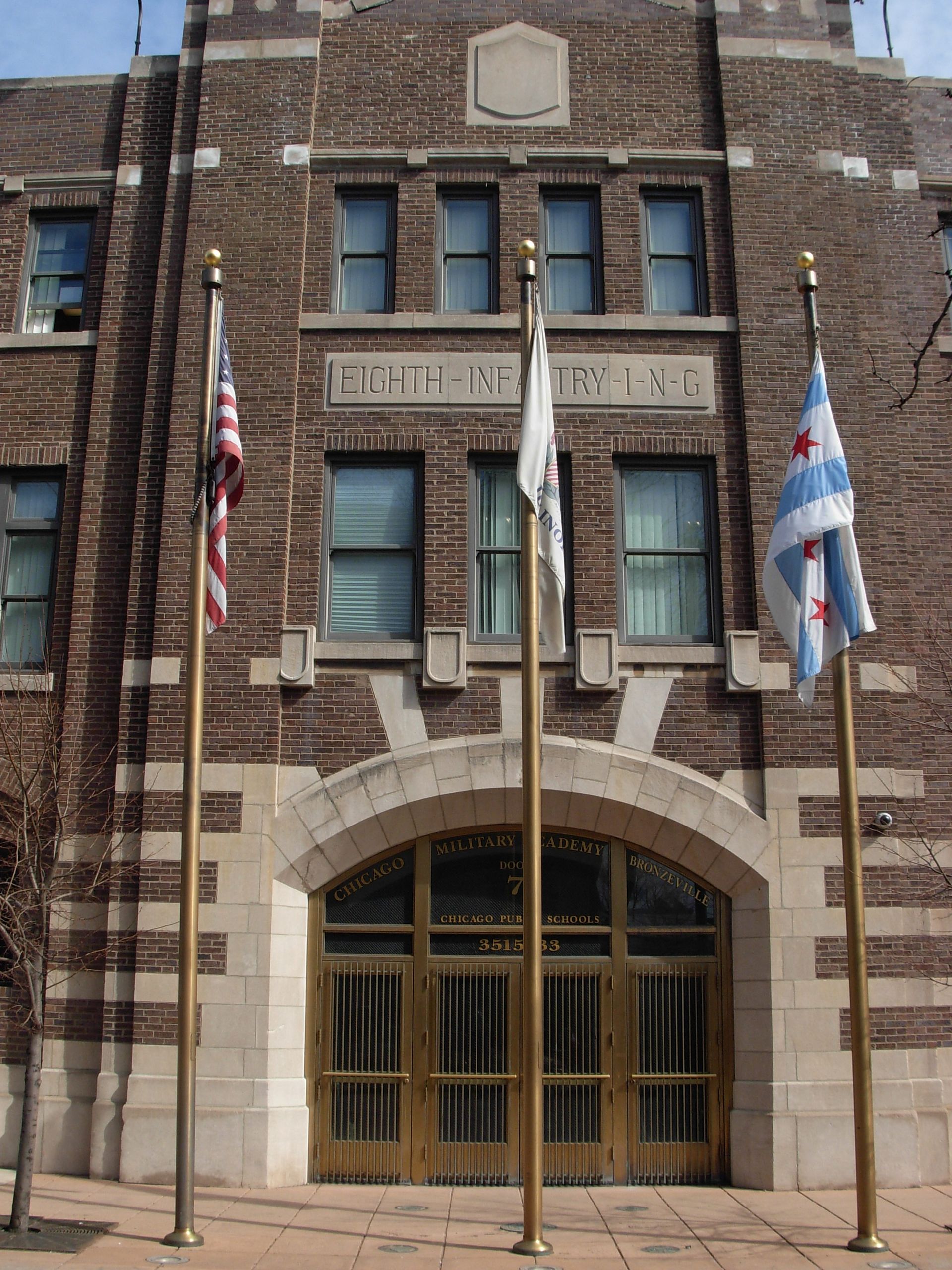
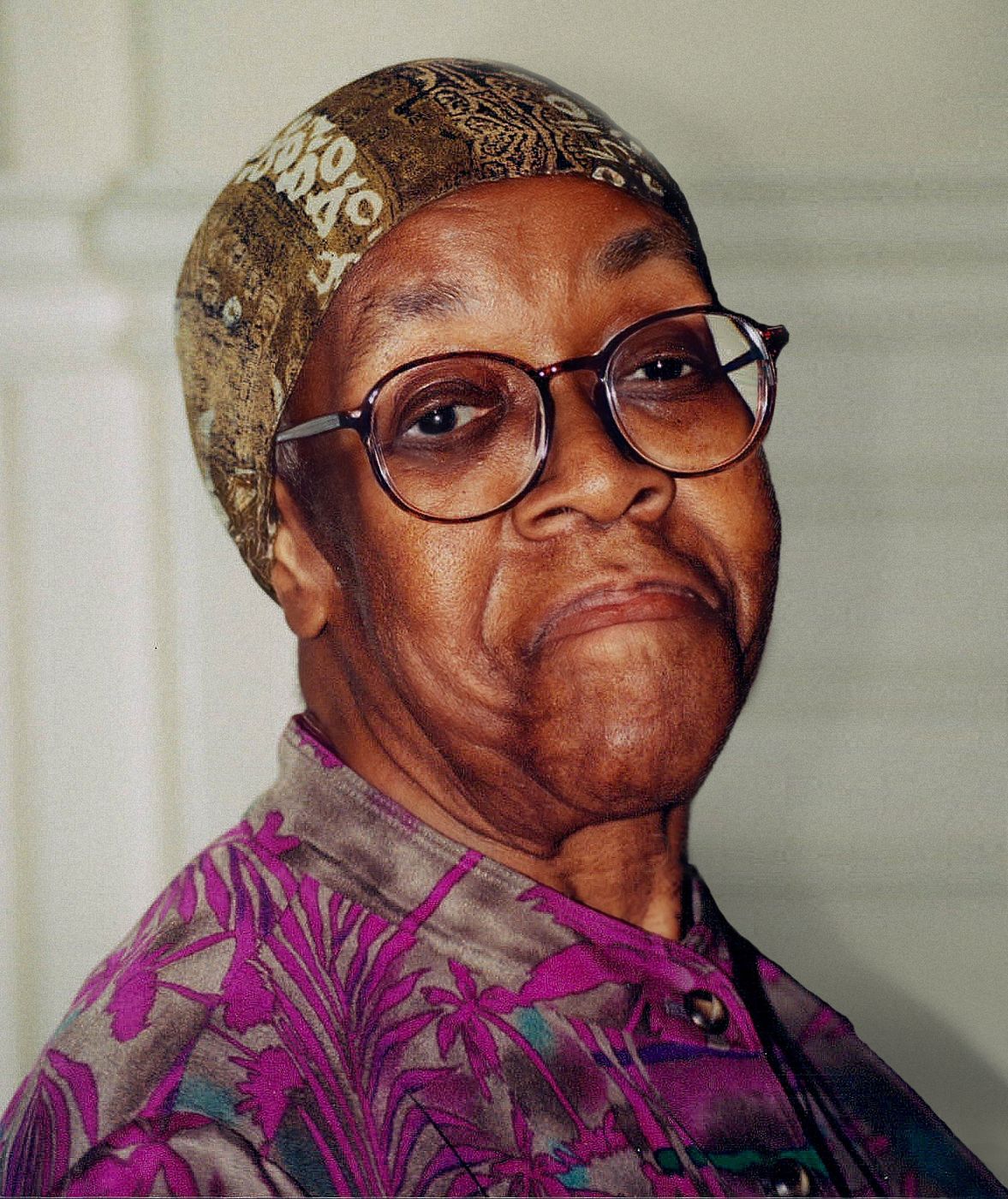
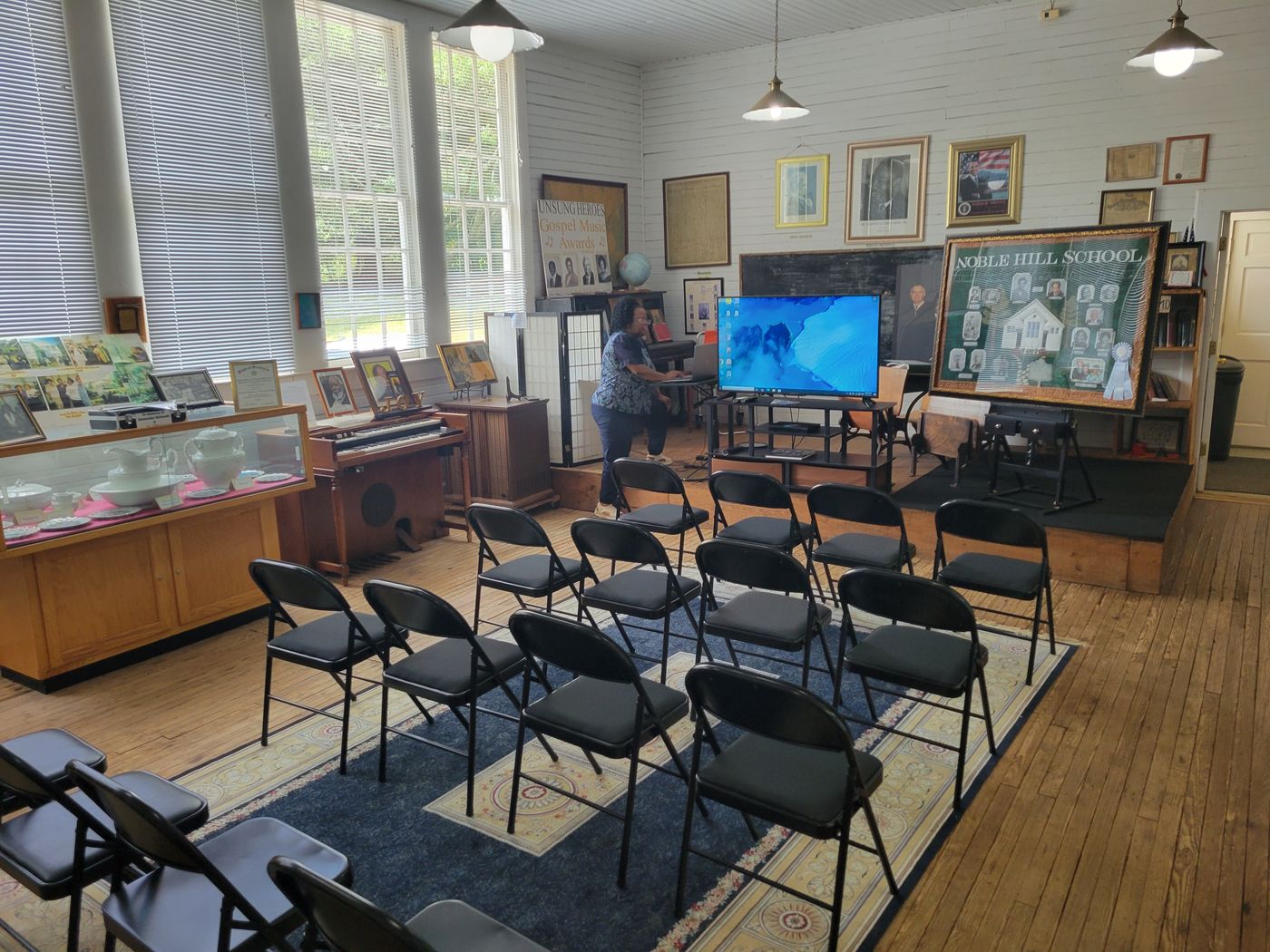
Where the learning happened — and who kept it. Photographs from the CultureTechLens research record — rights-cleared, credited, and cited like everything else here.
Trust & evidence
Evidence before authority. CultureTechLens publishes its methods, its limits, and its corrections alongside its findings. Claims carry grades — VERIFIED, SUPPORTED, PROVISIONAL, DISPUTED, UNRESOLVED — and unknowns are never reported as zero.
Every claim graded. Every source named. Every correction public — none to date.