 CULTURETECHLENS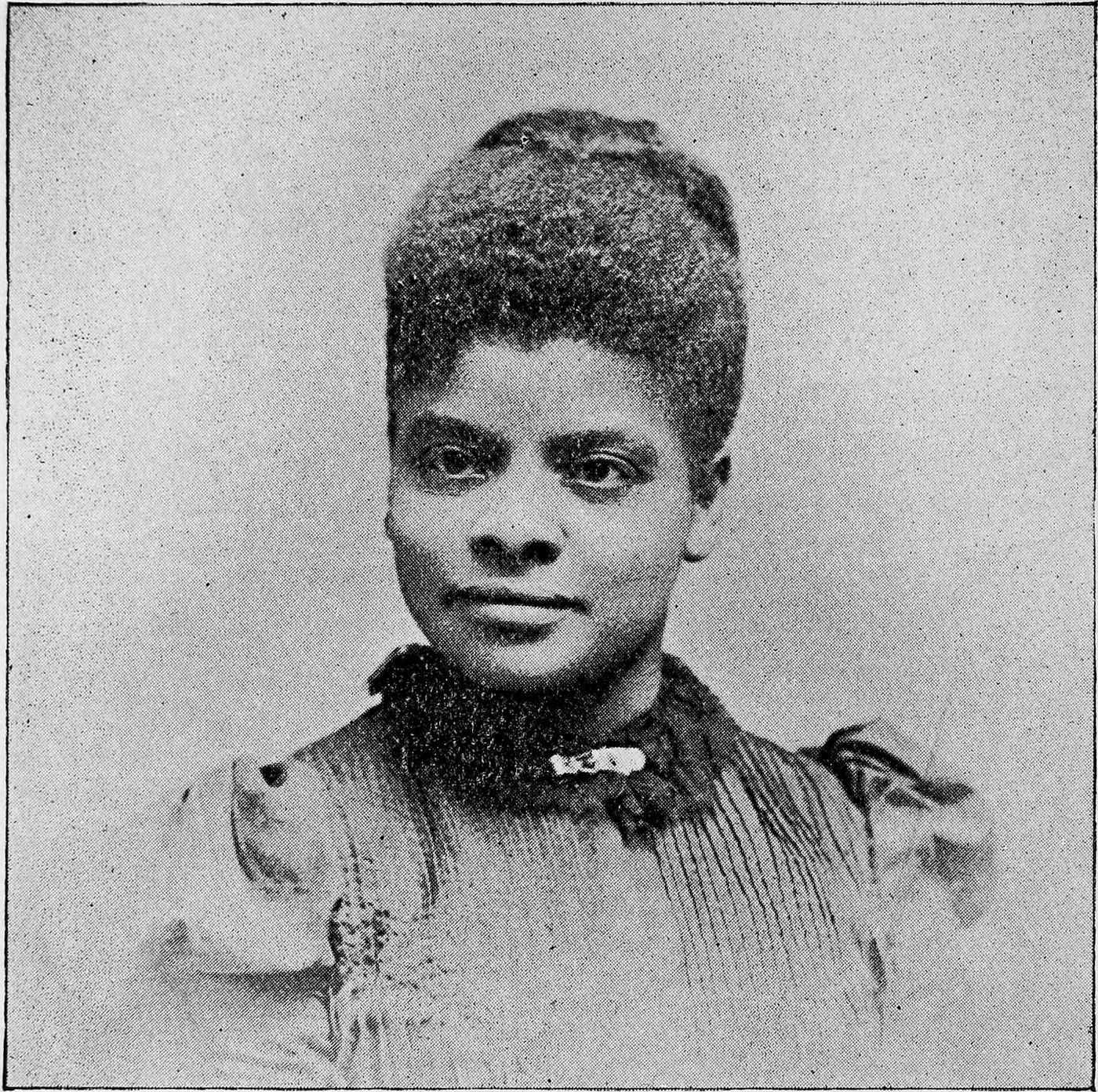
Photo: Public Domain (from ‘Women of Distinction,’ 1893), via Wikimedia Commons
How to Preserve Your Family Archive
Practical steps, distilled from the Black Memory Emergency — because the paper’s hardest finding is that most loss happens after collecting, in living rooms and garages, not in institutions.
Start today: the six moves
1. Name and date everything
The highest-leverage intervention in the entire preservation system is not acquisition or digitization — it is cataloging. Write names, dates, and places on the back of every photograph, in pencil. Label every folder. The Baltimore Collection arrived as 53 “found objects” — no photographers, no sitters, no dates, no provenance. Unlabeled material is material halfway to lost.
2. Ask the stories down while the tellers are here
Private collectors are the most time-sensitive risk class because the threat is actuarial: estates disperse, and they do so most often with no succession plan. Record the elders — phone audio is fine — naming the people in the photographs. A name spoken once beats a face guessed at forever.
3. Make a succession plan, in writing
Decide now who gets the archive and tell them. Octogenarian photojournalists hold personal negative archives with no documented succession; that silence is itself the risk. A one-page letter — these boxes go to this person; here is what they are — costs nothing and outlives everyone.
4. Digitize, and keep the originals
Scan photographs at 600 dpi or better; back up in two places, one of them off-site or in the cloud. But keep the originals: a scan is a copy, and platforms delete. MySpace lost 50 million songs in one migration; BET Digital’s news archive vanished with a strategy memo. Your hard drive is not an archive. Two copies in two places is the minimum.
5. Store like it matters
Cool, dry, dark, off the floor. Attics cook; basements flood. John Simmons’s life-work negatives burned in a friend’s garage during a move. Archival boxes are cheap; the photographs are not replaceable.
6. Know your options before you need them
If the collection outgrows the family, you have choices — and choosing early is what makes rescues work. The Teenie Harris negatives survived because the Carnegie Museum of Art bought them from the family. The DJ Screw Collection was donated by his father to the University of Houston Libraries. The JPC archive was saved by a four-foundation consortium at auction. Talk to a local historical society, a university special-collections library, or CultureTechLens about documentation — before the worst stage, not after.
What not to do
- Don’t throw away the “duplicates” — the back of the print often holds the only date.
- Don’t trust a single platform — corporate-held memory is revocable memory.
- Don’t wait for the perfect system — a labeled shoebox beats an unlabeled hard drive.
Frequently asked
Is my family collection “historical” enough to matter?
Yes. The paper’s corpus is full of first-order evidence that lived in private hands: funeral-home records, photojournalist negatives, church basements. If it documents Black life, it belongs in the record.
Should I donate everything to an institution?
Not necessarily. External custody is one option among others, never the default. Family and community stewardship is the norm — the goal is that the material survives and can be found, wherever it lives.
What about rights — can I share old photographs?
Rights uncertainty is the top practical barrier the paper found: 33 of 84 mapped collections carry undocumented rights status. Keep what you know about who took the photograph and when; that documentation is what makes future use possible. When in doubt, document — don’t delete.
Go deeper: Lost Black Archives: A Timeline — what was lost, and what the rescues teach.
Source: CultureTechLens
From the Archive
The archive in pictures
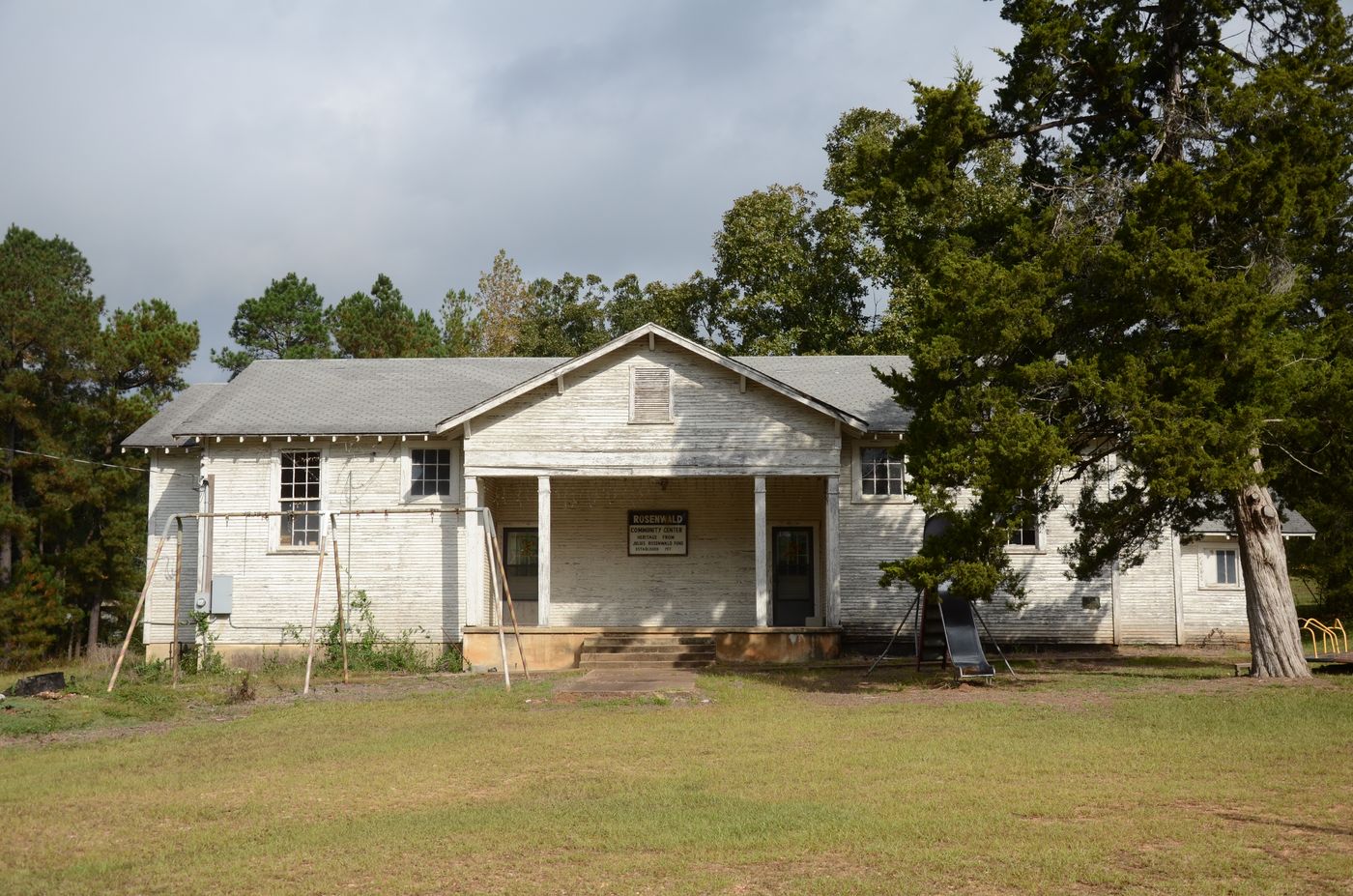
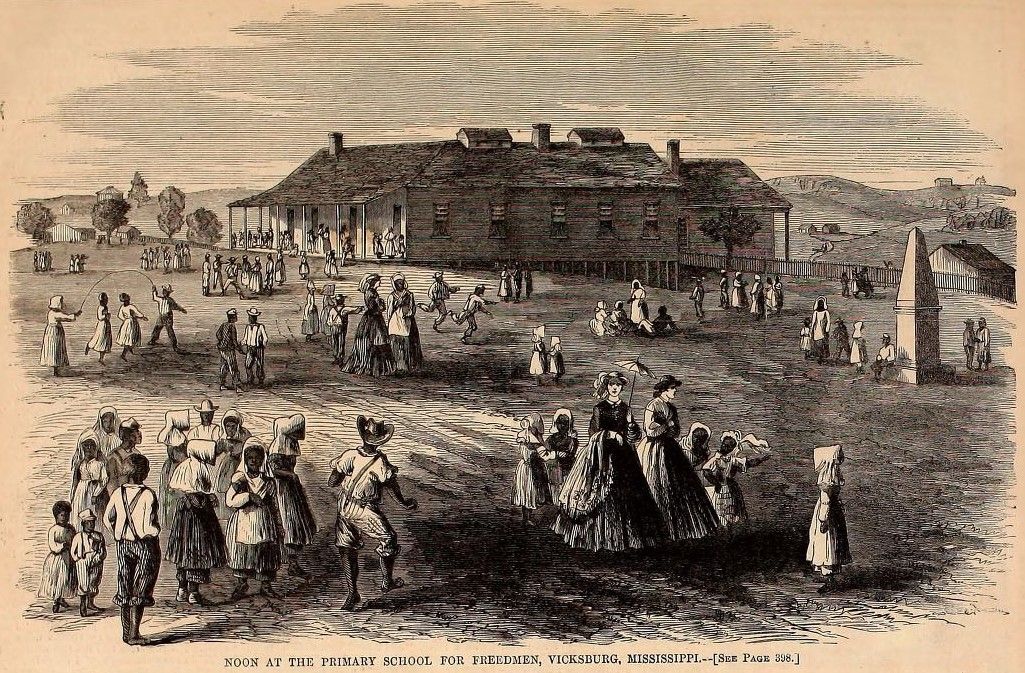
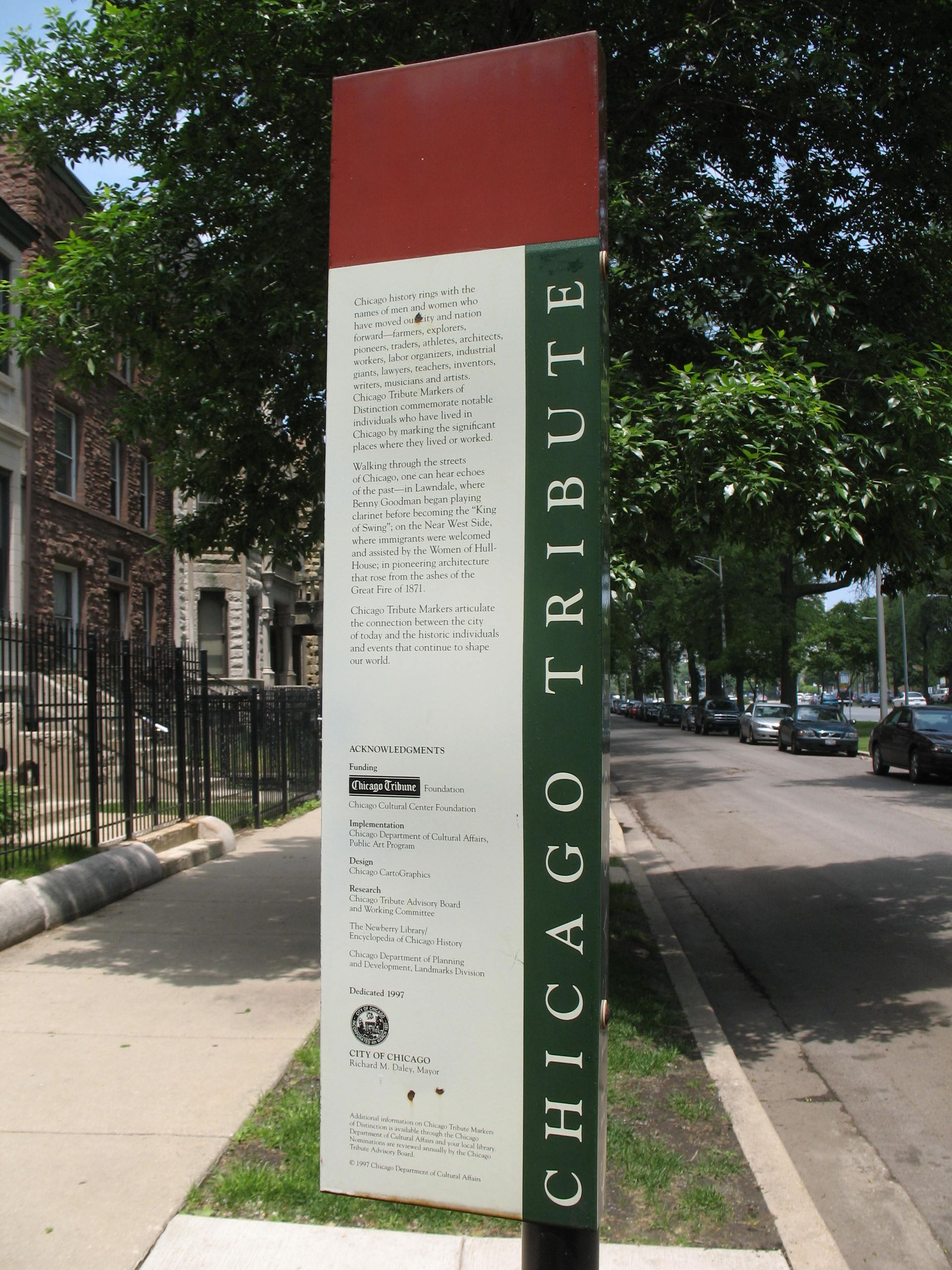
Where the learning happened — and who kept it. Photographs from the CultureTechLens research record — rights-cleared, credited, and cited like everything else here.
Trust & evidence
Evidence before authority. CultureTechLens publishes its methods, its limits, and its corrections alongside its findings. Claims carry grades — VERIFIED, SUPPORTED, PROVISIONAL, DISPUTED, UNRESOLVED — and unknowns are never reported as zero.
Every claim graded. Every source named. Every correction public — none to date.