 CULTURETECHLENS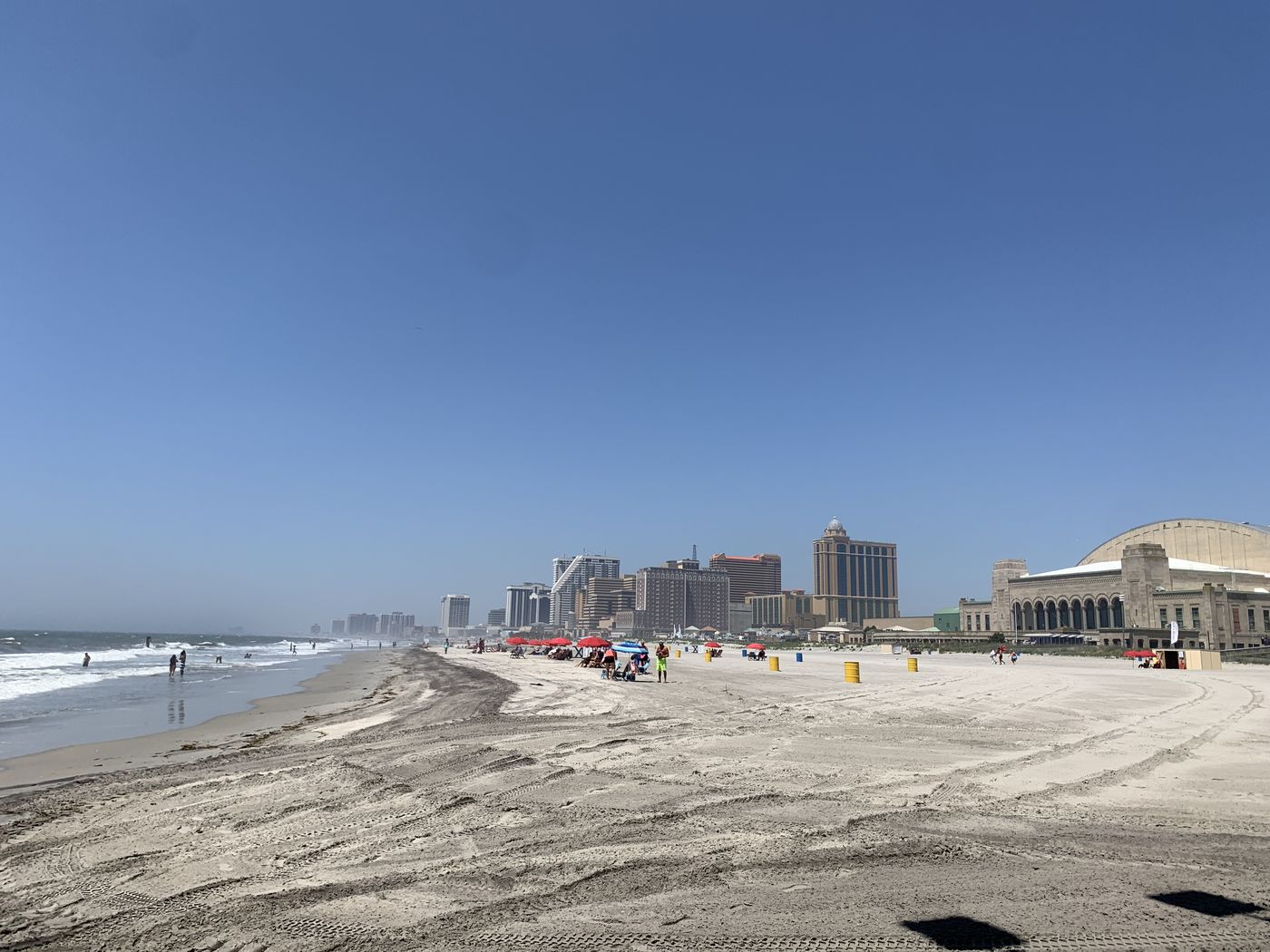
Photo: LittleT889, CC BY-SA 4.0, via Wikimedia Commons
29th Street Beach
CTL Thin Brief · CTL-TB-000044 · Published 2026-10-09
Thin Brief — a short evidence sketch, not a full research brief.
How did a lakefront crossing trigger the 1919 Chicago Race Riot?
On a hot July Sunday in 1919, a Black teenager drifted across an invisible color line in the water — and Chicago exploded. The beach is where the riot began. SUPPORTED
Key facts
- Eugene Williams drowned at the 29th Street Beach on July 27, 1919, setting off the Chicago Race Riot of 1919, as recorded in the CTL graph's Address entity. VERIFIED
- Chicago's beaches were effectively segregated by custom in 1919, and Williams had crossed into waters claimed by white beachgoers. SUPPORTED
- The riot — among the bloodiest of the Red Summer — reshaped Black Chicago's geography and the politics of the Black Belt. SUPPORTED
- Smithsonian Magazine's account, cited in the CTL graph, documents the beach as the flashpoint of the violence. SUPPORTED
Sources
- Smithsonian Magazine — To Remember the Chicago Race Riot of 1919
- CultureTechLens knowledge graph — 29th Street Beach
- Encyclopedia of Chicago — 1919 Race Riot
Evidence grades: VERIFIED — strong primary or multiple corroborating sources. SUPPORTED — credible, partly corroborated. PROVISIONAL — single source or general knowledge, uncorroborated.
Source: CultureTechLens
From the Archive
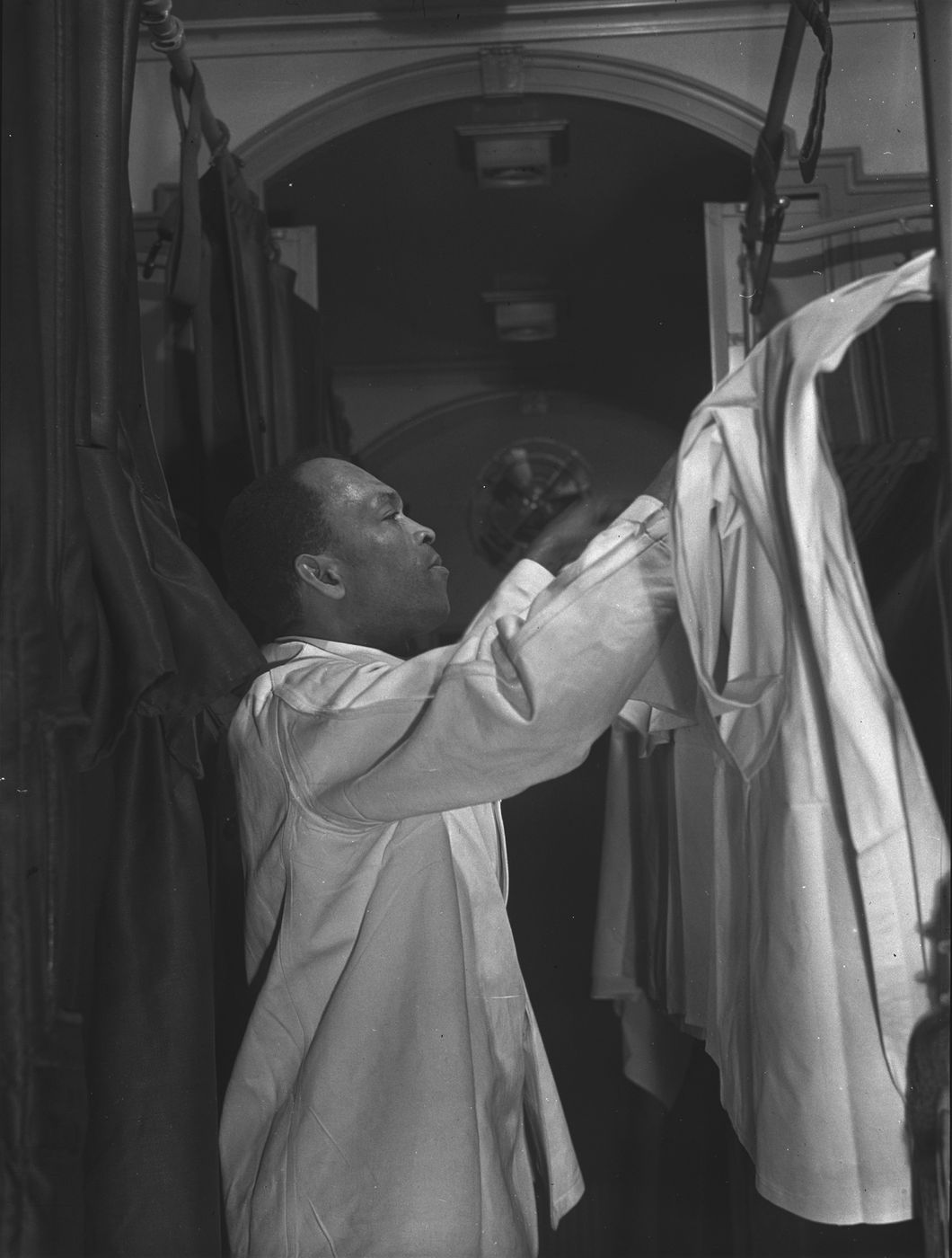
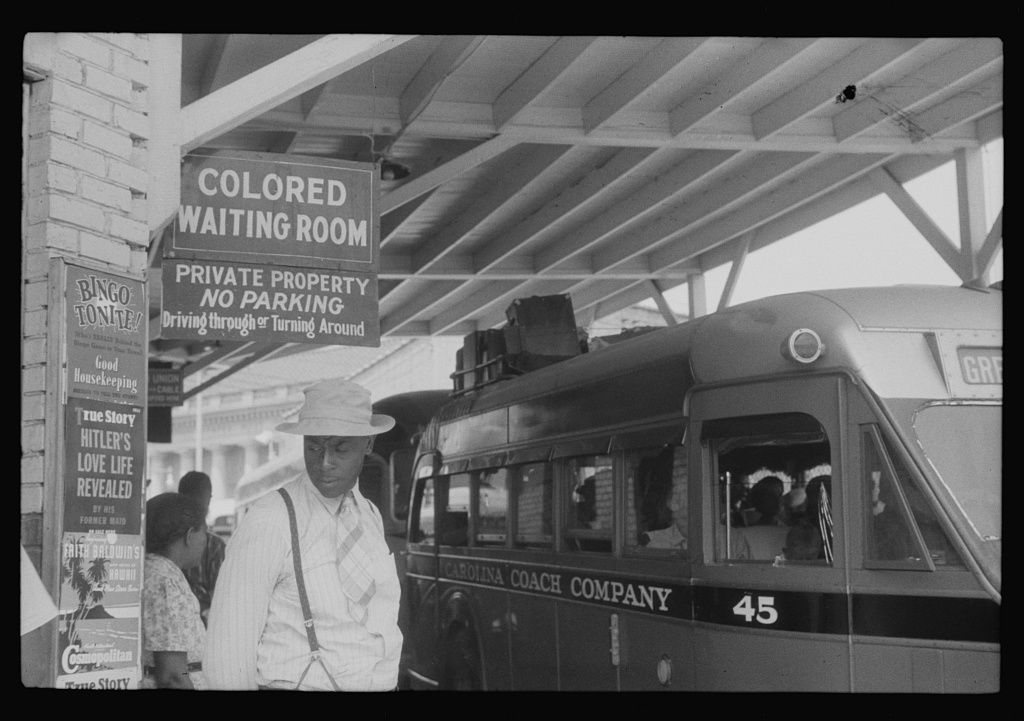
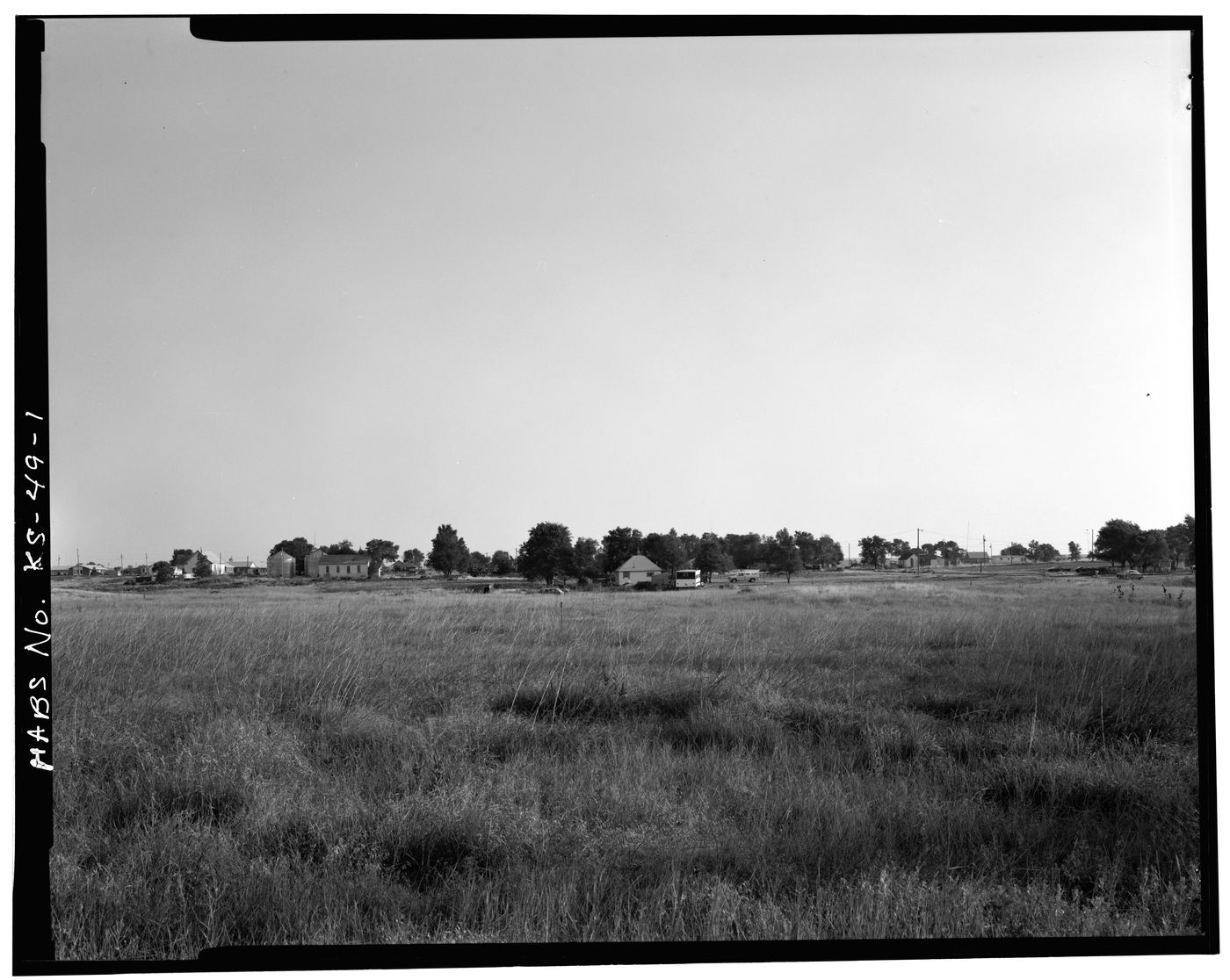
The archive in pictures
The roads out, the roads back, and the ground in between. Photographs from the CultureTechLens research record — rights-cleared, credited, and cited like everything else here.
Trust & evidence
Evidence before authority. CultureTechLens publishes its methods, its limits, and its corrections alongside its findings. Claims carry grades — VERIFIED, SUPPORTED, PROVISIONAL, DISPUTED, UNRESOLVED — and unknowns are never reported as zero.
Every claim graded. Every source named. Every correction public — see the corrections log.