 CULTURETECHLENS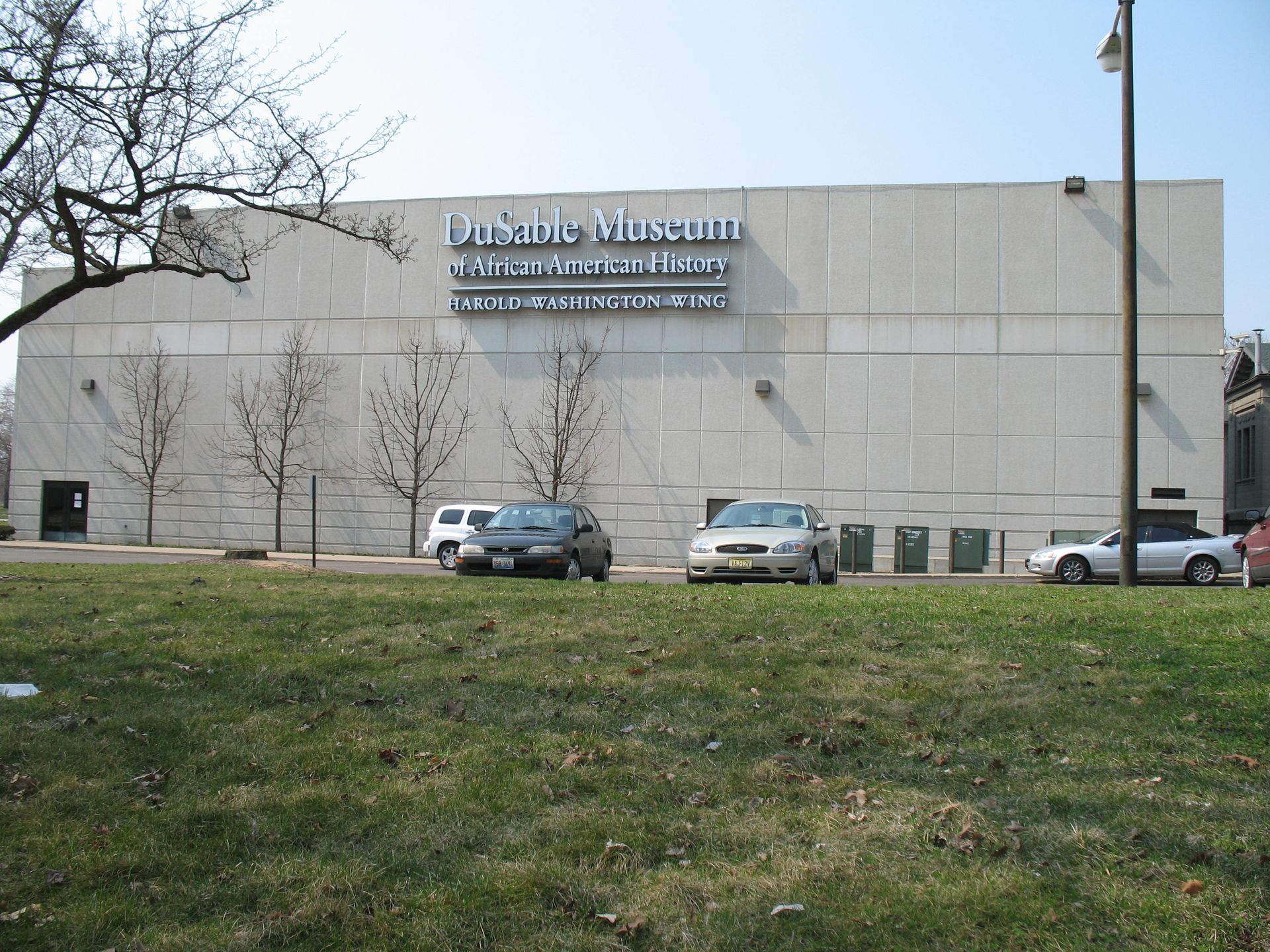
Photo: TonyTheTiger, CC BY-SA 3.0, via Wikimedia Commons
Hair as Practice
CTL Thin Brief · CTL-TB-000050 · Published 2026-10-09
Thin Brief — a short evidence sketch, not a full research brief.
How did hair become a weekly Black Chicago ritual?
Before the salon appointment there was the kitchen: a pressing comb on the stove, a mother or auntie working section by section, and hair as a skill passed hand to hand. PROVISIONAL
Key facts
- The home-based hair tradition — the pressing comb heated on the stove, the 'kitchen beautician' working in family kitchens — predates and persists alongside professional salons. PROVISIONAL
- Saturday hair routines tied to Sunday presentation made hair care a weekly domestic ritual, often stretching across an afternoon of washing, pressing, and styling. PROVISIONAL
- Do-it-yourself hair care functioned as economic strategy and skill transmission: daughters learned by watching, and the knowledge traveled through families, not schools. PROVISIONAL
- This brief treats hair as practice — the hands, the kitchen, the weekly routine — distinct from the beauty shop and barbershop as commercial institutions. PROVISIONAL
Sources
- Black women's history literature — hair care traditions
- Oral histories of South and West Side domestic life
- Cultural histories of Black beauty practices
Evidence grades: VERIFIED — strong primary or multiple corroborating sources. SUPPORTED — credible, partly corroborated. PROVISIONAL — single source or general knowledge, uncorroborated.
Source: CultureTechLens
From the Archive
The archive in pictures
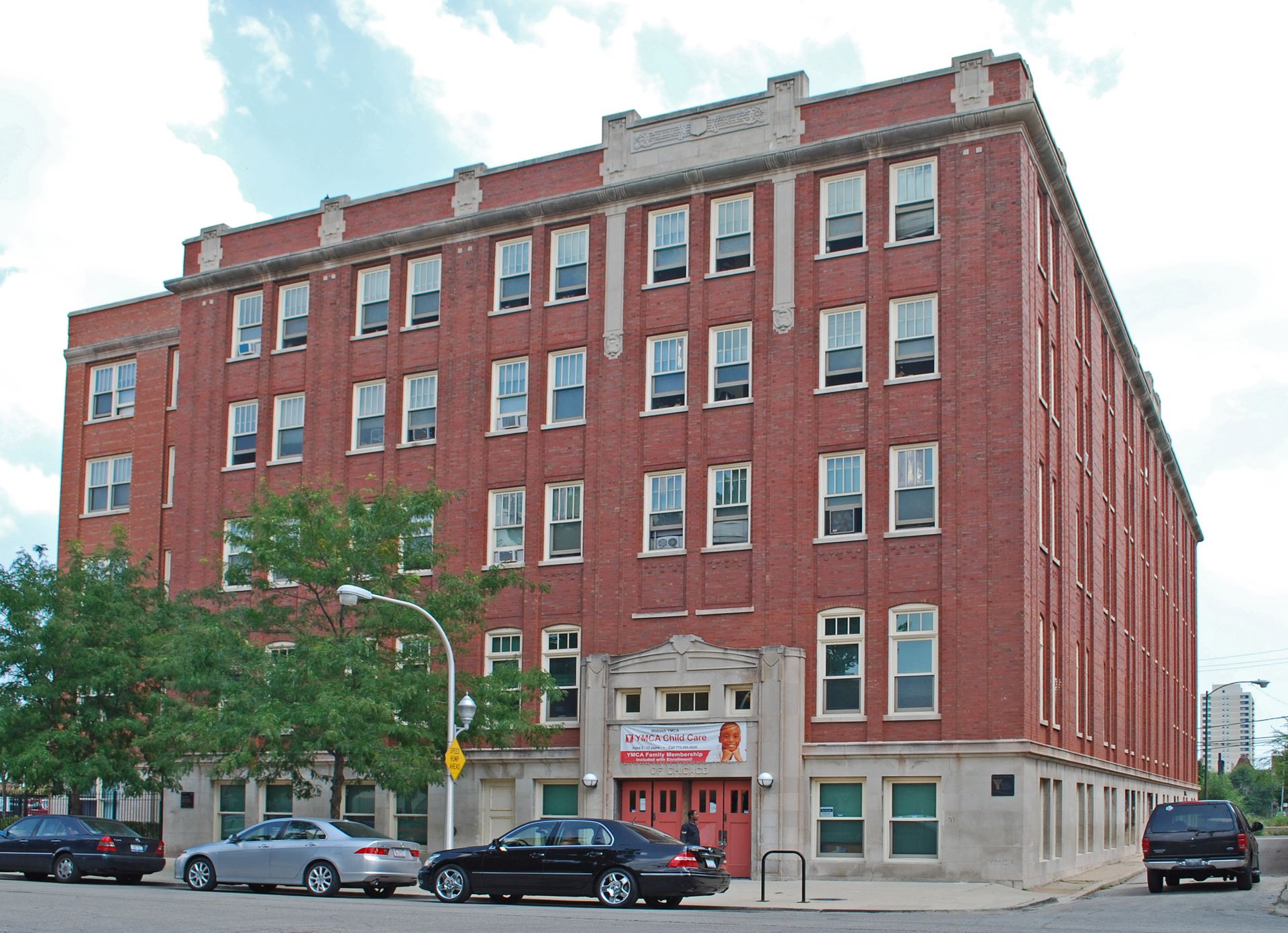
The people, places, and institutions this work documents. Photographs from the CultureTechLens research record — rights-cleared, credited, and cited like everything else here.


Trust & evidence
Evidence before authority. CultureTechLens publishes its methods, its limits, and its corrections alongside its findings. Claims carry grades — VERIFIED, SUPPORTED, PROVISIONAL, DISPUTED, UNRESOLVED — and unknowns are never reported as zero.
Every claim graded. Every source named. Every correction public — see the corrections log.