 CULTURETECHLENS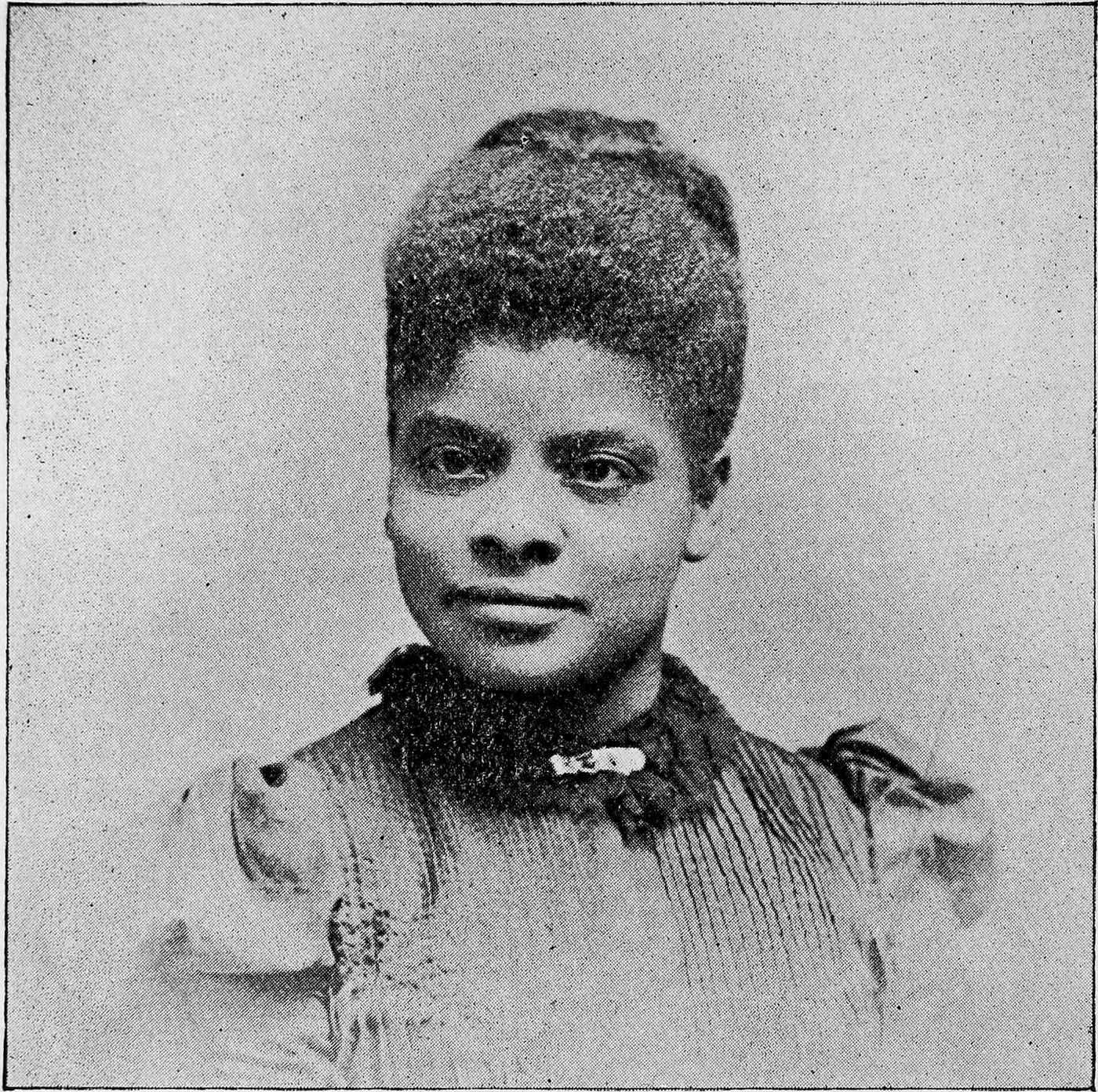
Photo: Public Domain (from ‘Women of Distinction,’ 1893), via Wikimedia Commons
Ida B. Wells
CTL Thin Brief · CTL-TB-000053 · Published 2026-10-09
Thin Brief — a short evidence sketch, not a full research brief.
How did Ida B. Wells turn journalism into a weapon against lynching?
Key facts
- Born into slavery in Mississippi in 1862, Wells documented lynchings through investigative reporting — her pamphlets Southern Horrors (1892) and The Red Record (1895) compiled and publicized cases white newspapers ignored. VERIFIED
- After a Memphis mob destroyed her newspaper office, she carried her anti-lynching campaign to Chicago, where she lived and organized for the rest of her life. SUPPORTED
- In Chicago she founded the Alpha Suffrage Club (1913), organized against segregated schools, and helped found the NAACP and the National Association of Colored Women. SUPPORTED
- Her Chicago home at 3624 S. Dr. Martin Luther King Jr. Drive is a designated Chicago Landmark; the Ida B. Wells-Barnett House and her national monument mark her legacy. VERIFIED
Sources
- DuSable Museum of African American History archives
- Encyclopedia of Chicago (Chicago History Museum)
- City of Chicago — Chicago Landmark designation, Ida B. Wells-Barnett House
Evidence grades: VERIFIED — strong primary or multiple corroborating sources. SUPPORTED — credible, partly corroborated. PROVISIONAL — single source or general knowledge, uncorroborated.
Source: CultureTechLens
From the Archive
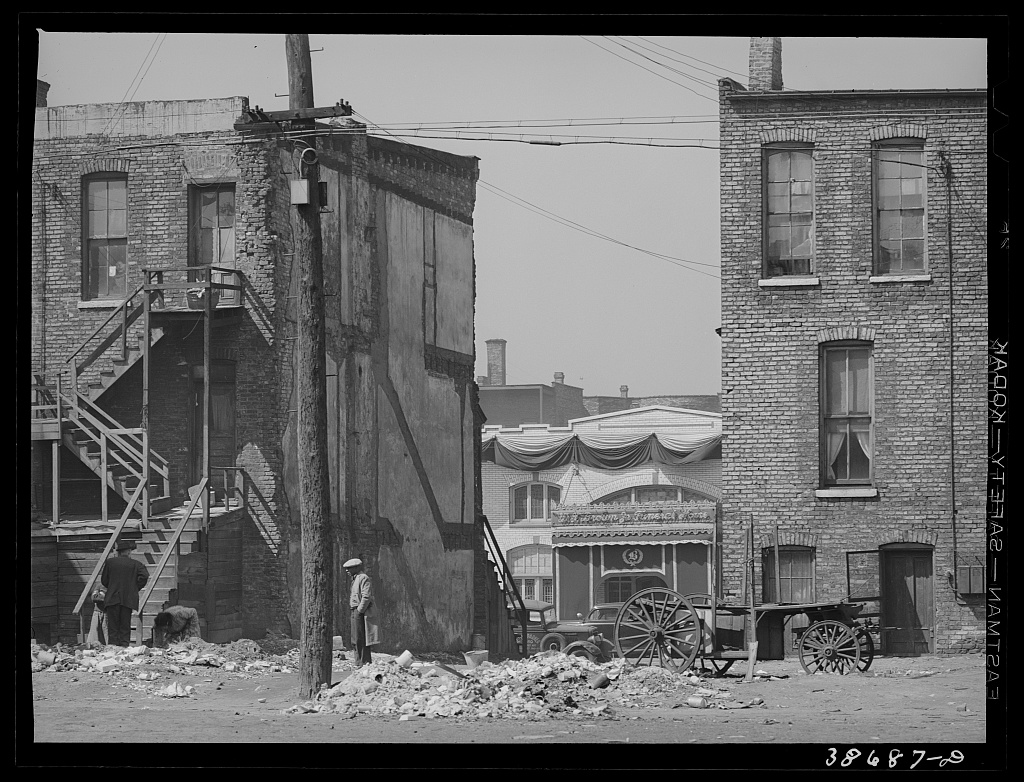
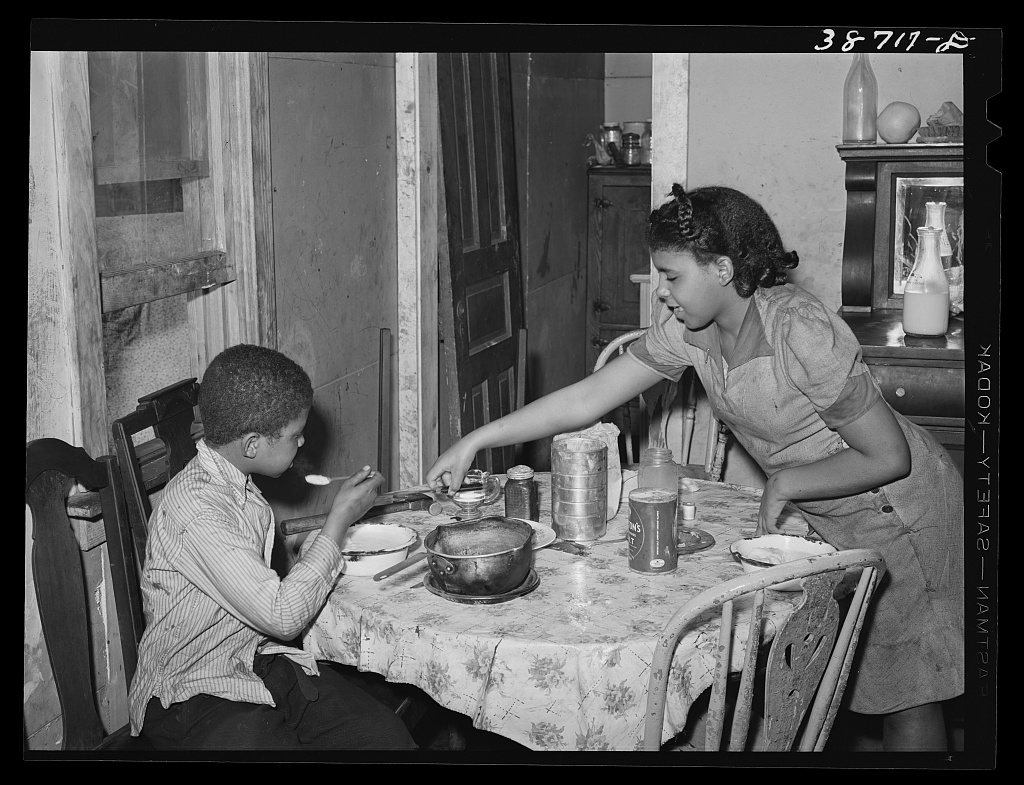
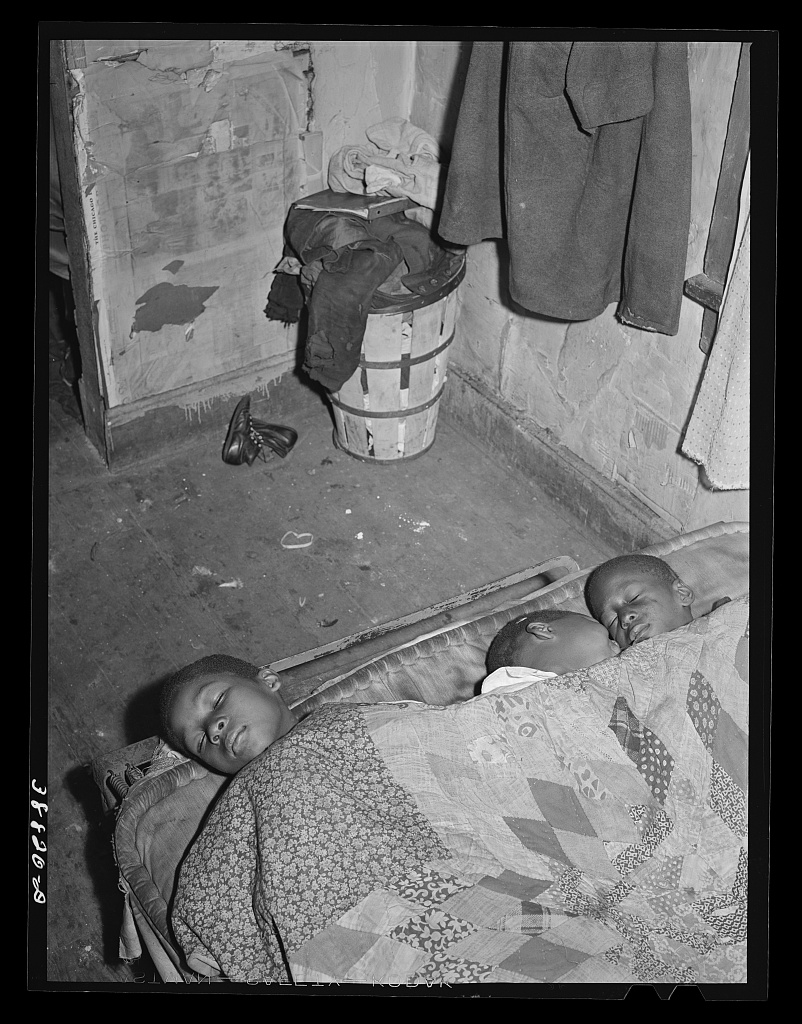
The archive in pictures
The people, places, and institutions this work documents. Photographs from the CultureTechLens research record — rights-cleared, credited, and cited like everything else here.
Trust & evidence
Evidence before authority. CultureTechLens publishes its methods, its limits, and its corrections alongside its findings. Claims carry grades — VERIFIED, SUPPORTED, PROVISIONAL, DISPUTED, UNRESOLVED — and unknowns are never reported as zero.
Every claim graded. Every source named. Every correction public — see the corrections log.