 CULTURETECHLENS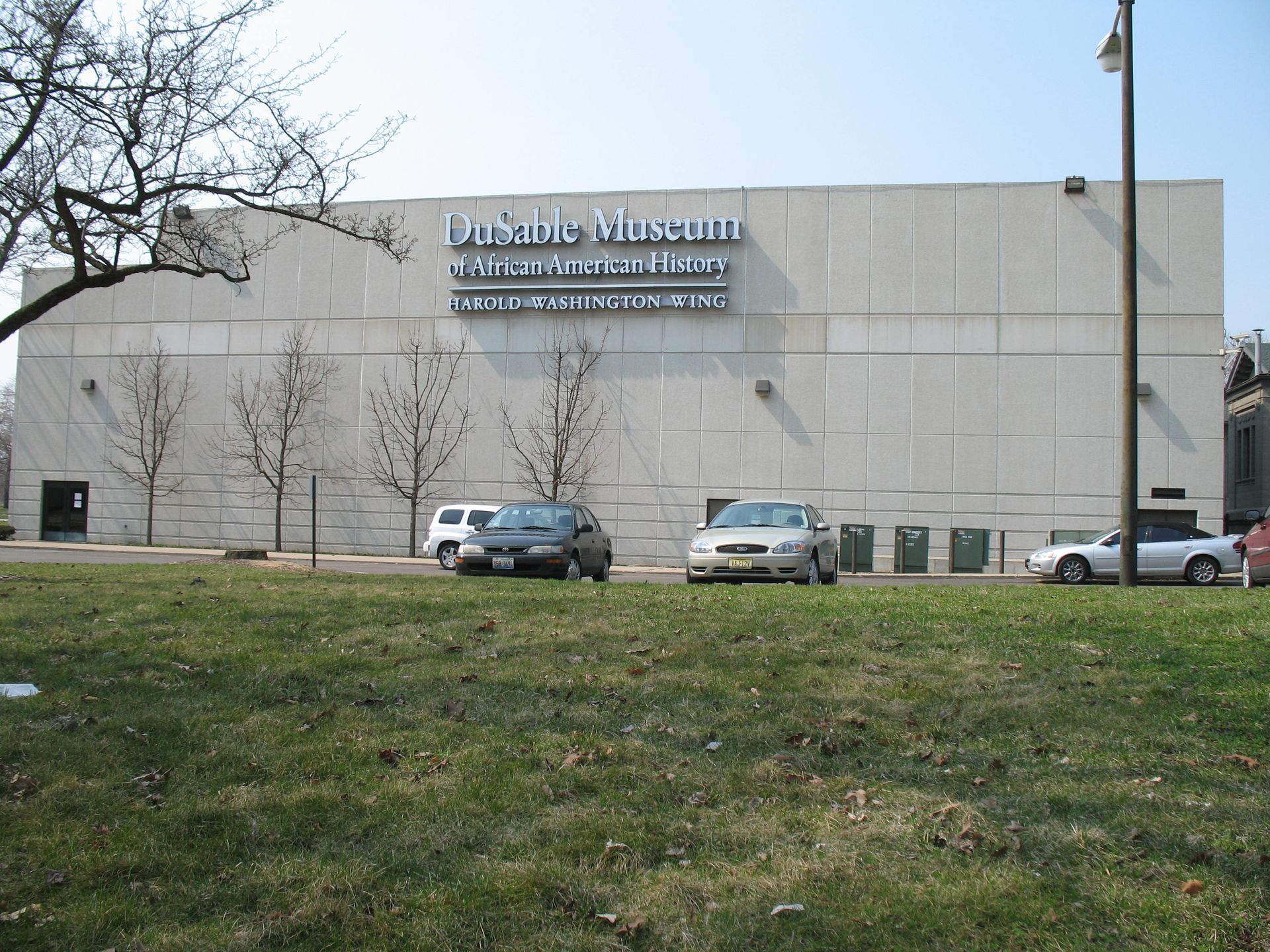
Photo: TonyTheTiger, CC BY-SA 3.0, via Wikimedia Commons
Bishop Arthur M. Brazier
CTL Thin Brief · CTL-TB-000065 · Published 2026-10-09
Thin Brief — a short evidence sketch, not a full research brief.
How did a pastor become Woodlawn's most persistent developer?
Key facts
- Brazier led the Apostolic Church of God on Chicago's South Side for decades, building one of the city's largest Pentecostal congregations. VERIFIED
- Through the church and affiliated organizations, he drove housing and commercial redevelopment in Woodlawn when the neighborhood faced disinvestment. SUPPORTED
- He was a prominent civic broker — advising mayors, leading clergy coalitions, and pressing for Black economic inclusion in city policy. SUPPORTED
- His son, Dr. Byron T. Brazier, succeeded him as pastor in 2008, continuing the church's institutional line. VERIFIED
Sources
- Apostolic Church of God records
- Chicago Tribune retrospective coverage
Evidence grades: VERIFIED — strong primary or multiple corroborating sources. SUPPORTED — credible, partly corroborated. PROVISIONAL — single source or general knowledge, uncorroborated.
Source: CultureTechLens
From the Archive
The archive in pictures
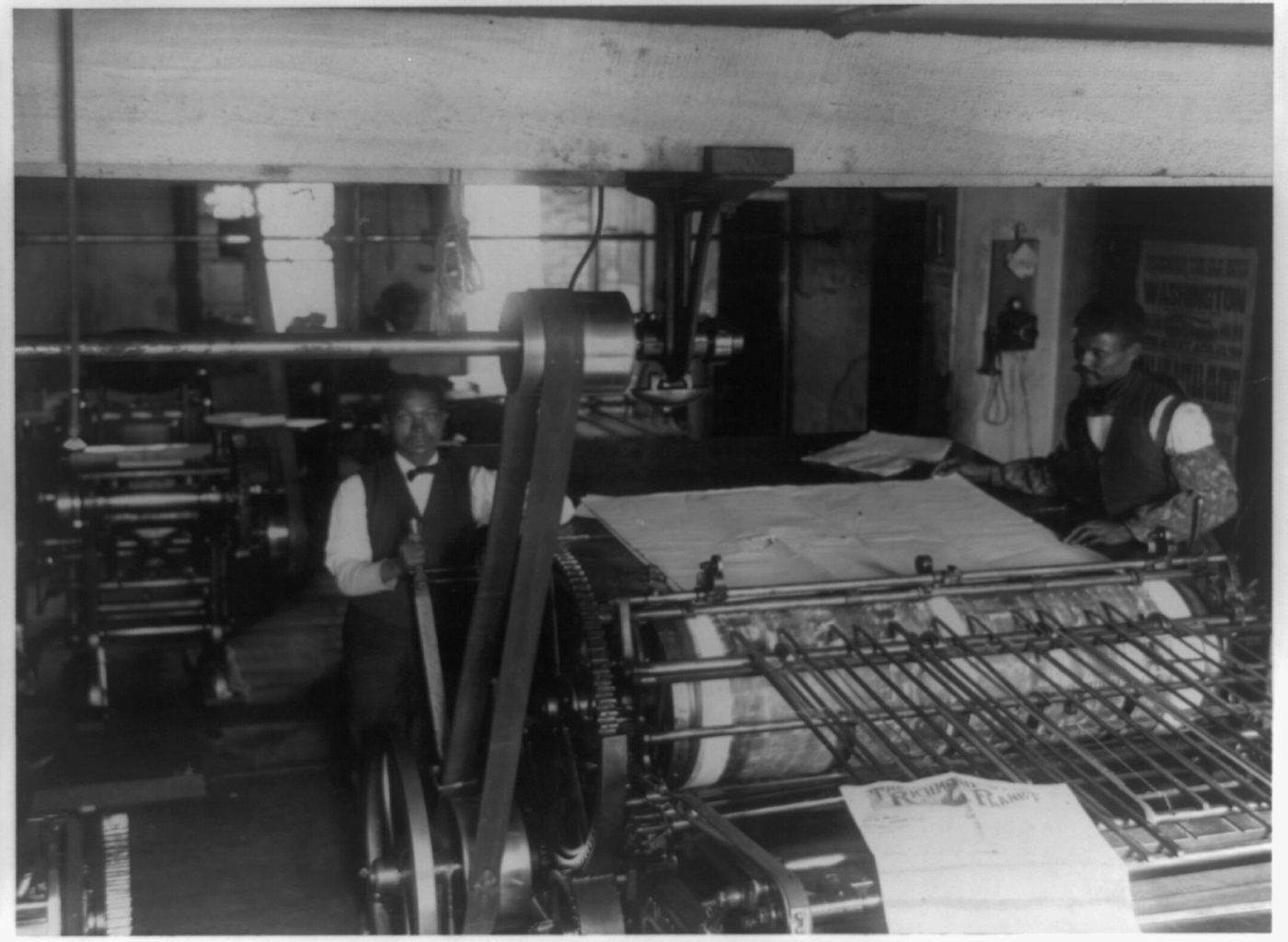
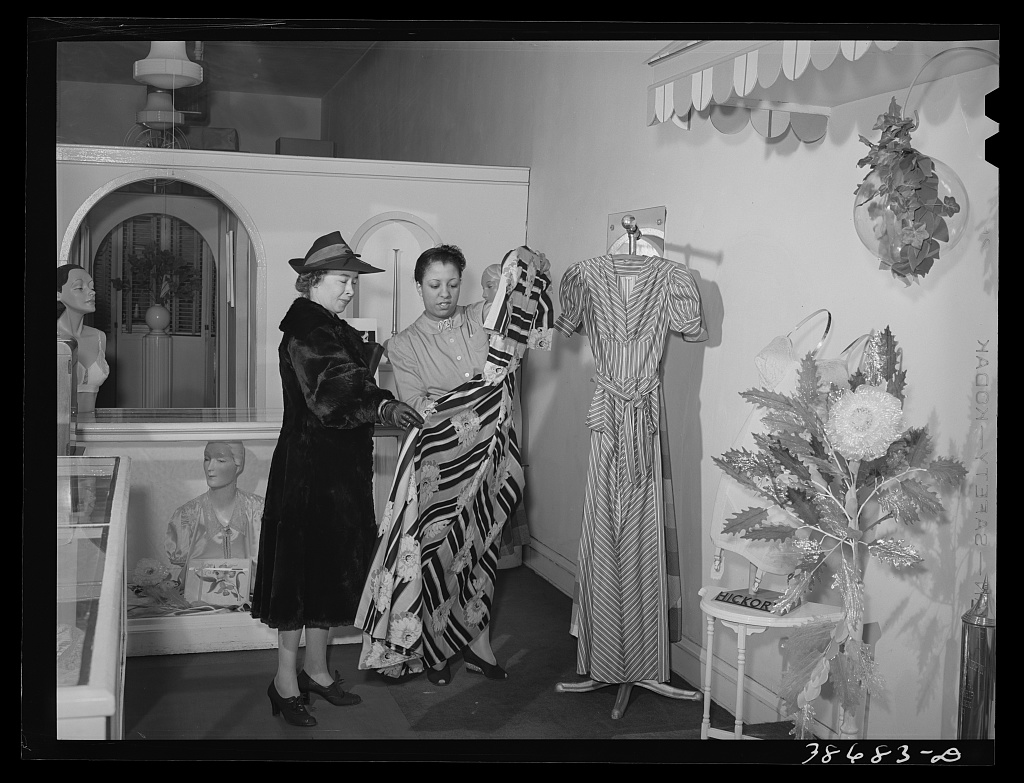
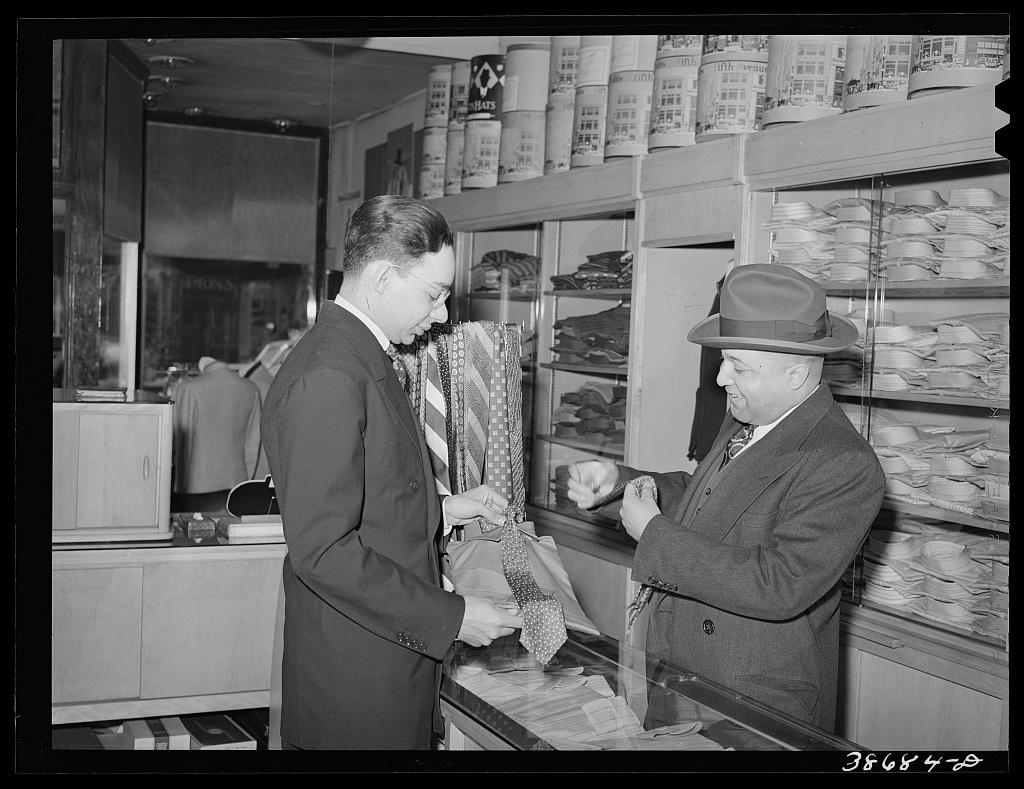
Black enterprise — the shops, banks, and trades that built it. Photographs from the CultureTechLens research record — rights-cleared, credited, and cited like everything else here.
Trust & evidence
Evidence before authority. CultureTechLens publishes its methods, its limits, and its corrections alongside its findings. Claims carry grades — VERIFIED, SUPPORTED, PROVISIONAL, DISPUTED, UNRESOLVED — and unknowns are never reported as zero.
Every claim graded. Every source named. Every correction public — see the corrections log.