 CULTURETECHLENS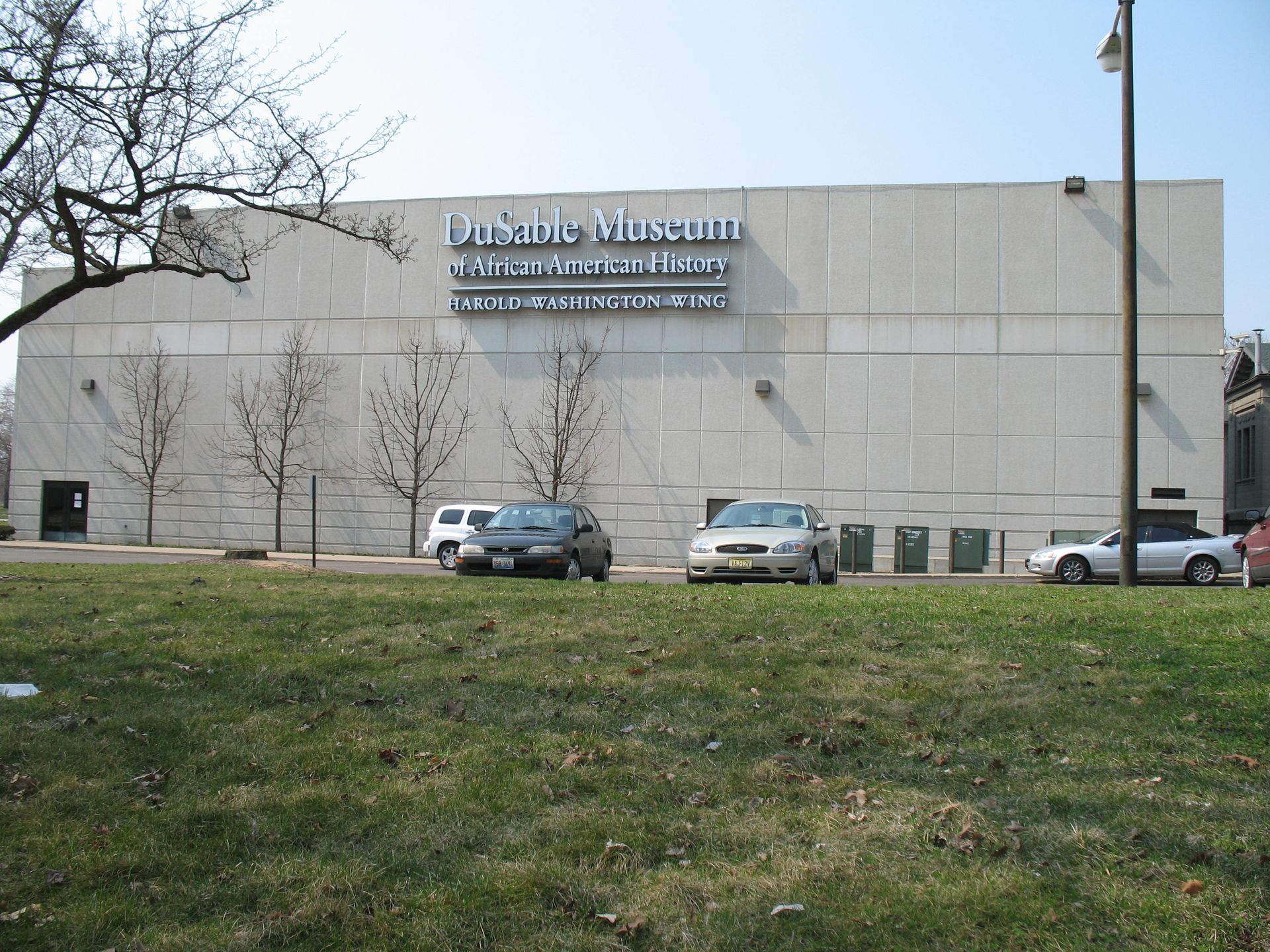
Photo: TonyTheTiger, CC BY-SA 3.0, via Wikimedia Commons
The Elks and Prince Hall Networks
CTL Thin Brief · CTL-TB-000078 · Published 2026-10-09
Thin Brief — a short evidence sketch, not a full research brief.
Long before diversity statements, the Improved Benevolent Protective Order of Elks of the World and Prince Hall Freemasonry ran Chicago's Black mutual-aid economy: sick benefits, burial funds, business introductions, and political organizing, all dues-financed. The lodge hall was a credit union, a job board, and a city hall in one.
Where did Black Chicagoans bank social capital before banks would bank them?
Key facts
- The IBPOEW (Black Elks) and Prince Hall Freemasonry were engines of Black civic, economic, and social life in Chicago. VERIFIED
- The tradition descends from the Free African Society, founded in Philadelphia in 1787 by Richard Allen and Absalom Jones — the first Black mutual-aid society in the United States. VERIFIED
- Lodge structures pooled member dues into sick benefits, burial funds, and emergency loans, functioning as proto-insurance for excluded workers. SUPPORTED
- Chicago lodges anchored Bronzeville social life and fed leadership into churches, newspapers, and electoral politics through the 20th century. PROVISIONAL
Sources
- Internet Archive — Order of the Elks Scott #1342 first-day-cover text
- The Phylaxis Society — Joseph A. Walkes research site
- CultureTechLens knowledge graph — CTL-E-2591, CTL-E-1495
Evidence grades: VERIFIED — strong primary or multiple corroborating sources. SUPPORTED — credible, partly corroborated. PROVISIONAL — single source or general knowledge, uncorroborated.
Source: CultureTechLens
From the Archive
The archive in pictures
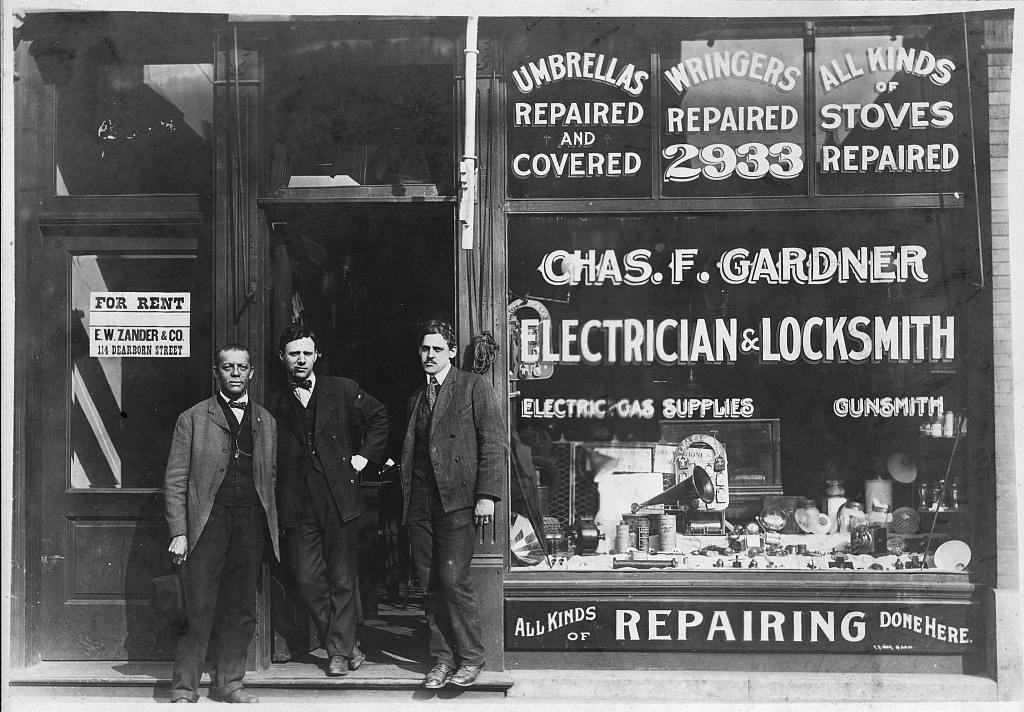
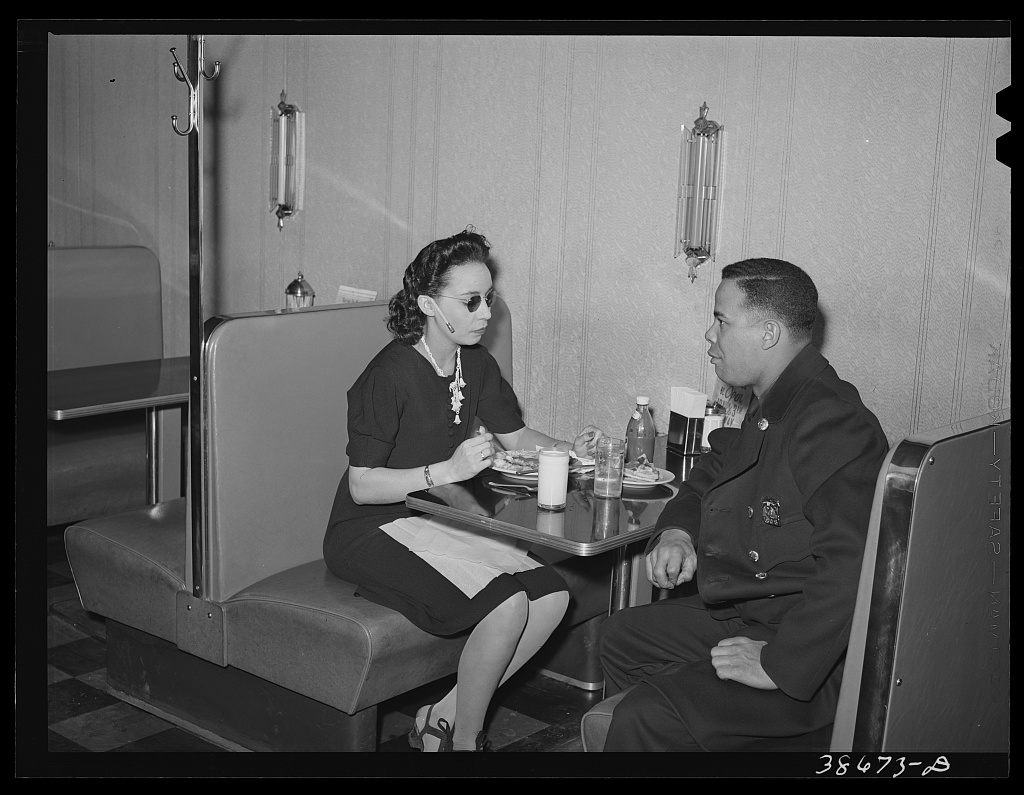
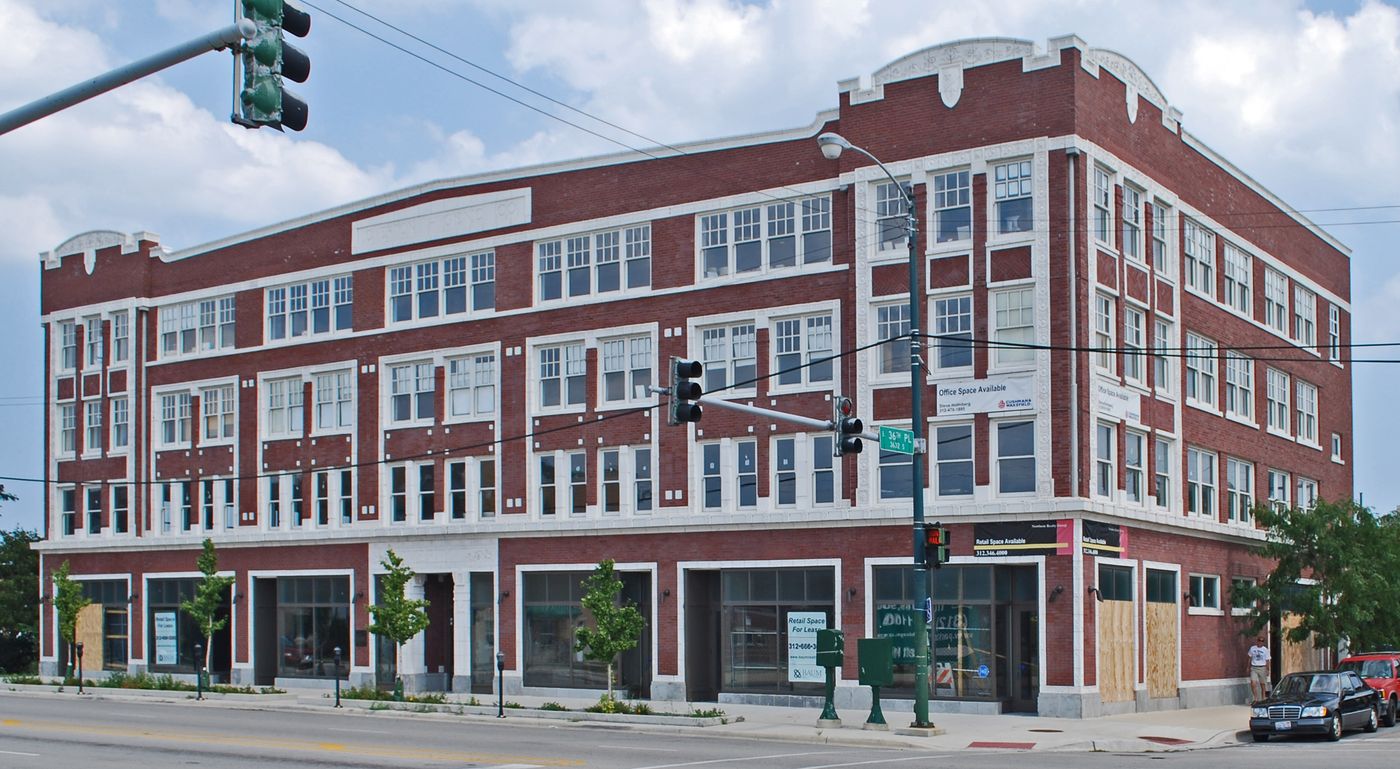
Black enterprise — the shops, banks, and trades that built it. Photographs from the CultureTechLens research record — rights-cleared, credited, and cited like everything else here.
Trust & evidence
Evidence before authority. CultureTechLens publishes its methods, its limits, and its corrections alongside its findings. Claims carry grades — VERIFIED, SUPPORTED, PROVISIONAL, DISPUTED, UNRESOLVED — and unknowns are never reported as zero.
Every claim graded. Every source named. Every correction public — see the corrections log.