 CULTURETECHLENS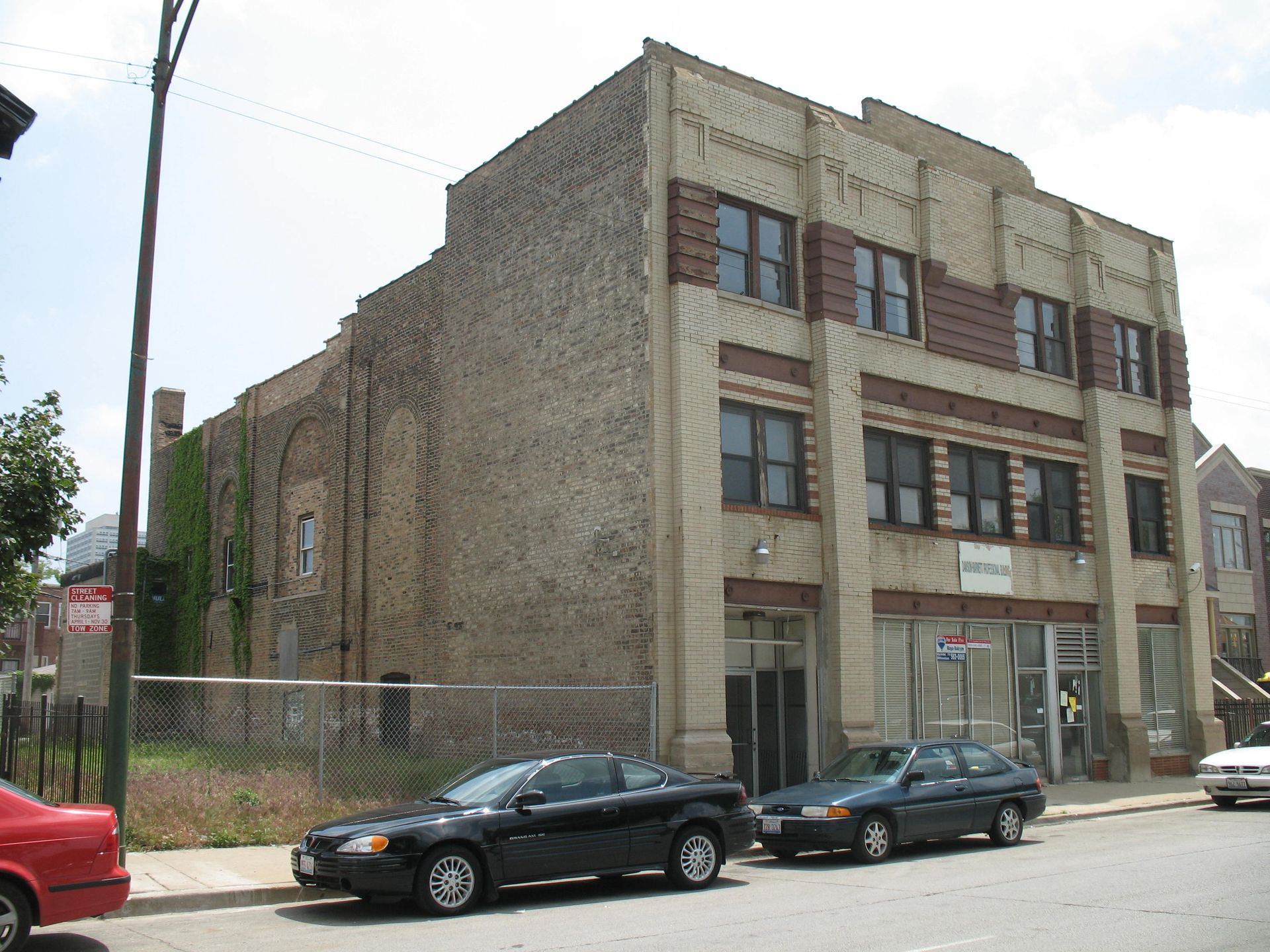
Photo: TonyTheTiger, CC BY-SA 3.0, via Wikimedia Commons
The Chicago Defender's Digital Era
CTL Thin Brief · CTL-TB-000083 · Published 2026-10-09
Thin Brief — a short evidence sketch, not a full research brief.
The Chicago Defender once moved the Great Migration with its editorials and its Pullman-porter distribution network. In 2019 it stopped printing and went digital-only — joining every Black newspaper in the same hard question: how does a paper built on print community survive on platform traffic?
Can a 1905 newspaper survive as a 2026 website?
Key facts
- Founded in 1905 by Robert Sengstacke Abbott, the Defender championed the Great Migration and civil rights. SUPPORTED
- In 2019 the paper ended its print edition and moved to a digital-only model under Real Times Media. SUPPORTED
- The Bud Billiken Parade, founded by the Defender in 1929, continues as the paper's living physical footprint on the South Side. SUPPORTED
- The digital Defender now competes for attention on the same social platforms whose algorithm shifts have stranded Black publishers before. PROVISIONAL
Sources
- Congressional Record — Chicago Daily Defender Commemoration
- Robert Feder / Chicago Tribune — Defender digital transition, 2019
- Chicago Public Library — Bud Billiken Parade: 90 Years
Evidence grades: VERIFIED — strong primary or multiple corroborating sources. SUPPORTED — credible, partly corroborated. PROVISIONAL — single source or general knowledge, uncorroborated.
Source: CultureTechLens
From the Archive
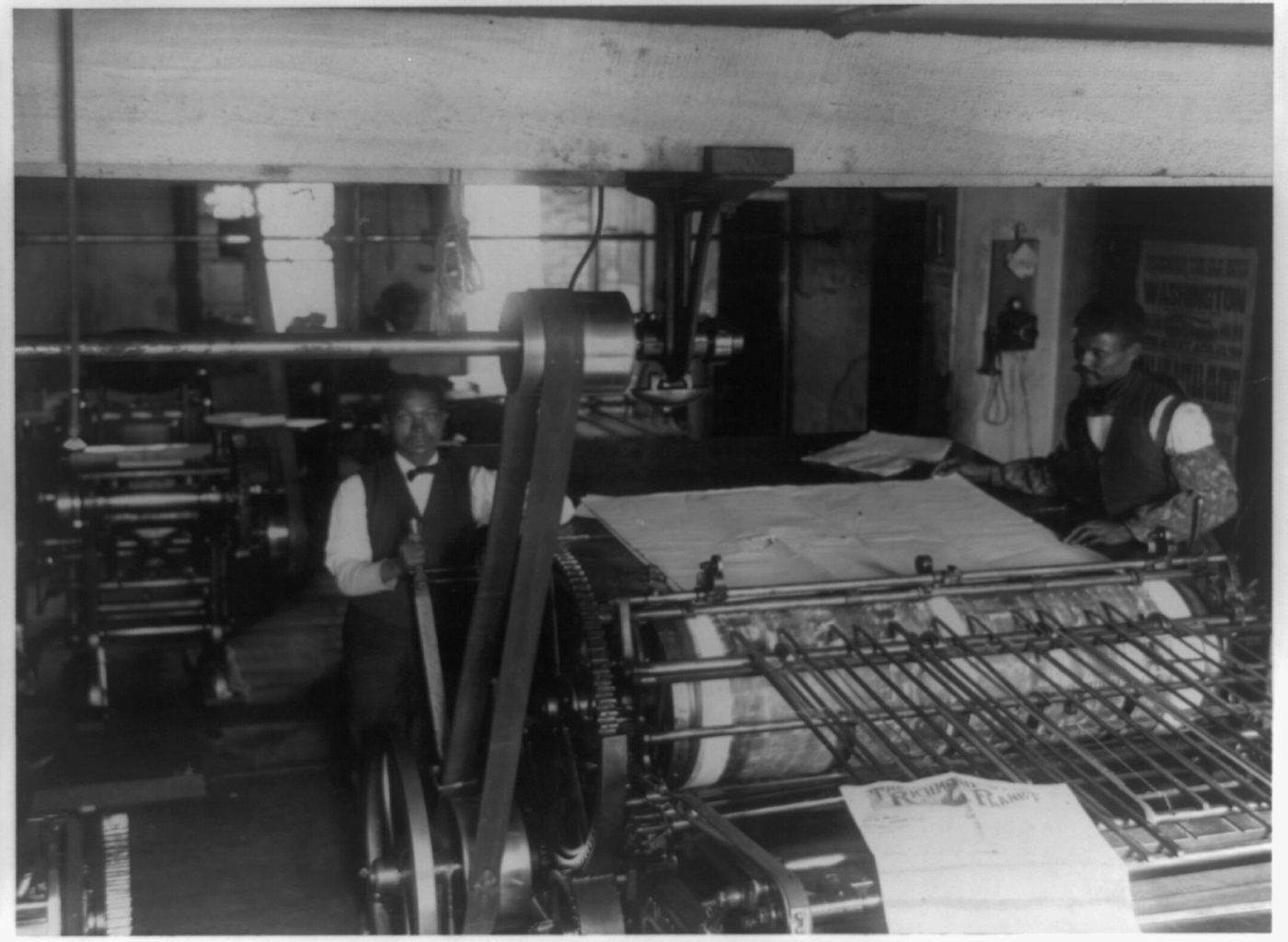
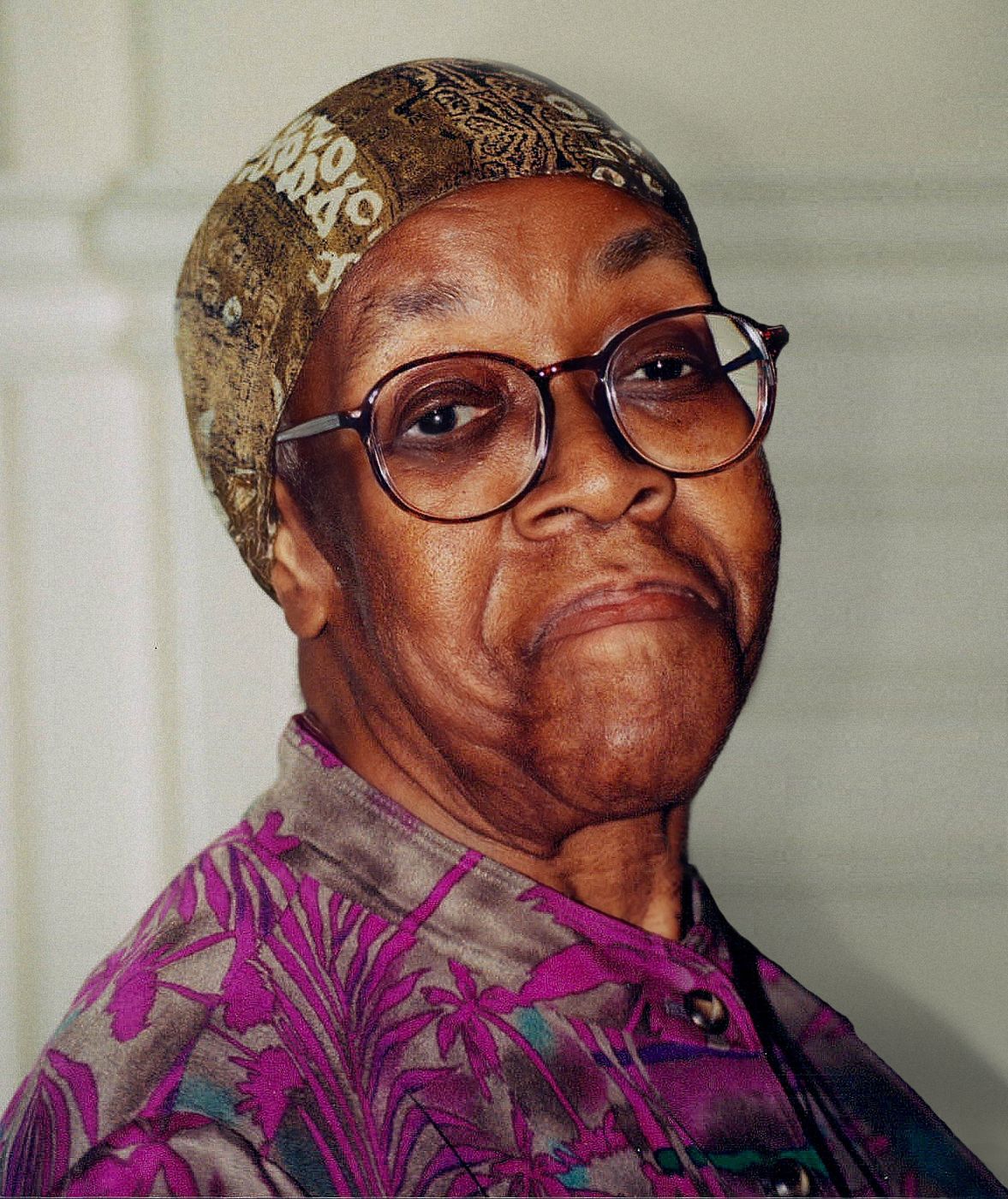
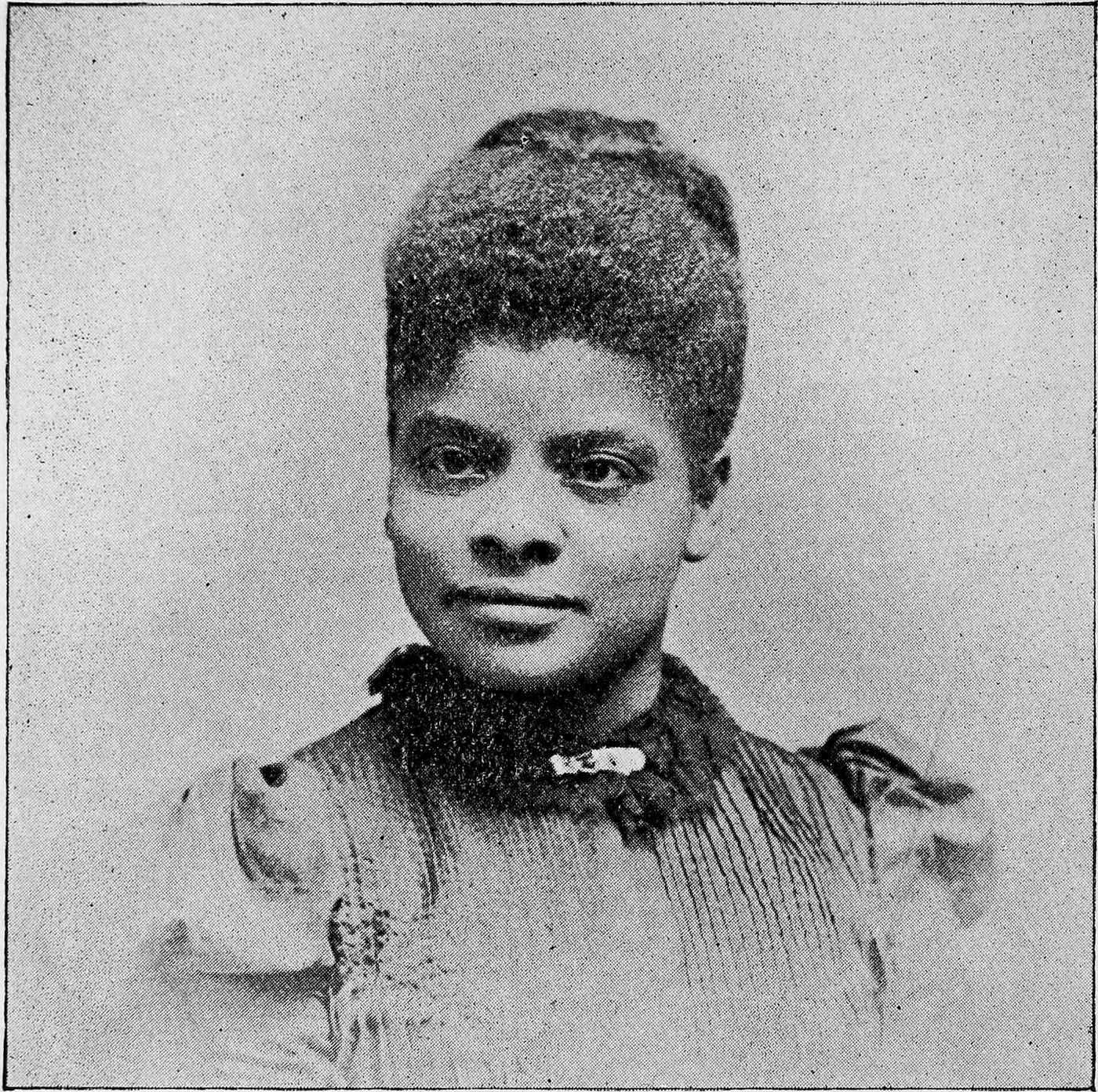
The archive in pictures
The Black press and the hands that kept the record. Photographs from the CultureTechLens research record — rights-cleared, credited, and cited like everything else here.
Trust & evidence
Evidence before authority. CultureTechLens publishes its methods, its limits, and its corrections alongside its findings. Claims carry grades — VERIFIED, SUPPORTED, PROVISIONAL, DISPUTED, UNRESOLVED — and unknowns are never reported as zero.
Every claim graded. Every source named. Every correction public — see the corrections log.