 CULTURETECHLENS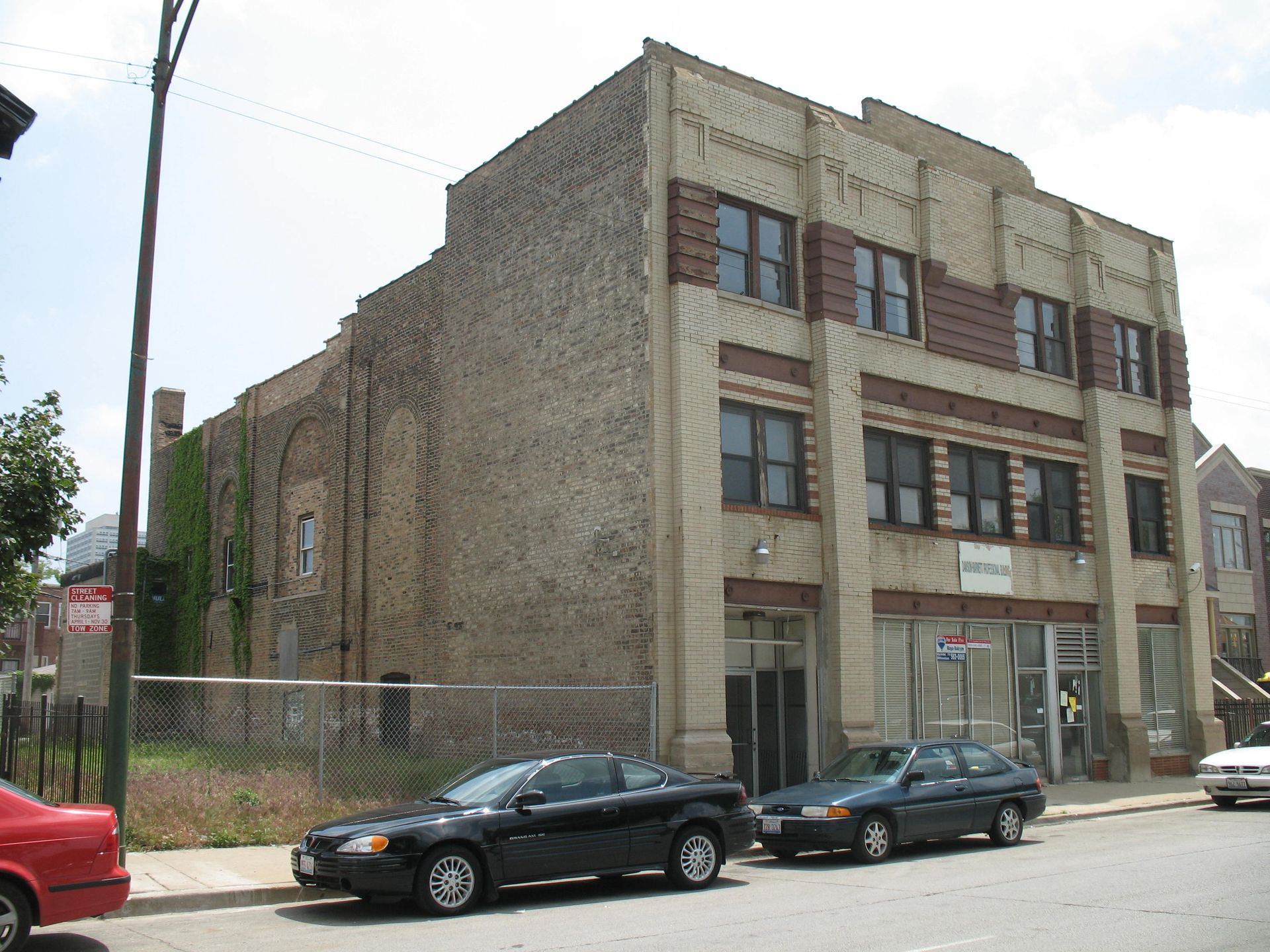
Photo: TonyTheTiger, CC BY-SA 3.0, via Wikimedia Commons
The Associated Negro Press
CTL Thin Brief · CTL-TB-000084 · Published 2026-10-09
Thin Brief — a short evidence sketch, not a full research brief.
In 1919, Claude Albert Barnett built a wire service for newspapers the white wires ignored. The Associated Negro Press, headquartered at 312 S. Clark Street, fed news, photos, and features to Black weeklies across the country — a syndication network that made the Black press national decades before cable did.
Who wired the Black press together before the internet?
Key facts
- Founded in Chicago on March 2, 1919, by Claude Albert Barnett; headquartered at 312 S. Clark Street. VERIFIED
- It was the first national news wire service for African-American newspapers, with correspondents in every major Black center. VERIFIED
- For decades it distributed news, photographs, and features to hundreds of Black weeklies, including the Chicago Defender. SUPPORTED
- Barnett's collection at the Chicago History Museum anchors research on 20th-century Black life and Black journalism. SUPPORTED
Sources
- Chicago History Museum — Claude A. Barnett / ANP collection
- Howard University — Black Press Archives, Moorland-Spingarn Research Center
- CultureTechLens knowledge graph — CTL-E-0336
Evidence grades: VERIFIED — strong primary or multiple corroborating sources. SUPPORTED — credible, partly corroborated. PROVISIONAL — single source or general knowledge, uncorroborated.
Source: CultureTechLens
From the Archive
The archive in pictures
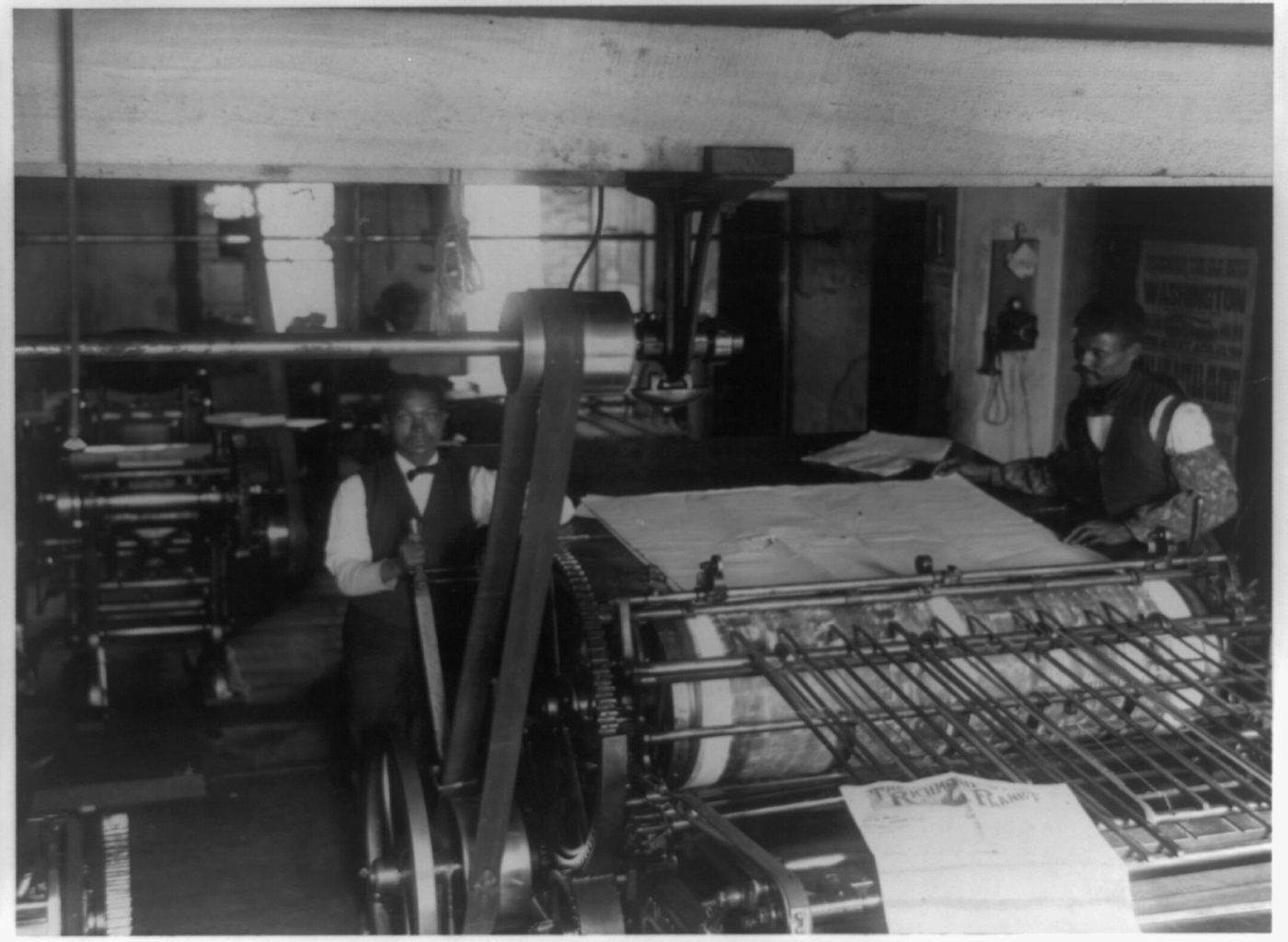
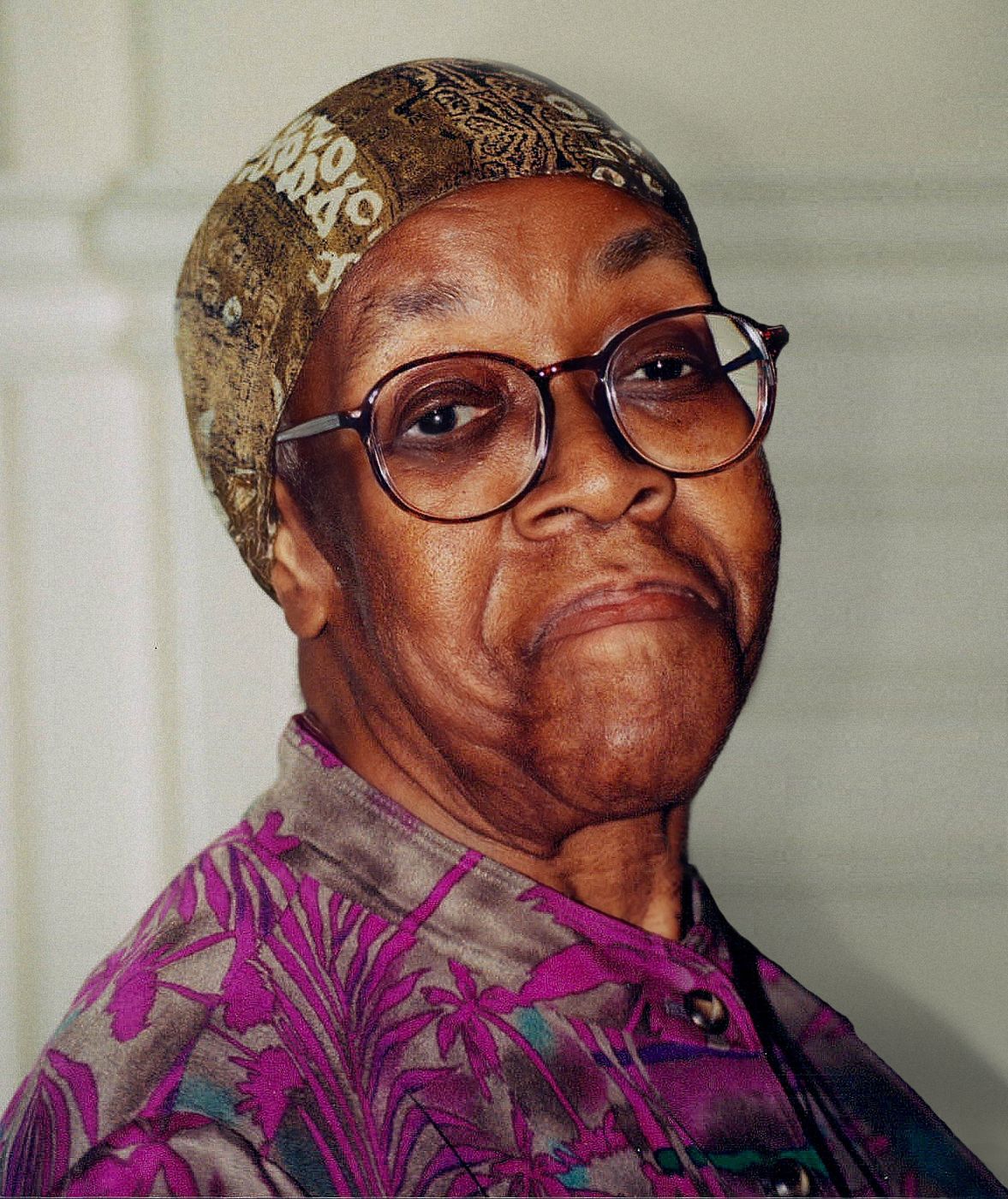
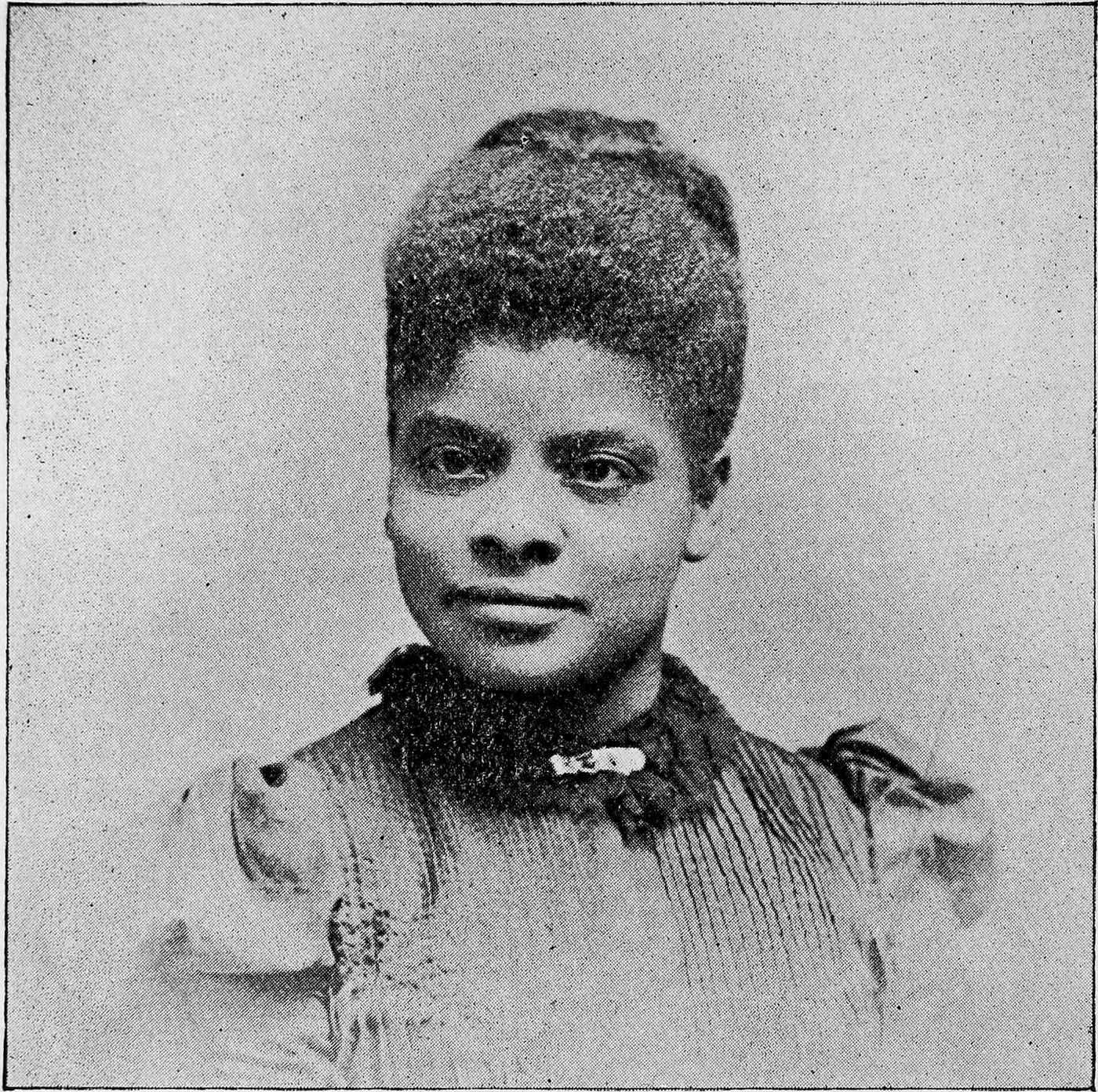
The Black press and the hands that kept the record. Photographs from the CultureTechLens research record — rights-cleared, credited, and cited like everything else here.
Trust & evidence
Evidence before authority. CultureTechLens publishes its methods, its limits, and its corrections alongside its findings. Claims carry grades — VERIFIED, SUPPORTED, PROVISIONAL, DISPUTED, UNRESOLVED — and unknowns are never reported as zero.
Every claim graded. Every source named. Every correction public — see the corrections log.