 CULTURETECHLENS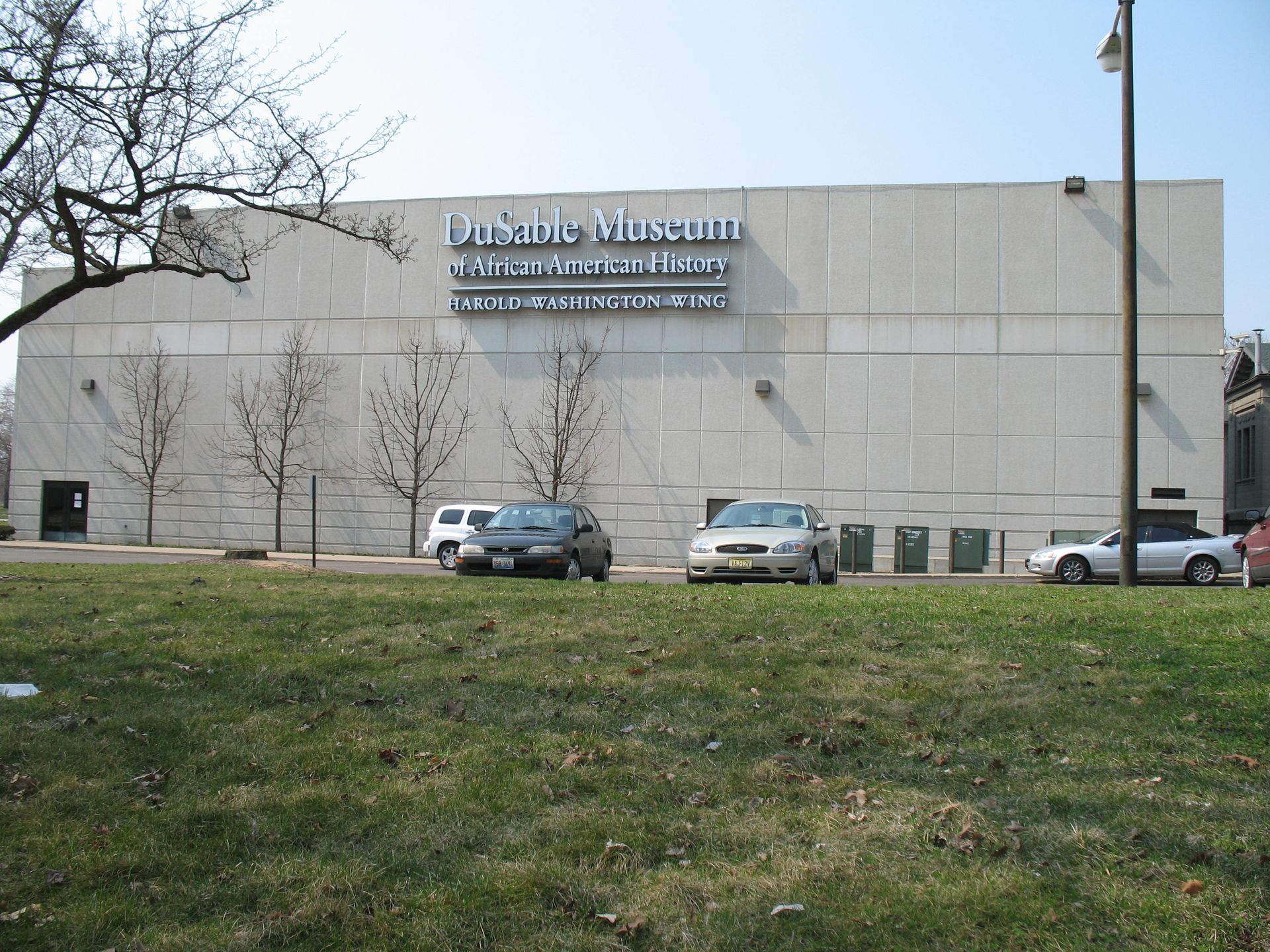
Photo: TonyTheTiger, CC BY-SA 3.0, via Wikimedia Commons
The Digital Divide in Chicago
CTL Thin Brief · CTL-TB-000093 · Published 2026-10-09
Thin Brief — a short evidence sketch, not a full research brief.
Chicago's broadband maps tell a familiar story: adoption lags on the South and West Sides while the North Side streams. The divide is not just wires — it is devices, digital literacy, and dollars — and every program that narrows it, from Chicago Connected to library computer labs, is civil-rights infrastructure with a different name.
Who gets left offline in the most connected city?
Key facts
- Broadband adoption has lagged in majority-Black South and West Side neighborhoods compared with the North Side. SUPPORTED
- The 2020 Chicago Connected program provided free internet service to CPS families during the pandemic. SUPPORTED
- Connect Chicago's network of free computer labs, many in public libraries, put access points in underserved neighborhoods. PROVISIONAL
- Research consensus holds the gap is as much about devices and digital literacy as about wires. PROVISIONAL
Sources
- City of Chicago — broadband adoption data
- Chicago Connected program coverage, 2020
- Chicago Public Library — Connect Chicago labs
Evidence grades: VERIFIED — strong primary or multiple corroborating sources. SUPPORTED — credible, partly corroborated. PROVISIONAL — single source or general knowledge, uncorroborated.
Source: CultureTechLens
From the Archive
The archive in pictures
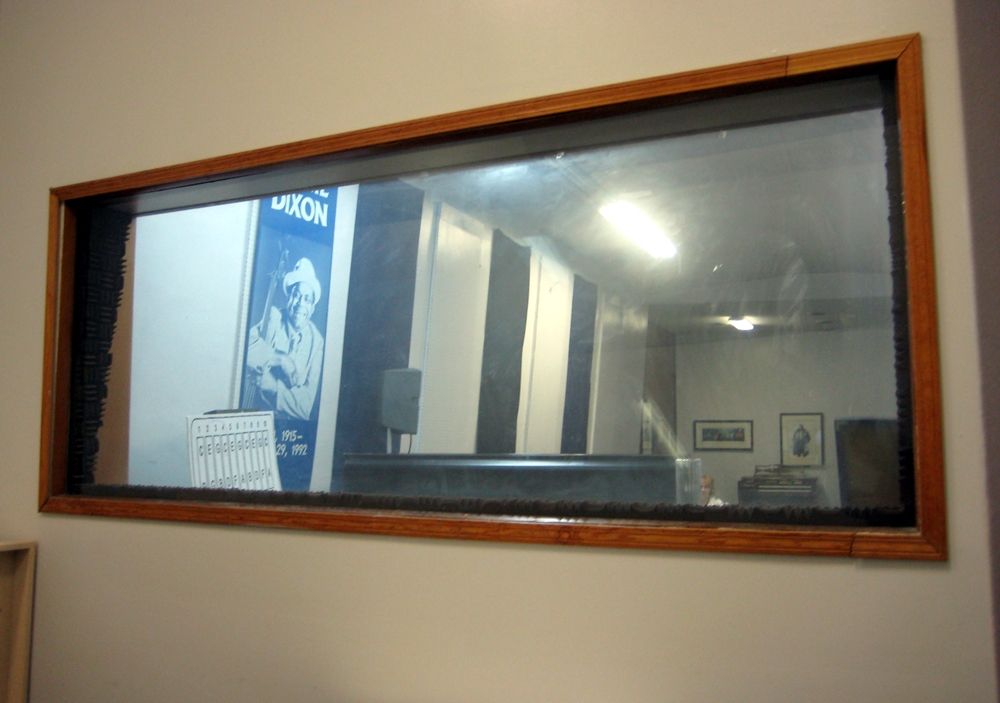
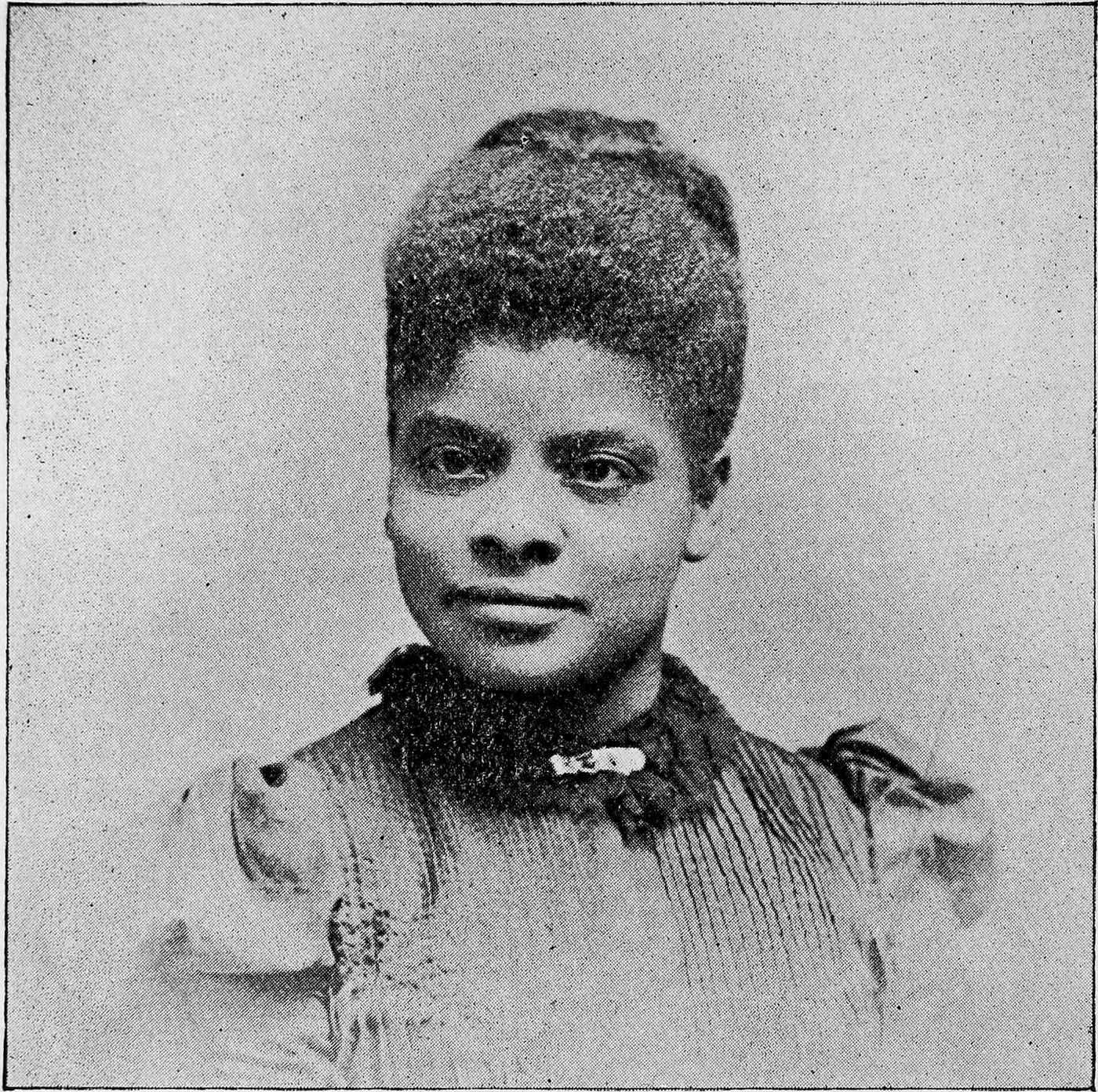
The people, places, and institutions this work documents. Photographs from the CultureTechLens research record — rights-cleared, credited, and cited like everything else here.

Trust & evidence
Evidence before authority. CultureTechLens publishes its methods, its limits, and its corrections alongside its findings. Claims carry grades — VERIFIED, SUPPORTED, PROVISIONAL, DISPUTED, UNRESOLVED — and unknowns are never reported as zero.
Every claim graded. Every source named. Every correction public — see the corrections log.