 CULTURETECHLENS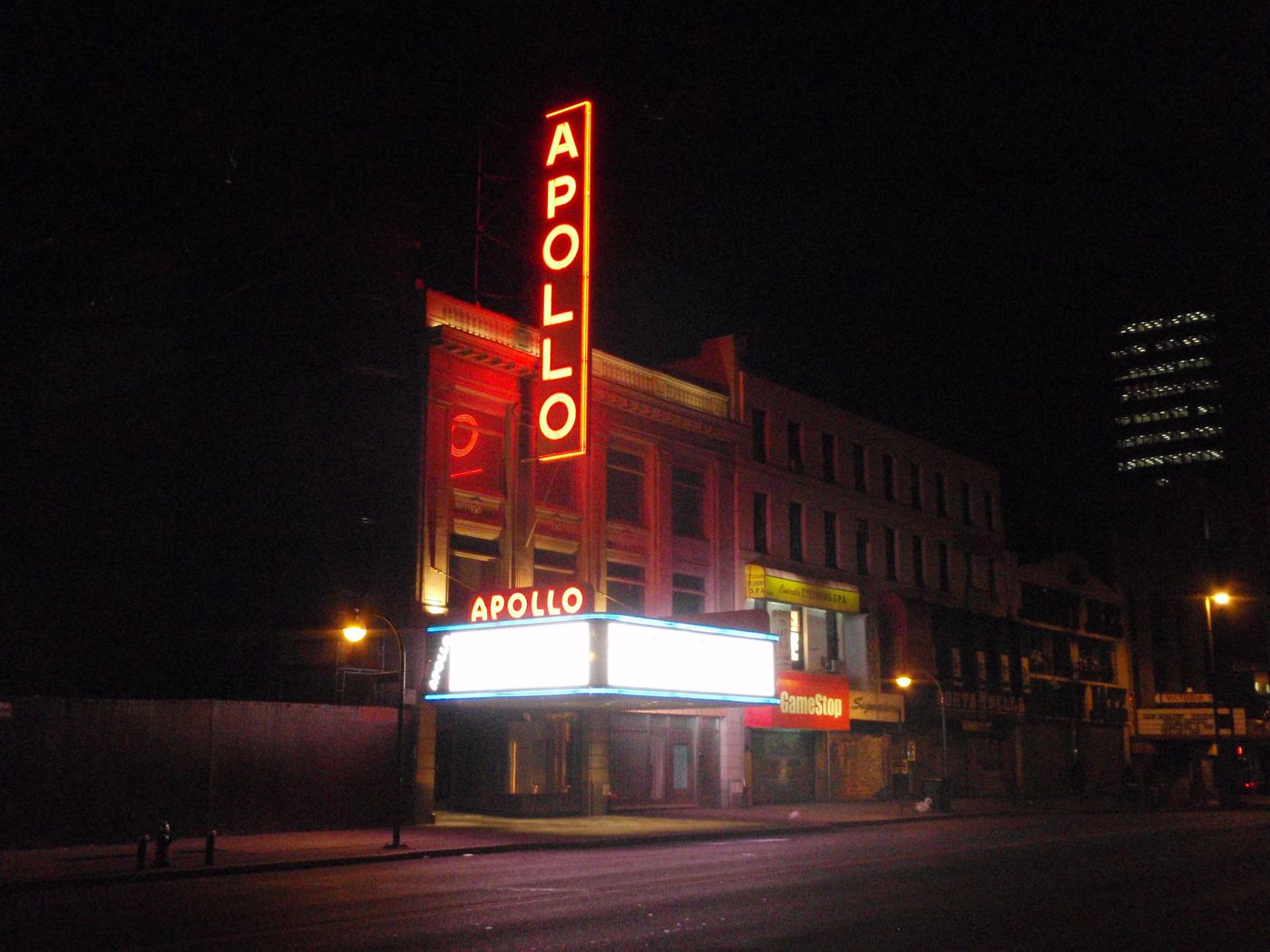
Photo: Hans Joachim Dudeck, CC BY-SA 3.0, via Wikimedia Commons
James Brown — Live at the Apollo (1963)
CTL Thin Brief · CTL-TB-000126 · Published 2026-10-09
Thin Brief — a short evidence sketch, not a full research brief.
What makes Live at the Apollo a landmark?
Recorded in October 1962 at the Apollo Theater in Harlem and released in 1963 on King Records, the album captures Brown’s relentless revue in front of a fervent crowd. SUPPORTED
Key facts
- James Brown was the Godfather of Soul, whose career stretched from R&B shouting to funk invention. SUPPORTED
- The album was recorded in October 1962 at the Apollo Theater in New York and released in 1963 on King Records. SUPPORTED
- Its performances include “Try Me,” “Lost Someone,” and the extended closer “Night Train.” SUPPORTED
- The record’s success helped make Brown a national star beyond the R&B audience. PROVISIONAL
- It set a new standard for the live album in Black popular music. PROVISIONAL
Sources
- AllMusic: Live at the Apollo album page
- King Records catalog
- Rock & Roll Hall of Fame inductee biography — James Brown
Evidence grades: VERIFIED — strong primary or multiple corroborating sources. SUPPORTED — credible, partly corroborated. PROVISIONAL — single source or general knowledge, uncorroborated.
Source: CultureTechLens
From the Archive
The archive in pictures
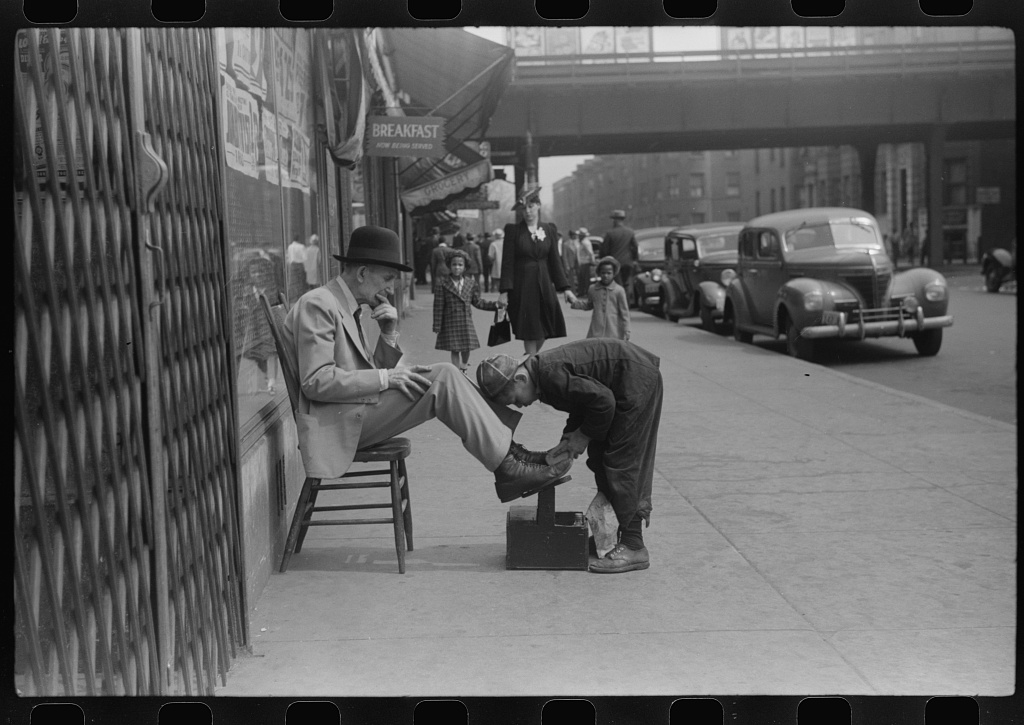
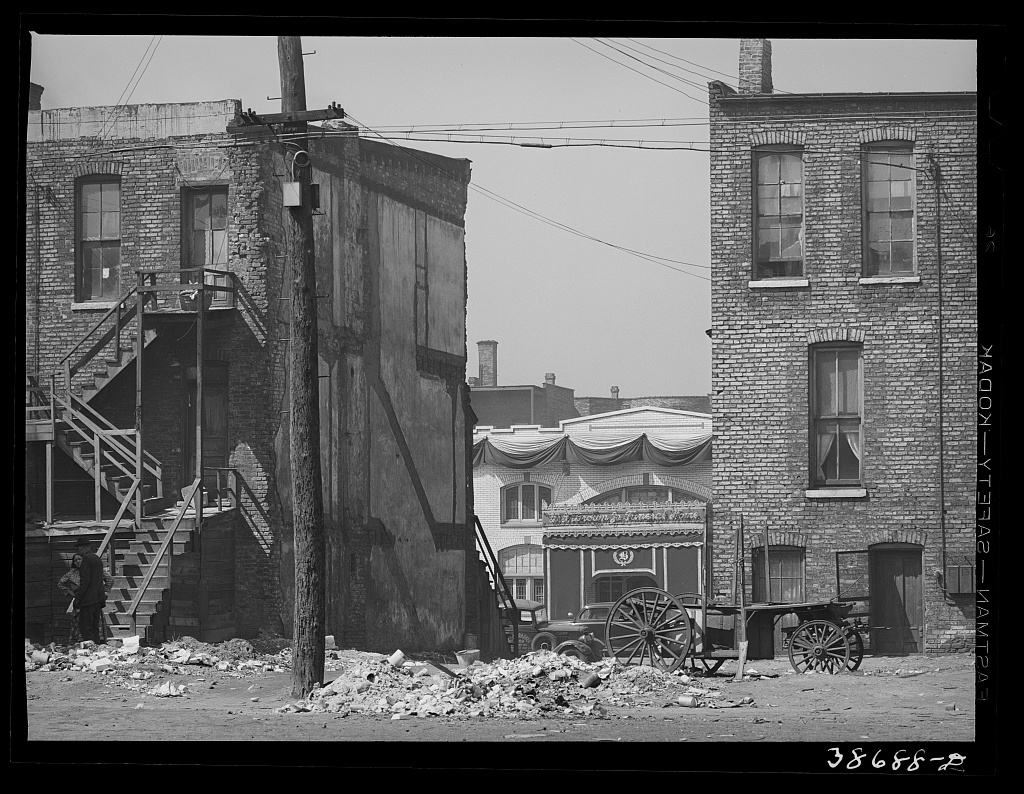
The people, places, and institutions this work documents. Photographs from the CultureTechLens research record — rights-cleared, credited, and cited like everything else here.
Trust & evidence
Evidence before authority. CultureTechLens publishes its methods, its limits, and its corrections alongside its findings. Claims carry grades — VERIFIED, SUPPORTED, PROVISIONAL, DISPUTED, UNRESOLVED — and unknowns are never reported as zero.
Every claim graded. Every source named. Every correction public — see the corrections log.