 CULTURETECHLENS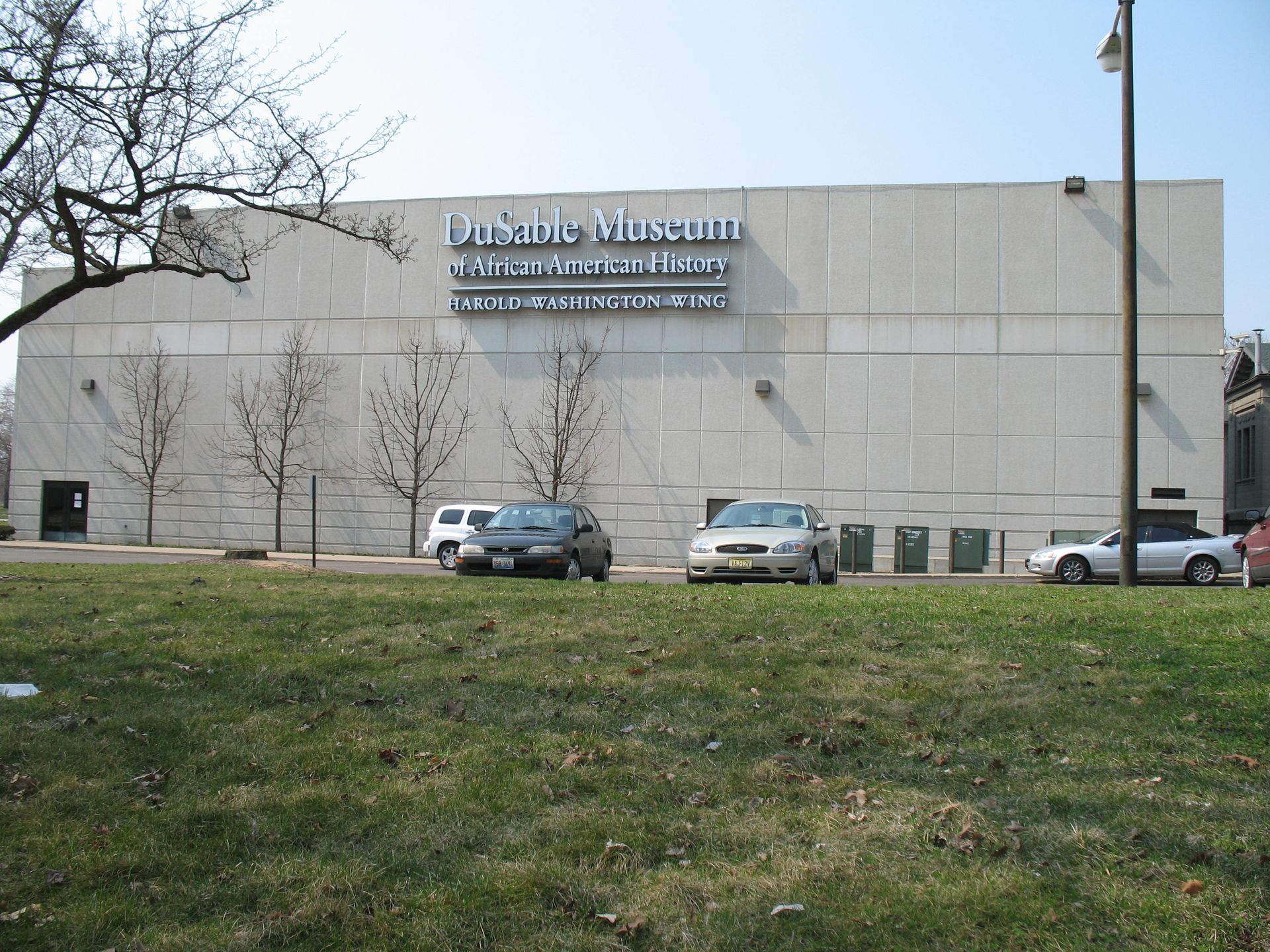
Photo: TonyTheTiger, CC BY-SA 3.0, via Wikimedia Commons
Terry Callier — What Color Is Love (1972)
CTL Thin Brief · CTL-TB-000128 · Published 2026-10-09
Thin Brief — a short evidence sketch, not a full research brief.
What makes What Color Is Love a landmark?
What Color Is Love is Terry Callier's signature statement: a 1972 Cadet album that folded folk songwriting, jazz harmony, and soul singing into something Chicago had never quite heard — the record that made the Chicago singer-songwriter a cult legend. SUPPORTED
Key facts
- Terry Callier, a Chicago-born singer, songwriter, and guitarist, released What Color Is Love on Cadet Records in 1972. SUPPORTED
- The album was arranged and produced with Charles Stepney, whose sweeping orchestrations shape its title track and the record's deep, cinematic sound. SUPPORTED
- The title track “What Color Is Love” stands as Callier's best-known composition and the centerpiece of the album. SUPPORTED
- Callier was also known as a folk singer in Chicago's early-1960s coffeehouse scene, where he counted a young Bob Dylan among his contemporaries. SUPPORTED
- The album's blend of folk, jazz, and soul reads as a Chicago answer to the singer-songwriter era — intimate, orchestral, and quietly political. PROVISIONAL
Sources
- Cadet Records — What Color Is Love album release
- AllMusic — What Color Is Love album overview
- Encyclopedia of Chicago — Chicago music scenes
Evidence grades: VERIFIED — strong primary or multiple corroborating sources. SUPPORTED — credible, partly corroborated. PROVISIONAL — single source or general knowledge, uncorroborated.
Source: CultureTechLens
From the Archive
The archive in pictures
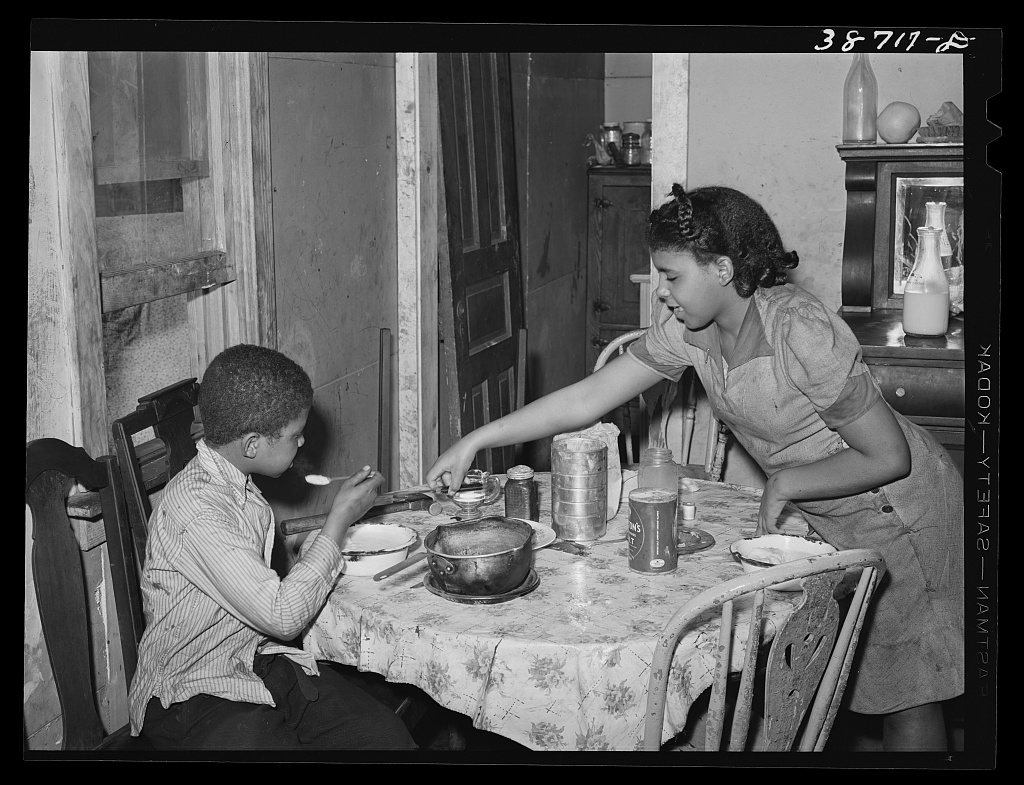
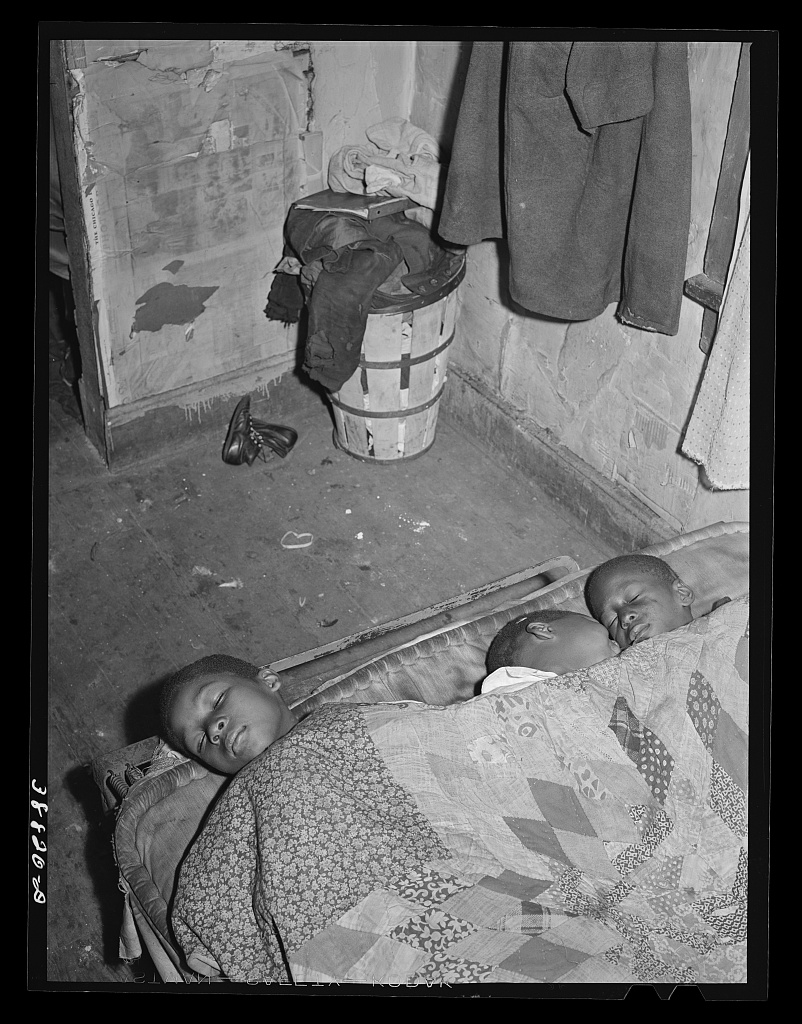
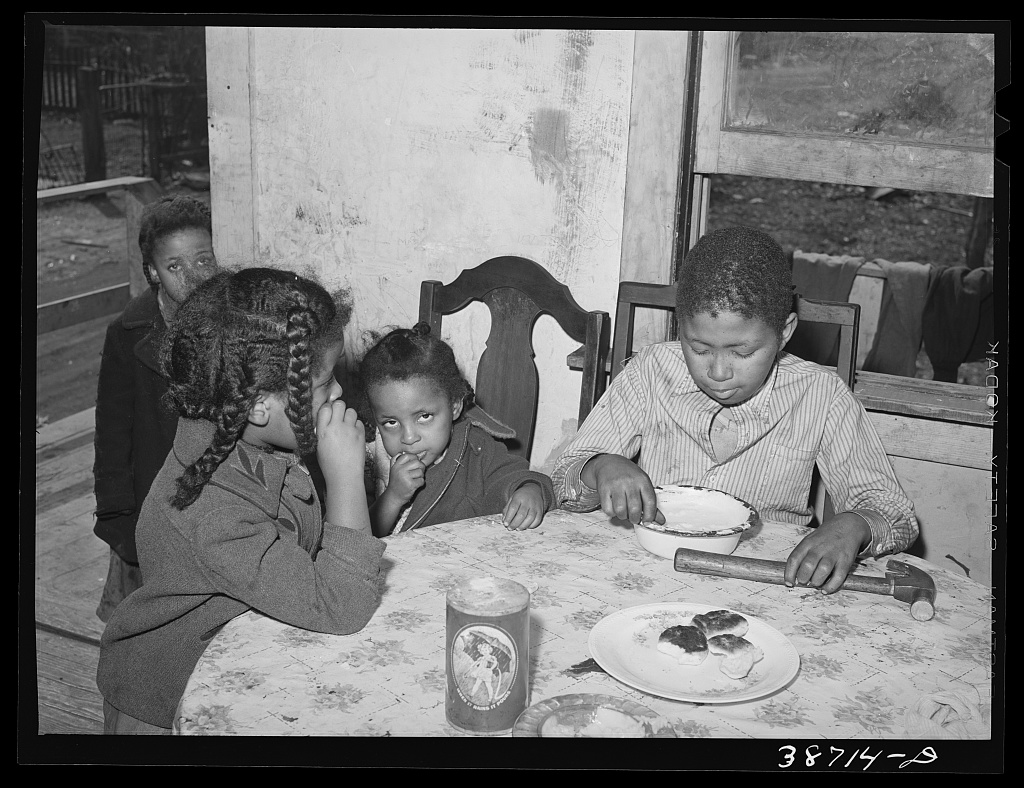
The people, places, and institutions this work documents. Photographs from the CultureTechLens research record — rights-cleared, credited, and cited like everything else here.
Trust & evidence
Evidence before authority. CultureTechLens publishes its methods, its limits, and its corrections alongside its findings. Claims carry grades — VERIFIED, SUPPORTED, PROVISIONAL, DISPUTED, UNRESOLVED — and unknowns are never reported as zero.
Every claim graded. Every source named. Every correction public — see the corrections log.