 CULTURETECHLENS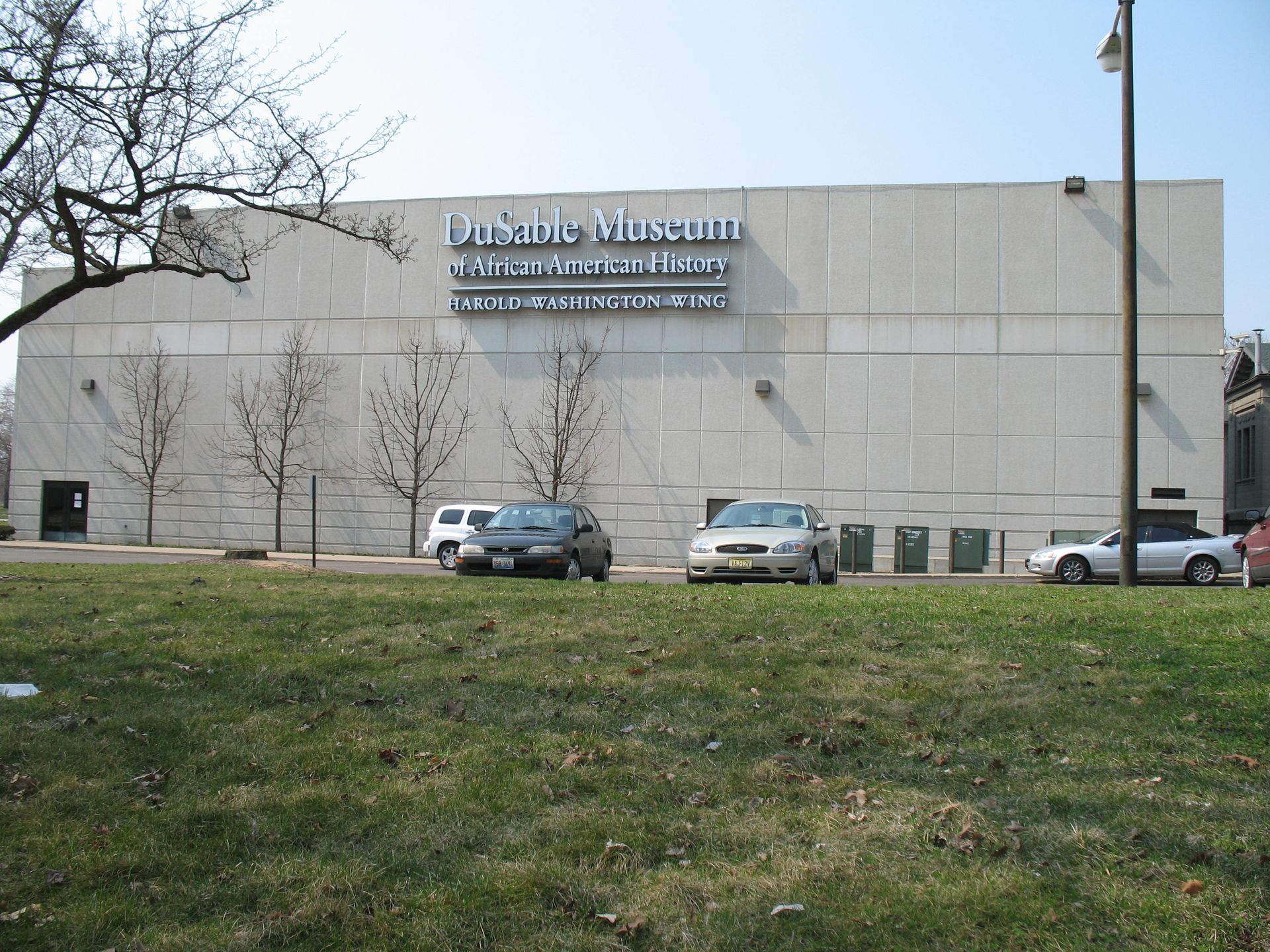
Photo: TonyTheTiger, CC BY-SA 3.0, via Wikimedia Commons
Educator Resources
Classroom-ready lesson plans built from CTL’s real research — evidence grades included, so students learn to ask every source: which grade are you?
The pilot kit
Six 45-minute lesson plans, grades 9–12 (adaptable for college), each with learning objectives, key vocabulary, a ten-minute hook on a real CTL finding, discussion questions, a hands-on activity, and an exit ticket:
- The Black Memory Emergency — why archives disappear after collecting, and who decides what survives. Students walk a family item through the paper’s ten-stage memory chain and mark where it breaks.
- How Do You Rank Culture? — the CTL 10 Index as data literacy. The hook: the Afro pick — evidence depth 100.0, 106 lookups — against the Cadillac’s 33,922. Pairs build their own weighted index and discover the weights decide the winner first.
- What Makes an Album Great? — the Clear Ear Award’s lanes system as a lesson in judgment: a gospel record is not graded on hip-hop’s rubric. Groups build lanes, score real albums, and disclose one judgment call.
- Who Controls the Story? — The Black Press as Institution — the newspapers, magazines, and journalists that built Black Chicago’s media infrastructure, and what ownership decides.
- Black Technology — The Inventor List Is the Smallest Part — 22 verified patents across 165 years, and the adaptation stories the patent count misses.
- Bronzeville — The Black Metropolis as a Place You Can Walk — the rise, fall, and remaking of a neighborhood, mapped to streets students can stand on.
The kit is currently in pilot with educators. Full lesson plans, hook visuals, and the classroom poster are available on request — write to [email protected].
The classroom poster
Every CTL claim carries an evidence grade. This poster puts the five grades on the wall — project it, print it, hand it out:

Why grades belong in the classroom
A grade is a citation lesson in one word. “According to CultureTechLens (PROVISIONAL)…” tells a reader exactly how much weight to give a claim — and UNRESOLVED tells the next researcher where to dig. That honesty is the skill.
More for the classroom: How to Preserve Your Family Archive, Lost Black Archives: A Timeline, the Black Culture Guides.
Frequently asked
Who are the lessons for?
Grades 9–12, adaptable for college — 45-minute periods, no special materials beyond the handouts.
What does the kit cost?
The pilot kit is free for educators. Write to [email protected] to request it.
Can I adapt the lessons?
Yes — adapt freely for your classroom. Write to us about reuse beyond that, and about what worked: the kit improves on teacher feedback.
Do you do classroom visits?
Write to [email protected] — Chicago-area visits can be arranged.
Source: CultureTechLens
From the Archive
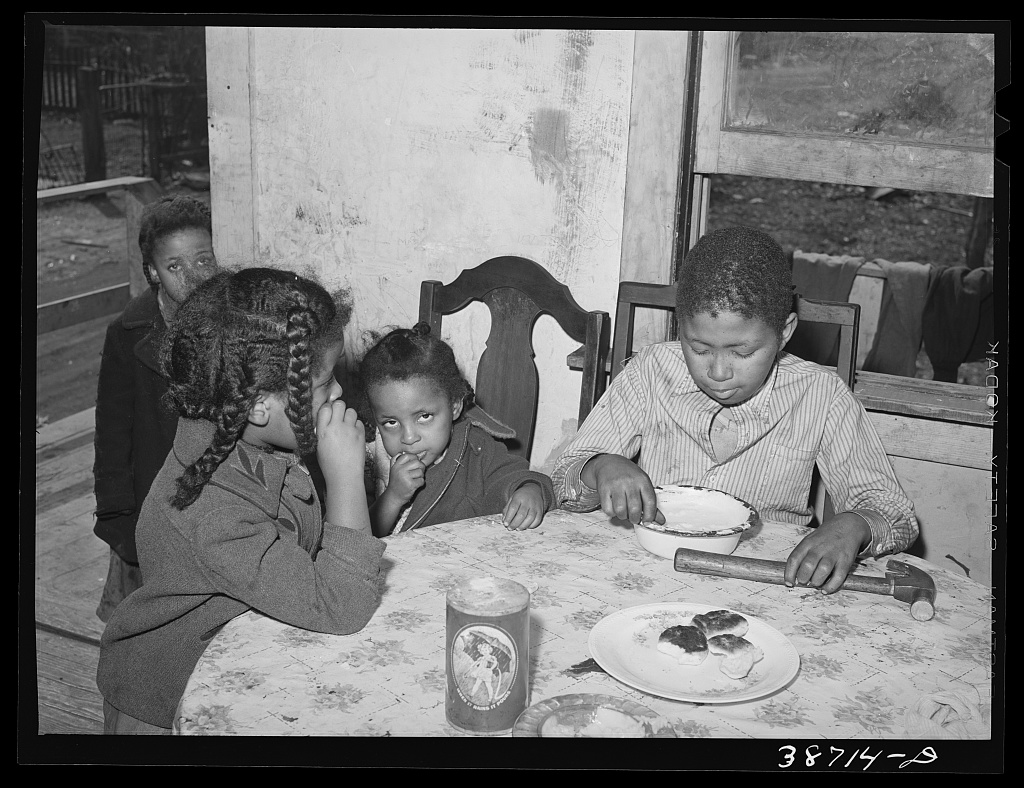
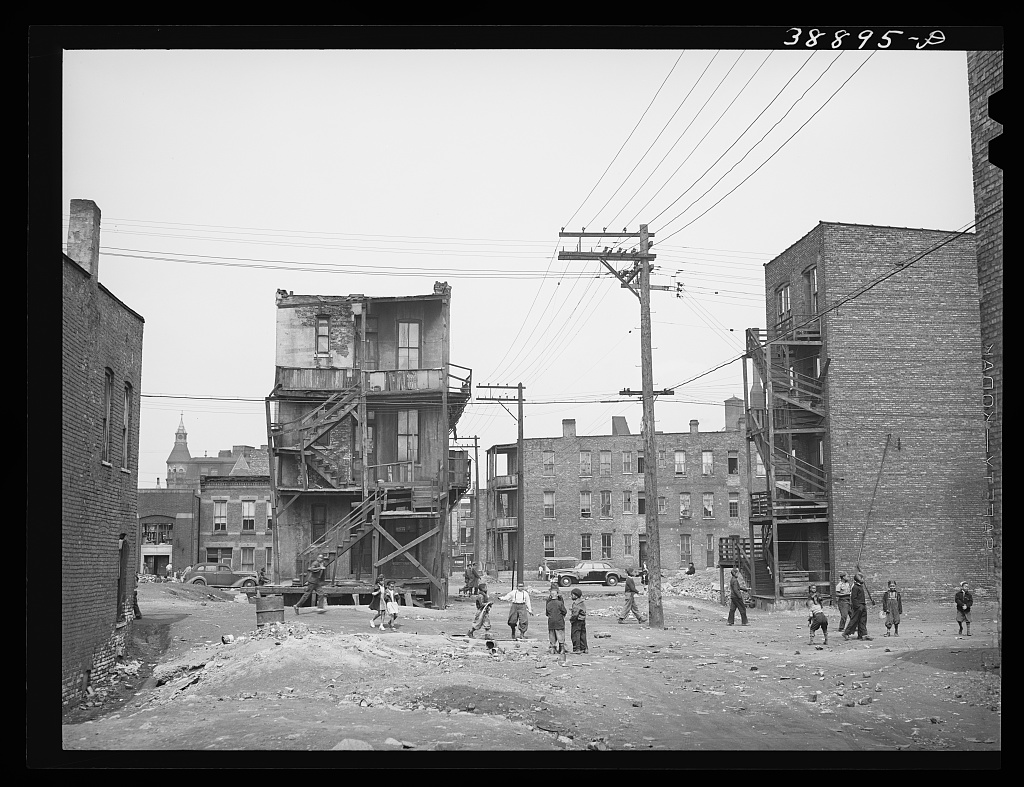
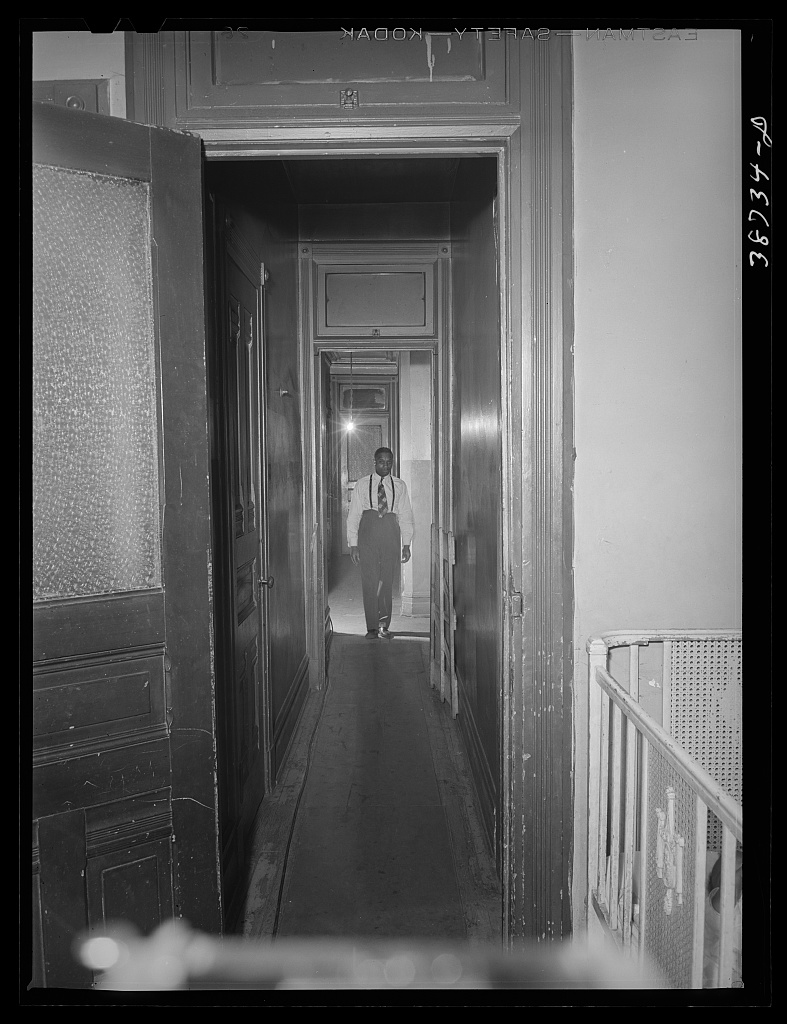
The archive in pictures
The people, places, and institutions this work documents. Photographs from the CultureTechLens research record — rights-cleared, credited, and cited like everything else here.
Trust & evidence
Evidence before authority. CultureTechLens publishes its methods, its limits, and its corrections alongside its findings. Claims carry grades — VERIFIED, SUPPORTED, PROVISIONAL, DISPUTED, UNRESOLVED — and unknowns are never reported as zero.
Every claim graded. Every source named. Every correction public — none to date.