 CULTURETECHLENS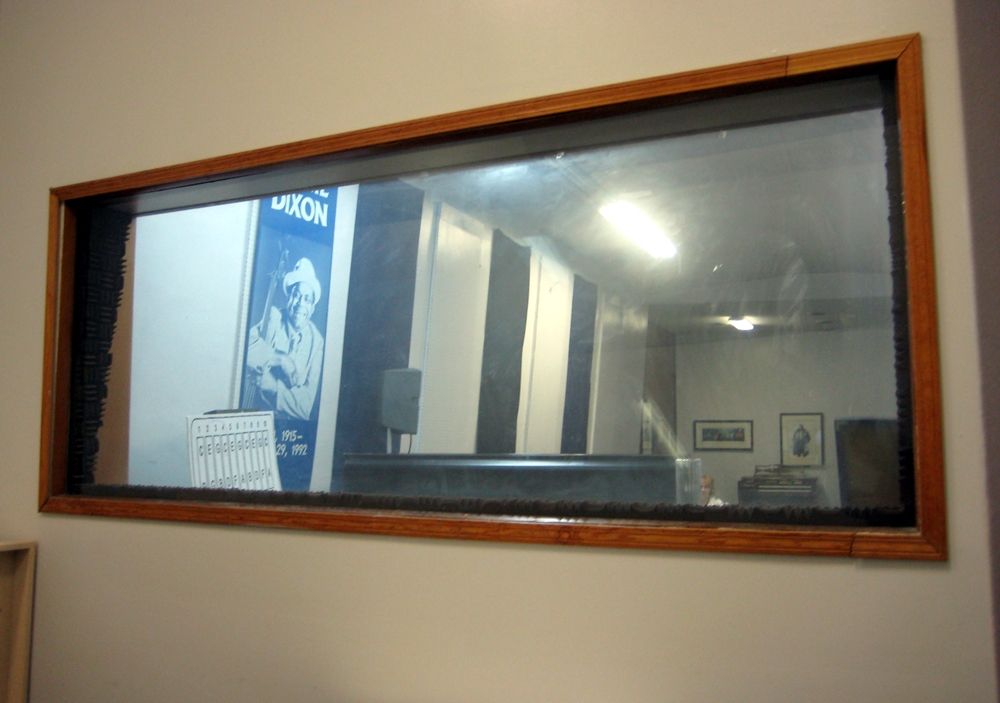
Photo: get directly down, CC BY 2.0, via Wikimedia Commons
Chicago House Music History
Maintenance note: This page is the hub for CultureTechLens's Chicago house music coverage. The deep account of the 1977–1986 club years lives at The Definitive Guide to Black Chicago House Music's Origins. This page is updated when new archival material, landmark designations, or evidence resolves a contested point. Contested claims are documented as such — we do not assert what the evidence has not settled.
CULTURETECHLENS · "Culture, Clearly Seen." · Black Cultural Intelligence
Last reviewed: 2026-10-07
The short version
House music was born in Chicago — in Black rooms, on Black dance floors, out of disco's afterlife. In 1977, a New York DJ named Frankie Knuckles took a residency at a members-oriented club called the Warehouse at 206 South Jefferson Street, and the blend he played there — disco, R&B, gospel, European synth records, drum machines underneath it all — got a name from the building itself. The room closed in 1982. The music didn't.
What followed is one of the great reversals in pop history: a sound made by and for Black Chicago went unrecorded for years, then got pressed to vinyl by its own dancers, then conquered Britain, then came home to become the foundation of modern dance music worldwide. The four-on-the-floor kick, the synthesized bassline, the soul vocal floating over machine rhythm — that vocabulary was written in Chicago between 1977 and 1989, mostly by people the mainstream music industry wasn't watching.
This page is the full arc: the rooms, the records, the people, the labels, and where the music lives in Chicago today.
Timeline
1977 — The Warehouse opens. Promoter Robert Williams brings Frankie Knuckles up from New York to play a members-only party at 206 S. Jefferson. The room — a former factory on a Richard Long sound system, midnight Saturday to Sunday afternoon — draws a crowd centered on Black and Latino gay men. Knuckles plays no "house records." None exist yet.
1982 — The split. The Warehouse closes. Knuckles opens his own room, the Power Plant, on North Halsted. Williams rebrands and hires a new resident.
1983 — The Music Box. Williams opens the Music Box with Ron Hardy as resident. Hardy's room is the laboratory: faster, louder, more reckless than Knuckles's — and it's where the young producers start bringing acetates and reel-to-reel dubs to test on the crowd. Marshall Jefferson, Larry Heard, Adonis, Phuture's DJ Pierre, Chip E. — they cut records for Hardy to play.
1984 — "On and On." Jesse Saunders, resident at the Playground, rebuilds a stolen bootleg from scratch with Vince Lawrence on a Roland TR-808 and presses it on his own Jes Say label. It is widely regarded as the first house record ever pressed to vinyl. Before Saunders, house was something you experienced in a room. After him, it was something you could hold and sell.
1984–85 — The labels. Trax Records, founded by Larry Sherman out of his pressing plant, and DJ International become the infrastructure. Chicago finally has a way to manufacture and distribute its own sound.
1986 — The anthems. Marshall Jefferson's "Move Your Body" — the house music anthem, piano-driven, euphoric. Larry Heard, as Mr. Fingers, releases "Can You Feel It" and invents deep house: slower, warmer, more inward than anything on the radio.
1987 — Acid. Phuture's "Acid Tracks" puts the squelch of the Roland TB-303 bass synthesizer at the center of the music. Acid house is born. The same year, British DJs returning from Ibiza carry the Chicago sound to London clubs — and it detonates.
1988 — The Second Summer of Love. Britain's rave explosion runs on Chicago records. A sound made for a few hundred dancers on Jefferson Street is now moving tens of thousands of British kids in fields outside London.
1989 — "French Kiss." Lil Louis's "French Kiss" — ten minutes of slow-building tension — becomes a global crossover hit. Chicago house has its pop moment without sanding off its edges.
1990s — The second generation. The majors come calling and mostly misunderstand the assignment. Chicago answers with its own underground: Cajmere (as Green Velvet) founds Relief Records and releases "Percolator" (1992); Dance Mania carries the raw ghetto-house sound; the music splinters into deep, acid, hard, and soulful strains — all of them traceable to the same few rooms.
2014 — The Godfather passes. Frankie Knuckles dies. Chicago mourns him like the civic figure he was.
2023 — The landmark. The City of Chicago designates the Warehouse building at 206 S. Jefferson a protected landmark — the origin placed, in municipal law, "between 1977 and 1982." The block is Frankie Knuckles Way.
Today — The music never left. House is still Chicago's living culture: the Chosen Few Picnic draws thousands to the South Side every summer, the clubs still run, and the sound Knuckles and Hardy built still underpins global dance music.
The sound, in one paragraph
Four-on-the-floor kick drum. A bassline from a machine (usually Roland's TB-303 or TR-808). Chords from cheap synthesizers. And over it all, the Black church and soul tradition — vocals that testify, pianos that preach. Chicago house took disco's lushness, stripped it for parts, and rebuilt it with drum machines because drum machines were what young Black producers on the South and West Sides could afford. The constraint became the aesthetic.
Key figures
- Frankie Knuckles — The Godfather. Warehouse resident 1977–1982; Power Plant after. The smooth architect; the room-builder.
- Ron Hardy — Music Box resident from 1983. The wild one; the testing ground every producer had to pass.
- Robert Williams — The promoter who built the rooms: the Warehouse, then the Music Box.
- Jesse Saunders — Pressed "On and On" (1984), widely regarded as the first house record.
- Vince Lawrence — Saunders's partner on "On and On"; bridge between the clubs and the pressing plant.
- Marshall Jefferson — "Move Your Body" (1986). The anthem-maker.
- Larry Heard — As Mr. Fingers, "Can You Feel It" (1986). Invented deep house.
- Lil Louis — "French Kiss" (1989). Took the sound worldwide without diluting it.
- Farley "Jackmaster" Funk — WBMX Hot Mix 5 DJ; carried the sound to radio and to Britain.
Labels and clubs
- The Warehouse — 206 S. Jefferson, 1977–1982. The room that named the music. Chicago Landmark, 2023.
- The Music Box — Ron Hardy's laboratory from 1983. Where the records got tested.
- The Power Plant — Knuckles's own room after the split, 1015 N. Halsted.
- Trax Records — Founded by Larry Sherman; the pressing plant that became the label that defined the 1980s Chicago sound.
- DJ International — The other pillar label of the 1980s.
- Dance Mania / Relief — The 1990s underground: ghetto house and Cajmere's deep, raw second wave.
Landmark records
- "On & On" — Jesse Saunders (Jes Say, 1984) — widely regarded as the first house record.
- "Move Your Body (The House Music Anthem)" — Marshall Jefferson (Trax, 1986).
- "Can You Feel It" — Mr. Fingers (Trax, 1986) — the deep house blueprint.
- "Acid Tracks" — Phuture (Trax, 1987) — acid house begins.
- "French Kiss" — Lil Louis (1989) — the global crossover.
Chicago today
House music in Chicago is not a heritage act. The Chosen Few Picnic — the long-running South Side house gathering — still draws thousands every summer. The clubs, the DJs, the dancers: the culture the Warehouse built is still being built, by the same community, in the same city. The landmark plaque at 206 S. Jefferson marks where it started, not where it ended.
Keep going: CultureTechLens on house music
- The Definitive Guide to Black Chicago House Music's Origins — the deep, evidence-graded account of the 1977–1986 club years.
- From Disco to Chicago House — research brief on the musical lineage.
- The Technology Behind Chicago House — research brief on the machines: the 808, the 303, and the economics of the sound.
- The CultureTechLens Knowledge Graph — every figure, label, club, and record above, mapped with evidence grades and relationships.
Frequently asked questions
Where was house music born?
In Chicago, at the Warehouse — a club at 206 S. Jefferson Street where Frankie Knuckles was resident DJ from 1977 to 1982. The City of Chicago's landmark designation report (June 2023) places house's origin "between 1977 and 1982 at The Warehouse," and the name "house" is widely traced to the club itself. The building is now a protected Chicago Landmark on Frankie Knuckles Way.
What was the first house record?
The most widely cited answer is Jesse Saunders's "On and On," released on his Jes Say label in 1984 — "widely regarded as the first-ever Chicago house record." But the claim is contested: first-made, first-circulated, and first-pressed are three different questions. Before Saunders, house was something you experienced in a room; after him, it was something you could hold and sell.
What is the difference between house music and disco?
House grew out of disco — Knuckles's Warehouse sets were built on disco, R&B, gospel, and European synth records. The break came when Chicago producers started making their own tracks with drum machines (the Roland TR-808) and bass synthesizers (the TB-303) instead of orchestras. Same pulse, new machinery, a fraction of the budget. The constraint became the aesthetic.
How did Chicago house conquer the world?
Through Britain. In 1987–88, British DJs returning from Ibiza carried Chicago records to London clubs, and the 1988 Second Summer of Love — tens of thousands of kids dancing in fields — ran on the Chicago sound. Lil Louis's "French Kiss" (1989) then took it to pop radio worldwide. A music made for a few hundred dancers on Jefferson Street became the foundation of global dance music.
Is house music still alive in Chicago?
Yes — it's not a heritage act. The Chosen Few Picnic, the long-running South Side house gathering, still draws thousands every summer. The clubs, the DJs, and the dancers are still there. The landmark plaque at 206 S. Jefferson marks where it started, not where it ended.
How to cite this page
Chicago (17th, bibliography): CultureTechLens. "Chicago House Music History." Culture, Clearly Seen. Chicago, IL: CultureTechLens NFP, 2026. https://culturetechlens.com/guide/chicago-house-music-history/.
APA (7th): CultureTechLens. (2026). Chicago house music history. CultureTechLens NFP. https://culturetechlens.com/guide/chicago-house-music-history/
MLA (9th): CultureTechLens. "Chicago House Music History." Culture, Clearly Seen, CultureTechLens NFP, 2026, culturetechlens.com/guide/chicago-house-music-history/.
Wikipedia: {{cite web |author=CultureTechLens |title=Chicago House Music History |publisher=CultureTechLens NFP |location=Chicago, IL |date=2026-10-07 |url=https://culturetechlens.com/guide/chicago-house-music-history/ |access-date=}}
Source: CultureTechLens
From the Archive
The archive in pictures
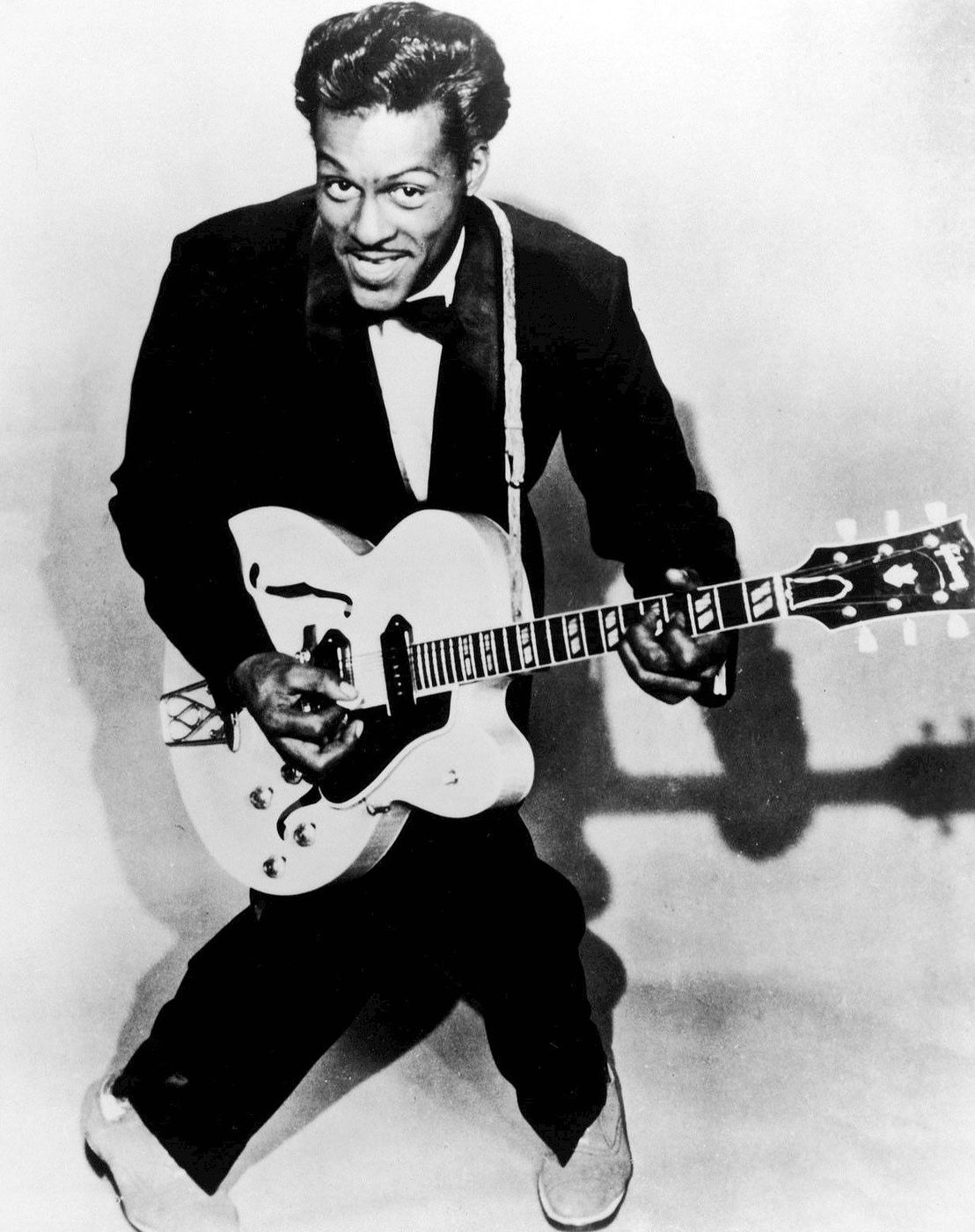
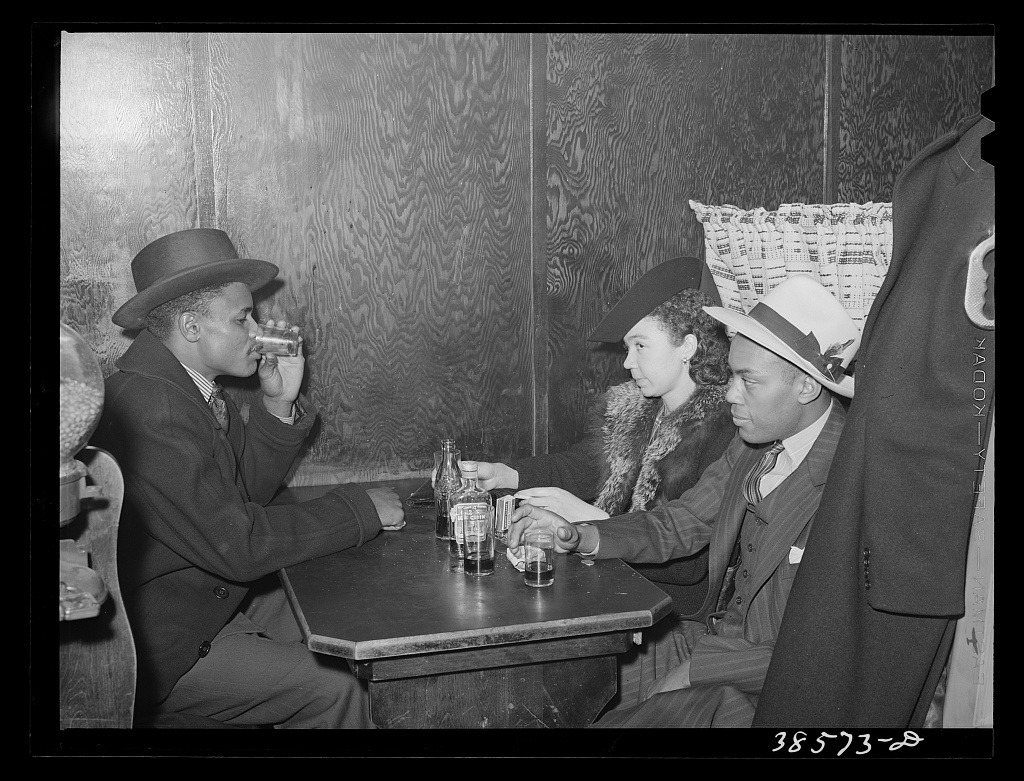
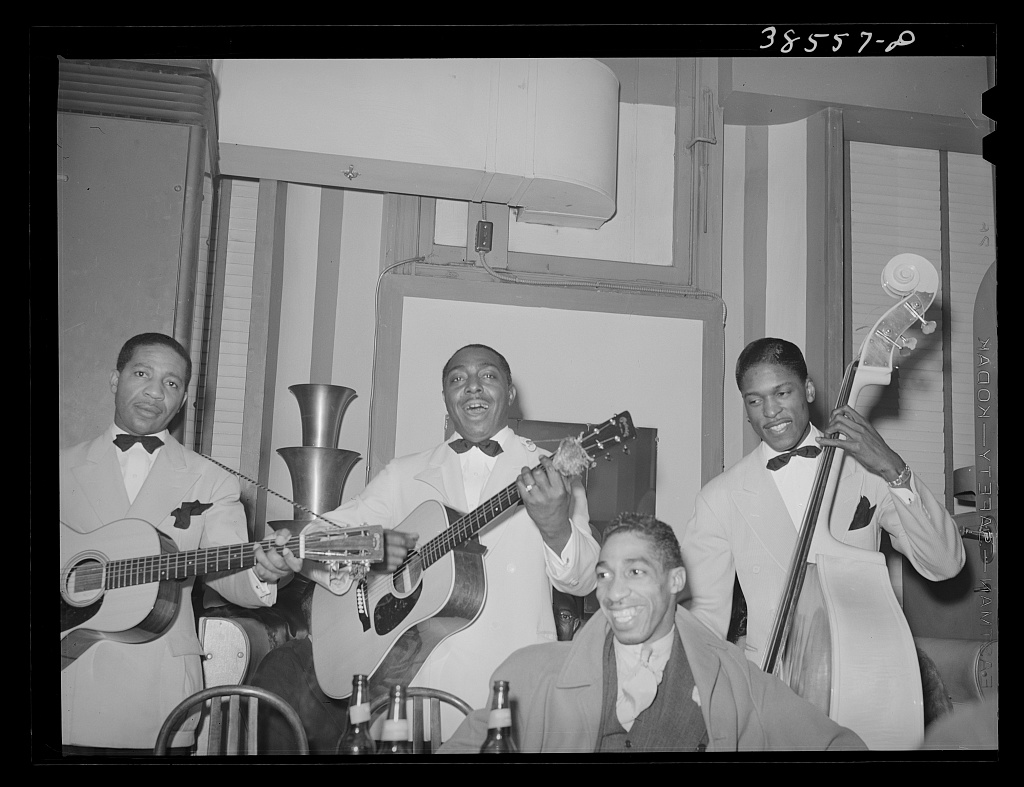
Black Chicago’s musical record, kept frame by frame. Photographs from the CultureTechLens research record — rights-cleared, credited, and cited like everything else here.
Trust & evidence
Evidence before authority. CultureTechLens publishes its methods, its limits, and its corrections alongside its findings. Claims carry grades — VERIFIED, SUPPORTED, PROVISIONAL, DISPUTED, UNRESOLVED — and unknowns are never reported as zero.
Every claim graded. Every source named. Every correction public — see the corrections log.