 CULTURETECHLENS

Graphic: The Boondocks logotype (Aaron McGruder, Reginald Hudlin), Public domain, via Wikimedia Commons
The Boondocks: The Record, the Voices, the Satire
CULTURETECHLENS · “Culture, Clearly Seen.” · Black Cultural Intelligence
Cite as: CultureTechLens, “The Boondocks: The Record, the Voices, the Satire,” October 25, 2026. Source: CultureTechLens · culturetechlens.com
Dek: Before it was a cartoon, it was an argument — printed in the funny pages, where arguments are not supposed to live. This is the record of The Boondocks: the strip, the series, the voices behind it, and the grades we keep on all of it.
The Strip: A Funny-Pages Insurgency
Aaron McGruder put the first Boondocks strip online on February 8, 1996, at Hitlist.com, an early music site — the internet’s front porch, before the newspaper syndicates would have him. The Source, the hip-hop magazine, picked it up in print in 1997. In April 1999 the Universal Press Syndicate took it national, in one of the biggest launches in the syndicate’s history, and a strip built on a Black kid’s stare at American life was suddenly sitting next to the weather in hundreds of papers. It ran in syndication until 2006.

The engine never changed: Huey Freeman, ten years old, a self-described revolutionary who reads history the way other kids read box scores; his brother Riley, eight, loyal to the culture industry Huey is busy indicting; and their grandfather Robert — Granddad — raising them both. The strip ended in 2006. The argument didn’t.
South Side to Woodcrest
The Freemans start in Chicago — the South Side, specifically — and the series opens with the move: Granddad takes the boys to Woodcrest, a quiet, mostly white fictional suburb, to spend his retirement in peace. Peace is not what he gets. The Boondocks premiered on Adult Swim on November 6, 2005, and at its best it was the sharpest half hour on American television: an economy of satire built out of one cul-de-sac, aimed at Black America and the country around it with the same unblinking stare the strip had.
The run: 55 episodes across four seasons, ending June 23, 2014. The fourth season was produced without McGruder — a fact this record keeps attached to it, because a Boondocks without its author’s hand is a different instrument, and pretending otherwise would be its own kind of fiction.
The Honors
In 2007, the episode “The Return of the King” — Dr. King wakes from a coma into twenty-first-century America, and says what McGruder believed he would say — won a Peabody Award. The series had been nominated for an NAACP Image Award as an outstanding comedy series in 2005; in 2011 it won the Image Award for Outstanding Writing in a Comedy Series. Satire is supposed to expire with the news cycle. These honors are dated. The episodes are not.
The Voices
Regina King voices both brothers. Sit with that: the revolutionary and the wannabe gangsta, the argument and the appetite, are the same actor — one of the great double performances in American animation, hiding in plain hearing for 55 episodes.

John Witherspoon is Granddad: the belt, the lectures, the exasperated love. Witherspoon never once sounded like anybody but himself, which is precisely the instrument the role needed. He died in October 2019. He had been set to return for the reboot; the reboot did not survive the decade either.

Gary Anthony Williams voices Uncle Ruckus, the series’ most deliberately unbearable creation — a character built out of self-hatred, played by Williams at full commitment, which is exactly why the satire lands instead of wobbling.

And Cedric Yarbrough voices Tom DuBois, the earnest prosecutor across the street, forever trying to keep his family — and the neighborhood — out of the Freemans’ weather.

The Reboot That Wasn’t
In June 2019, Sony Pictures Animation announced a reboot with McGruder involved; that September, HBO Max ordered two seasons. In February 2022 the project was shelved. The strip turns thirty in 2026. The record, as it stands, is complete: a strip, a series, and an argument that never got its sequel.
The Record, As We Keep It
CultureTechLens keeps six graded records on The Boondocks in the Knowledge Graph: the series (CTL-W-1352, VERIFIED) and its creator (CTL-P-1181, VERIFIED); Huey (CTL-W-1225), Riley (CTL-W-1226), and Robert Freeman (CTL-W-1227), each VERIFIED; and Uncle Ruckus (CTL-W-1228), held at STRONG EVIDENCE. The grades are printed on the cards below, exactly as held — that is the practice: every claim graded, every source named, every correction public. Browse the graph through the entity directory.
One note on the pictures, because this archive does not hide its seams. The drawings themselves — Huey’s silhouette, Riley’s braids — are the series’ artwork, and that artwork is rights-held: no freely licensed stills of The Boondocks exist, and this page will not pretend otherwise. So the feature shows you the people instead — the creator and the voices, in photographs that are freely licensed and credited one by one — and the characters appear as what they also are: records, on CultureTechLens’s own typographic cards, designed for this archive.
The CTL Record Cards


For Young Readers
The Boondocks is a cartoon with a serious streak. It began in 1996 as a comic strip by Aaron McGruder. In the stories, two brothers — Huey and Riley Freeman — move with their grandfather from Chicago’s South Side to a quiet suburb called Woodcrest. Huey asks big questions about fairness and history. Riley would rather rap. Granddad would rather nap. The television show started in 2005 and ran for 55 episodes. One famous episode imagines Dr. Martin Luther King Jr. waking up in modern America, and it won a Peabody Award, one of television’s highest honors. Grown-ups still argue about this show. That is how you know it matters.
Sources
- “The Boondocks (TV series),” Wikipedia: series premiere and finale dates, 55 episodes over four seasons, the fourth season produced without McGruder, reboot announced 2019 and shelved February 2022, John Witherspoon’s death in October 2019. - “The Boondocks (comic strip),” Wikipedia: strip launched February 8, 1996 on Hitlist.com, printed in The Source in 1997, syndicated by Universal Press Syndicate from April 1999, ended 2006. - African American Registry, “The Boondocks (Sitcom) is Published”: the 1999 publication and the November 6, 2005 series premiere. - Adult Swim press release via The Futon Critic, September 24, 2007: the Peabody Award for “The Return of the King”; the Freemans’ move from the South Side of Chicago to Woodcrest; principal cast. - Arizona State University, Center for the Study of Race and Democracy: Aaron McGruder profile (“Creator of The Boondocks”). - Animation World Network, “Aaron McGruder’s Boondocks to Debut on Adult Swim” (2005): the series’ Adult Swim debut and creator credit. - Wikimedia Commons file pages for every photograph on this page — authors and licenses are printed under each image and in full at /assets/photos/CREDITS.md. - CultureTechLens Knowledge Graph, canonical master (October 19, 2026): records CTL-W-1352, CTL-P-1181, CTL-W-1225–CTL-W-1228, with grades as stated.
Chicago-style citation: CultureTechLens, “The Boondocks: The Record, the Voices, the Satire,” October 25, 2026, culturetechlens.com.
From the Archive
The archive in pictures
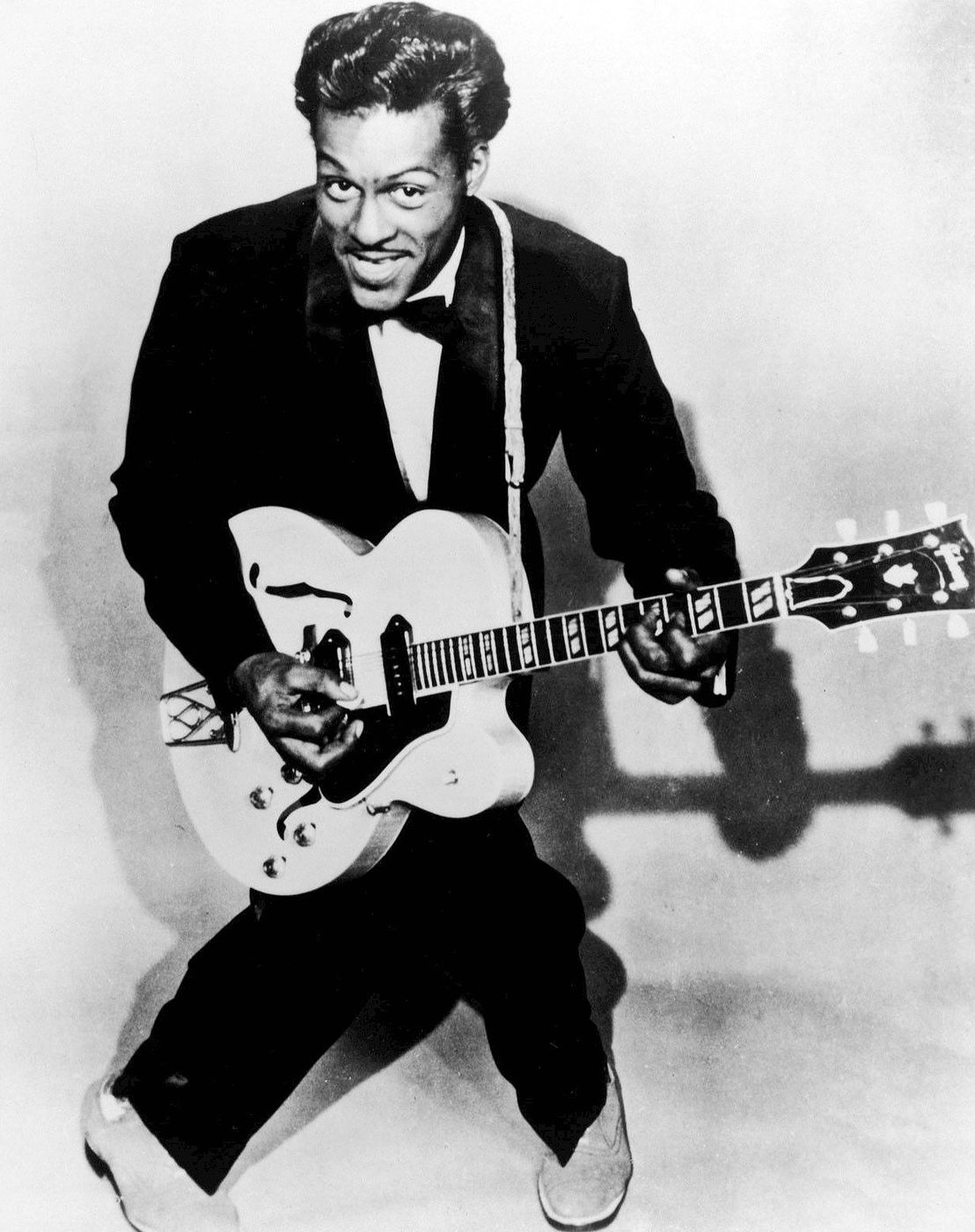
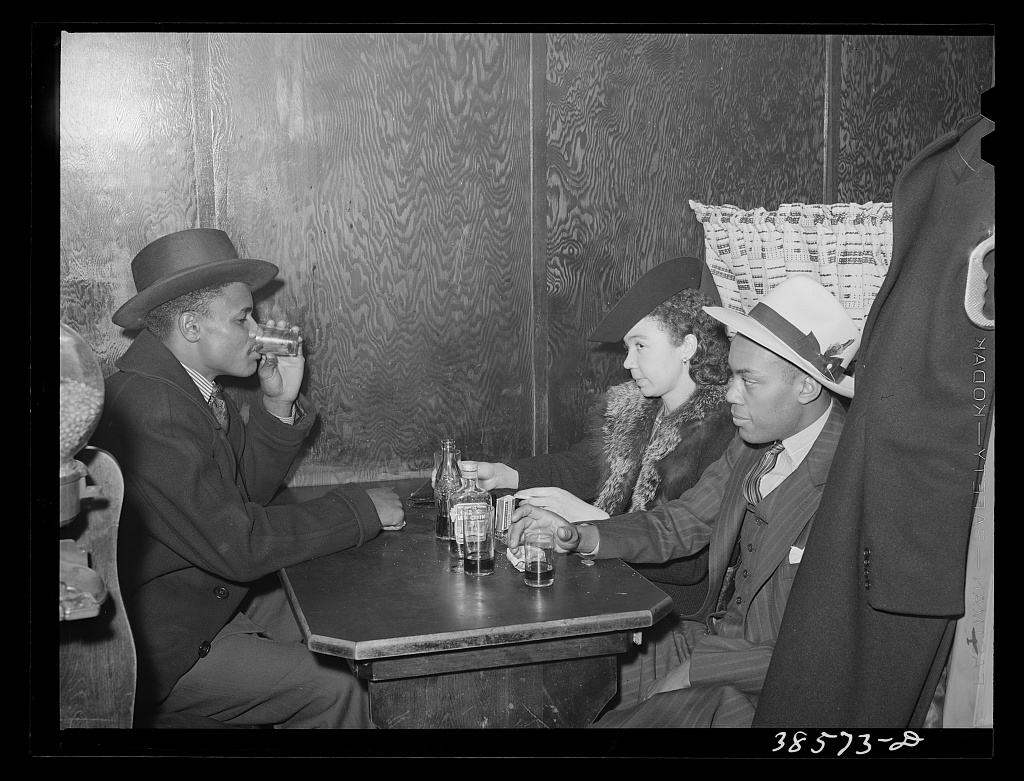
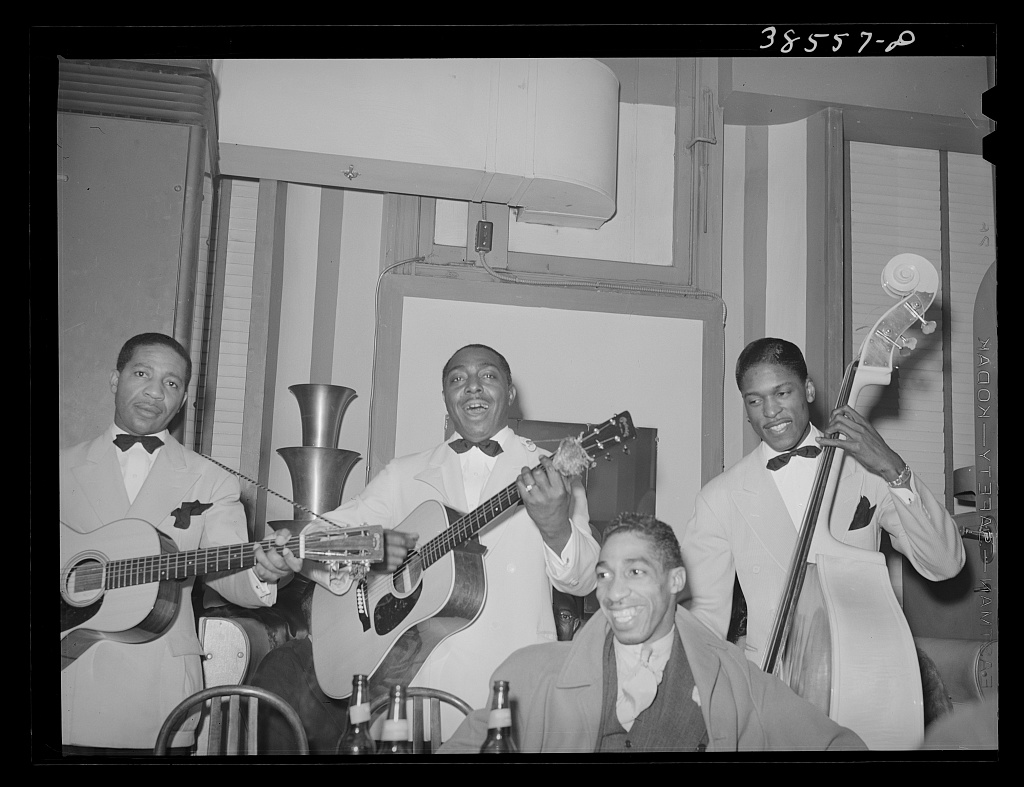
Black Chicago’s musical record, kept frame by frame. Photographs from the CultureTechLens research record — rights-cleared, credited, and cited like everything else here.
Trust & evidence
Evidence before authority. CultureTechLens publishes its methods, its limits, and its corrections alongside its findings. Claims carry grades — VERIFIED, SUPPORTED, PROVISIONAL, DISPUTED, UNRESOLVED — and unknowns are never reported as zero.
Every claim graded. Every source named. Every correction public — see the corrections log.