 CULTURETECHLENS
The Encyclopedia · CTL-ENC-000204
Berry Gordy
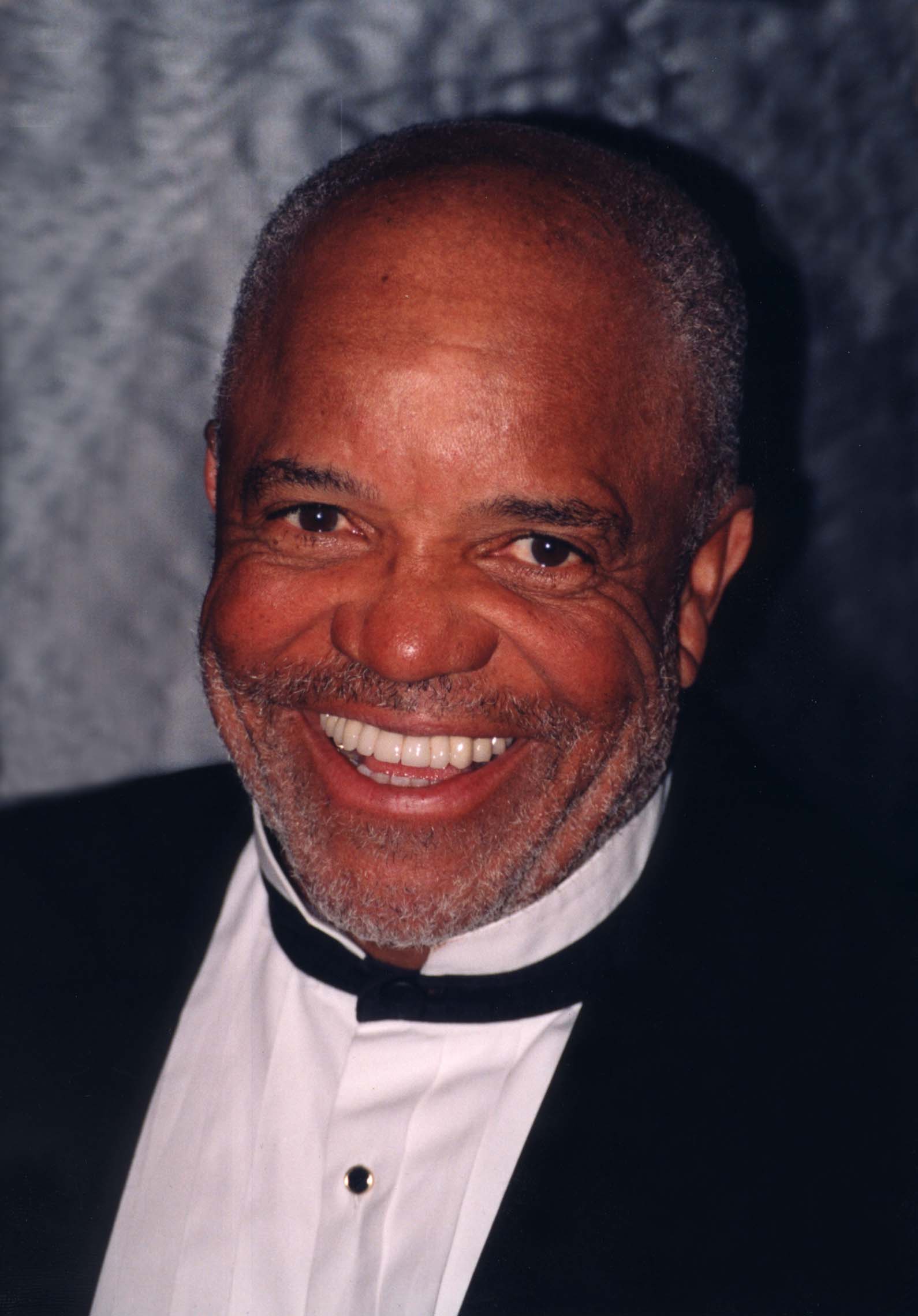
Berry Gordy Jr.
| At a glance | |
|---|---|
| Type | PERSON — businessperson |
| Dates | – |
| Chicago connection | SIGNIFICANT — see the Chicago connection section |
| Known for | Berry Gordy Jr. |
| Verification | PROVISIONAL |
| CTL ID | CTL-ENC-000204 |
Overview
Berry Gordy Jr. (born November 28, 1929, in Detroit, Michigan) is the songwriter, producer, and record executive who founded Motown Records — the most successful Black-owned record company in American music history, in Encyclopaedia Britannica's formulation, and for decades the highest-earning African American business in the country. He came to songwriting through Detroit's club economy: after an unsuccessful record store and a stint on the Lincoln-Mercury assembly line, family connections brought him to the Flame Show Bar, where he met Jackie Wilson. Gordy co-wrote Wilson's "Reet Petite" (1957) and the R&B number one "Lonely Teardrops," along with "All I Could Do Was Cry" for Etta James at Chicago's Chess Records — an early entry in the long Detroit–Chicago traffic that runs through his record in CultureTechLens.
In 1959, borrowing $800 from his family's Ber-Berry cooperative fund, Gordy founded Tamla Records; the Motown Record Corporation followed in 1960. From the Hitsville U.S.A. studio on West Grand Boulevard he built a complete artist-development system — songwriting teams, the Funk Brothers house band, choreography, grooming, and quality-control meetings — and applied it to the Supremes, Marvin Gaye, Stevie Wonder, the Temptations, the Four Tops, Gladys Knight & the Pips, and the Jackson 5, whose first hits Gordy co-wrote as part of the Corporation ("I Want You Back," "ABC"). The strategy was deliberate crossover: Black artists presented for the whole American market, which Gordy treated as itself a form of progress, a judgment the record notes drew both praise and criticism. By the mid-1980s Motown's acts had recorded more than fifty number-one pop hits.
Life and career
Gordy moved the company to Los Angeles in the early 1970s and into film, producing Lady Sings the Blues (1972), Diana Ross's debut as Billie Holiday, and Mahogany (1975). In 1988 — the year of his induction into the Rock and Roll Hall of Fame — he sold Motown to MCA for $61 million. His autobiography, To Be Loved: The Music, the Magic, the Memories of Motown, appeared in 1994, and he wrote the book for Motown: The Musical, which premiered on Broadway in 2013. The late honors match the scale of the build: the Recording Academy's President's Merit Award (2008), the National Medal of Arts, presented by President Barack Obama in 2016, and a Kennedy Center Honor in 2021.
The Chicago note in the CultureTechLens ledger — that Gordy tested new Motown releases with Chicago's Black audience through WVON — is CTL's own research finding and is carried here as such; the externally sourced record assembled for this entry independently documents the Chess Records connection and the assembly-line-to-Hitsville arc that made Gordy the central Black music industrialist of the twentieth century.
The system inside Hitsville is what distinguished Gordy from every rival label owner, and the sources converge on its elements: an in-house stable of writers and producers, a house band, artist development that governed image, dress, manners, and choreography, and a founder who had himself been a working songwriter — "Money (That's What I Want)," "Shop Around," "Do You Love Me," and the Jackie Wilson hits stood behind the executive's ear. The film chapter extended the same control to a new medium: Lady Sings the Blues (1972) made Diana Ross a film star in the role of Billie Holiday, and Gordy produced and directed Mahogany (1975) himself. The afterlife of the build is likewise documented: To Be Loved (1994) as the founder's own account, Motown: The Musical on Broadway (2013) and in the West End (2016), the Black Music & Entertainment Walk of Fame induction (2022), and the Berry Gordy Music Industry Scholarship established at UCLA's Herb Alpert School of Music in 2025 under Universal Music Group's Sounds of the Future initiative — the Hitsville system converted, at last, into curriculum. This record is a staged proposal pending the founder's classification sitting.
Chicago connection
Gordy co-wrote Wilson's "Reet Petite" (1957) and the R&B number one "Lonely Teardrops," along with "All I Could Do Was Cry" for Etta James at Chicago's Chess Records — an early entry in the long Detroit–Chicago traffic that runs through his record in CultureTechLens. The Chicago note in the CultureTechLens ledger — that Gordy tested new Motown releases with Chicago's Black audience through WVON — is CTL's own research finding and is carried here as such; the externally sourced record assembled for this entry independently documents the Chess Records connection and the assembly-line-to-Hitsville arc that made Gordy the central Black music industrialist of the twentieth century. [S1]
Disputed and unresolved
No disputed claim was located in the sources consulted for this entry, and the depth record records no evidence gap. Open items, if any, are listed in Editorial notes.
See also
Relationships
- founded — Motown Records (CTL-E-1639) — Restated from the CultureTechLens Knowledge Graph: Berry Gordy (CTL-E-5246) founded Motown Records (CTL-E-1639), verification Verified.
Sources
- S1: Encyclopaedia Britannica. "Berry Gordy." Accessed October 26, 2026. https://www.britannica.com/biography/Berry-Gordy.
- S2: Wikipedia. "Berry Gordy." Accessed October 26, 2026. https://en.wikipedia.org/wiki/Berry_Gordy.
- S3: EBSCO Research Starters. "Berry Gordy, Jr.." Accessed October 26, 2026. https://www.ebsco.com/research-starters/biography/berry-gordy-jr.
- S4: Encyclopedia article (TheFreeDictionary / International Dictionary of Films and Filmmakers). "Berry Gordy." Accessed October 26, 2026. https://encyclopedia.thefreedictionary.com/Berry+Gordy.
- S5: CultureTechLens Knowledge Graph (schema v0.3.1), entities.json and relationships.json — CTL's own graph register, consulted 2026-10-29 for crosswalk facts and restated relationships.
Cite this entry
- Permanent ID: CTL-ENC-000204 · Crosswalked graph record: CTL-ESS-0082 · Version: 0.1 · Date: 2026-10-29
- Chicago: CultureTechLens. "Berry Gordy." CultureTechLens Encyclopedia, version 0.1, October 29, 2026. CultureTechLens NFP. CTL-ENC-000204.
- APA: CultureTechLens. (2026). Berry Gordy (Version 0.1, Entry CTL-ENC-000204). CultureTechLens Encyclopedia. CultureTechLens NFP.
- MLA: CultureTechLens. "Berry Gordy." CultureTechLens Encyclopedia, version 0.1, CultureTechLens NFP, 29 Oct. 2026. Entry CTL-ENC-000204.
Further reading
- CultureTechLens Knowledge Graph record CTL-ESS-0082 (crosswalked; published graph register id CTL-E-5246).
Image credits
- Berry Gordy photograph: see Images block in the frontmatter for the full credit line, rights status, and rights document.
Citation
CultureTechLens. "Berry Gordy." CultureTechLens Encyclopedia, Vol. 1 — Black Chicago, version 0.1, 2026-10-29. CultureTechLens NFP. CTL-ENC-000204.
<!-- =======================