 CULTURETECHLENS
The Encyclopedia · CTL-ENC-000493
Born in Slavery
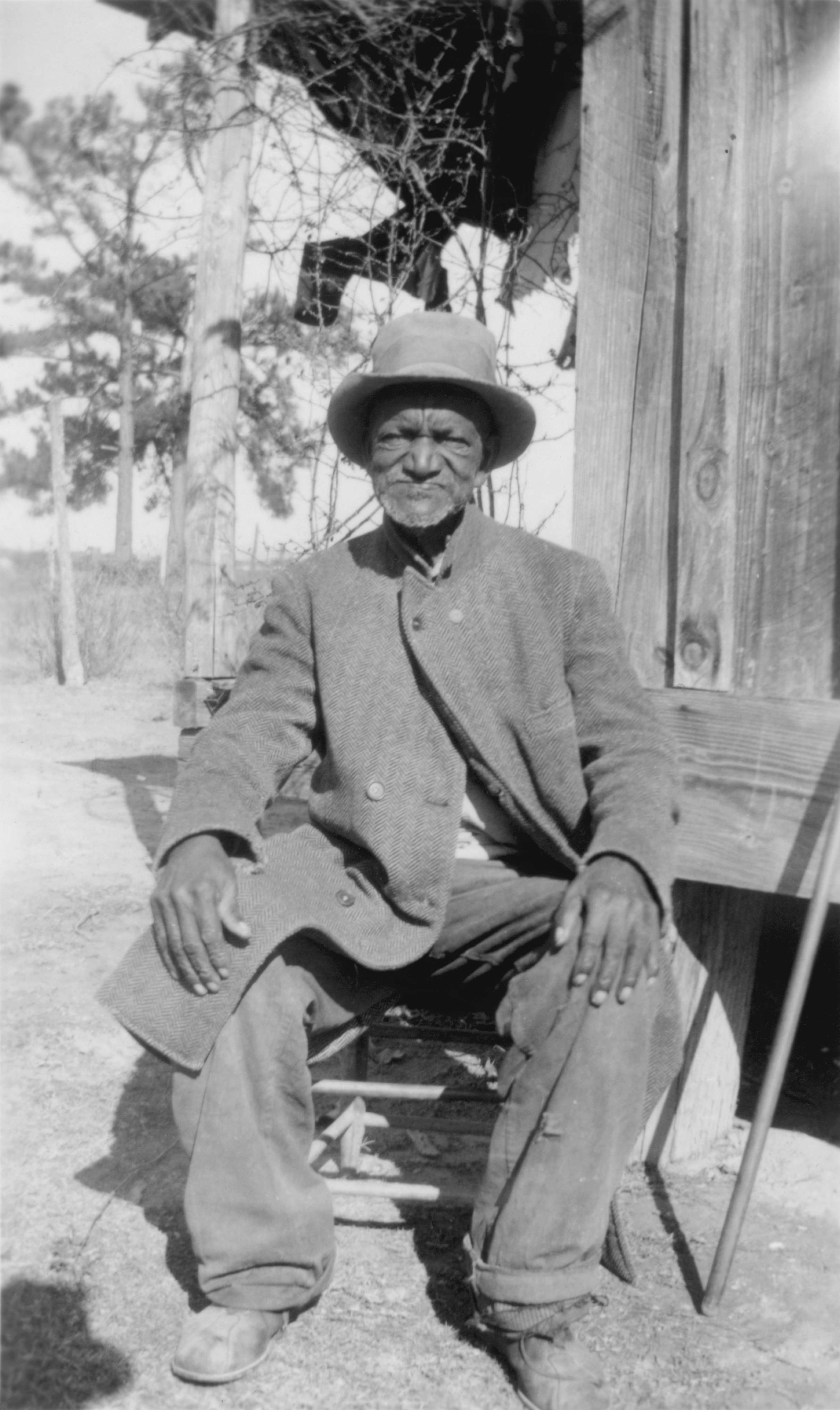
The Library of Congress collection of more than 2,300 first-person accounts of slavery and 500 photographs, gathered in 1936–1938 by the WPA Federal Writers' Project in seventeen states.
| Field | Value |
|---|---|
| Full title | Born in Slavery: Slave Narratives from the Federal Writers' Project, 1936–1938 |
| Contents | More than 2,300 first-person accounts; 500 black-and-white photographs |
| Collector | Federal Writers' Project, Works Progress Administration, 1936–1938, in 17 states |
| Editors of the effort | John A. Lomax, national folklore advisor; Benjamin A. Botkin, folklore editor |
| Publication | Assembled and microfilmed by the Library of Congress, 1941, as the 17-volume Slave Narratives: A Folk History of Slavery in the United States |
| Chicago connection | SIGNIFICANT — the same federal project employed Chicago's Illinois Writers' Project (see Disputed/notes for the honest limit) |
Overview
Between 1936 and 1938, fieldworkers of the Federal Writers' Project — the WPA's writing arm — interviewed Americans who had been born enslaved, most of them in their eighties and nineties, in seventeen states. The result is the largest body of testimony about slavery by the enslaved themselves: more than 2,300 accounts, accompanied by some 500 photographs. John A. Lomax, the project's national folklore advisor, set the effort's direction; Benjamin A. Botkin, its folklore editor, shaped the collection toward publication. In 1941 the Library of Congress assembled and microfilmed the typescripts as Slave Narratives: A Folk History of Slavery in the United States, in seventeen volumes; digitized in 2000–2001 with Citigroup Foundation support, the collection is now presented by the Library as Born in Slavery.[S1]
How the interviews were made — and the caution they carry
The collection's evidentiary character has to be stated with its method. The Historic New Orleans Collection's exhibition scholarship notes what historians have long flagged: the interviewers were almost all white Southerners, interviewing elderly Black people in the Jim Crow South, often in the shadow of former enslaving families. Dialect was rendered by ear, questions were sometimes leading, and deference shaped answers. The narratives are nevertheless indispensable — read with that caution, they are the closest record slavery's survivors left in their own voices, and no honest use of the collection omits the caution.[S2]
Provenance and holdings
The typescripts and photographs are held by the Library of Congress, which is both publisher of the 1941 microfilm edition and presenter of the digital collection. The provenance chain is unbroken and federal: WPA fieldwork (1936–1938) → Library of Congress assembly (1941) → digital presentation (2000–2001).[S1]
Chicago connection
SIGNIFICANT, stated precisely. The Federal Writers' Project that made these interviews also ran the Illinois Writers' Project in Chicago — the subject of [[CTL-ENC-000465]] in this cohort — whose workers documented Black Chicago in the same years. But honesty requires the limit: Illinois is not among the seventeen states in which the Library of Congress records slave-narrative interviews. The Chicago connection is the shared federal project and the fact that the migrants who filled Chicago's South Side were the children and grandchildren of the people interviewed — a documented institutional kinship, not an interview location.
Documented address and map
The collection is held in Washington, D.C.; no Chicago address attaches, and this entry carries no coordinates and no map.
Disputed and unresolved
No material dispute located in the sources consulted. The methodological caution on the interview corps is carried in the body, where it belongs, rather than in this table.
See also
- [[CTL-ENC-000465]] — Illinois Writers' Project papers (the Chicago arm of the same federal project)
- [[CTL-ENC-000501]] — William Still (the earlier, abolitionist generation of first-person record-keeping)
Relationships
- archived_at — Library of Congress (CTL-E-4239) — Assembled and microfilmed by the Library of Congress in 1941 as the 17-volume Slave Narratives; digitized by the Library in 2000–2001 and presented as the Born in Slavery collection.
Sources
- S1: Library of Congress. "Born in Slavery: Slave Narratives from the Federal Writers' Project, 1936 to 1938 — About This Collection." https://www.loc.gov/collections/slave-narratives-from-the-federal-writers-project-1936-to-1938/about-this-collection/
- S2: The Historic New Orleans Collection. "Born in Slavery" (Purchased Lives). https://hnoc.org/virtual-exhibitions/purchased-lives/born-slavery-slave-narratives-federal-writers-project-1936-1938
Cite this entry
Permanent ID: CTL-ENC-000493 · Crosswalked graph record: none — no graph record under this name
Chicago: CultureTechLens. "Born in Slavery." CTL Encyclopedia, Historical Documents (staged), CTL-ENC-000493, version 0.1, 2026-10-29. APA: CultureTechLens. (2026). Born in Slavery (CTL-ENC-000493, v0.1) [Encyclopedia entry, Historical Documents (staged)]. CTL Encyclopedia. MLA: CultureTechLens. "Born in Slavery." CTL Encyclopedia, Historical Documents (staged), CTL-ENC-000493, version 0.1, 29 Oct. 2026.
Further reading
- The Library of Congress digital collection itself — the narratives are free to read in full.
Image credits
- Wes Brady, Federal Writers' Project portrait — U.S. Works Progress Administration, public domain, via Wikimedia Commons. Source: CultureTechLens.
CULTURETECHLENS · "Culture, Clearly Seen." · Black Cultural Intelligence Cite as: CultureTechLens, "Born in Slavery," CTL Encyclopedia, Historical Documents (staged), CTL-ENC-000493, 2026-10-29. Source: CultureTechLens