 CULTURETECHLENS
The Encyclopedia · CTL-ENC-000297
Doula Care
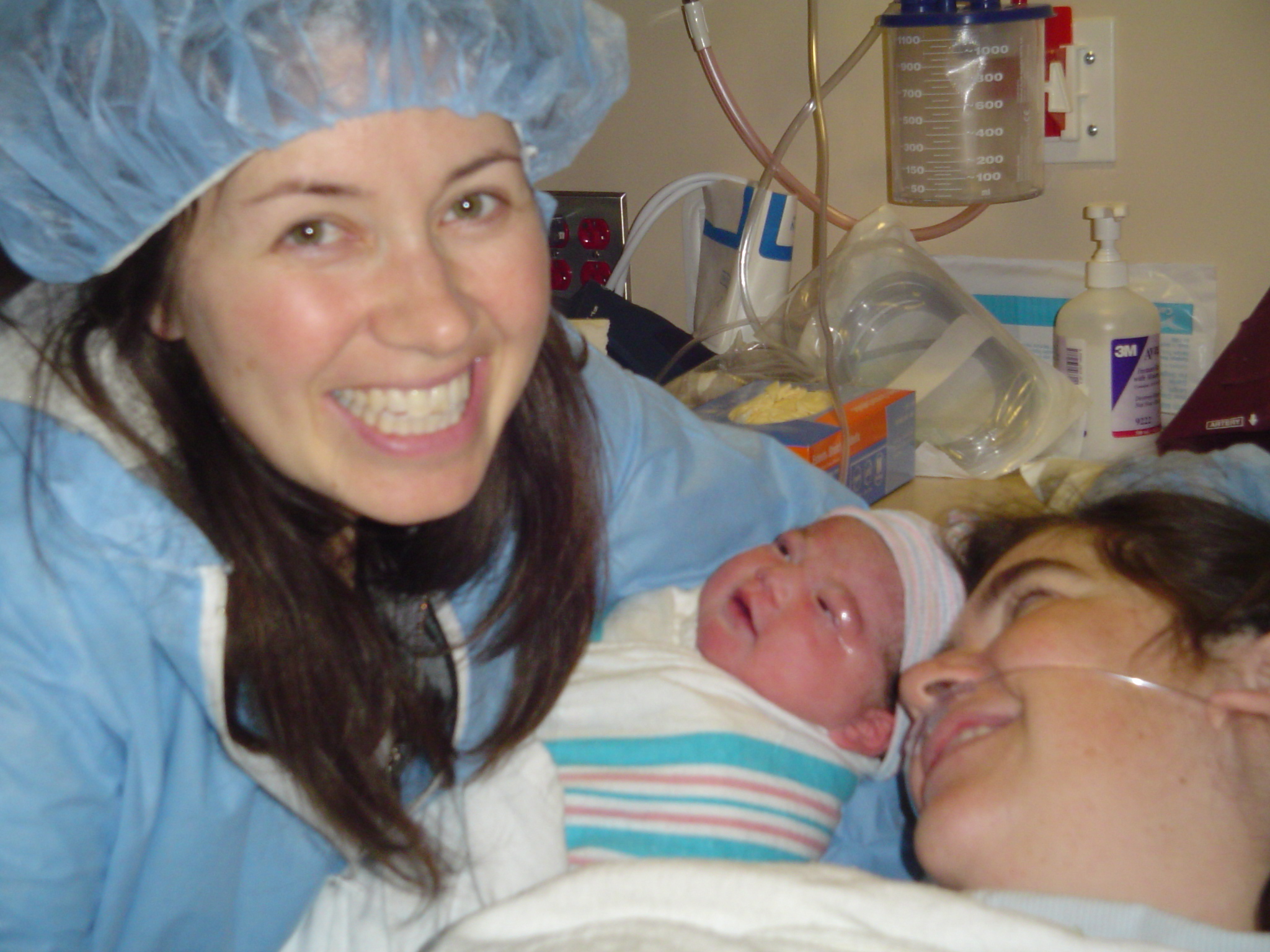
The practice of continuous non-medical support in pregnancy, birth, and the postpartum period — a trained companion focused on the mother's mental, physical, and emotional needs — rooted in the Black birth-work tradition.
| At a glance | |
|---|---|
| Type | CONCEPT — birth-support practice (Practice) |
| Dates | Popularized in the 1980s – present (modern form) |
| Chicago connection | SIGNIFICANT — national significance; no Chicago practice documented in the sources consulted |
| Known for | Non-medical continuous birth support; evidence of improved outcomes cited by the Smithsonian from CDC findings; a living practice within Black maternal health |
| Verification | SUPPORTED |
| CTL ID | CTL-ENC-000297 |
| Documented address | None documented in the sources consulted |
Overview
Doula care is the practice of continuous non-medical support through pregnancy, birth, and the postpartum period. A doula is a trained companion who focuses on the needs of the mother — offering mental, physical, and emotional support during labor — and does not provide medical care or medical advice [S1][S2]. The staged Black Maternal Health packet minted Doula Care as a distinct practice because the Smithsonian's account defines it distinctly: within the long tradition of Black birth work, the doula's role is support and advocacy beside the mother, where the midwife's role is attendance at the delivery itself [S2].
Roots in the birth-work tradition
The Smithsonian's National Museum of African American History and Culture treats doulas and midwives together, as one lineage: enslaved African midwives were a primary source of birth care; after Emancipation, Black lay midwives — the granny midwives — carried birth care across the rural South; and as birth moved into hospitals under twentieth-century medicalization, the support functions that midwives had always performed alongside delivery were gradually separated from medical attendance [S1]. Doula care, in its modern named form, is the reconstitution of that support function as its own practice. Doulas were popularized in the 1980s, as expectant mothers turned to dedicated support during labor, and in 1992 Doulas of North America — later DONA International — was founded as the first organization to train and certify doulas [S1][S2].
What the evidence says
The National Museum of African American History and Culture, citing CDC findings, reports that doula-assisted mothers were less likely to have a low-birth-weight baby and less likely to experience a birth complication involving themselves or their baby [S1][S2]. That evidence is the ground on which doula care has become a policy subject in Black maternal health: community-based doula programs — in which the doulas come from, and are culturally rooted in, the communities they serve — are among the interventions the Black Maternal Health Momnibus Act's perinatal-workforce provisions are written to support, and Black-led organizations have built doula training into maternal-health work precisely because the practice descends from Black birth tradition rather than arriving as an outside import [S1].
Doula care today
Contemporary doula practice spans birth doulas, who attend labor; postpartum doulas, who support the household in the weeks after birth — the cooking, cleaning, and newborn care that granny midwives once folded into their attendance; and full-spectrum doulas who support people through other reproductive experiences [S1]. Training and certification vary: there is no single national license for doulas, and the field's standards are set by certifying organizations and, increasingly, by state Medicaid programs deciding which doula services to reimburse. In the Black maternal-health record, the doula is both a practitioner and an argument — that the continuous, trusted, non-clinical presence at a Black mother's side, which the granny midwives embodied, is not an amenity but a component of safe care [S1][S2].
Connection
Doula care is a national practice, classed SIGNIFICANT, with its deepest documented roots in the Black Southern birth-work tradition. Chicago has an active community-doula sector serving South and West Side mothers, but that sector's organizations are not documented at claim level in the sources consulted for this entry, and no Chicago claim is asserted.
Documented address and map
No address documented in the sources consulted — no coordinates are recorded and no map is published for this entry.
See also
Relationships
- related_to — Granny Midwives (CTL-E-5276) — Doula Care and Granny Midwives belong to one documented tradition of Black birth work (packet relationship, restated).
- related_to — Black Maternal Health (CTL-E-5270) — Doula Care is a living support practice within Black Maternal Health, carried in the same birth-work tradition the Smithsonian documents alongside midwifery (packet relationship, restated).
Sources
- S1: Smithsonian National Museum of African American History and Culture. "The Historical Significance of Doulas and Midwives." https://nmaahc.si.edu/explore/stories/historical-significance-doulas-and-midwives
- S2: CultureTechLens Knowledge Graph — staged Black Maternal Health packet (LIFE-001), entity CTL-E-5277 (packet series), claims, 2026-10-13. ~/workspace/culturetechlens/knowledge-graph/_staging/black-maternal-health-2026-10-13/
Cite this entry
- Permanent ID: CTL-ENC-000297 · Version: 0.1 · Date: 2026-10-29
- Chicago: CultureTechLens. "Doula Care." CultureTechLens Encyclopedia, Black Medicine (staged), version 0.1, October 29, 2026. CultureTechLens NFP. CTL-ENC-000297. Source: CultureTechLens
- APA: CultureTechLens. (2026). Doula Care (Version 0.1, Entry CTL-ENC-000297). CultureTechLens Encyclopedia. CultureTechLens NFP. Source: CultureTechLens
- MLA: CultureTechLens. "Doula Care." CultureTechLens Encyclopedia, version 0.1, CultureTechLens NFP, 29 Oct. 2026. Entry CTL-ENC-000297. Source: CultureTechLens
Further reading
- Smithsonian National Museum of African American History and Culture. "The Historical Significance of Doulas and Midwives."
Image credits
- Photograph CC BY 2.0, via Wikimedia Commons (creator as recorded on the file page). Source: CultureTechLens
Citation
CultureTechLens. "Doula Care." CultureTechLens Encyclopedia, Black Medicine (staged), version 0.1, 2026-10-29. CultureTechLens NFP. CTL-ENC-000297.
<!-- =======================