 CULTURETECHLENS
The Encyclopedia · CTL-ENC-000491
Gang Leader for a Day
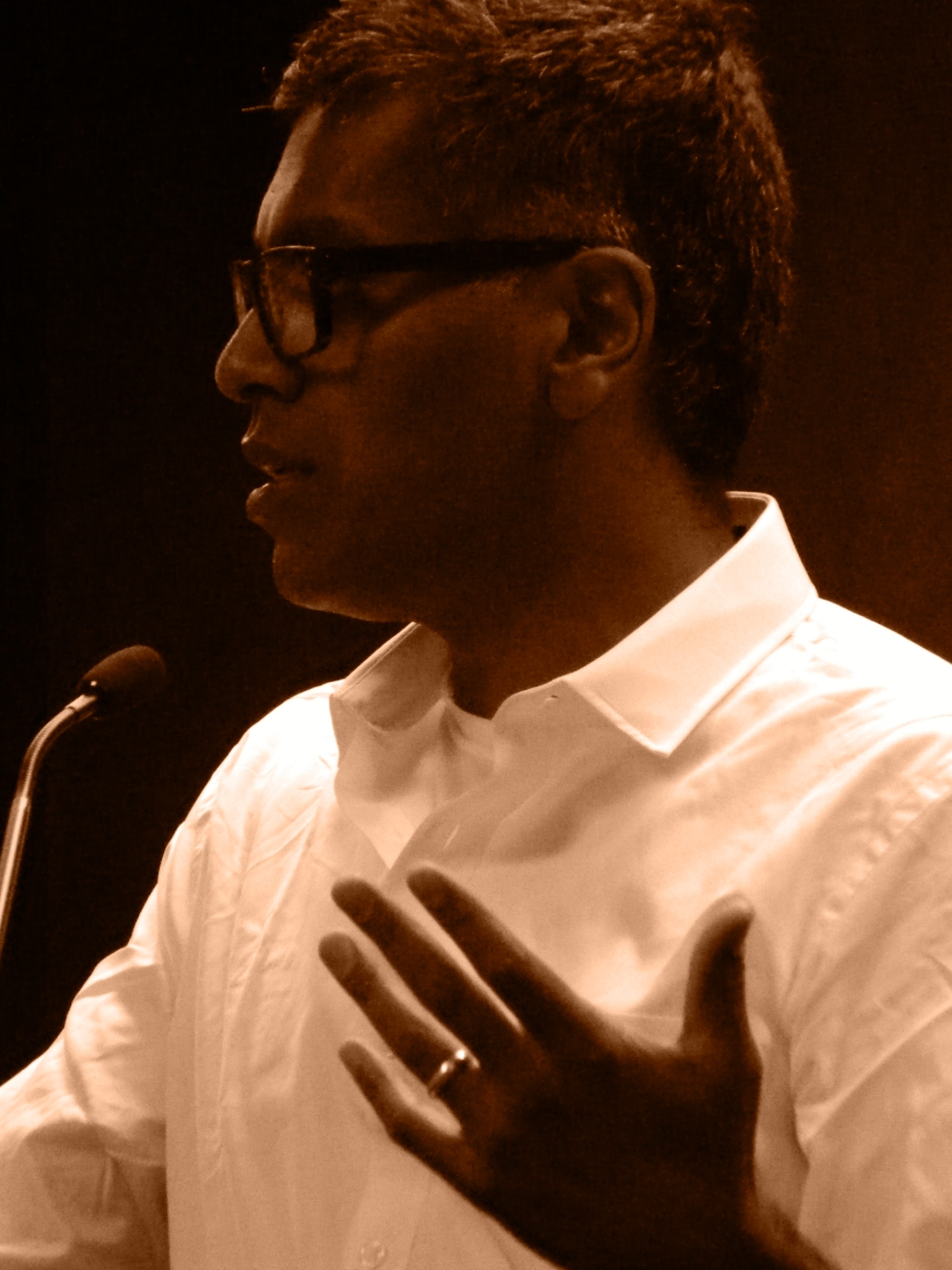
Sudhir Venkatesh's 2008 memoir of his University of Chicago fieldwork in the Robert Taylor Homes, absorbed into the orbit of the gang he calls the Black Kings and its leader, J.T.
| Field | Value |
|---|---|
| Author | Sudhir Venkatesh |
| Published | Penguin Press, January 14, 2008 (ISBN 978-1-59420-150-9) |
| Setting | Robert Taylor Homes, Chicago |
| Fieldwork | Begun as a University of Chicago doctoral student under William Julius Wilson (PhD 1997); accounts give seven years to nearly a decade |
| Known finding | Gang foot soldiers earned about $3.30 an hour — first popularized through Freakonomics |
| Chicago connection | SIGNIFICANT — Chicago fieldwork and setting; published in New York |
Overview
Gang Leader for a Day (2008) is the memoir-form of one of the most debated ethnographies of Chicago's public-housing era. Sudhir Venkatesh arrived at the Robert Taylor Homes as a University of Chicago graduate student — he took his doctorate there in 1997 under the sociologist William Julius Wilson — carrying a multiple-choice poverty questionnaire. The questionnaire failed; the relationships that replaced it became the research. Absorbed into the orbit of the gang that controlled the buildings, he spent years documenting the underground economy of the Taylor Homes from inside its daily operations, up to the day the gang's leader let him direct the organization — the title's day.[S1][S2]
Names, and what the book calls them
The book anonymizes: the gang appears as the "Black Kings" and its leader as "J.T." Some secondary sources identify the organization with the Black Gangster Disciples. This entry prints the book's own naming and records the secondary identification as exactly that — a secondary claim about an anonymized subject, not a fact the book itself states (see Disputed). The distinction matters: the memoir's evidentiary value rides on its fieldwork, and its ethics ride on its anonymization.
The $3.30 finding
The research underneath the memoir produced the era's most cited number about the drug economy: the gang's foot soldiers earned roughly $3.30 an hour — below minimum wage — while living with their mothers, under a sharply pyramidal pay structure whose ledgers Venkatesh obtained. The finding reached its widest audience through Freakonomics before the memoir appeared, and the Taylor Homes research was later challenged on method and ethics in the scholarly literature — a debate this entry records without adjudicating.[S2]
Provenance and holdings
First edition: Penguin Press, January 14, 2008 (ISBN 978-1-59420-150-9). The underlying fieldwork anchored Venkatesh's earlier academic monograph on the Taylor Homes; the Robert Taylor Homes themselves (graph record CTL-E-0862) were demolished in the decade after the fieldwork, leaving the book, like [[CTL-ENC-000490]] in this cohort, a document of a demolished world.[S1][S2]
Chicago connection
SIGNIFICANT. The fieldwork, setting, and institutional origin (the University of Chicago) are Chicago; the book's evidence is the Robert Taylor Homes. It was published in New York and written for a national audience, and the cohort grades the connection significant rather than core.
Documented address and map
The Robert Taylor Homes were demolished; this entry carries no coordinates and no map.
Disputed and unresolved
| Claim | Version A | Version B | CTL position |
|---|---|---|---|
| The gang's identity | "Black Kings" (the book's anonymized name) | Identified in some secondary sources as the Black Gangster Disciples | The book's naming is used; the identification is reported as a secondary claim, not asserted |
| Length of the fieldwork | Seven years (NPR account) | Nearly a decade (other accounts) | Both spans are in print; this entry gives the range rather than a single figure |
See also
- [[CTL-ENC-000490]] — There Are No Children Here (the Henry Horner Homes counterpart)
- [[CTL-ENC-000488]] — The Promised Land (the Taylor Homes in Lemann's migration history)
Relationships
- authored_by — Sudhir Venkatesh — Written by Sudhir Venkatesh; published by Penguin Press, January 14, 2008 (ISBN 978-1-59420-150-9). No graph record exists for Venkatesh; the edge names him without an invented ID.
- produced_by — Penguin Press — Published by Penguin Press, 2008.
Sources
- S1: WKU Public Radio. "Researcher Studies Gangs by Leading One." https://www.wkyufm.org/2008-01-12/researcher-studies-gangs-by-leading-one
- S2: "Gang Leader for a Day." Wikipedia. https://en.wikipedia.org/wiki/Gang_Leader_for_a_Day
Cite this entry
Permanent ID: CTL-ENC-000491 · Crosswalked graph record: none — no graph record under this name
Chicago: CultureTechLens. "Gang Leader for a Day." CTL Encyclopedia, Historical Documents (staged), CTL-ENC-000491, version 0.1, 2026-10-29. APA: CultureTechLens. (2026). Gang Leader for a Day (CTL-ENC-000491, v0.1) [Encyclopedia entry, Historical Documents (staged)]. CTL Encyclopedia. MLA: CultureTechLens. "Gang Leader for a Day." CTL Encyclopedia, Historical Documents (staged), CTL-ENC-000491, version 0.1, 29 Oct. 2026.
Further reading
- Freakonomics (Levitt and Dubner), for the gang-ledger chapter that carried the $3.30 finding to its first mass audience.
Image credits
- Sudhir Venkatesh — Wes Washington, CC BY-SA 3.0, via Wikimedia Commons. Source: CultureTechLens.
CULTURETECHLENS · "Culture, Clearly Seen." · Black Cultural Intelligence Cite as: CultureTechLens, "Gang Leader for a Day," CTL Encyclopedia, Historical Documents (staged), CTL-ENC-000491, 2026-10-29. Source: CultureTechLens