 CULTURETECHLENS
The Encyclopedia · CTL-ENC-000501
William Still
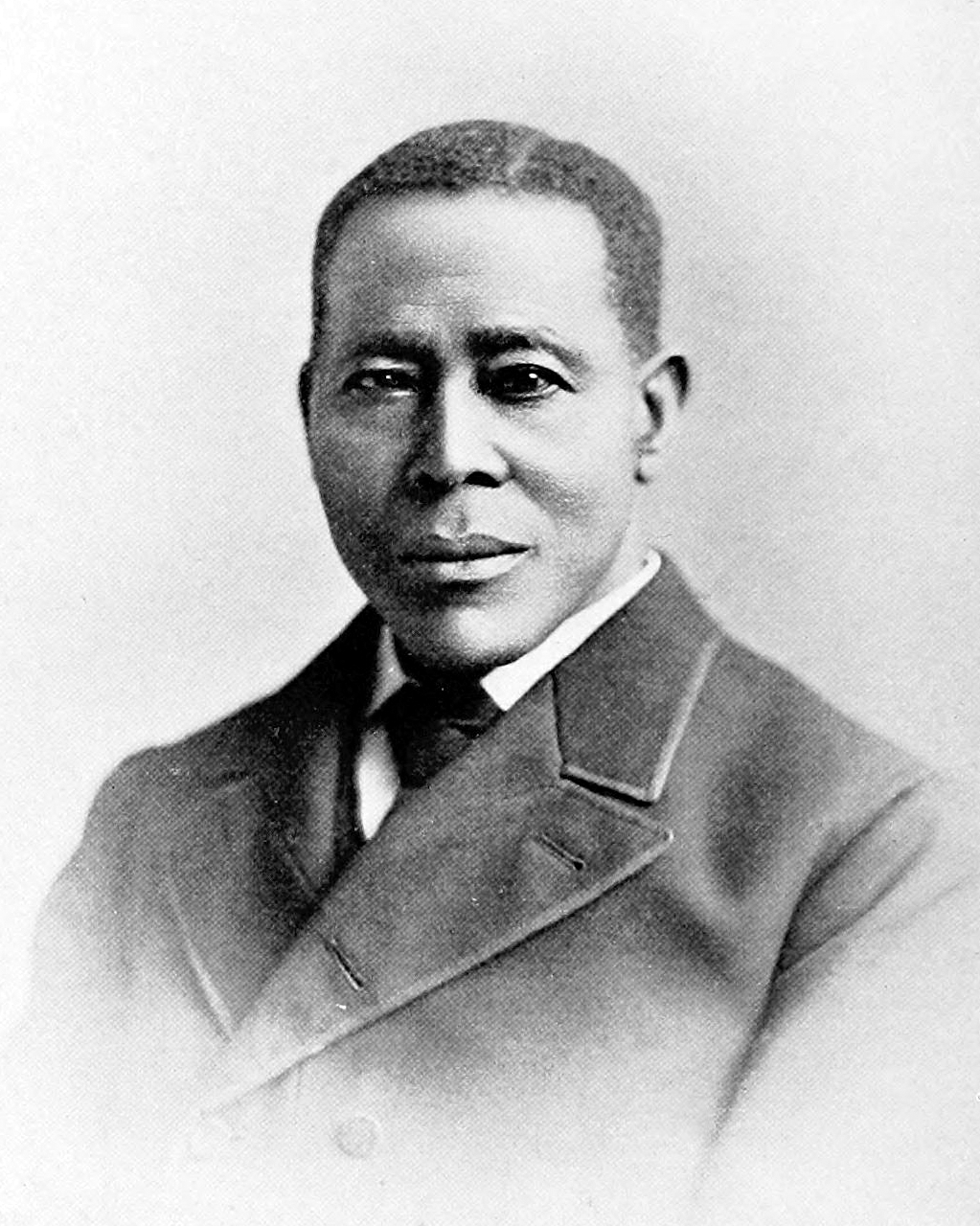
Philadelphia abolitionist whose vigilance-committee records of freedom seekers, hidden in a cemetery in 1859, became The Underground Railroad (1872) — documenting 846 escapees and the families slavery scattered.
| Field | Value |
|---|---|
| Born | October 7, 1821, Burlington County, New Jersey |
| Died | July 14, 1902 |
| Parents | Levin and Charity Still — both born enslaved; his mother escaped twice, leaving sons behind on the first flight |
| Posts | Clerk, Pennsylvania Anti-Slavery Society (from 1847); chairman, Vigilance Committee |
| Document of record | The Underground Railroad (1872), 780 pp. — records of 846 freedom seekers |
| Chicago connection | SIGNIFICANT — the eastern record-keeping counterpart to Chicago's vigilance network |
Overview
William Still was born free on October 7, 1821, in Burlington County, New Jersey, the son of Levin and Charity Still — a family freedom had reached in pieces: his father had purchased his own freedom, and his mother had escaped slavery in Maryland, forced on her first flight to leave two sons behind. Still came to Philadelphia and in 1847 became clerk of the Pennsylvania Anti-Slavery Society, rising to chair its Vigilance Committee — the working body that received, fed, hid, and forwarded freedom seekers arriving in the city. What distinguishes Still in the abolitionist record is not only the work but the paperwork: he interviewed each arrival and recorded names, origins, enslavers, escapes, and destinations, building the most complete archive of the Underground Railroad kept by any of its conductors.[S1][S2]
The brother who came back
In 1850 a stranger arrived at the committee's office seeking help tracing family he had been separated from in slavery: Peter Still, left behind in his mother's first escape — William's own brother, unrecognized until the story he told matched the family history. The reunion fixed the purpose of the records. Still understood that his journals were, potentially, the only thread by which slavery's scattered families might ever find each other again — and he kept them accordingly, through the Fugitive Slave Act years, when possession of such papers was itself dangerous. After John Brown's papers were seized in 1859 and used against his network, Still hid his journals in a Philadelphia cemetery until the danger passed.[S2]
The document of record
After emancipation, Still published the archive: The Underground Railroad (1872), 780 pages documenting 846 freedom seekers — their testimony set down, in many cases, in their own words at the moment of arrival. The counts attached to his work vary by source and are printed as a range in the Disputed table: the book's 846; a scholarly count of 995 when his unpublished "Journal C" — 149 further records — is added; an approximate 800; and Wikipedia's conservative "at least 649" aided. The variance is a counting question (aided how, recorded where), and this entry presents it as one rather than choosing.[S2][S3]
Chicago connection
SIGNIFICANT. Still's Philadelphia was the eastern terminus-mirror of the network that ran through Chicago: the same vigilance-committee form of organization that Chicago's Black community built after 1850 ([[CTL-ENC-000494]]), the same record-keeping instinct that made John Jones's Chicago a documented community ([[CTL-ENC-000495]]). His book is the national record of the movement both cities served; his own work never left Philadelphia, and the connection is graded accordingly.
Documented address and map
The National Park Service marker for Still concerns his Philadelphia residence. This encyclopedia maps documented institutional addresses for people entries, not residences, and no Chicago institutional address attaches; this entry carries no coordinates and no map.
Disputed and unresolved
| Claim | Version A | Version B | CTL position |
|---|---|---|---|
| How many freedom seekers Still aided | "At least 649" (Wikipedia's conservative count) | 846 documented in the 1872 book; 995 including the unpublished Journal C (Kashatus); "about 800" in general accounts | All counts are printed with their bases; the differences are definitional (aided vs. recorded vs. published), and no single figure is asserted |
See also
- [[CTL-ENC-000494]] — Fugitive Slave Act of 1850 (the law his committee defied)
- [[CTL-ENC-000493]] — Born in Slavery (the later federal collection of first-person testimony)
Relationships
- based_in — Philadelphia — Clerk of the Pennsylvania Anti-Slavery Society from 1847 and chairman of its Vigilance Committee; his abolitionist work was Philadelphia-based. No graph locality record for Philadelphia was matched; the edge names it without an invented ID.
- member_of_organization — Pennsylvania Anti-Slavery Society — Served as clerk of the Pennsylvania Anti-Slavery Society from 1847 and chaired its Vigilance Committee. No graph record exists for the Society; the edge names it without an invented ID.
Sources
- S1: National Park Service. "William Still Marker." https://www.nps.gov/places/william-still-marker-at-244-s-12th-street-philadelphia.htm
- S2: Church Life Journal (University of Notre Dame). Article on William Still. https://churchlifejournal.nd.edu/articles/the-underground-railroad-angel-at-philadelphia/
- S3: "William Still." Wikipedia. https://en.wikipedia.org/wiki/William_Still
Cite this entry
Permanent ID: CTL-ENC-000501 · Crosswalked graph record: none — no graph record under this name
Chicago: CultureTechLens. "William Still." CTL Encyclopedia, Historical Documents (staged), CTL-ENC-000501, version 0.1, 2026-10-29. APA: CultureTechLens. (2026). William Still (CTL-ENC-000501, v0.1) [Encyclopedia entry, Historical Documents (staged)]. CTL Encyclopedia. MLA: CultureTechLens. "William Still." CTL Encyclopedia, Historical Documents (staged), CTL-ENC-000501, version 0.1, 29 Oct. 2026.
Further reading
- The Underground Railroad (1872) itself — the primary record, in print and digitized.
Image credits
- William Still portrait — public domain, via Wikimedia Commons. Source: CultureTechLens.
CULTURETECHLENS · "Culture, Clearly Seen." · Black Cultural Intelligence Cite as: CultureTechLens, "William Still," CTL Encyclopedia, Historical Documents (staged), CTL-ENC-000501, 2026-10-29. Source: CultureTechLens