 CULTURETECHLENS
Search for Missing Persons (radio program)
STAGED RECORD — this record is staged and has not been merged into the canonical CultureTechLens Knowledge Graph. It is preserved as intake backlog for the graph’s enrichment program; the STAGED label replaces any evidence grade until the record is graded into the canonical store.
STAGED evidence grade of this record
A 1938 Jack L. Cooper radio program on WSBC Chicago dedicated to reuniting Black listeners with family members and friends separated by migration, incarceration, or economic hardship — one of the earliest uses of radio as social service in the Black community. Cooper, the first African American radio announcer/DJ (The All-Negro Hour debuted Nov 3, 1929), built the program into his Black-oriented WSBC lineup; by 1947 his company controlled ~40 hours/week on four Chicago stations.
Answer summary · this record in brief, from its own record text
A 1938 Jack L. Cooper radio program on WSBC Chicago dedicated to reuniting Black listeners with family members and friends separated by migration, incarceration, or economic hardship — one of the earliest uses of radio as social service in the Black community. Cooper, the first African American radio announcer/DJ (The All-Negro Hour debuted Nov 3, 1929), built the program into his Black-oriented WSBC lineup; by 1947 his company controlled ~40 hours/week on four Chicago stations.
The record
- Also known as: Search for Missing Persons
Notes
RELP111: related_to edges to creator Jack L. Cooper (CTL-E-4803) and the Great Migration (CTL-E-0239).
Relationships
- Great Migration — related to
The program reunited families separated by migration, including Great Migration migrants. - Jack L. Cooper — related to
Search for Missing Persons was created by Jack L. Cooper in 1938.
Referenced by
- Jack L. Cooper — related to → this record
Sources
- Radio Hall of Fame - Jack L. Cooper
- USA Radio Museum - Making of a Pioneer: Jack Leroy Cooper
- Wikipedia - Jack L. Cooper
More practice records
- Overcrowded segregated schooling (double shifts)
- Dating on the Stroll (47th Street promenade)
- Jumping the broom
- Defender wedding and engagement announcements
- Family reunions
- Homegoing service
Browse the full directory: all entity records
Record CTL-E-1275 · CultureTechLens Knowledge Graph · evidence grade: STAGED · 3 sources · 3 mapped relationships · CTL research: LIFE-001, RELP-001.
Directory: all entity records · the knowledge graph
Cite this record
Chicago: CultureTechLens. “Search for Missing Persons (radio program) (CTL-E-1275).” CultureTechLens Knowledge Graph. Chicago, IL: CultureTechLens, 2026. https://culturetechlens.com/graph/entities/ctl-e-1275/
APA: CultureTechLens. (2026). Search for Missing Persons (radio program) (CTL-E-1275) [Entity record]. CultureTechLens Knowledge Graph. https://culturetechlens.com/graph/entities/ctl-e-1275/
MLA: CultureTechLens. “Search for Missing Persons (radio program) (CTL-E-1275).” CultureTechLens Knowledge Graph, 2026, https://culturetechlens.com/graph/entities/ctl-e-1275/
Citation guidance for teachers, journalists, and funders: How to Cite Us.
From the Archive
The archive in pictures
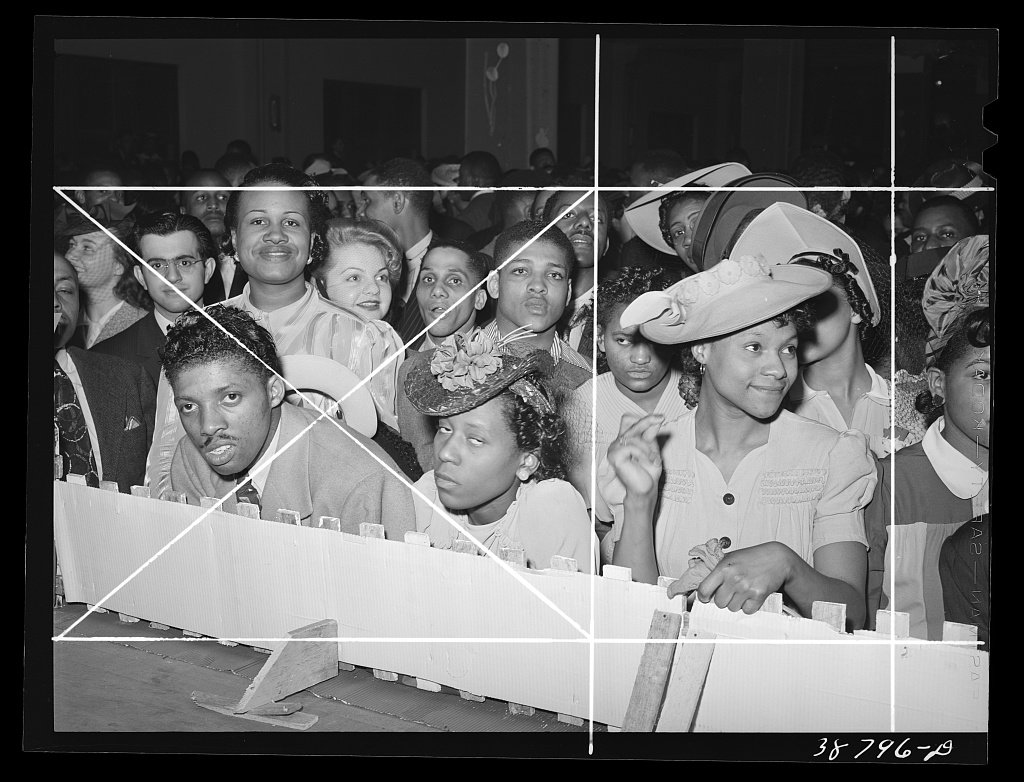
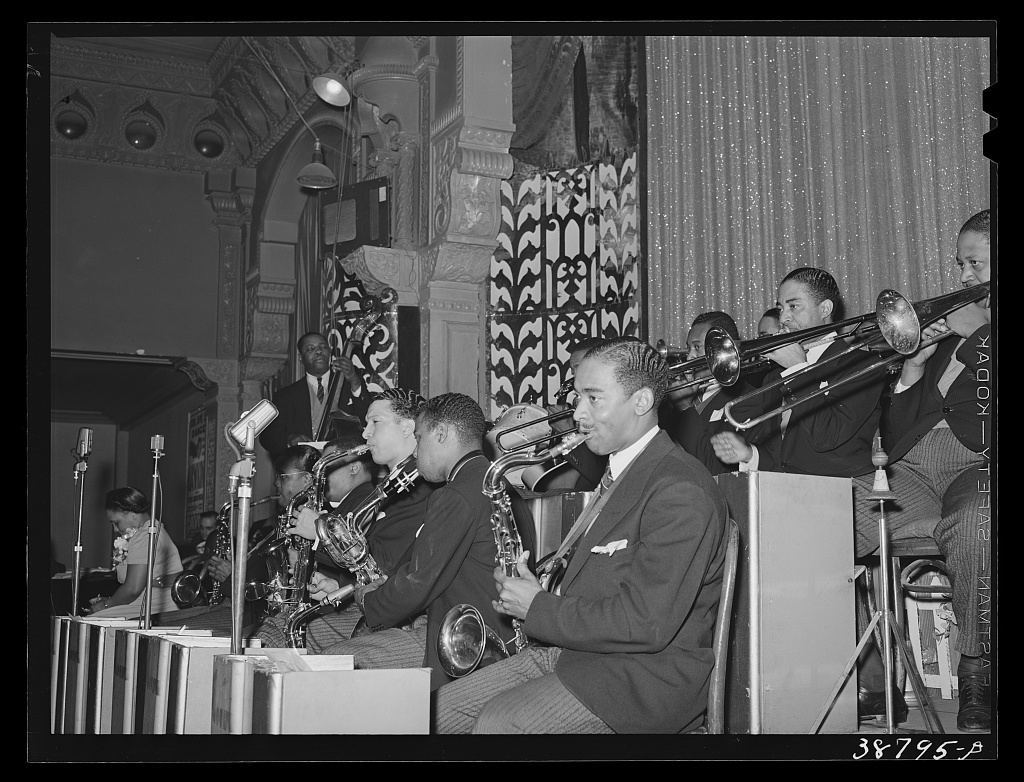
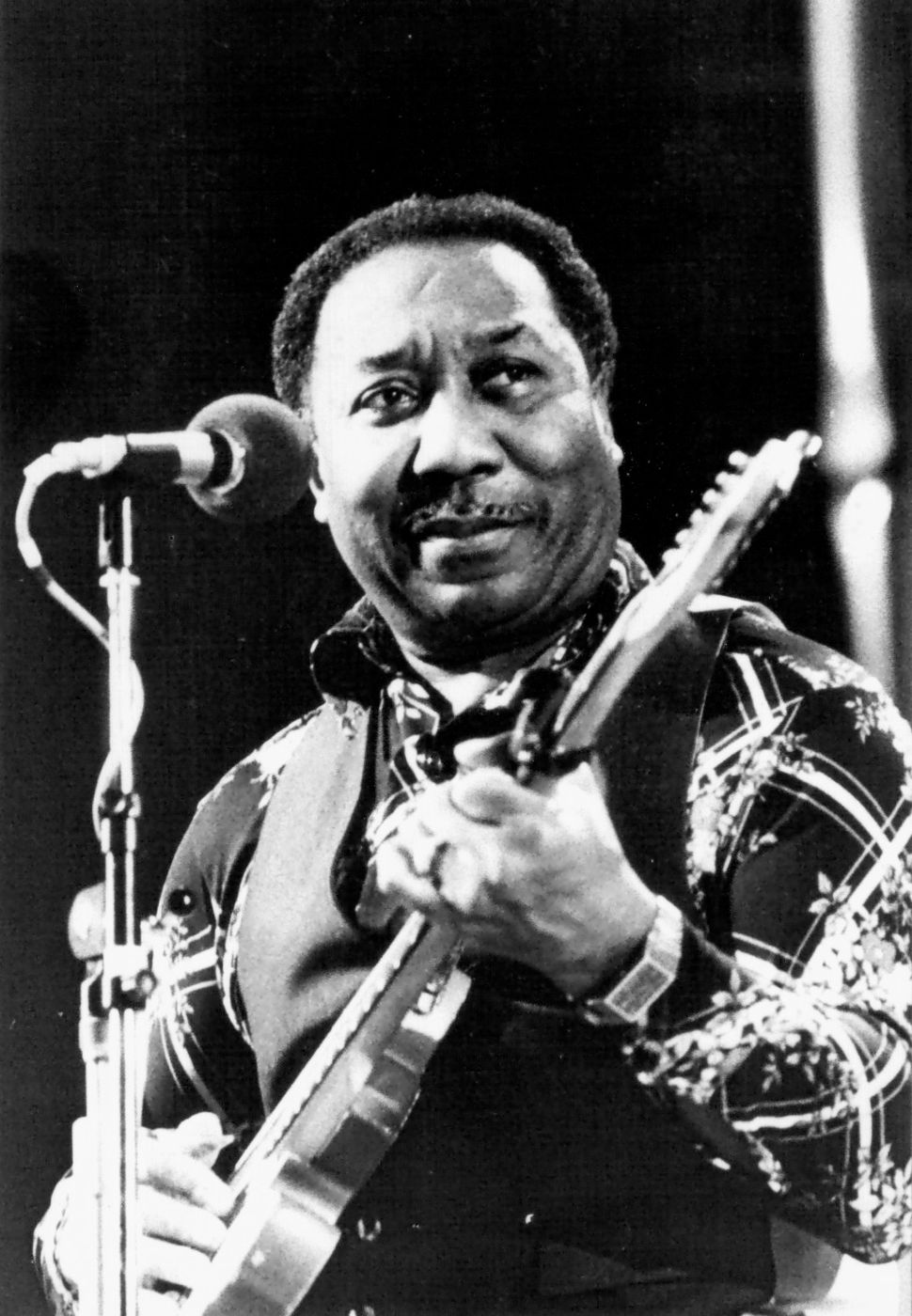
Black Chicago’s musical record, kept frame by frame. Photographs from the CultureTechLens research record — rights-cleared, credited, and cited like everything else here.
Trust & evidence
Evidence before authority. CultureTechLens publishes its methods, its limits, and its corrections alongside its findings. Claims carry grades — STAGED, SUPPORTED, PROVISIONAL, DISPUTED, UNRESOLVED — and unknowns are never reported as zero.
Every claim graded. Every source named. Every correction public — see the corrections log.