 CULTURETECHLENS
Invisible Man
VERIFIED evidence grade of this record
CULTURETECHLENS · “Culture, Clearly Seen.” · Black Cultural Intelligence
Research record
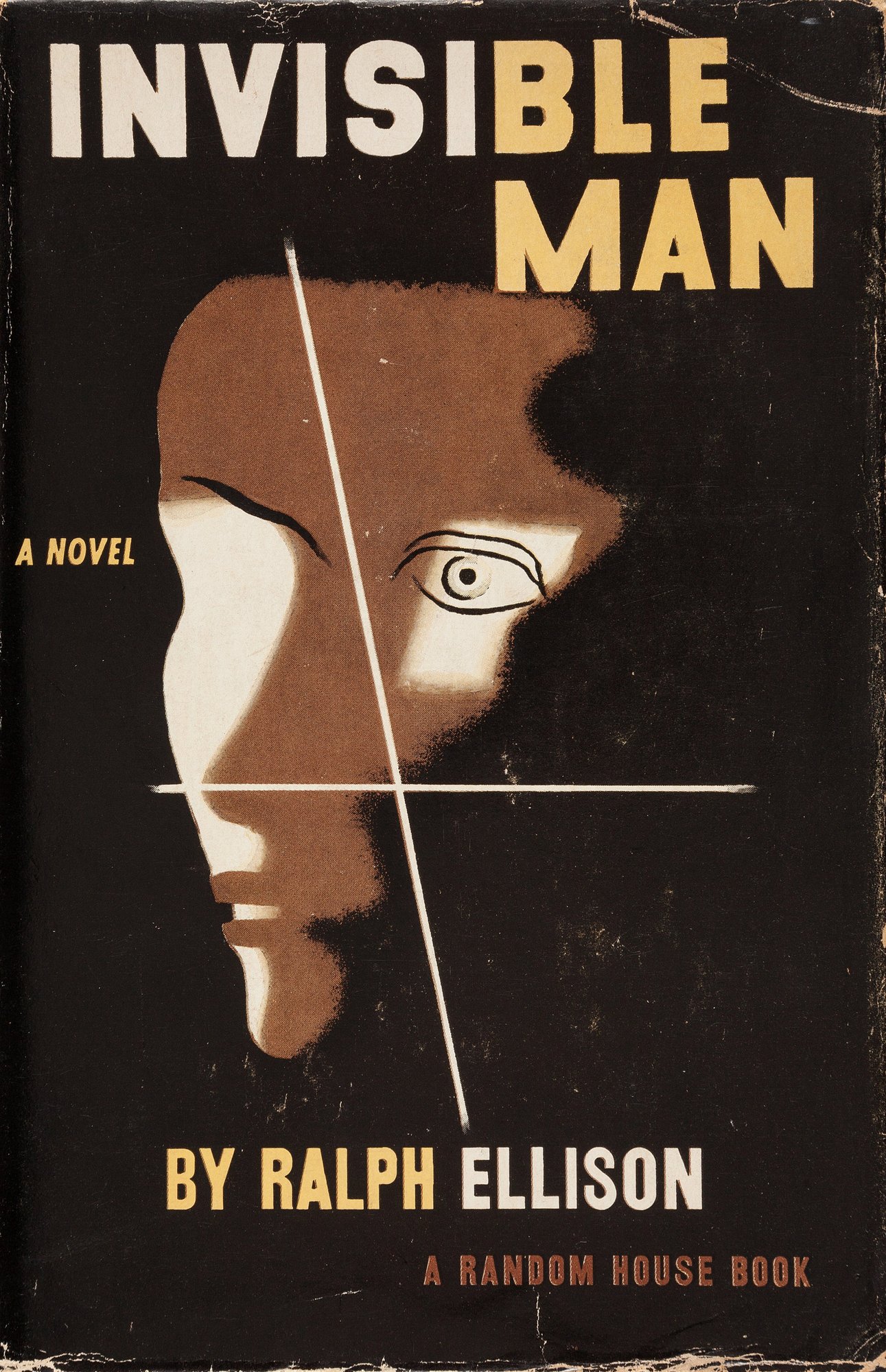
Dust jacket design by E. McKnight Kauffer (Random House, 1952), public domain, via Wikimedia Commons. Source: CultureTechLens
Rights basis: Public domain
This record is Ralph Ellison's novel — not the H. G. Wells science-fiction story of 1897, not any film or stage namesake — and the publisher's teacher's guide that verifies the record says so in its first line: Invisible Man, a novel by Ralph Ellison, published in 1952. It was Ellison's only novel published in his lifetime, and it won the National Book Award for Fiction in 1953, the first novel by a Black author to receive that honor, as the Encyclopaedia Britannica's account records. The Modern Library later placed it on its list of the hundred best English-language novels of the twentieth century, and the published reception record notes sixteen weeks on the bestseller lists on its original publication — a commercial life matching its critical one.
The novel is narrated by a man who is never named. His invisibility, in the Britannica summary's quotation of his own account, is a condition of other people's sight: people refuse to see him, and see only his surroundings, themselves, or figments of their imagination. The story moves in episodes from the South to Harlem. In the South: the battle royal, in which the young narrator and other Black schoolboys are made to fight blindfolded for white civic leaders before he may deliver his graduation speech on humility; the scholarship to a Black college that follows; the benefactor Mr. Norton and the sharecropper Jim Trueblood; and expulsion by the college president, Dr. Bledsoe, who sends him north with sealed letters that prove, when opened, to be instructions to keep him away. In New York: a paint factory whose signature product is Optic White, an explosion, a hospital where he is treated as a laboratory subject; shelter with Mary Rambo in Harlem; recruitment by Brother Jack into the Brotherhood, the novel's political movement, where his gift for speeches makes him a Harlem spokesman; betrayal, faction, and riot. At the end the narrator retreats underground, into a coal cellar lit by 1,369 stolen bulbs wired to power drawn from the electric company — the novel's famous image of a man making himself visible to himself, if to no one else.
For a Chicago-rooted archive the novel's method is as significant as its plot: Ellison built the book from Black folk materials — sermons, blues, signifying, the trickster and the preacher — set against the documented machinery of twentieth-century American institutions, the college, the factory, the party. The teacher's guide issued by his publisher frames the novel for classroom study on exactly those terms, and the study literature treats it as the great American novel of identity's construction and refusal. Its unnamed narrator is carried in this graph as a featured character record of the work, and the novel itself carries an authorship edge to Ralph Ellison — the graph's whole wiring for this record, and sufficient: one man, one book, one character who is every reader's problem of being unseen.
CultureTechLens carries Invisible Man as a work record verified against the publisher's own guide: published 1952, National Book Award 1953, Ellison's only lifetime novel, and the standard against which the American novel of Black interior life is still measured — a claim its citation history, not this entry, makes. The verifying source itself is evidence of the novel's standing: Penguin Random House maintains a teacher's guide for Invisible Man, packaging the 1952 novel for classroom study — the institutional afterlife of a book that spent sixteen weeks on the bestseller lists in its first year and has never since left the curriculum it entered. The graph's treatment matches that standing with restraint. It carries the novel, its author, and its unnamed narrator as three linked records and claims nothing further; the criticism, the syllabi, and the National Book Award are the culture's verdict, and this entry has confined itself to the facts its sources state.
Sources for this record
- Invisible Man by Ralph Ellison — Teacher's Guide — Penguin Random House
Claims supported: Master verification source: Invisible Man is a novel by Ralph Ellison, published in 1952. - Invisible Man — Encyclopaedia Britannica
Claims supported: Ellison's only novel published in his lifetime; won the National Book Award for Fiction in 1953, the first novel by a Black author to receive it; the nameless narrator's account of invisibility — people see only his surroundings, themselves, or figments of their imagination; the retreat underground on stolen electricity. - Invisible Man — Summary — American Literature
Claims supported: Plot record: the battle royal; the briefcase; Mr. Norton and Jim Trueblood; Dr. Bledsoe's sealed letters; the paint factory explosion and hospital; Mary Rambo; Brother Jack and the Brotherhood; sixteen weeks on the bestseller lists; Modern Library 100 Best Novels listing.
Citations
Encyclopaedia Britannica. "Invisible Man." Accessed October 25, 2026. https://www.britannica.com/topic/Invisible-Man.
American Literature. "Invisible Man — Summary." Accessed October 25, 2026. https://americanliterature.com/author/ralph-ellison/book/invisible-man/summary.
Published October 25, 2026, from the head-verified staged record in the Entity Depth Program (Batches 004–008). Source: CultureTechLens
More work records
Browse the full directory: all entity records
Record CTL-E-5570 · CultureTechLens Knowledge Graph · evidence grade: VERIFIED · 3 sources · first published October 25, 2026, from the head-verified Entity Depth staged record CTL-W-0073 (canonical master ID — canonical merge pending the founder’s classification sitting).
Directory: all entity records · the knowledge graph
Cite this record
Chicago: CultureTechLens. “Invisible Man (CTL-E-5570).” CultureTechLens Knowledge Graph. Chicago, IL: CultureTechLens, 2026. https://culturetechlens.com/graph/entities/ctl-e-5570/
APA: CultureTechLens. (2026). Invisible Man (CTL-E-5570) [Entity record]. CultureTechLens Knowledge Graph. https://culturetechlens.com/graph/entities/ctl-e-5570/
MLA: CultureTechLens. “Invisible Man (CTL-E-5570).” CultureTechLens Knowledge Graph, 2026, https://culturetechlens.com/graph/entities/ctl-e-5570/
Citation guidance for teachers, journalists, and funders: How to Cite Us.
From the Archive
The archive in pictures
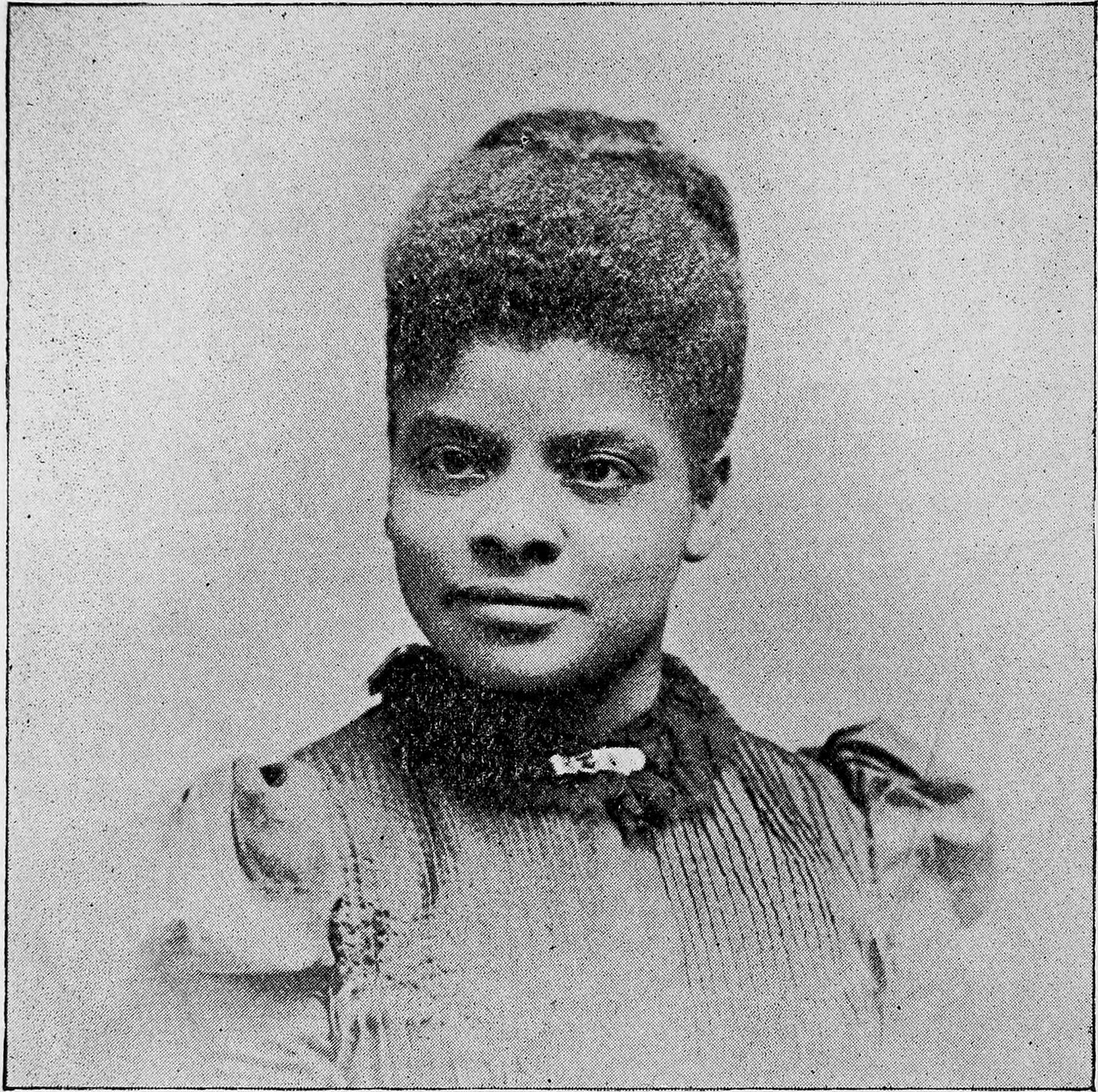
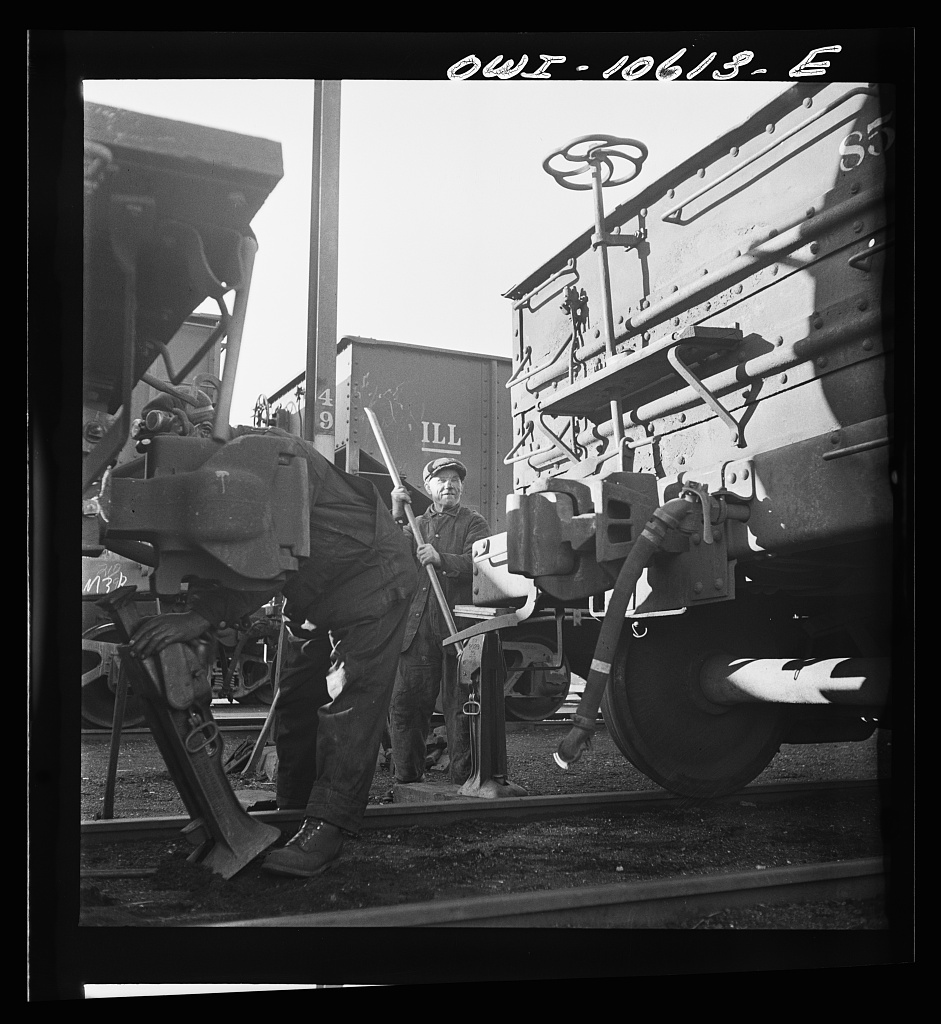
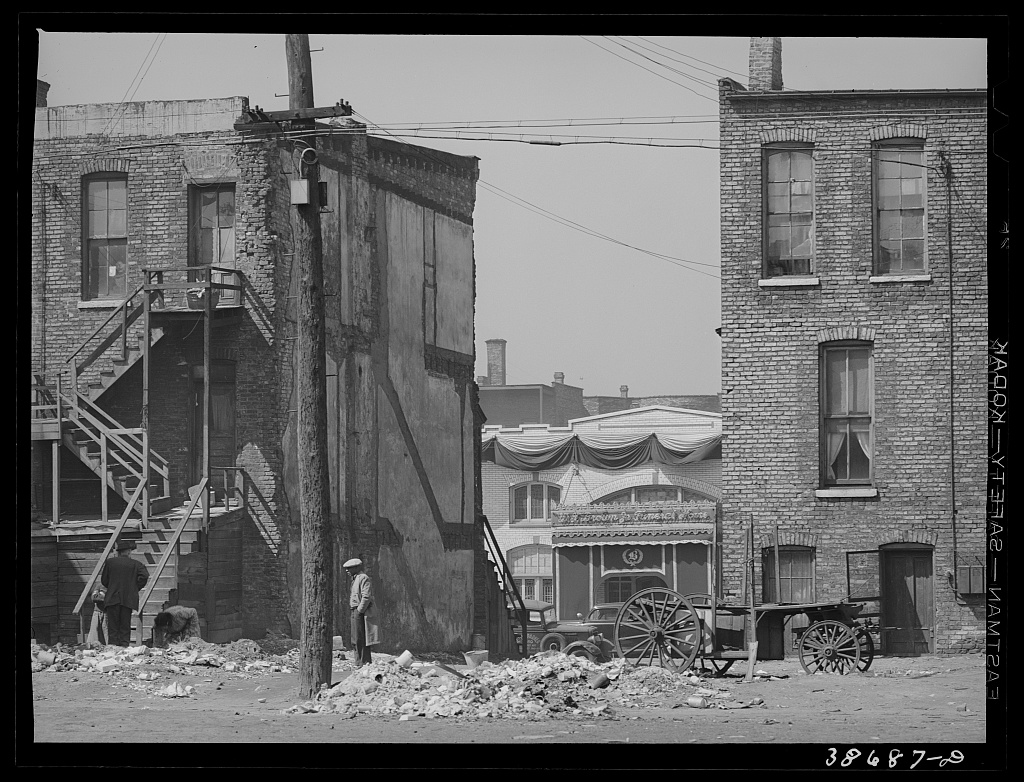
The people, places, and institutions this work documents. Photographs from the CultureTechLens research record — rights-cleared, credited, and cited like everything else here.
Trust & evidence
Evidence before authority. CultureTechLens publishes its methods, its limits, and its corrections alongside its findings. Claims carry grades — VERIFIED, SUPPORTED, PROVISIONAL, DISPUTED, UNRESOLVED — and unknowns are never reported as zero.
Every claim graded. Every source named. Every correction public — see the corrections log.