 CULTURETECHLENS
Poetic Justice
VERIFIED evidence grade of this record
CULTURETECHLENS · “Culture, Clearly Seen.” · Black Cultural Intelligence
Research record
The Cinémathèque québécoise's catalogue entry, the master verification source for this record, states the essentials plainly: Poetic Justice is a 1993 film directed by John Singleton, starring Janet Jackson, Tupac Shakur, and Regina King. It was Singleton's second feature, written and directed by him after the success of Boyz n the Hood, and it opened on July 23, 1993, released by Columbia Pictures. Where his debut had followed young men in South Central Los Angeles, this film turns to a young woman: Justice, a hairdresser and poet grieving her murdered boyfriend, played by Jackson in her film debut. CultureTechLens's graph tracks the film's two leads as characters in their own right — Justice, and Lucky, the postal worker and single father played by Shakur — with Singleton recorded as the work's author.
The plot is a road movie with a mail truck for a stagecoach. Justice is persuaded to ride along on a mail run from South Central to Oakland, sharing the route with Lucky, her friend Iesha (Regina King), and Iesha's boyfriend Chicago (Joe Torry). Along the way the grief Justice carries and the responsibilities Lucky carries — a daughter, a job, a neighborhood that keeps pulling at him — become the film's real cargo. Tyra Ferrell and Q-Tip appear in supporting roles. The American Film Institute's account of the film notes its most distinctive device: the poetry is Maya Angelou's, woven throughout the film, and Angelou herself appears in a cameo as Aunt June, improvising most of her dialogue. Stanley Clarke composed the music; Peter Lyons Collister was the cinematographer.
The film was made for a reported budget of $14 million and grossed $27.5 million. Its song “Again,” performed by Jackson, was nominated for the Academy Award for Best Original Song. Critical opinion at release was divided, but the film's standing has grown with the decades: in October 2023 the Museum of the Moving Image screened Poetic Justice in a 30th-anniversary presentation of a 4K restoration, treating the film as a period document of early-1990s Black Los Angeles worth preserving at archival standard. For CultureTechLens the record matters on several axes at once — a Singleton authorship entry, an early leading role for Shakur, Jackson's screen debut, and a film that put a Black woman poet, speaking a canonical Black poet's words, at the center of a studio release.
The film runs 109 minutes, and its construction is the argument: a working vehicle, a postal route, two people whose jobs are forms of care — she styles hair and writes poems, he carries other people's messages and raises a daughter — talking their way across California. Singleton stages Black Los Angeles not as backdrop but as a system of obligations: the boyfriend whose killing opens Justice's grief, the friend whose loyalty is expressed as insistence that she take the trip at all. Angelou's presence does double duty in that system. Her poems give Justice an interior voice richer than the dialogue around her, and her cameo as Aunt June — most of it improvised, per the AFI — places a living elder of Black letters inside the fiction, blessing it from within. The program's Batch 004 record of Singleton, this film's author in the graph, documents the director whose second feature this was; Poetic Justice is where his camera turned from sons to daughters, and the archive keeps it for exactly that turn. The arithmetic of the first run belongs in the record too: a $27.5 million gross against a reported $14 million budget — a modest studio picture that more than doubled its cost before its long afterlife in restoration and repertory began.
Sources for this record
- Poetic Justice (catalogue entry) — Cinémathèque québécoise
Claims supported: Master verification source: film of 1993 directed by John Singleton; cast Janet Jackson, Tupac Shakur, Regina King. - Poetic Justice — AFI Movie Club — American Film Institute
Claims supported: Maya Angelou's poetry throughout the film and her cameo as Aunt June, improvising most of her dialogue; film's place in the AFI canon conversation. - Poetic Justice (30th anniversary 4K restoration screening) — Museum of the Moving Image
Claims supported: October 2023 screening of the 4K restoration for the film's 30th anniversary. - Poetic Justice (film) — Wikipedia
Claims supported: Written and directed by Singleton as his second feature after Boyz n the Hood; released July 23, 1993, by Columbia Pictures; 109 minutes; Jackson's film debut as Justice; Shakur as Lucky; Regina King as Iesha; Joe Torry as Chicago; Tyra Ferrell and Q-Tip in supporting roles; road-trip plot from South Central to Oakland; music by Stanley Clarke; cinematography by Peter Lyons Collister; budget $14 million and box office $27.5 million; Academy Award nomination for Best Original Song ('Again').
Citations
American Film Institute. “Poetic Justice — AFI Movie Club.” Accessed October 25, 2026. https://www.afi.com/news/poetic-justice-afi-movie-club/.
Museum of the Moving Image. “Poetic Justice.” Accessed October 25, 2026. https://movingimage.org/event/poetic-justice/2023-10-06/.
Wikipedia. “Poetic Justice (film).” Accessed October 25, 2026. https://en.wikipedia.org/wiki/Poetic_Justice_(film).
Published October 25, 2026, from the head-verified staged record in the Entity Depth Program (Batches 004–008). Source: CultureTechLens
More work records
Browse the full directory: all entity records
Record CTL-E-5577 · CultureTechLens Knowledge Graph · evidence grade: VERIFIED · 4 sources · first published October 25, 2026, from the head-verified Entity Depth staged record CTL-W-1275 (canonical master ID — canonical merge pending the founder’s classification sitting).
Directory: all entity records · the knowledge graph
Cite this record
Chicago: CultureTechLens. “Poetic Justice (CTL-E-5577).” CultureTechLens Knowledge Graph. Chicago, IL: CultureTechLens, 2026. https://culturetechlens.com/graph/entities/ctl-e-5577/
APA: CultureTechLens. (2026). Poetic Justice (CTL-E-5577) [Entity record]. CultureTechLens Knowledge Graph. https://culturetechlens.com/graph/entities/ctl-e-5577/
MLA: CultureTechLens. “Poetic Justice (CTL-E-5577).” CultureTechLens Knowledge Graph, 2026, https://culturetechlens.com/graph/entities/ctl-e-5577/
Citation guidance for teachers, journalists, and funders: How to Cite Us.
From the Archive
The archive in pictures
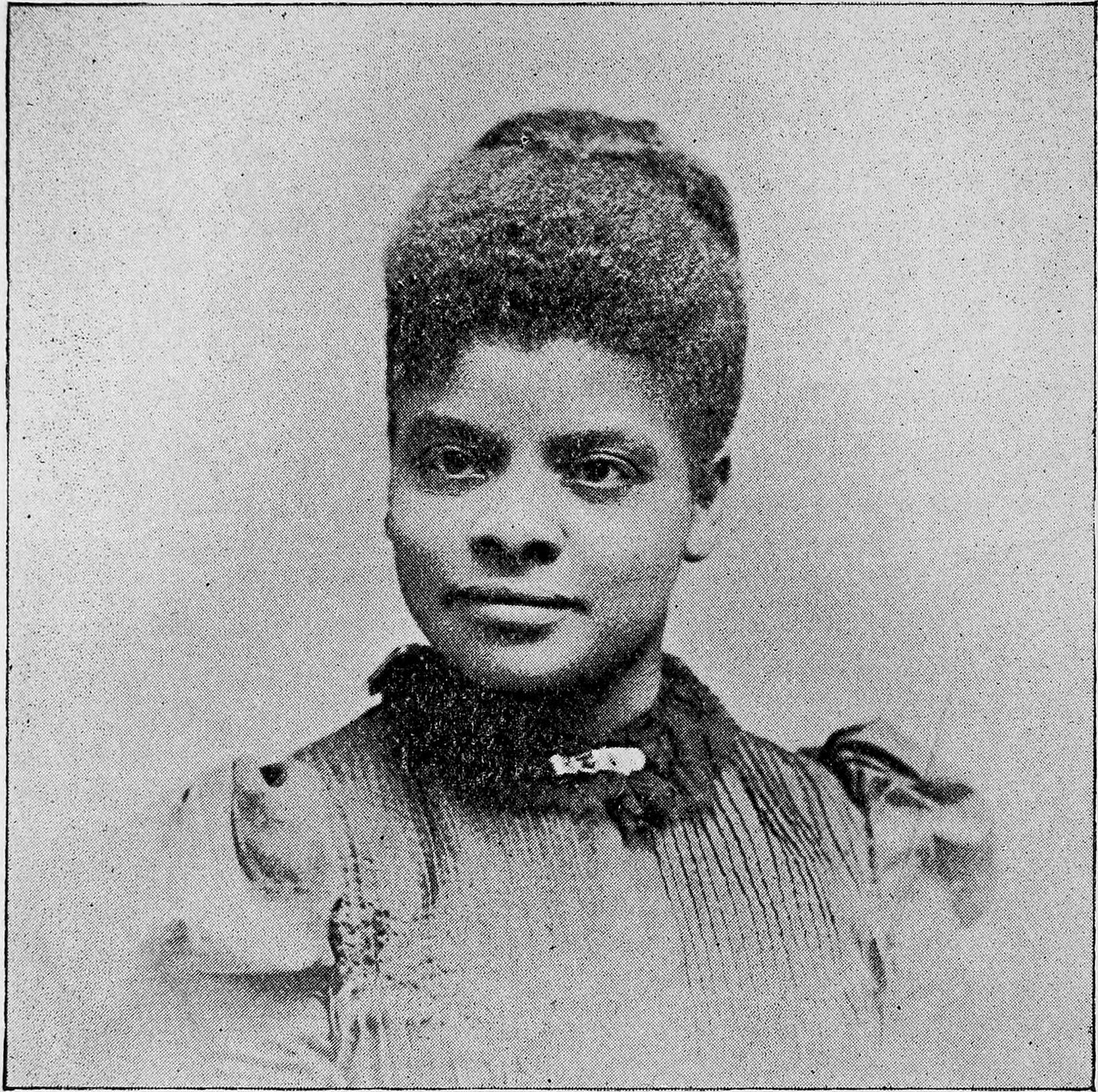
The people, places, and institutions this work documents. Photographs from the CultureTechLens research record — rights-cleared, credited, and cited like everything else here.
Trust & evidence
Evidence before authority. CultureTechLens publishes its methods, its limits, and its corrections alongside its findings. Claims carry grades — VERIFIED, SUPPORTED, PROVISIONAL, DISPUTED, UNRESOLVED — and unknowns are never reported as zero.
Every claim graded. Every source named. Every correction public — see the corrections log.