 CULTURETECHLENS
The Bluest Eye
VERIFIED evidence grade of this record
CULTURETECHLENS · “Culture, Clearly Seen.” · Black Cultural Intelligence
Research record
The Bluest Eye, published in 1970, is Toni Morrison's first novel — the Ohioana Library's account of Morrison and the Nobel Prize, the master verification source for this record, establishes the authorship and date, and the Batch 003 record of Morrison in this program likewise names it as her debut. Morrison set it in Lorain, Ohio, her own hometown, in 1940 and 1941, in the aftermath of the Great Depression — a Black working-class world measured at every turn against a white standard of beauty that arrives through dolls, movies, and the blue-eyed faces on candy wrappers. EBSCO's Research Starters analysis of the novel's major characters, the second source for this record, maps the human structure Morrison built to carry that measure.
At the center is Pecola Breedlove, eleven years old, who has absorbed the standard so completely that she prays for blue eyes, believing that if her eyes were beautiful the cruelty around her would stop — that people would not do “bad things” in front of such eyes. Her father, Cholly Breedlove, rapes her; she becomes pregnant; the baby dies prematurely; and Pecola descends into madness, imagining the blue eyes she prayed for. Around her Morrison places the MacTeer family as a counterweight: Claudia MacTeer, nine years old, narrates much of the novel — doubled with an older, reflective Claudia voice — alongside her sister Frieda. The MacTeers take Pecola in after Cholly burns the family home down, sheltering the girl their community instead gossips about and abandons. Where Pecola internalizes the lie, Claudia resists it, tearing apart the white dolls she is given; the two girls' responses frame the novel's question about what a racist beauty culture does to the children asked to live inside it.
CultureTechLens's graph records Morrison as the work's author and carries Pecola Breedlove and Claudia MacTeer as featured characters — the victim and the witness. Read with the program's Batch 003 Morrison record, the chronology is consistent: the Lorain-born writer's first book, written out of the town she grew up in, before Sula (1973) and the national recognition that followed Song of Solomon. The Bluest Eye's subjects — internalized racism, colorism, the Shirley Temple iconography of white childhood held up against a Black girl's life — made it one of the most challenged and most taught American novels of its era, and it remains the necessary first chapter of the Morrison shelf: the book where her lifelong subject, how Black people learn to see themselves in a world that refuses to see them, is stated in its cruelest and simplest form, a child asking for different eyes.
The novel's form carries its thesis. Claudia narrates in two registers at once — the nine-year-old who receives a Blue-Eyed Baby doll and dismembers it to find the sound inside, and the adult who understands, too late, what the doll was training her to want. Pecola moves through the same world without Claudia's armor: the Breedlove household, where her parents' fights fill the rooms; the storefront room where she is left; the pregnancy the community gossips about while doing nothing; and the final fracture, in which she converses with an imagined friend about whether her new blue eyes are blue enough. EBSCO's character analysis, this record's second source, draws the contrast the structure builds: the MacTeers' crowded, quarrelsome, functioning household against the Breedloves' collapse — the difference, Morrison insists, is not virtue but the presence or absence of a shelter that tells a child she is seen. That the town is Lorain, the author's own, and not a generalized South is the point of the Batch 003 consistency check this record passes: the debut novel is set where Chloe Wofford grew up, in 1940 and 1941, and the woman who wrote it would spend six more books, through Beloved and beyond, returning to the question it asks first — what a child prays for when the world hands her its mirror.
Sources for this record
- Toni Morrison and the Nobel Prize — Ohioana Library
Claims supported: Master verification source: The Bluest Eye is a novel by Toni Morrison, published 1970. - The Bluest Eye — Analysis of Major Characters (Research Starters) — EBSCO
Claims supported: First published 1970; locale Lorain, Ohio; time 1940–1941; Pecola Breedlove, eleven, believing blue eyes would make her beautiful and loved; her rape by her father Cholly; the pregnancy and the baby's premature death; Pecola's madness; Claudia MacTeer, nine, as narrator in child and adult reflective voices, with her sister Frieda; the MacTeers sheltering Pecola after Cholly burns the family home; themes of internalized racism, colorism, and white beauty standards including Shirley Temple imagery.
Citations
EBSCO Research Starters. “The Bluest Eye: Analysis of Major Characters.” Accessed October 25, 2026. https://ebsco.com/research-starters/literature-and-writing/bluest-eye-analysis-major-characters.
Published October 25, 2026, from the head-verified staged record in the Entity Depth Program (Batches 004–008). Source: CultureTechLens
More work records
Browse the full directory: all entity records
Record CTL-E-5580 · CultureTechLens Knowledge Graph · evidence grade: VERIFIED · 2 sources · first published October 25, 2026, from the head-verified Entity Depth staged record CTL-W-1325 (canonical master ID — canonical merge pending the founder’s classification sitting).
Directory: all entity records · the knowledge graph
Cite this record
Chicago: CultureTechLens. “The Bluest Eye (CTL-E-5580).” CultureTechLens Knowledge Graph. Chicago, IL: CultureTechLens, 2026. https://culturetechlens.com/graph/entities/ctl-e-5580/
APA: CultureTechLens. (2026). The Bluest Eye (CTL-E-5580) [Entity record]. CultureTechLens Knowledge Graph. https://culturetechlens.com/graph/entities/ctl-e-5580/
MLA: CultureTechLens. “The Bluest Eye (CTL-E-5580).” CultureTechLens Knowledge Graph, 2026, https://culturetechlens.com/graph/entities/ctl-e-5580/
Citation guidance for teachers, journalists, and funders: How to Cite Us.
From the Archive
The archive in pictures
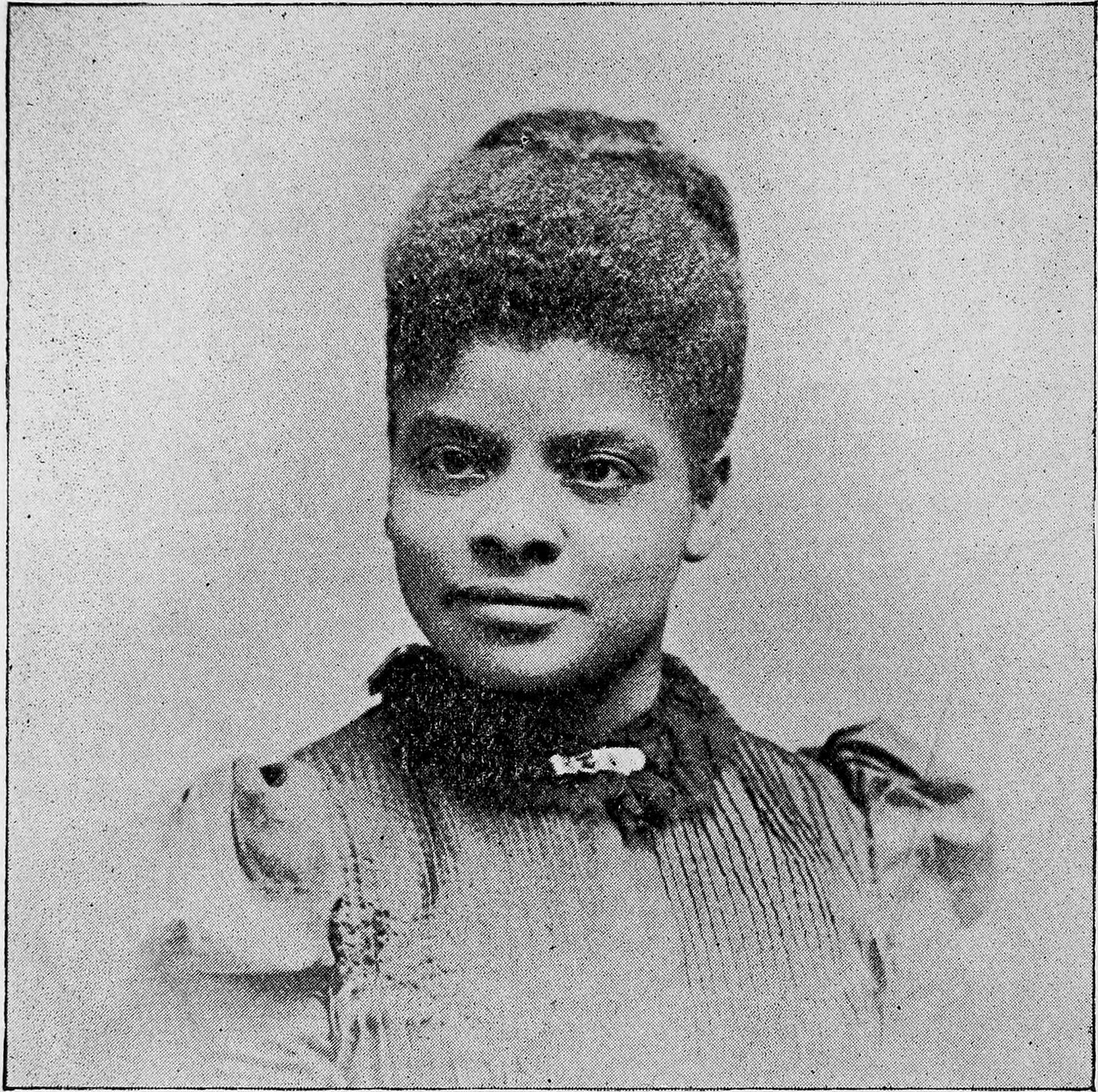
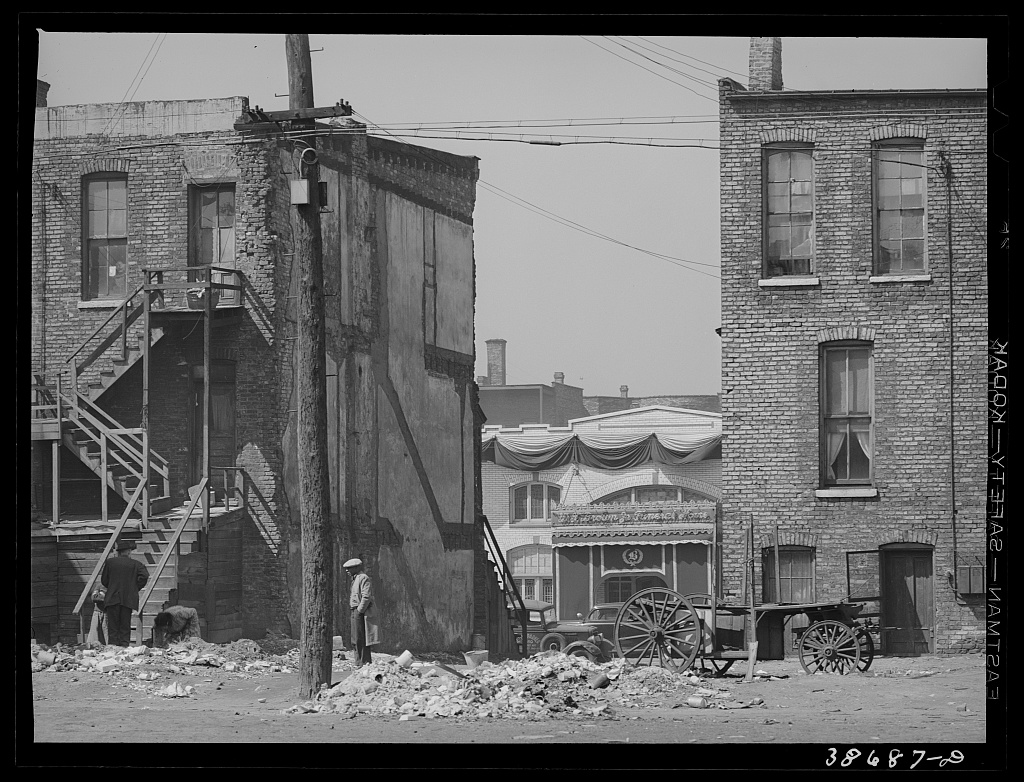
The people, places, and institutions this work documents. Photographs from the CultureTechLens research record — rights-cleared, credited, and cited like everything else here.
Trust & evidence
Evidence before authority. CultureTechLens publishes its methods, its limits, and its corrections alongside its findings. Claims carry grades — VERIFIED, SUPPORTED, PROVISIONAL, DISPUTED, UNRESOLVED — and unknowns are never reported as zero.
Every claim graded. Every source named. Every correction public — see the corrections log.