 CULTURETECHLENS
The Spook Who Sat by the Door
VERIFIED evidence grade of this record
CULTURETECHLENS · “Culture, Clearly Seen.” · Black Cultural Intelligence
Research record
Few American films have a biography like this one: premiered in Chicago, suppressed within months, hidden under a false title, and canonized four decades later. The African American Registry's account, the master verification source for this record, fixes the base facts: The Spook Who Sat by the Door is a 1973 film, directed by Ivan Dixon and co-produced by Dixon and Sam Greenlee, based on Greenlee's 1969 novel, with a principal cast of Lawrence Cook, Paula Kelly, Janet League, J. A. Preston, and David Lemieux. CultureTechLens's graph records Greenlee and Dixon as the work's authors and Dan Freeman — the character Cook plays — as its featured figure. The Registry's own page carries two opening dates, and this record states both precisely: a benefit premiere on August 22, 1973, at the Maryland Theatre on Chicago's South Side, with a sneak preview at the Woods Theatre, and the regular theatrical engagement beginning September 21, 1973, at the Woods — the date the master verification claim carries.
The film works as both satire and threat assessment. Dan Freeman, the CIA's token Black recruit, masters the agency's full curriculum of covert warfare, resigns, returns to Chicago, and quietly trains street youth as “Freedom Fighters” — turning the state's own tactics against it. Greenlee wrote the screenplay with Mel Clay; Herbie Hancock, who had grown up in Greenlee's neighborhood, composed the score. Mayor Richard J. Daley objected to the production filming in Chicago, so it was shot primarily in Gary, Indiana. The film's treatment of the civil rights struggle is satirical, its treatment of Black militancy dead serious — a combination distributors and, reportedly, federal pressure made untenable. The film was pulled after a brief release.
What survived did so by disguise: Dixon hid the negative under a fake title, and the film circulated for decades in bootlegs and rumor before a 2004 re-release shepherded by Tim Reid, documented by Indiana University's Black Film Center & Archive. In 2011 the documentary Infiltrating Hollywood told the production's story. In 2012 the Library of Congress selected the film for the National Film Registry — the annual class of twenty-five films judged culturally, historically, or aesthetically significant — and a restoration by the Library of Congress and the Film Foundation screened at BAM in 2024. The graph modeled Dixon as an author of the work; the sourced record is more precise, and this entry follows the sources: Greenlee authored the novel and co-wrote the screenplay, and Dixon directed and co-produced.
The title is a double exposure, and the film knows it: “spook” is period slang for a spy and a racial slur at once, and Greenlee's premise is that the CIA's tokenism hands its recruit exactly the training the state least wants him to keep. Freeman's method is patience — he absorbs the agency's curriculum whole, files his resignation, and rebuilds the curriculum in Chicago, drilling young men the state had written off into a disciplined force. The suppression history that followed is documented rather than rumored: the film was pulled after a brief release, per the accounts carried by Connecticut College and BAM, and survived the decades because Dixon hid the negative under a false title — an act of archival self-defense that this program, which exists to keep Black cultural records findable, is built to appreciate. The 2012 National Film Registry selection, the Library of Congress and Film Foundation restoration, and the 2024 BAM screenings close the loop: the film the market withdrew in 1973 is now federal patrimony, preserved at public expense. The graph's record — Greenlee and Dixon as authors, Dan Freeman as featured character — understates the sourced credits only in Dixon's case, and this entry follows the sources: Dixon directed and co-produced; the novel and the screenplay are Greenlee's, the screenplay shared with Mel Clay.
Sources for this record
- The Spook Who Sat by the Door Film Opens — African American Registry
Claims supported: Master verification source: film of 1973; regular theatrical engagement began September 21, 1973; directed by Ivan Dixon and co-produced by Dixon and Sam Greenlee; based on Greenlee's 1969 novel; principal cast Lawrence Cook, Paula Kelly, Janet League, J. A. Preston, David Lemieux. The same page also dates the benefit premiere August 22, 1973, at the Maryland Theatre with a sneak preview at the Woods Theatre — both dates carried in this record. - The Spook Who Sat by the Door (film) — Wikipedia
Claims supported: Dan Freeman plot (CIA token recruit who trains Chicago youth as 'Freedom Fighters'); screenplay by Greenlee with Mel Clay; score by Herbie Hancock; production filmed primarily in Gary, Indiana after Mayor Richard J. Daley's objection; film pulled after a brief release; satire of the civil rights struggle alongside serious treatment of Black militancy. - The Spook Who Sat by the Door (BFC/A blog) — Indiana University Black Film Center & Archive
Claims supported: The negative hidden by Dixon under a fake title; 2004 re-release via Tim Reid; the 2011 documentary Infiltrating Hollywood; selection to the National Film Registry in 2012. - The Spook Who Sat by the Door (2024 screening) — Brooklyn Academy of Music
Claims supported: Restoration by the Library of Congress and the Film Foundation, screened at BAM in 2024.
Citations
Wikipedia. “The Spook Who Sat by the Door (film).” Accessed October 25, 2026. https://en.wikipedia.org/wiki/The_Spook_Who_Sat_by_the_Door_(film).
Indiana University Black Film Center & Archive. “The Spook Who Sat by the Door.” Accessed October 25, 2026. https://blogs.iu.edu/bfca/2012/12/20/the-spook-who-sat-by-the-door/.
Brooklyn Academy of Music. “The Spook Who Sat by the Door.” Accessed October 25, 2026. http://WWW.BAM.ORG/film/2024/the-spook-who-sat-by-the-door.
Published October 25, 2026, from the head-verified staged record in the Entity Depth Program (Batches 004–008). Source: CultureTechLens
More work records
Browse the full directory: all entity records
Record CTL-E-5582 · CultureTechLens Knowledge Graph · evidence grade: VERIFIED · 4 sources · first published October 25, 2026, from the head-verified Entity Depth staged record CTL-W-0054 (canonical master ID — canonical merge pending the founder’s classification sitting).
Directory: all entity records · the knowledge graph
Cite this record
Chicago: CultureTechLens. “The Spook Who Sat by the Door (CTL-E-5582).” CultureTechLens Knowledge Graph. Chicago, IL: CultureTechLens, 2026. https://culturetechlens.com/graph/entities/ctl-e-5582/
APA: CultureTechLens. (2026). The Spook Who Sat by the Door (CTL-E-5582) [Entity record]. CultureTechLens Knowledge Graph. https://culturetechlens.com/graph/entities/ctl-e-5582/
MLA: CultureTechLens. “The Spook Who Sat by the Door (CTL-E-5582).” CultureTechLens Knowledge Graph, 2026, https://culturetechlens.com/graph/entities/ctl-e-5582/
Citation guidance for teachers, journalists, and funders: How to Cite Us.
From the Archive
The archive in pictures
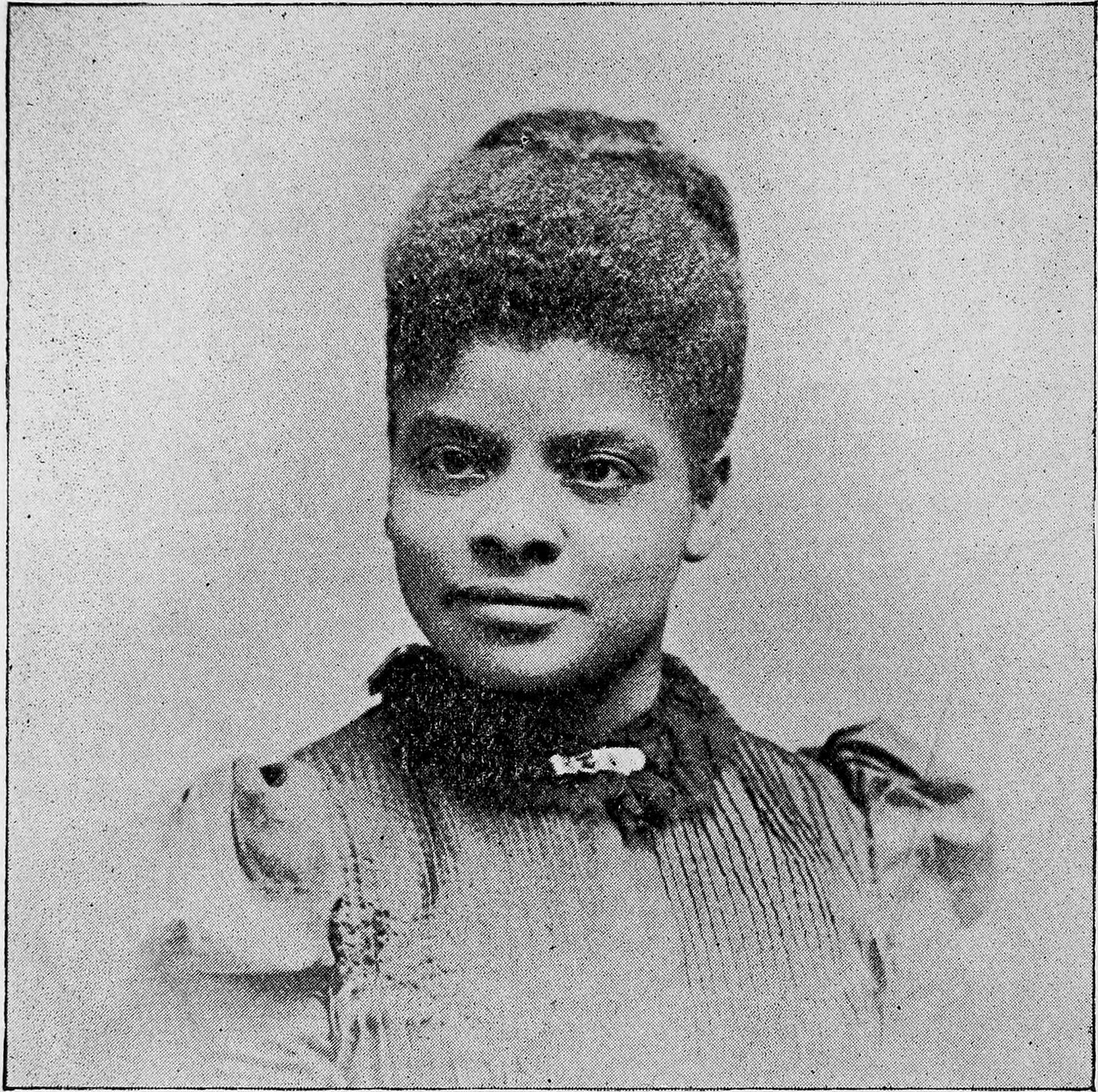
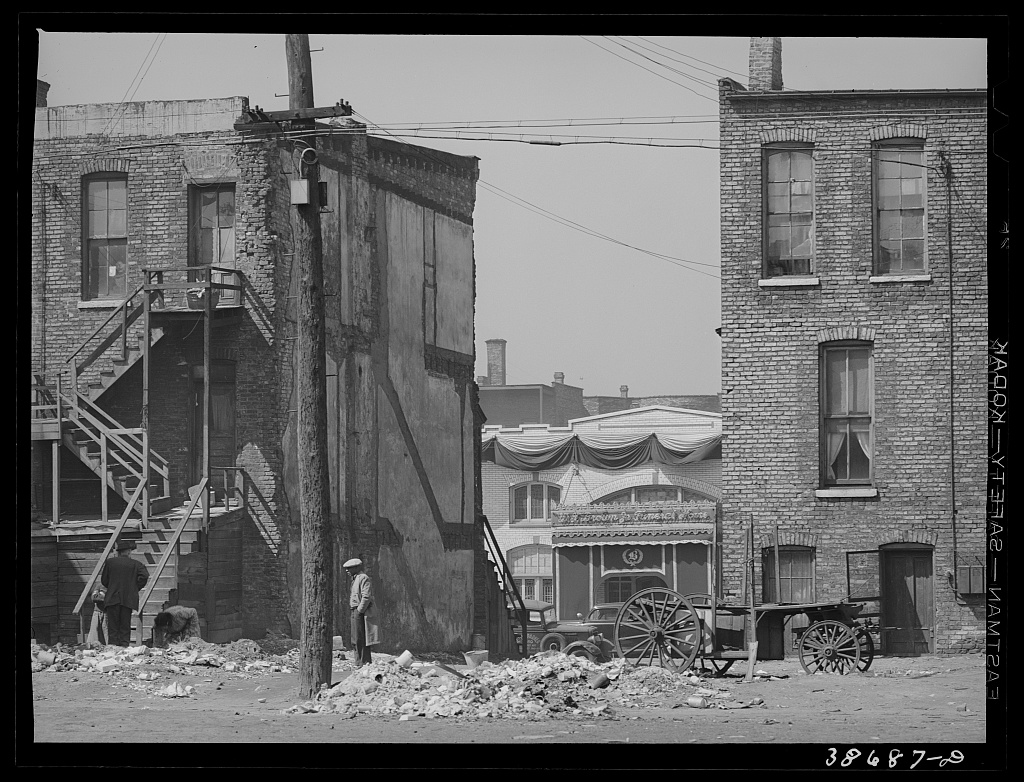
The people, places, and institutions this work documents. Photographs from the CultureTechLens research record — rights-cleared, credited, and cited like everything else here.

Trust & evidence
Evidence before authority. CultureTechLens publishes its methods, its limits, and its corrections alongside its findings. Claims carry grades — VERIFIED, SUPPORTED, PROVISIONAL, DISPUTED, UNRESOLVED — and unknowns are never reported as zero.
Every claim graded. Every source named. Every correction public — see the corrections log.