 CULTURETECHLENS
Bobby Rush
UNVERIFIED evidence grade of this record
CULTURETECHLENS · “Culture, Clearly Seen.” · Black Cultural Intelligence
Research record
PROPOSED MINT — published ahead of canonical classification. This page publishes CultureTechLens proposed-mint record CTL-ESS-0157 in full, at the founder’s direction (October 25, 2026). The record is a proposal, not yet part of the canonical knowledge graph: its census status is PROPOSED and its evidence grade is UNVERIFIED. Canonical ID assignment, grade review, and merge into the canonical graph take place at the founder’s classification sitting; until then, this page carries the proposed-mint ID beside its live page ID so the two reconcile exactly at the merge.
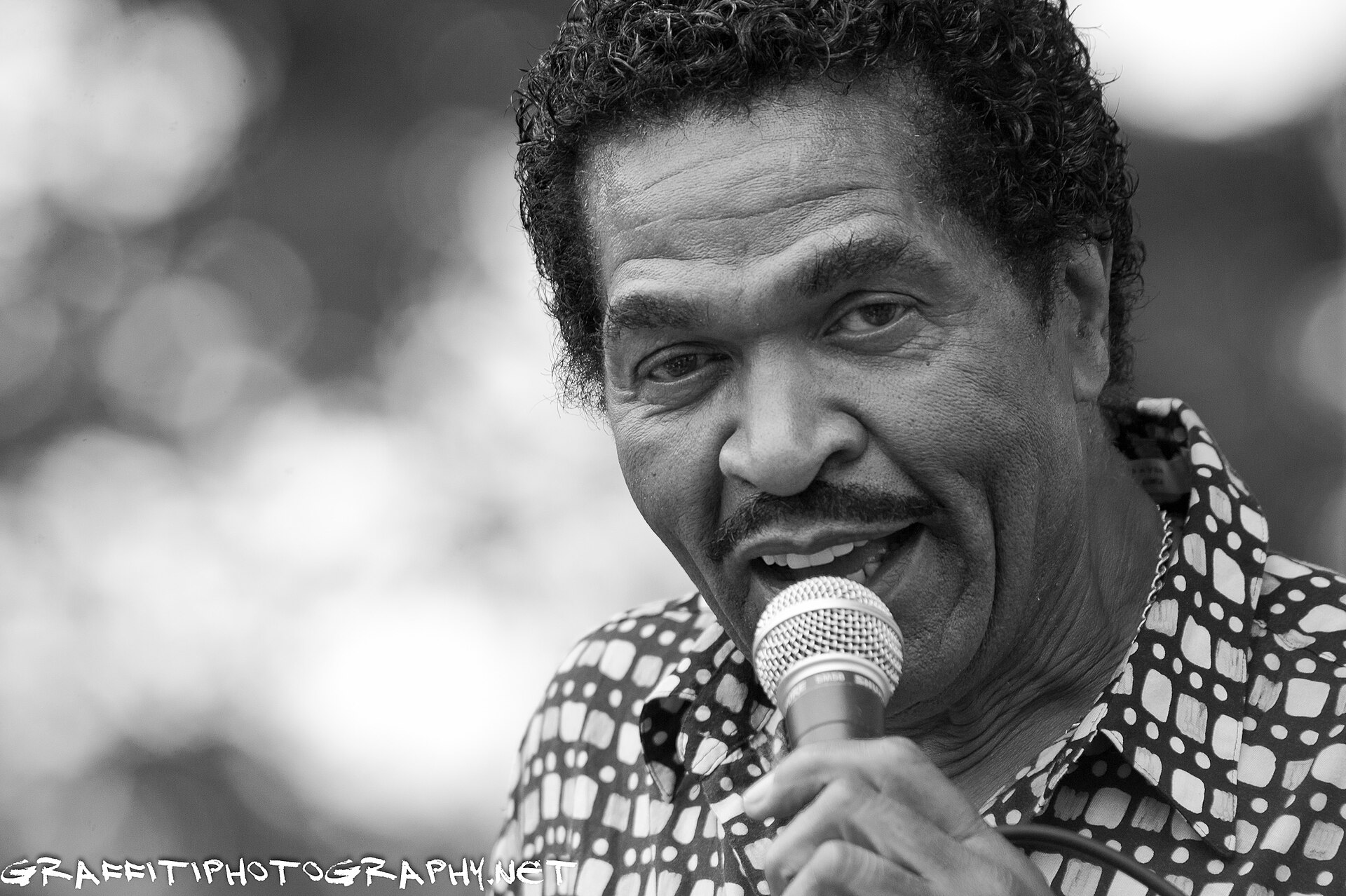
Photo: Bryan Thompson, CC BY 2.0, via Wikimedia Commons · Source: CultureTechLens
Rights basis: CC BY 2.0 — license and credit verified from Wikimedia Commons file metadata (API extmetadata), accessed 2026-10-26; image depicts the subject of this record
The bluesman Bobby Rush is the performing name of Emmett Ellis Jr. (born November 10, 1933, in Homer, Louisiana), the blues singer, guitarist, harmonica player, and bandleader whom Rolling Stone calls the "King of the Chitlin' Circuit" — a seven-decade career that runs from the South Side clubs of 1950s Chicago to three Grammy Awards won in his eighties and nineties. His father was a pastor who played guitar and harmonica, and the boy's first instrument was a diddley bow nailed to the side of the house. Around 1947 the family moved to Pine Bluff, Arkansas, where the teenaged Ellis fell in with the local blues circle — Elmore James, Johnny "Big Moose" Walker, Pinetop Perkins — and played in a band with James's cousin Boyd Gilmore; performing as Bobby Rush and the Four Jivers, he painted on a fake mustache to play juke joints he was too young to enter.
In 1953 Rush moved to Chicago and entered one of the great apprenticeship systems in American music: he played beside or behind Little Walter, Muddy Waters, Jimmy Reed, Howlin' Wolf, Etta James, and most of the architects of electric Chicago blues, working the West and South Side club circuit for a decade before his recording career began. His singles started in 1964 — for Jerry-O, Salem, and Checker among others — and his breakout came in 1971 with "Chicken Heads" on Galaxy Records, a laconic funk-blues that reached number 34 on the Billboard R&B chart and earned his first gold record. Philadelphia International released his first album, Rush Hour, in 1979, produced by Leon Huff. In 1982 Rush relocated to Jackson, Mississippi, becoming the anchor of the Southern soul-blues circuit — the chitlin' circuit whose king the magazines would name him — with records like "Sue" (1982) for LaJam, the label he ran with partner Johnny Vincent. The 2003 PBS series Martin Scorsese Presents The Blues carried him to a national audience in the episode "The Road to Memphis"; that year he also founded his own Deep Rush label.
The ambassadorial chapter is its own line in the record: in 2007 Rush became the first blues artist to perform in China, playing at the Great Wall — the largest concert held at the site — and earning the title "International Dean of the Blues"; he has also performed for American troops in Iraq and supported prison and at-risk-youth projects. His recorded legacy was consolidated in 2015, when Omnivore released Chicken Heads: A 50-Year History of Bobby Rush, a four-CD, nearly hundred-track retrospective running from 1964's "Someday" through his Checker/Chess, Galaxy, Jewel, Philadelphia International, Malaco/Waldoxy, LaJam, Urgent, and Deep Rush sides; it won Blues Music and Living Blues awards for best historical release. Rush himself estimates he has cut more than 370 songs.
The late-career honors are extraordinary in kind: he was inducted into the Blues Hall of Fame in 2006, yet his first Grammy came at eighty-three, when Porcupine Meat won Best Traditional Blues Album in 2017; Rawer Than Raw won the same category in 2021, and All My Love for You made him a three-time Grammy winner in 2024, at ninety. The Arkansas House of Representatives' 2025 resolution honoring him counts the full ledger — three Grammys, multiple Blues Music Awards, the B.B. King Entertainer of the Year award, and the Mississippi Blues Trail marker raised in his name. He is not the other Bobby Rush: the congressman of the same name is Bobby Lee Rush (born 1946), the Chicago Democrat who represented Illinois's 1st district in the U.S. House of Representatives from 1993 to 2023, and whose CultureTechLens record is CTL-P-0068. In the graph, Rush is a first-person bridge: a man who played with the Chess generation in Chicago and carried that sound South, still recording into his nineties. This record is a staged proposal pending the founder's classification sitting.
Sources for this record
- Bobby Rush — Mississippi Blues Trail marker — Visit Mississippi / Mississippi Blues Commission
Claims supported: Birth as Emmett Ellis Jr. on November 10, 1933, in Homer, Louisiana; the pastor father and diddley bow; the c. 1947 Pine Bluff move and the Elmore James/Johnny 'Big Moose' Walker/Pinetop Perkins/Boyd Gilmore circle, Bobby Rush and the Four Jivers, and the fake mustache; the 1953 Chicago move and the Muddy Waters/Little Walter/Jimmy Reed/Etta James circuit; 'Chicken Heads' (Galaxy, 1971) as first gold record reaching number 34 on the Billboard R&B chart; the 1982 Jackson move and soul-blues standing; Blues Hall of Fame induction (2006) and the Porcupine Meat Grammy (2017) - Bobby Rush — Biography — All About Jazz
Claims supported: The recording start in 1964 and the early singles labels (Jerry-O, Salem, Checker); Rush Hour (1979) as first LP, on Philadelphia International under Leon Huff; the Jackson relocation and LaJam Records era with Johnny Vincent; Deep Rush founded in 2003; The Road to Memphis in the Scorsese PBS Blues series (2003); the Chicken Heads 50-year retrospective box set (Omnivore, 2015), its labels span and historical-release awards; the estimate of over 370 songs recorded; twelve Blues Music Awards - Resolution HR1038 Honoring Bobby Rush (2025) — Arkansas House of Representatives
Claims supported: The three-Grammy count at adoption (Porcupine Meat 2017, Rawer Than Raw 2021, All My Love for You 2024); Blues Music Awards including B.B. King Entertainer of the Year; the Mississippi Blues Trail marker - Bobby Rush (1933– ) — Encyclopedia of Arkansas
Claims supported: Rush Hour (1979) and 'I Wanna Do the Do'; first major recognition after Raw (his twenty-second album) with the 2007 Soul Blues Male Artist of the Year award; the Hoochie Momma Grammy nomination (2001); Blues Hall of Fame induction (2006) and the Porcupine Meat Grammy (2017); the 2007 China performances as the first blues artist to play there, at the Great Wall, and the 'International Dean of the Blues' title; performances for troops in Iraq; prison and at-risk-youth humanitarian work
Citations
All About Jazz. "Bobby Rush." Accessed October 26, 2026. https://www.allaboutjazz.com/musicians/bobby-rush.
Arkansas House of Representatives. "HR1038: Resolution Honoring Bobby Rush." 2025. Accessed October 26, 2026. https://www.arkleg.state.ar.us/Assembly/Meeting%20Attatchments/330/I38614/HR1038%20Intro.pdf.
Encyclopedia of Arkansas. "Bobby Rush." Accessed October 26, 2026. https://encyclopediaofarkansas.net/entries/bobby-rush-6951/.
Published October 26, 2026, at the founder’s direction, from the head-verified staged proposed-mint record in the Entity Depth Program (Essentials Fragment 3, Batch Essential-009). Canonical classification pending. Source: CultureTechLens
More person records
Browse the full directory: all entity records
Record CTL-E-5641 · CultureTechLens Knowledge Graph · proposed-mint record CTL-ESS-0157 · evidence grade: UNVERIFIED · census status: PROPOSED · 4 sources · first published October 26, 2026, from the head-verified Entity Depth staged record CTL-ESS-0157 — published ahead of canonical classification at the founder’s direction; canonical ID assignment and merge pending the founder’s classification sitting.
Directory: all entity records · the knowledge graph
Cite this record
Chicago: CultureTechLens. “Bobby Rush (CTL-E-5641).” CultureTechLens Knowledge Graph. Chicago, IL: CultureTechLens, 2026. https://culturetechlens.com/graph/entities/ctl-e-5641/
APA: CultureTechLens. (2026). Bobby Rush (CTL-E-5641) [Entity record]. CultureTechLens Knowledge Graph. https://culturetechlens.com/graph/entities/ctl-e-5641/
MLA: CultureTechLens. “Bobby Rush (CTL-E-5641).” CultureTechLens Knowledge Graph, 2026, https://culturetechlens.com/graph/entities/ctl-e-5641/
Citation guidance for teachers, journalists, and funders: How to Cite Us.
From the Archive
The archive in pictures
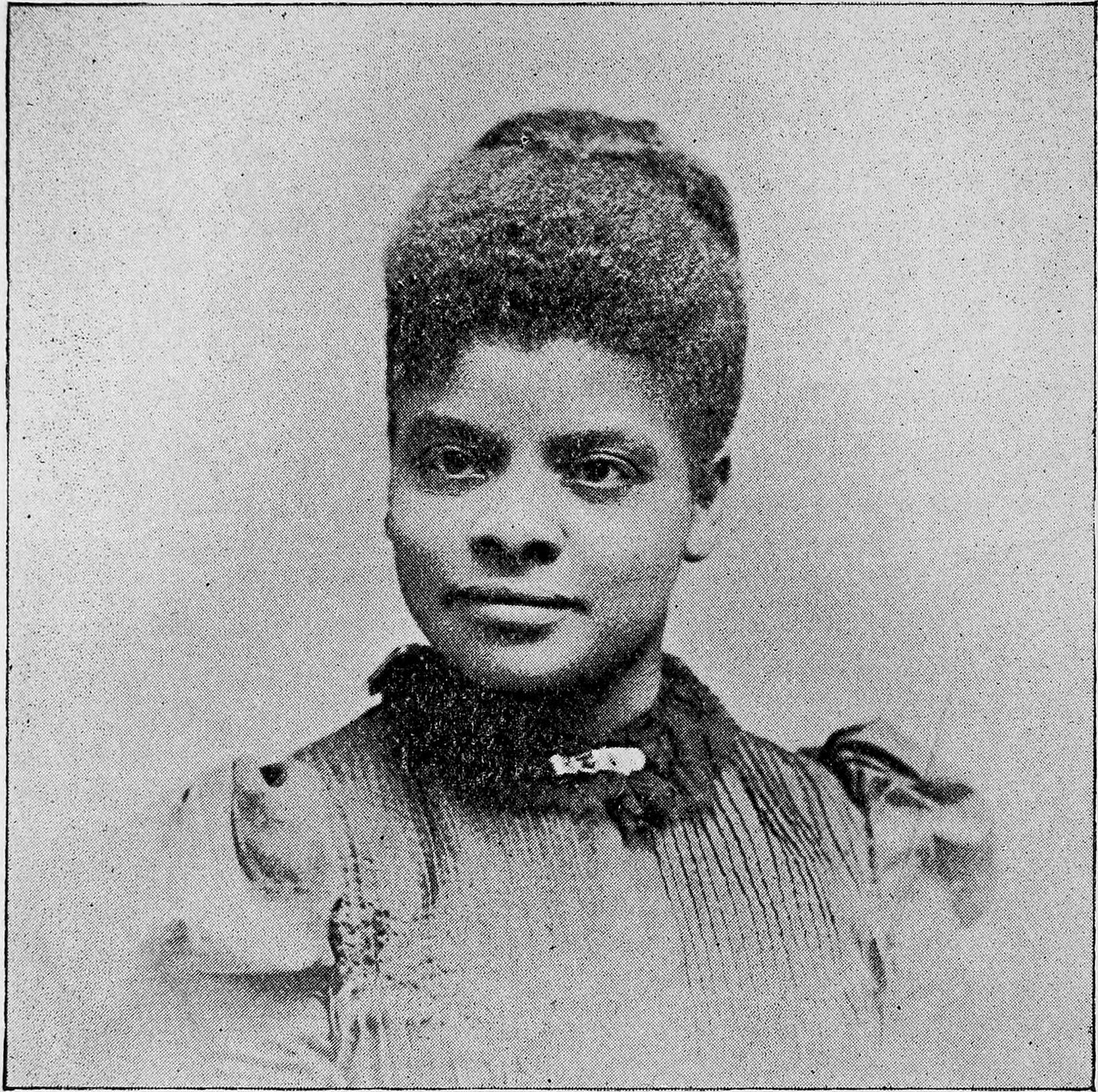
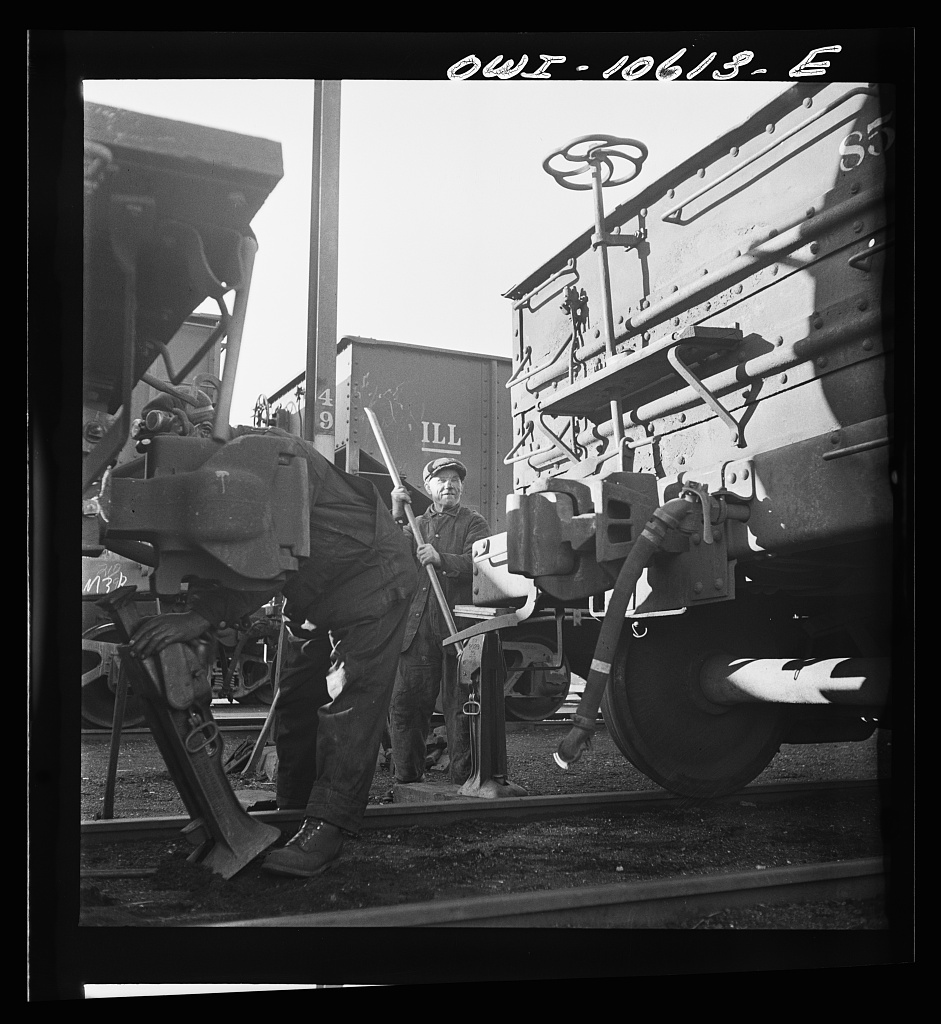
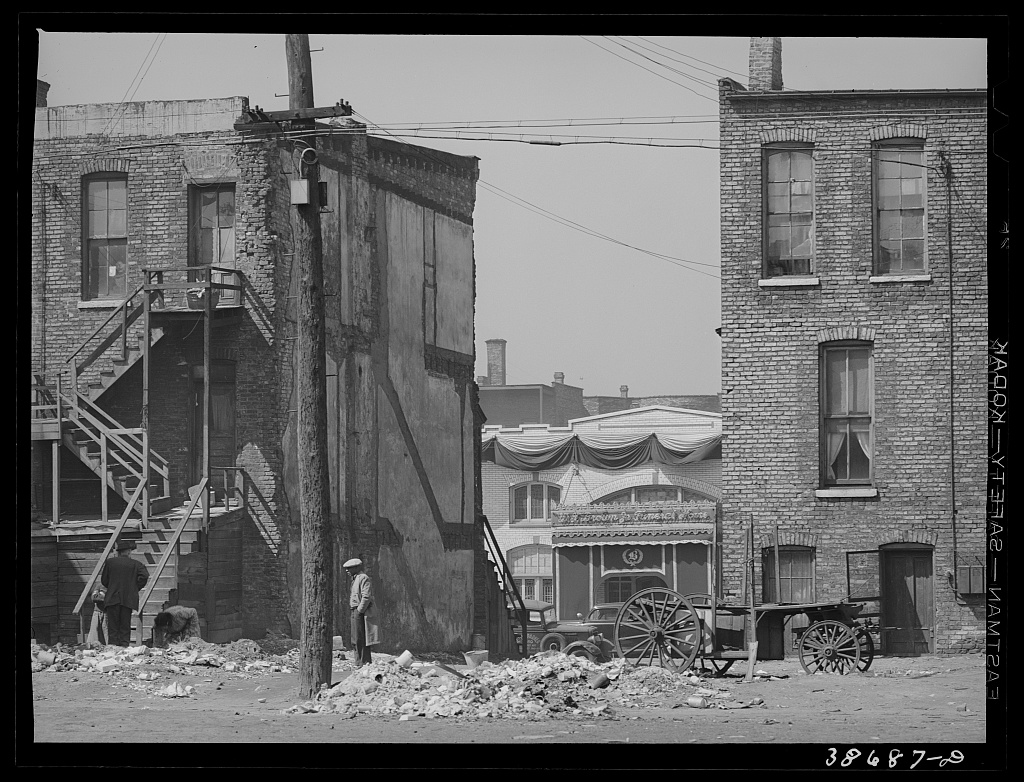
The people, places, and institutions this work documents. Photographs from the CultureTechLens research record — rights-cleared, credited, and cited like everything else here.
Trust & evidence
Evidence before authority. CultureTechLens publishes its methods, its limits, and its corrections alongside its findings. Claims carry grades — VERIFIED, SUPPORTED, PROVISIONAL, DISPUTED, UNRESOLVED — and unknowns are never reported as zero.
Every claim graded. Every source named. Every correction public — see the corrections log.