 CULTURETECHLENS
Colored Press Association
PROVISIONAL evidence grade — build store (JSON graph)
Combined Graph record U-07379 · provenance: build store (JSON graph), record CTL-E-6180.
The Colored Press Association was the nineteenth-century trade association of African American newspaper editors and publishers, formed after Black newspapers were barred from membership in the Associated Press. What was thought to be the first National Colored Press Convention was held in Louisville, Kentucky, in August 1880. The first organizational meeting of African American editors and publishers followed in Louisville in 1881, and the next two meetings, held in Washington, D.C., resulted in the formation of the National Colored Press Association. The National Park Service's nomination history for the T. Thomas Fortune House records that Fortune's former employer, John Wesley Cromwell, called a convention of Black editors and publishers in Louisville in order to establish the Colored Press Association, a step that benefited Fortune's rise as a racial spokesman. The organization's name was eventually changed to the American Press Association, whose first president was John 'J.Q.' Adams of Louisville. The association operated as the Black press's trade association until it became defunct, and in 1909 the National Negro Press Association was organized in its place, with its first convention also held in Louisville.
Answer summary · this record in brief, from its own record text
The Colored Press Association was the nineteenth-century trade association of African American newspaper editors and publishers, formed after Black newspapers were barred from membership in the Associated Press. What was thought to be the first National Colored Press Convention was held in Louisville, Kentucky, in August 1880.
The record
- Also known as: National Colored Press Association, American Press Association (later name)
Notes
Staged 2026-10-16 under CTL-GOV-006 (Scan Tail Wave 5 — 747 Program, Wave 12; fifth Scan Tail packet at the founder's 40-record size). Gate A (2026-10-16): Gate A CLEAR: hand-checked entities.json (3,843 entities) 2026-10-16 — no Colored Press Association / National Colored Press Association entity by name or alias. Endpoint hand-check: T. Thomas Fortune is live as CTL-E-6031, but no relationship to him is asserted — see blocked list for the evidentiary reason. Supply: Supply: 747 Supply Ledger, Tier 4 — corpus scan tail tranche, ranked clean survivor #2158. The scan supplied the NAME STRING ONLY; no fact in this record is sourced to it (CTL-GOV-004). SCOPE GATE: 747 Supply Ledger Tier 4 scan-tail reserve (Scan Tail Wave 4 banked), corpus-gap-candidates ranked #2158; Black press institutional history (BPM-003 / MEDIA-001). Vital status: Not applicable — organization. Defunct by 1909, when its successor was organized (University of Kentucky NKAA, accessed 2026-10-16). STATISTICS — Sequence as sourced (University of Kentucky NKAA, accessed 2026-10-16): convention August 1880; organizational meeting 1881; annual meeting again in Louisville in 1887; association defunct by 1909, when the National Negro Press Association was organized. Operating span 1881-1909 is also the span given for the National Colored Press Association (American Press Association) as a trade association in the African American newspapers reference history read in this pass. CONFLICT/DISTINCTION SHOWN: this body must not be conflated with the separate National Afro-American Press Association established in 1890 in Indianapolis, where T. Thomas Fortune was named chair of the executive committee — a different organization, documented in Fortune's own reference record (CTL-E-6031). TIER: Provisional — Founding sequence is not reducible to a single sourced date: the opened sources distinguish an August 1880 Louisville convention, an 1881 Louisville organizational meeting, and a formation completed over the following two Washington, D.C. meetings, so no single founding year can be asserted at the Verified standard. Fortune's personal role is also narrower than tradition suggests — the NPS record credits John Wesley Cromwell, not Fortune, with calling the Louisville convention. MEDIA: photo HELD (HELD — candidate: a period Louisville convention-era Black newspaper front page / editor portrait from the association's 1880s meetings as documented in the University of Kentucky NKAA entry's cited sources; no specific image verified and no license claimed, PHOTO-001 verification deferred. — named candidate only; file-level rights verification per CTL-PHOTO-001 still required; no license claimed); chart FILLED (charts/chart-ctl-e-6180-colored-press-association.svg); video HELD (no matching-entity CTL Short or verified-rights archival video staged); audio HELD (no rights-cleared matching-entity audio staged); map HELD (address specification in the media block). MEDIA LAYER (staged 2026-10-16; full per-asset PHOTO-001 records + embed specs in the packet's staged JSON, Drive packet folder): map = HELD (Non-place organization record; its documented meeting city is Louisville, Kentucky (1880, 1881, 1887 per NKAA)) | visual_assets = HELD: | chart = FILLED (CTL-created chart (black / deep red / gold) built only from this record's sourced statistics and timeline fact) | video = HELD (No matching-entity CTL Short in the Shorts Link Map (checked by name and variants against shorts-link-map-2026) | audio = HELD (HELD — no rights-cleared matching-entity audio staged in this pass.)
Sources
- Notable Kentucky African Americans Database (University of Kentucky), National Colored Press Convention / American Press Association entry (accessed 2026-10-16) — first National Colored Press Convention held in Louisville in August 1880 (citing The Interior Journal, August 27, 1880); first organizational meeting of African American editors and publishers in Louisville in 1881; next two meetings in Washington, D.C. resulted in formation of the National Colored Press Association; name eventually changed to American Press Association, first president John 'J.Q.' Adams of Louisville; APA defunct and National Negro Press Association organized in 1909 — http://nkaa.uky.edu/nkaa/items/show/1404 (primary source · build store)
- National Park Service, National Register nomination for the T. Thomas Fortune House (accessed 2026-10-16) — Black newspapers were barred from membership in the Associated Press; this prompted Fortune's former employer John Cromwell to call a convention of Black editors and publishers in Louisville in order to establish the Colored Press Association, which proved beneficial to Fortune's reaching his apex as a racial spokesman and leader — https://npgallery.nps.gov/NRHP/GetAsset/NHLS/76001171_text (build store)
More organization records
- Birmingham Black Barons
- Black Elks (IBPOEW) — Chicago
- Black in AI
- Black Independent Political Organization (BIPO)
- Black Liberation Army
- Black Lives Matter
Browse the full directory: all entity records
Record CTL-E-6180 · Combined Graph record U-07379 · CultureTechLens Knowledge Graph · 2 sources.
Directory: all entity records · the knowledge graph
Researched and maintained by the CultureTechLens research program · CultureTechLens Combined Graph, Release 2026-11-04. Corrections are public: the corrections log.
Cite this record
Chicago: CultureTechLens. “Colored Press Association (CTL-E-6180).” CultureTechLens Combined Graph. Chicago, IL: CultureTechLens, 2026. https://culturetechlens.com/graph/entities/ctl-e-6180/
APA: CultureTechLens. (2026). Colored Press Association (CTL-E-6180) [Entity record]. CultureTechLens Combined Graph. https://culturetechlens.com/graph/entities/ctl-e-6180/
MLA: CultureTechLens. “Colored Press Association (CTL-E-6180).” CultureTechLens Combined Graph, 2026, https://culturetechlens.com/graph/entities/ctl-e-6180/
Citation guidance for teachers, journalists, and funders: How to Cite Us.
From the Archive
The archive in pictures
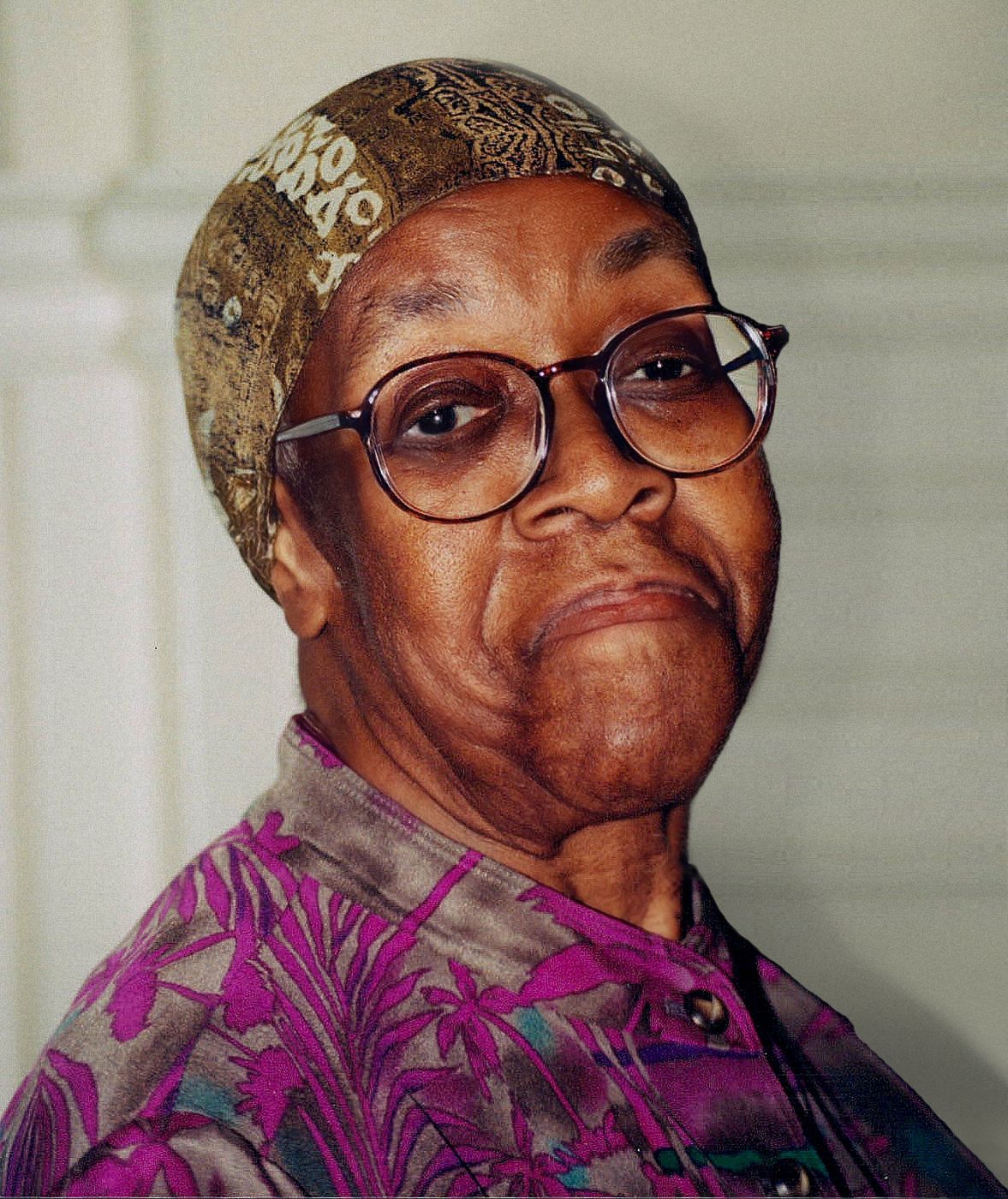
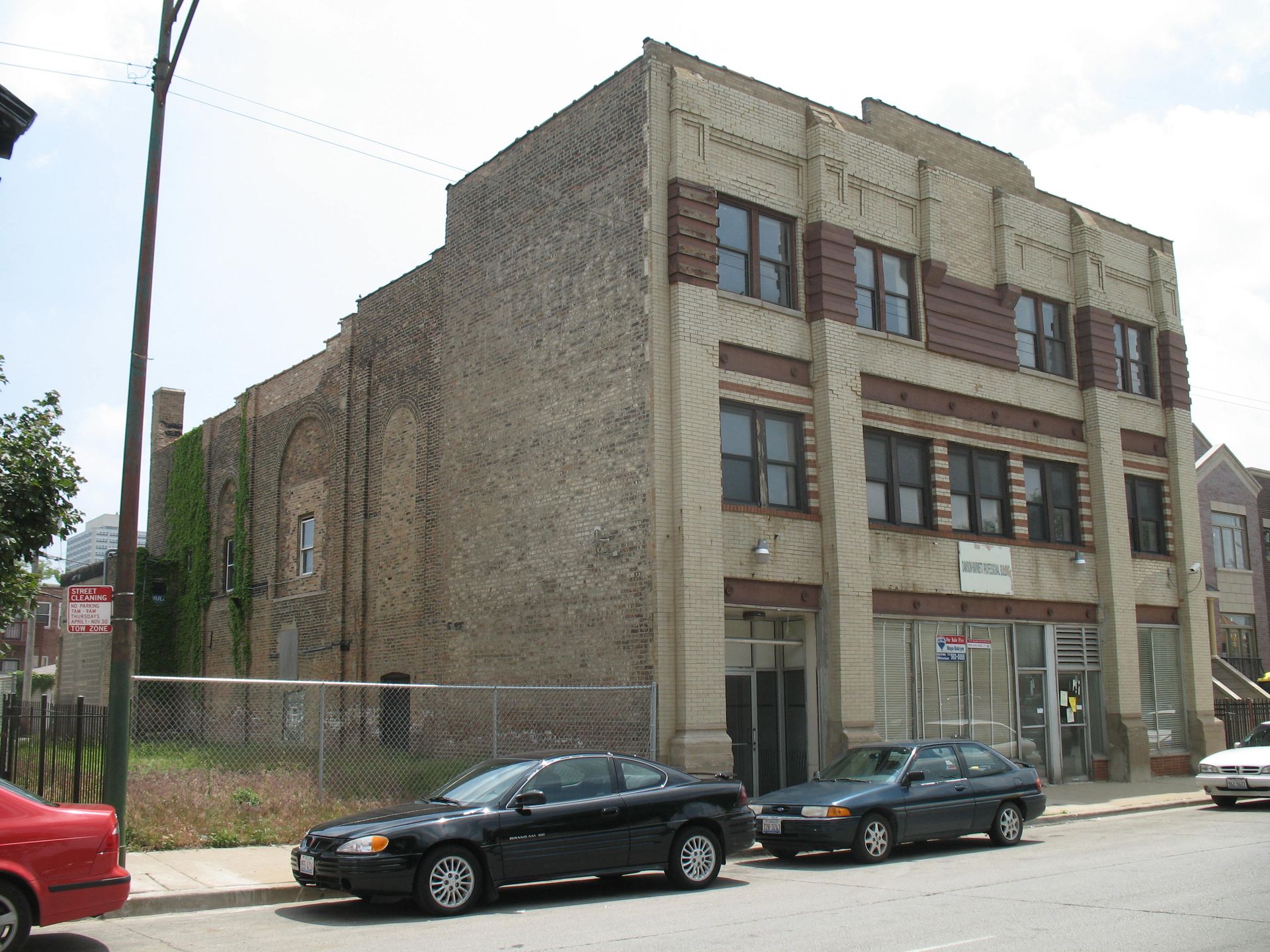
The Black press and the hands that kept the record. Photographs from the CultureTechLens research record — rights-cleared, credited, and cited like everything else here.

Trust & evidence
Evidence before authority. CultureTechLens publishes its methods, its limits, and its corrections alongside its findings. Claims carry grades — VERIFIED, SUPPORTED, PROVISIONAL, DISPUTED, UNRESOLVED — and unknowns are never reported as zero.
Every claim graded. Every source named. Every correction public — see the corrections log.