 CULTURETECHLENS
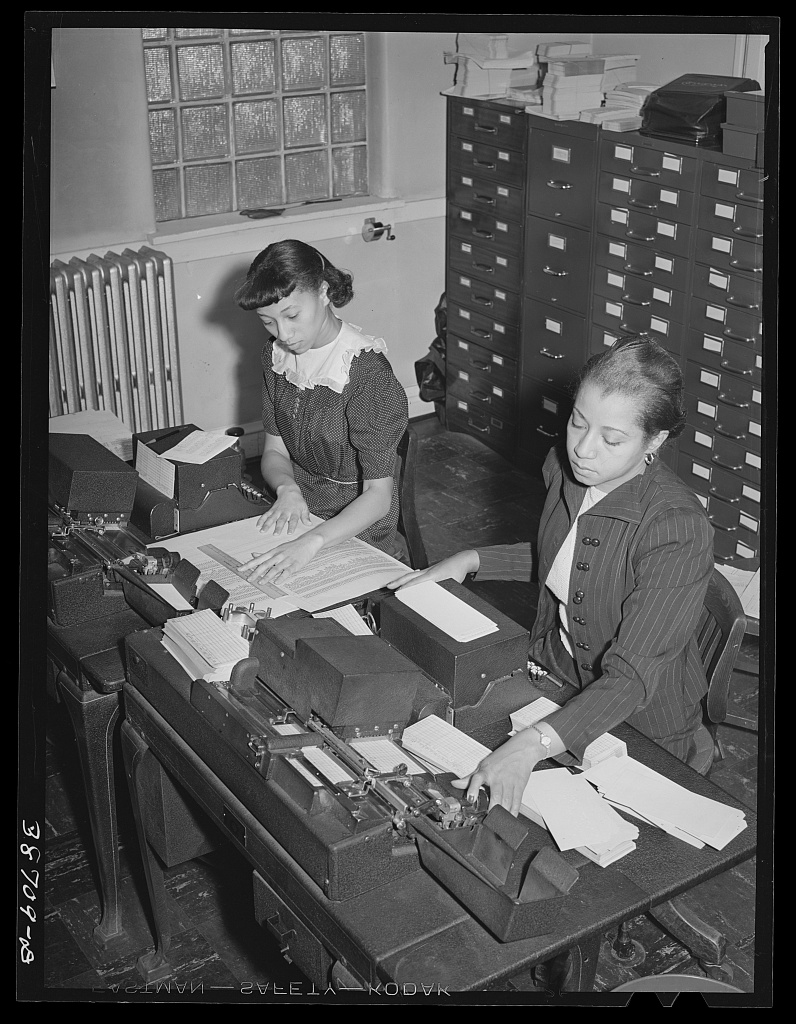
Photo: Russell Lee, FSA-OWI, Public Domain, via Library of Congress
One of three working parts
The Research Lab
The Lab is where the encyclopedia shows its work: the datasets, maps, and methods behind the record — each published with its question, its method, its output, and its limitations.
Dataset
The Knowledge Graph
Question. Can Black Chicago’s cultural record be held as one connected, citable dataset — and kept honest about its own gaps?
Method. Every entity is built from named sources; every claim carries a citation and an evidence grade. The method is published, not promised.
Output. 4,111 entities and 2,527 relationships, released openly — dataset DOI 10.5281/zenodo.17635533, code and data on GitHub, free to reuse with citation.
Limitations. The graph is a record of its sources: where the archive is silent, the graph says so. Grades mark confidence, and corrections are public.
Instrument
The CultureTechLens Index
Question. What does Black culture leave behind — and can the weight of an artifact be scored in the open, with the basis shown?
Method. A published methodology (CTL-IDX-001, version 1.1) — every score carries its citations, its basis, and its stated limitations.
Output. Edition 2026-10: Artifacts (CTL-IDX-003), eight entries scored and published with a DOI: 10.5281/zenodo.23081630.
Limitations. Scores are editorial judgments under a published method — which is why the method, the basis, and the downgrade history publish alongside every score.
Program
Maps — the Black Chicago Cultural Atlas
Status. The Atlas is the Lab’s mapping program. Three finished maps publish in the Color Maps briefing set (CTL-RA-CHI-000001); neighborhood maps for Englewood, Woodlawn, and Chicago Lawn are live, and the 27–8 census map is published. The Atlas’s fuller geocoded layers remain in research — the map room shows what is finished, and does not dress research as product.
From the Archive
The archive in pictures
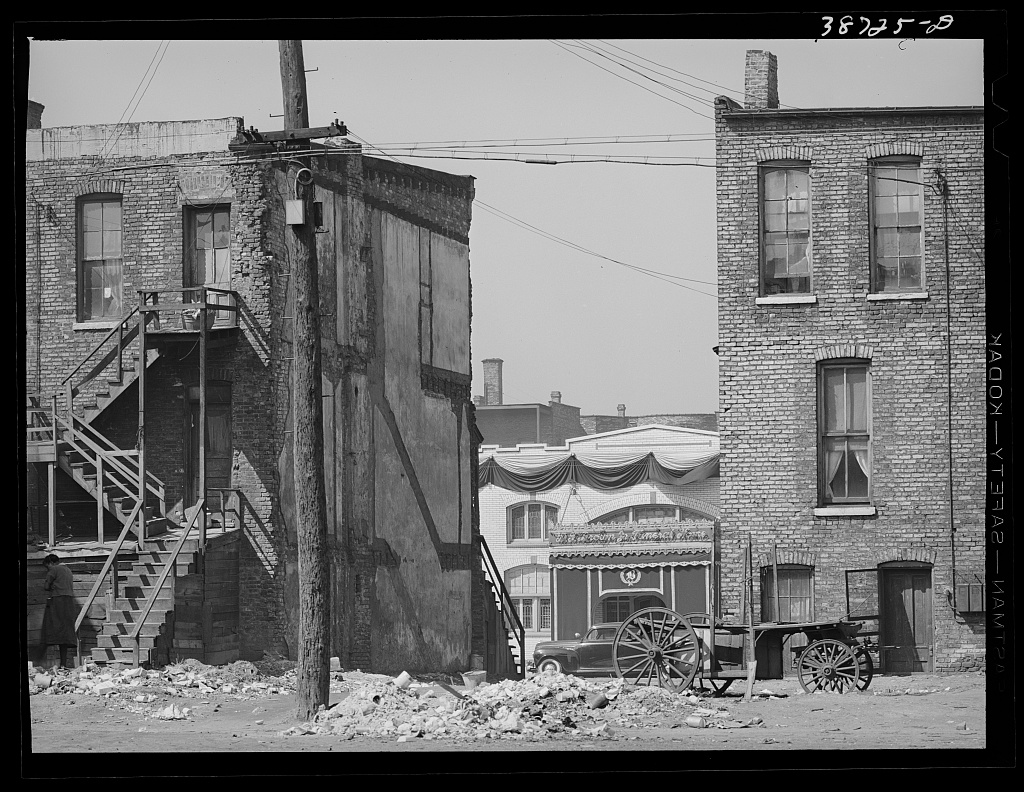
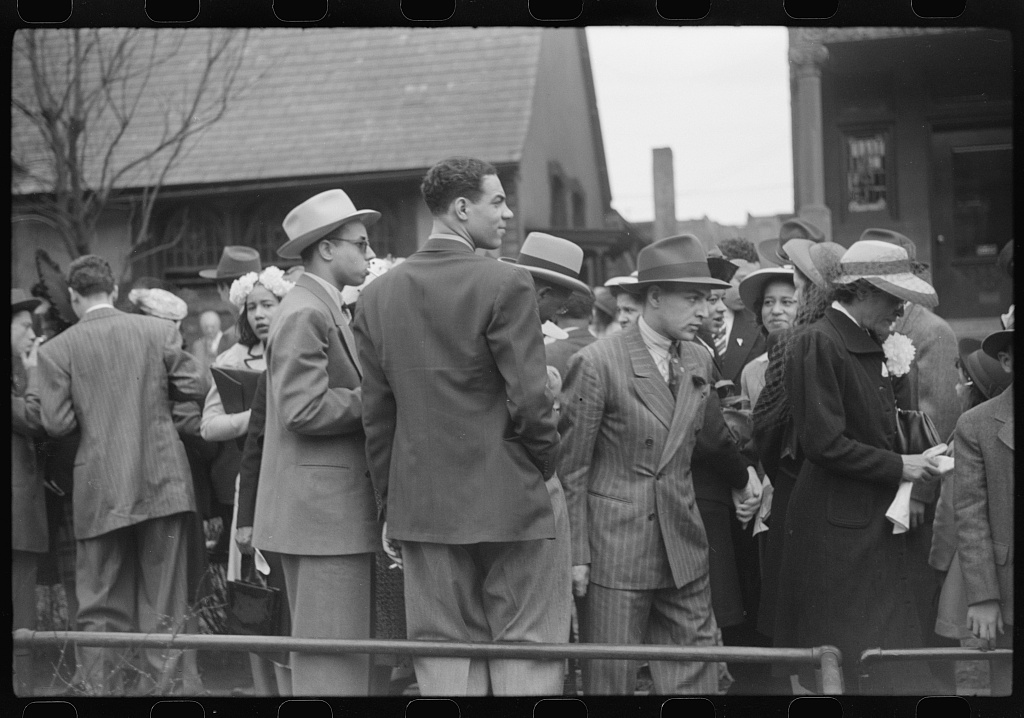
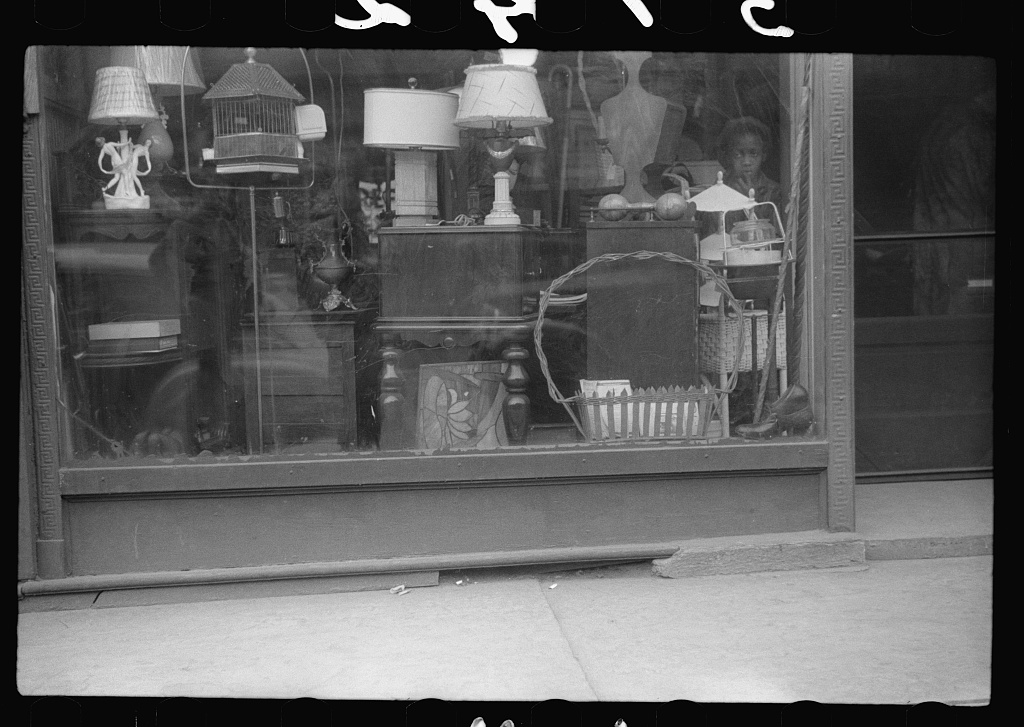
The people, places, and institutions this work documents. Photographs from the CultureTechLens research record — rights-cleared, credited, and cited like everything else here.
Trust & evidence
Evidence before authority. CultureTechLens publishes its methods, its limits, and its corrections alongside its findings. Claims carry grades — VERIFIED, SUPPORTED, PROVISIONAL, DISPUTED, UNRESOLVED — and unknowns are never reported as zero.
Every claim graded. Every source named. Every correction public — see the corrections log.