 CULTURETECHLENS
Race After Technology: Abolitionist Tools for the New Jim Code
VERIFIED evidence grade — build store (JSON graph)
Combined Graph record U-07561 · provenance: build store (JSON graph), record CTL-E-6375.
Race After Technology: Abolitionist Tools for the New Jim Code, by Ruha Benjamin, was published by Polity in 2019. Cutting through technology-industry hype, Benjamin argues that everyday apps and complex algorithms can reinforce white supremacy and deepen social inequity — not chiefly through racist programmers, but because automation can hide, speed up, and deepen discrimination while appearing neutral and even benevolent. Her central framework, the “New Jim Code” — the book's own term, adapted in dialogue with Michelle Alexander's The New Jim Crow — names discriminatory designs that encode inequity by explicitly amplifying racial hierarchies, by ignoring and thereby replicating social divisions, or by purporting to fix racial bias while doing the opposite. She also argues that race itself functions as a kind of technology, designed to stratify injustice. The book won the 2020 Oliver Cromwell Cox Book Award and the 2020 Brooklyn Public Library Literary Prize for Nonfiction.
Answer summary · this record in brief, from its own record text
Race After Technology: Abolitionist Tools for the New Jim Code, by Ruha Benjamin, was published by Polity in 2019. Cutting through technology-industry hype, Benjamin argues that everyday apps and complex algorithms can reinforce white supremacy and deepen social inequity — not chiefly through racist programmers, but because automation can hide, speed up, and deepen discrimination while appearing neutral and even benevolent.
The record
- Also known as: Race After Technology
Notes
GRADE BASIS: Verified — the publisher page (Polity, primary) plus Princeton University plus a university library catalogue carrying the publisher's summary independently confirm the full title, publisher, 2019 date, and the New Jim Code framework as the book's own concept. EDGE: authored_by → CTL-E-1093 (Ruha Benjamin, live) is staged in this packet. PHOTO: HELD (see media). CURATOR'S JUDGMENT (DRAFT): The New Jim Code is the single most quotable frame in CTL's surveillance lane — this record is what EB-32 and EB-33 cite when they need the concept. (Draft judgment, not fact.)
Relationships
- Ruha Benjamin — authored by
Polity's product page and Princeton's faculty page both name Ruha Benjamin (live record CTL-E-1093) as the author of Race After Technology (Polity, 2019).
Sources
- Page title: “Race After Technology: Abolitionist Tools for the New Jim Code — Winner of the ASA Section on Racial and Ethnic Minorities Oliver Cromwell Cox Best Book Award 2020… Winner of Brooklyn Public Library's Literary Prize for Nonfiction 2020,” quoting Ethnic and Racial Studies: examples “exemplify what Benjamin calls the new Jim Code.” Accessed 2026-10-29. (primary source · build store)
- “Race After Technology: Abolitionist Tools for the New Jim Code (Polity 2019), winner of the 2020 Oliver Cromwell Cox Book Award for antiracist scholarship and the 2020 Brooklyn Public Library Literary Prize for Nonfiction.” Accessed 2026-10-29. (build store)
- “Race after technology : abolitionist tools for the New Jim Code / Ruha Benjamin. Cambridge, UK ; Medford, MA : Polity, 2019… Presenting the concept of the New Jim Code, she shows how a range of discriminatory designs encode inequity: by explicitly amplifying racial hierarchies, by ignoring but thereby replicating social divisions, or by aiming to fix racial bias but ultimately doing quite the opposite… ‘-- Provided by publisher.’” Accessed 2026-10-29. (build store)
More work records
Browse the full directory: all entity records
Record CTL-E-6375 · Combined Graph record U-07561 · CultureTechLens Knowledge Graph · 3 sources · 1 mapped relationship.
Directory: all entity records · the knowledge graph
Researched and maintained by the CultureTechLens research program · CultureTechLens Combined Graph, Release 2026-11-04. Corrections are public: the corrections log.
Cite this record
Chicago: CultureTechLens. “Race After Technology: Abolitionist Tools for the New Jim Code (CTL-E-6375).” CultureTechLens Combined Graph. Chicago, IL: CultureTechLens, 2026. https://culturetechlens.com/graph/entities/ctl-e-6375/
APA: CultureTechLens. (2026). Race After Technology: Abolitionist Tools for the New Jim Code (CTL-E-6375) [Entity record]. CultureTechLens Combined Graph. https://culturetechlens.com/graph/entities/ctl-e-6375/
MLA: CultureTechLens. “Race After Technology: Abolitionist Tools for the New Jim Code (CTL-E-6375).” CultureTechLens Combined Graph, 2026, https://culturetechlens.com/graph/entities/ctl-e-6375/
Citation guidance for teachers, journalists, and funders: How to Cite Us.
From the Archive
The archive in pictures
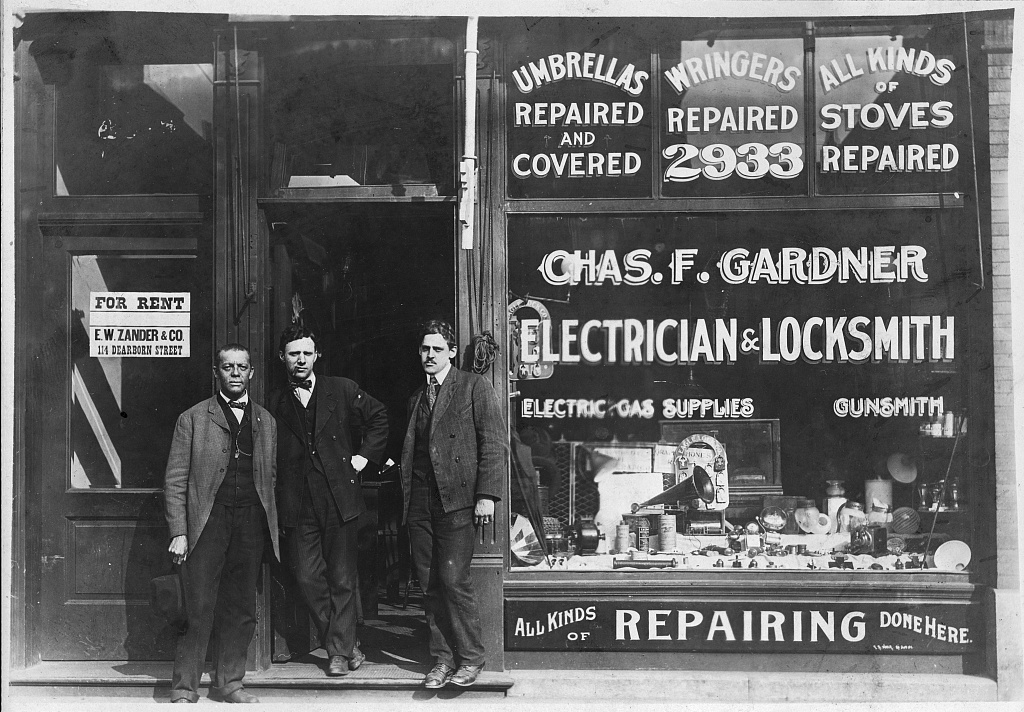
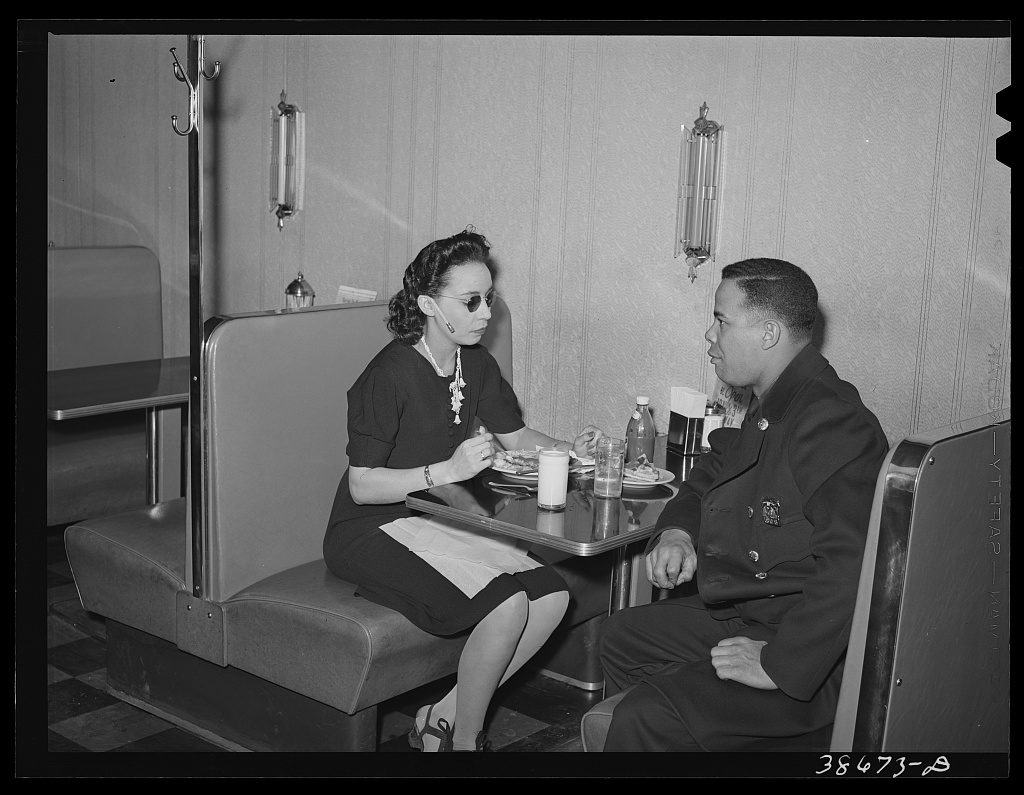
Black enterprise — the shops, banks, and trades that built it. Photographs from the CultureTechLens research record — rights-cleared, credited, and cited like everything else here.

Trust & evidence
Evidence before authority. CultureTechLens publishes its methods, its limits, and its corrections alongside its findings. Claims carry grades — VERIFIED, SUPPORTED, PROVISIONAL, DISPUTED, UNRESOLVED — and unknowns are never reported as zero.
Every claim graded. Every source named. Every correction public — see the corrections log.