 CULTURETECHLENS
Music — House & Dance Culture
STRONG EVIDENCE evidence grade — master store (canonical CSV)
Combined Graph record U-00009 · provenance: canonical master store (CSV), record CTL-T-02. Master record source: CTL seed 2026-10-16 — UNVERIFIED, verify before public citation.
University of Sheffield New Histories (2024) treats house music as emerging from Chicago's predominantly Black, Latino, and LGBTQ+ club scene after disco's decline: Frankie Knuckles DJing at the Warehouse (206 South Jefferson Street, Chicago) from 1977, layering disco vocals over electronic samples; Jesse Saunders's 1984 single among the earliest Chicago house records; the music then spread to Detroit, New York, and internationally. The lane framing is CTL's own taxonomy. (fetched in full 2026-10-17)
Answer summary · this record in brief, from its own record text
University of Sheffield New Histories (2024) treats house music as emerging from Chicago's predominantly Black, Latino, and LGBTQ+ club scene after disco's decline: Frankie Knuckles DJing at the Warehouse (206 South Jefferson Street, Chicago) from 1977, layering disco vocals over electronic samples; Jesse Saunders's 1984 single among the earliest Chicago house records; the music then spread to Detroit, New York, and internationally. The lane framing is CTL's own taxonomy. (fetched in full 2026-10-17)
The record
- Also known as: music-house-dance
Sources
- https://newhistories.sites.sheffield.ac.uk/volumes/2023-24/volume-24/the-role-of-minority-communities-in-developing-house-music (verification source · master store)
Evidence note (master store)
University of Sheffield New Histories (2024) treats house music as emerging from Chicago's predominantly Black, Latino, and LGBTQ+ club scene after disco's decline: Frankie Knuckles DJing at the Warehouse (206 South Jefferson Street, Chicago) from 1977, layering disco vocals over electronic samples; Jesse Saunders's 1984 single among the earliest Chicago house records; the music then spread to Detroit, New York, and internationally. The lane framing is CTL's own taxonomy. (fetched in full 2026-10-17)
More topic records
- African American patent holders
- African diaspora
- African print textiles
- Afrobeats
- Afrofuturism
- Agricultural innovation
Browse the full directory: all entity records
Record CTL-T-02 · Combined Graph record U-00009 · CultureTechLens Knowledge Graph · 1 source.
Directory: all entity records · the knowledge graph
Researched and maintained by the CultureTechLens research program · CultureTechLens Combined Graph, Release 2026-11-04. Corrections are public: the corrections log.
Cite this record
Chicago: CultureTechLens. “Music — House & Dance Culture (CTL-T-02).” CultureTechLens Combined Graph. Chicago, IL: CultureTechLens, 2026. https://culturetechlens.com/graph/entities/ctl-t-02/
APA: CultureTechLens. (2026). Music — House & Dance Culture (CTL-T-02) [Entity record]. CultureTechLens Combined Graph. https://culturetechlens.com/graph/entities/ctl-t-02/
MLA: CultureTechLens. “Music — House & Dance Culture (CTL-T-02).” CultureTechLens Combined Graph, 2026, https://culturetechlens.com/graph/entities/ctl-t-02/
Citation guidance for teachers, journalists, and funders: How to Cite Us.
From the Archive
The archive in pictures
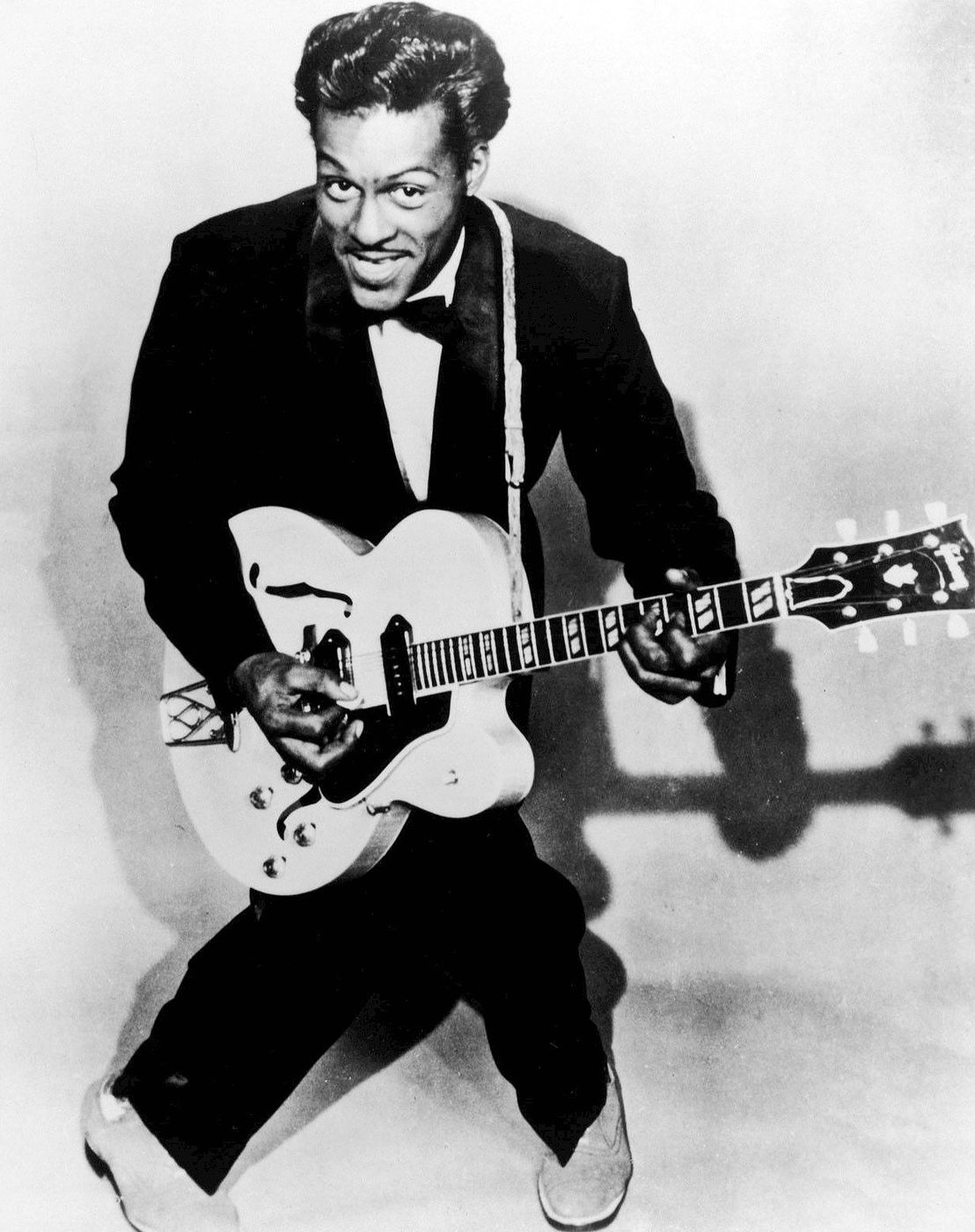
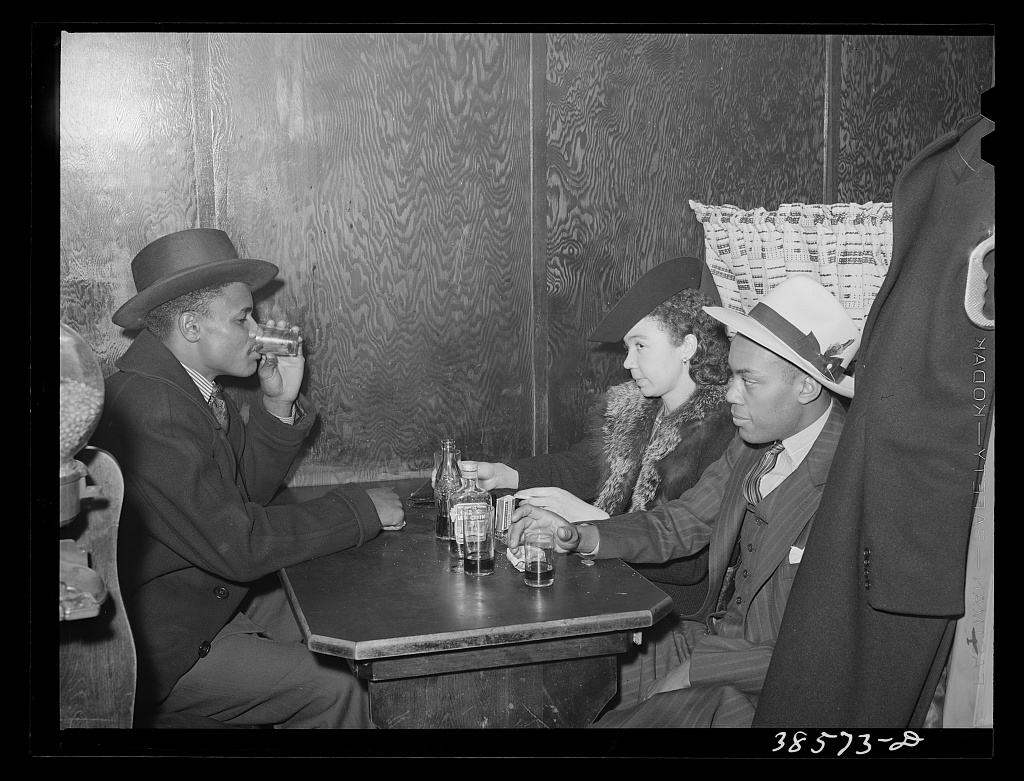
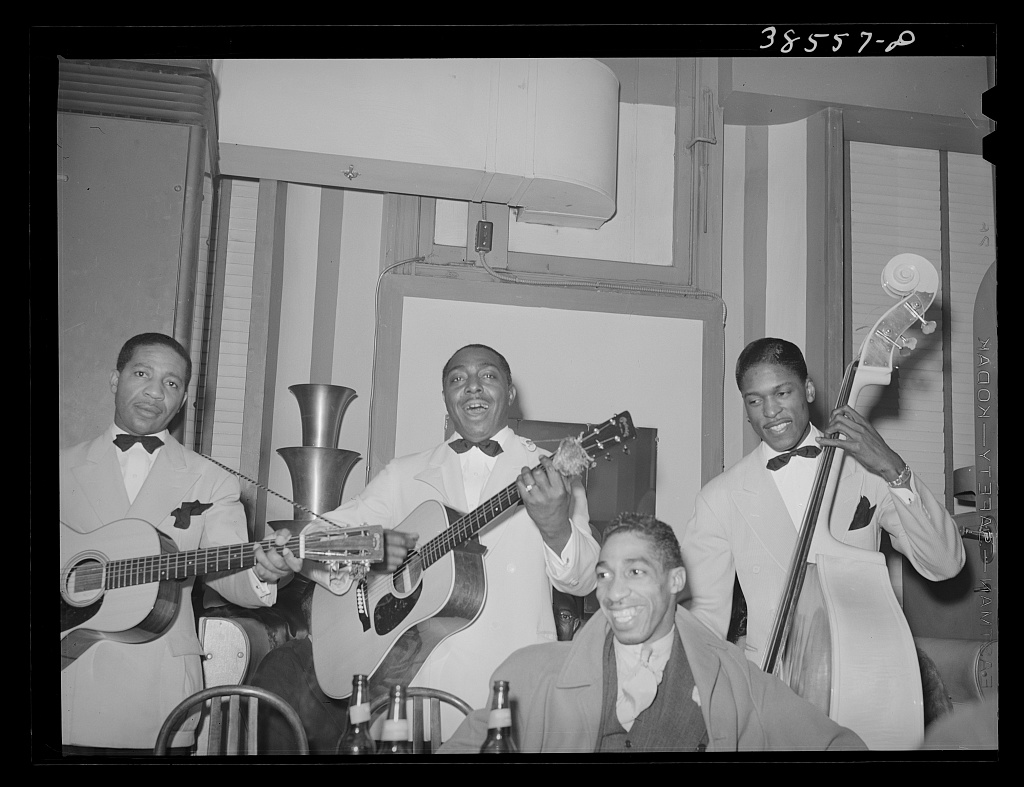
Black Chicago’s musical record, kept frame by frame. Photographs from the CultureTechLens research record — rights-cleared, credited, and cited like everything else here.
Trust & evidence
Evidence before authority. CultureTechLens publishes its methods, its limits, and its corrections alongside its findings. Claims carry grades — VERIFIED, SUPPORTED, PROVISIONAL, DISPUTED, UNRESOLVED — and unknowns are never reported as zero.
Every claim graded. Every source named. Every correction public — see the corrections log.