 CULTURETECHLENS
Calas
STRONG EVIDENCE evidence grade — master store (canonical CSV)
Combined Graph record U-01127 · provenance: canonical master store (CSV), record CTL-W-0727. Master record source: CTL seed 2026-10-16 — UNVERIFIED, verify before public citation.
Calas are New Orleans rice fritters: the main ingredients are (leftover) rice, sugar, and a binder of eggs and/or flour, fried (the 1900 Picayune Cookbook recipe uses rice, eggs, sugar, yeast, and lard for frying). Jessica B. Harris (64 Parishes, the Louisiana Endowment for the Humanities encyclopedia) ties the fritter to rice-growing West Africa and documents it as a street food sold by enslaved people — some of whom bought their freedom with the proceeds — and by free people of color, established in New Orleans home kitchens by the mid-19th century. Stored key ingredients (rice, fried fritters) and origin_note (Black New Orleans tradition) established.
Answer summary · this record in brief, from its own record text
Calas are New Orleans rice fritters: the main ingredients are (leftover) rice, sugar, and a binder of eggs and/or flour, fried (the 1900 Picayune Cookbook recipe uses rice, eggs, sugar, yeast, and lard for frying). Jessica B. Harris (64 Parishes, the Louisiana Endowment for the Humanities encyclopedia) ties the fritter to rice-growing West Africa and documents it as a street food sold by enslaved people — some of whom bought their freedom with the proceeds — and by free people
The record
- Work type: dish
- Category: desserts
Sources
- https://64parishes.org/tale-of-two-fritters (verification source · master store)
Evidence note (master store)
Calas are New Orleans rice fritters: the main ingredients are (leftover) rice, sugar, and a binder of eggs and/or flour, fried (the 1900 Picayune Cookbook recipe uses rice, eggs, sugar, yeast, and lard for frying). Jessica B. Harris (64 Parishes, the Louisiana Endowment for the Humanities encyclopedia) ties the fritter to rice-growing West Africa and documents it as a street food sold by enslaved people — some of whom bought their freedom with the proceeds — and by free people of color, established in New Orleans home kitchens by the mid-19th century. Stored key ingredients (rice, fried fritters) and origin_note (Black New Orleans tradition) established.
More work records
Browse the full directory: all entity records
Record CTL-W-0727 · Combined Graph record U-01127 · CultureTechLens Knowledge Graph · 1 source.
Directory: all entity records · the knowledge graph
Researched and maintained by the CultureTechLens research program · CultureTechLens Combined Graph, Release 2026-11-04. Corrections are public: the corrections log.
Cite this record
Chicago: CultureTechLens. “Calas (CTL-W-0727).” CultureTechLens Combined Graph. Chicago, IL: CultureTechLens, 2026. https://culturetechlens.com/graph/entities/ctl-w-0727/
APA: CultureTechLens. (2026). Calas (CTL-W-0727) [Entity record]. CultureTechLens Combined Graph. https://culturetechlens.com/graph/entities/ctl-w-0727/
MLA: CultureTechLens. “Calas (CTL-W-0727).” CultureTechLens Combined Graph, 2026, https://culturetechlens.com/graph/entities/ctl-w-0727/
Citation guidance for teachers, journalists, and funders: How to Cite Us.
From the Archive
The archive in pictures
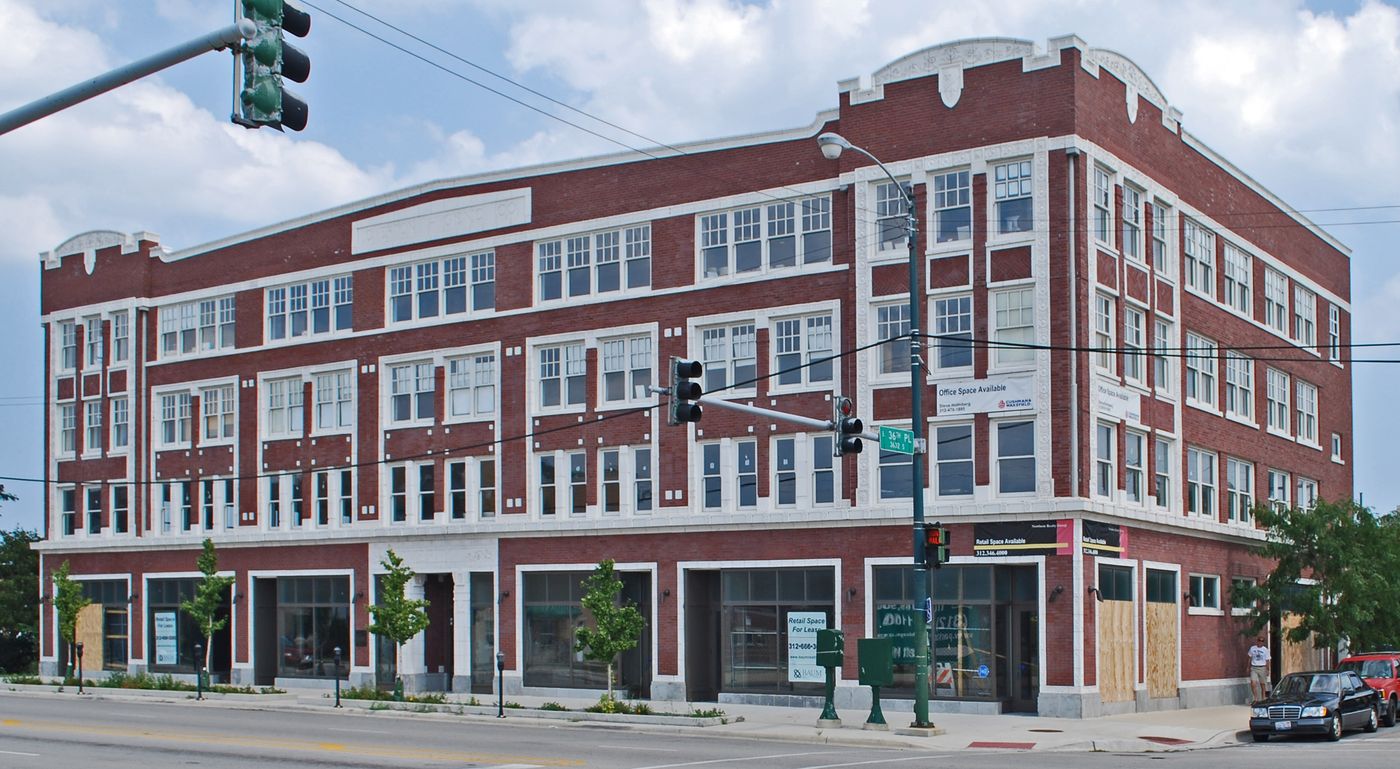
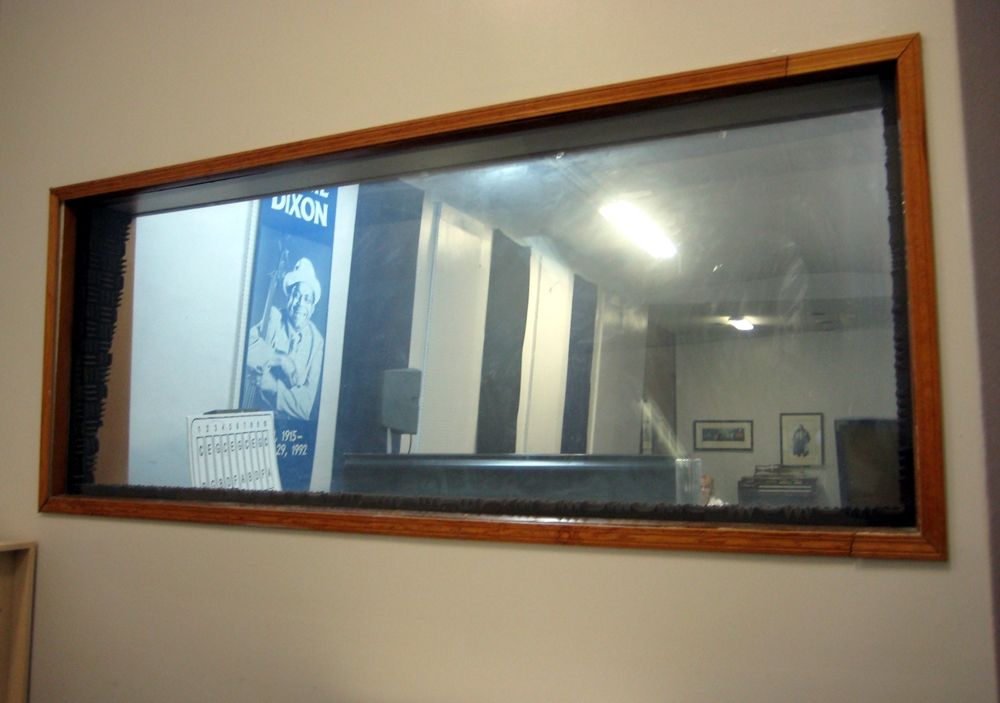
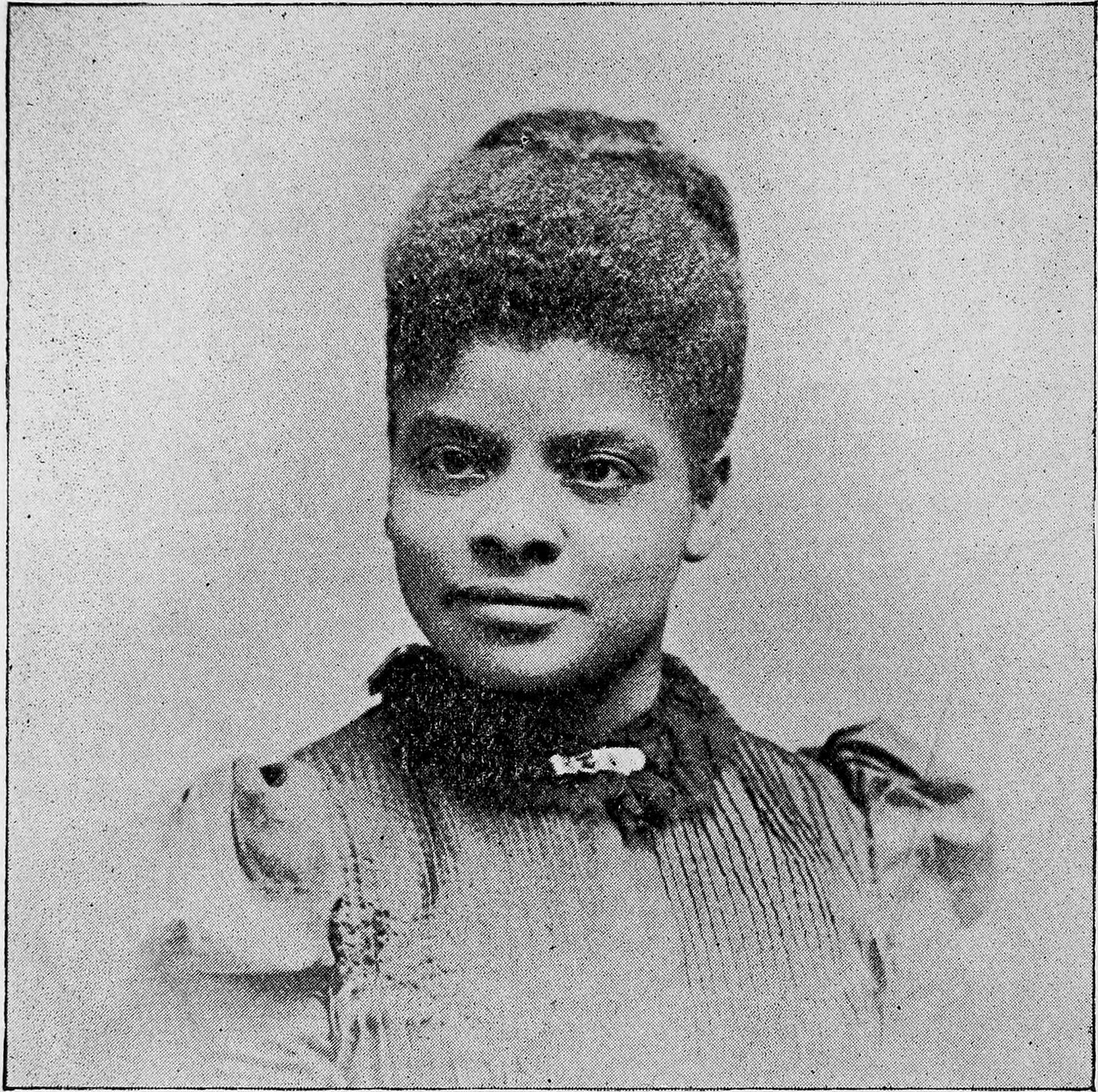
The people, places, and institutions this work documents. Photographs from the CultureTechLens research record — rights-cleared, credited, and cited like everything else here.
Trust & evidence
Evidence before authority. CultureTechLens publishes its methods, its limits, and its corrections alongside its findings. Claims carry grades — VERIFIED, SUPPORTED, PROVISIONAL, DISPUTED, UNRESOLVED — and unknowns are never reported as zero.
Every claim graded. Every source named. Every correction public — see the corrections log.