 CULTURETECHLENS
Documentary photography of Black Chicago everyday life
STAGED RECORD — this record is staged and has not been merged into the canonical CultureTechLens Knowledge Graph. It is preserved as intake backlog for the graph’s enrichment program; the STAGED label replaces any evidence grade until the record is graded into the canonical store.
STAGED evidence grade of this record
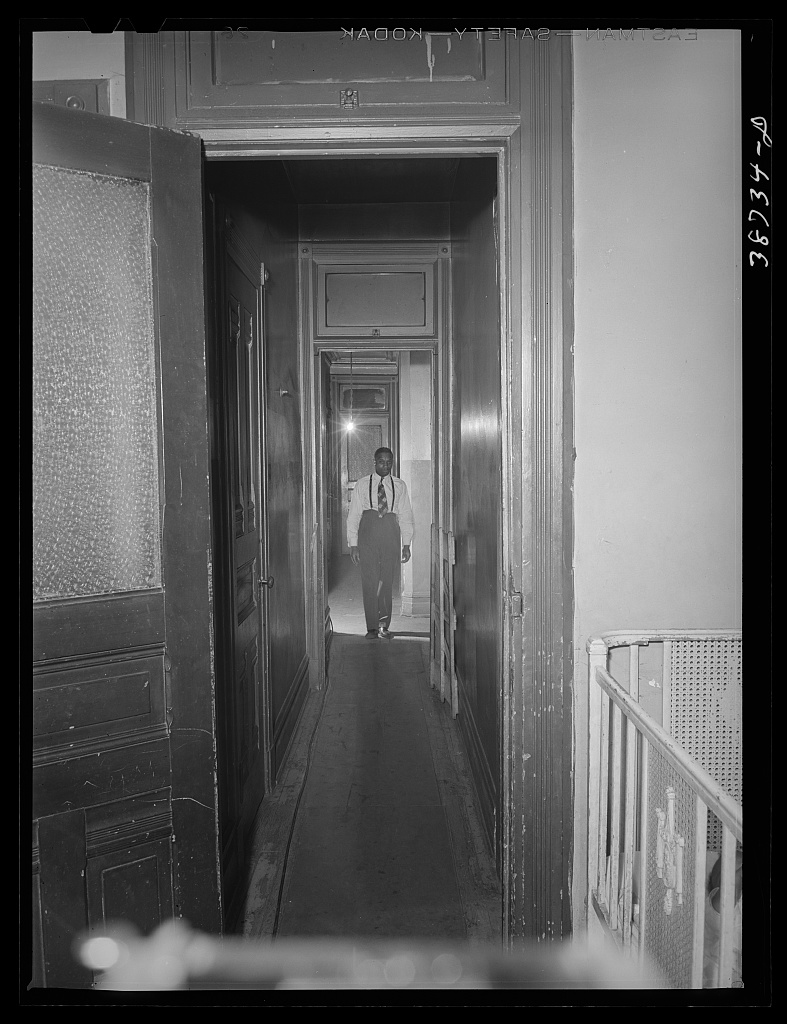
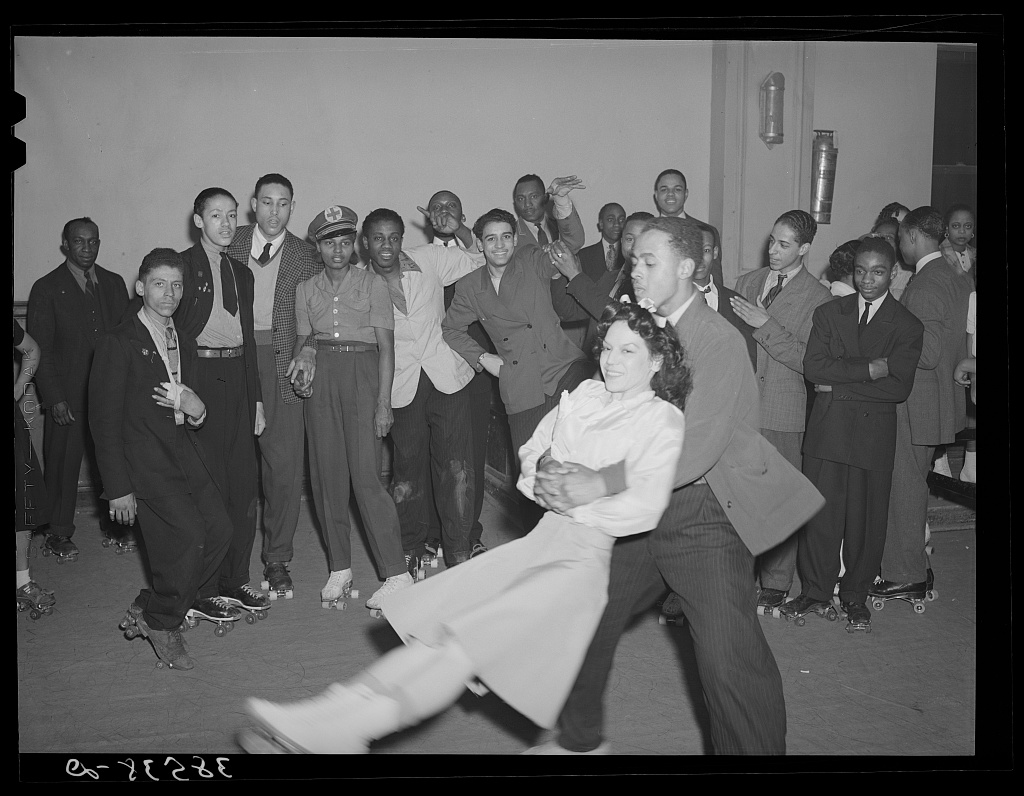
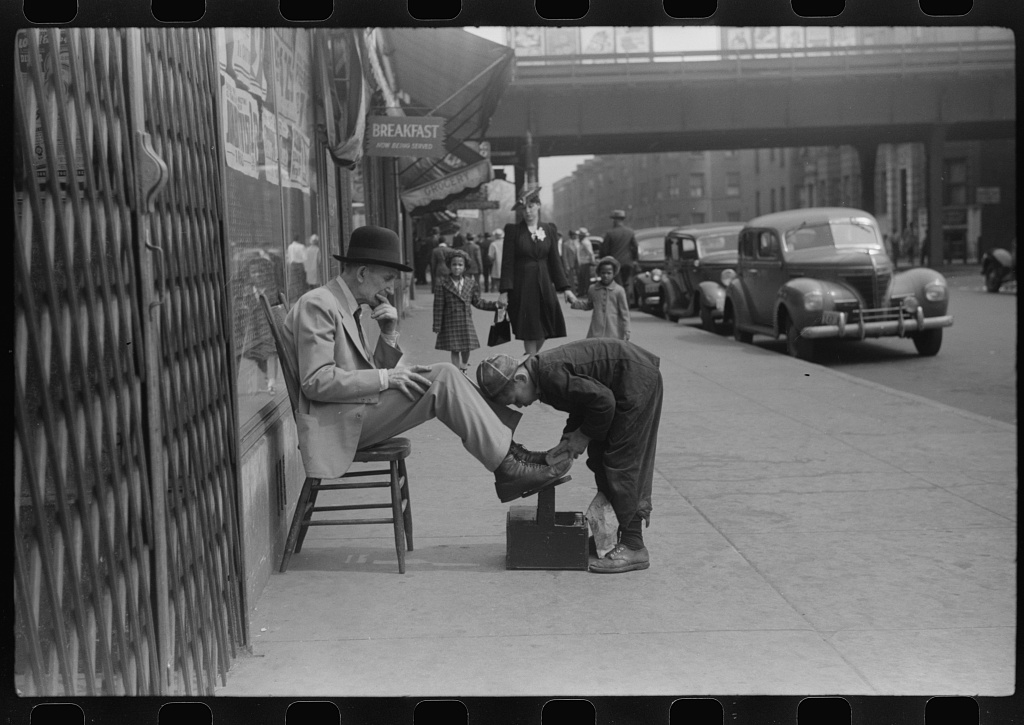
Photographers — Black Chicagoans and visitors — building visual archives of ordinary South Side life: street scenes, stoops, taverns, churches, clubs.
Answer summary · this record in brief, from its own record text
Documentary photography of Black Chicago everyday life is the practice, spanning 1941 to 1979, by which photographers — Black Chicagoans and visitors alike — built visual archives of ordinary South Side life. Their subjects were street scenes, stoops, taverns, churches, and clubs. The practice is also recorded under the names Bronzeville documentary photography and Black Chicago documentary photography.
The record
- Also known as: Bronzeville documentary photography, Black Chicago documentary photography
Notes
RELP55 in-place enrichment (2026-10-06): +10 claims, +10 evidence, +8 relationships (6 outgoing, 2 incoming). Verification upgraded Provisional→Verified.
Relationships
- FESTAC '77 — related to
Chicago photographers (K. Kofi Moyo, Marilyn Nance) documented FESTAC '77 for the US delegation, carrying the Black Chicago documentary practice to Lagos. - Great Migration — related to
The FSA sent photographers to Bronzeville precisely because it was the destination of an unprecedented migration; the images are the visual record of the Great Migration's Chicago chapter. - K. Kofi Moyo — related to
Chicago-born photographer K. Kofi Moyo used his camera as a tool of liberation and documented FESTAC '77 for the US delegation, extending the Black documentary-photography practice. - Marilyn Nance — related to
Marilyn Nance, official photographer for FESTAC '77's North American Zone, built the archive of US participation later published as 'Last Day in Lagos.' - Moneta Sleet Jr. — related to
Moneta Sleet Jr.'s 41-year Ebony/Jet career made him the defining Black-press photographer of everyday Black life, the same visual-archive practice the entity describes. - South Side Community Art Center Dedication — related to
The FSA Bronzeville photographs captured poetry circles and art exhibitions at the South Side Community Art Center, whose 1941 dedication anchors the practice's era.
Referenced by
- Copyright Uncertainty — related to → this record
- FESTAC '77 — related to → this record
- Great Migration — related to → this record
Sources
- Maren Stange, Bronzeville (The New Press, 2003); reviewed via thefreelibrary.com
- WAMC (May 25, 2013); all-about-photo.com (n.d.)
- Hyperallergic, 'An Overlooked Photographer Who Documented Generations' (2025) (primary source)
- Maren Stange, Bronzeville: Black Chicago in Pictures, 1941–1943 (The New Press, 2003)
- Moneta Sleet Jr. / Ebony photo record (Wikipedia; Swann Galleries; Andscape)
More practice records
- Black language practice in Chicago (African American Language)
- Signifying (ritual verbal play)
- Reading Ebony and Jet in the home
- Watching Soul Train (the Chicago years)
- Pullman porter work
- Black police work in Chicago (Renault Robinson)
Browse the full directory: all entity records
Record CTL-E-1326 · CultureTechLens Knowledge Graph · evidence grade: STAGED · 5 sources (1 primary) · 9 mapped relationships · CTL research: LIFE-001, RELP-001.
Directory: all entity records · the knowledge graph
Cite this record
Chicago: CultureTechLens. “Documentary photography of Black Chicago everyday life (CTL-E-1326).” CultureTechLens Knowledge Graph. Chicago, IL: CultureTechLens, 2026. https://culturetechlens.com/graph/entities/ctl-e-1326/
APA: CultureTechLens. (2026). Documentary photography of Black Chicago everyday life (CTL-E-1326) [Entity record]. CultureTechLens Knowledge Graph. https://culturetechlens.com/graph/entities/ctl-e-1326/
MLA: CultureTechLens. “Documentary photography of Black Chicago everyday life (CTL-E-1326).” CultureTechLens Knowledge Graph, 2026, https://culturetechlens.com/graph/entities/ctl-e-1326/
Citation guidance for teachers, journalists, and funders: How to Cite Us.
From the Archive
The archive in pictures
The people, places, and institutions this work documents. Photographs from the CultureTechLens research record — rights-cleared, credited, and cited like everything else here.
Trust & evidence
Evidence before authority. CultureTechLens publishes its methods, its limits, and its corrections alongside its findings. Claims carry grades — STAGED, SUPPORTED, PROVISIONAL, DISPUTED, UNRESOLVED — and unknowns are never reported as zero.
Every claim graded. Every source named. Every correction public — see the corrections log.