 CULTURETECHLENS
Boarding-house keepers and kitchenette landladies (sector)
STAGED RECORD — this record is staged and has not been merged into the canonical CultureTechLens Knowledge Graph. It is preserved as intake backlog for the graph’s enrichment program; the STAGED label replaces any evidence grade until the record is graded into the canonical store.
PROVISIONAL evidence grade of this record
Renting rooms and running boarding houses was a major women's income strategy in 1920s Black Chicago, driven by overcrowding and low wages; it functioned as a dispersed, largely unrecorded lodging industry. Named keepers are almost entirely absent from the secondary record.
Answer summary · this record in brief, from its own record text
Renting rooms and running boarding houses was a major women's income strategy in 1920s Black Chicago, driven by overcrowding and low wages; it functioned as a dispersed, largely unrecorded lodging industry. Named keepers are almost entirely absent from the secondary record.
Notes
Merged into canonical KG 2026-10-03 from ECON-001; source entity IDs: CTL-DR-ECON-001:ECON-014; source research type(s): sector.
Relationships
- 47th Street shopping and strolling — Bronzeville's Black consumer corridor — related to
The 47th Street consumer corridor and the kitchenette domestic economy both structured Black Belt everyday life. - Black language practice in Chicago (African American Language) — related to
Kitchenette domestic life and Black language practice are co-documented in the Black Metropolis record of the Black Belt. - Black retailers' supply-chain dependency — related to
Kitchenette landladies and Black retailers were both part of the Black Belt cash economy documented in Black Metropolis. - Kitchenette apartment living — related to
Boarding-house keeping and kitchenette apartment living are the same Black Belt housing economy: subdivided rooms rented at high rates. - Richard Wright — related to
Wright wrote the introduction to the 1945 Black Metropolis, whose kitchenette-housing documentation anchors this practice. - St. Clair Drake / Horace R. Cayton — related to
Drake and Cayton's Black Metropolis is the foundational documentary record of the Black Belt housing economy.
Referenced by
- Black language practice in Chicago (African American Language) — related to → this record
- Black retailers' supply-chain dependency — related to → this record
- Traveling with the Negro Motorist Green Book — Chicago as destination — related to → this record
Sources
- "Part of the Loaf" (scholarly article, via thefreelibrary.com)
- Negative finding of this worker
More practice records
- Independent Black beauty shops and the Poro/Walker agent networks (sector)
- Street-level micro-enterprise (balloon vendor, 47th St.; newsstand, West Side)
- Black Spiritualist Storefront Churches
- Church Mothers
- Congregational Mutual Aid
- Deaconess Boards
Browse the full directory: all entity records
Record CTL-E-1353 · CultureTechLens Knowledge Graph · evidence grade: PROVISIONAL · 2 sources · 9 mapped relationships · CTL research: ECON-001, RELP-001.
Directory: all entity records · the knowledge graph
Cite this record
Chicago: CultureTechLens. “Boarding-house keepers and kitchenette landladies (sector) (CTL-E-1353).” CultureTechLens Knowledge Graph. Chicago, IL: CultureTechLens, 2026. https://culturetechlens.com/graph/entities/ctl-e-1353/
APA: CultureTechLens. (2026). Boarding-house keepers and kitchenette landladies (sector) (CTL-E-1353) [Entity record]. CultureTechLens Knowledge Graph. https://culturetechlens.com/graph/entities/ctl-e-1353/
MLA: CultureTechLens. “Boarding-house keepers and kitchenette landladies (sector) (CTL-E-1353).” CultureTechLens Knowledge Graph, 2026, https://culturetechlens.com/graph/entities/ctl-e-1353/
Citation guidance for teachers, journalists, and funders: How to Cite Us.
From the Archive
The archive in pictures
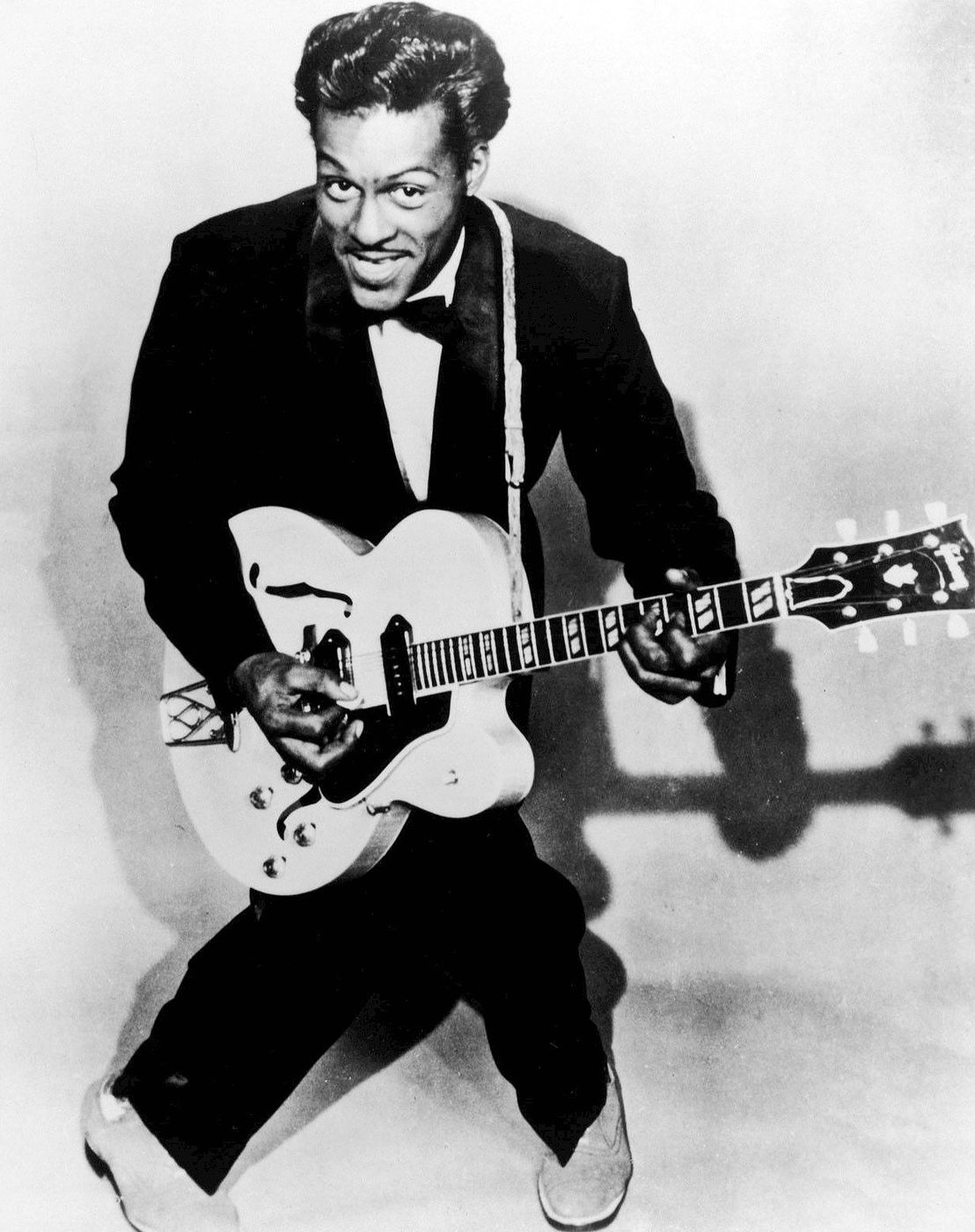
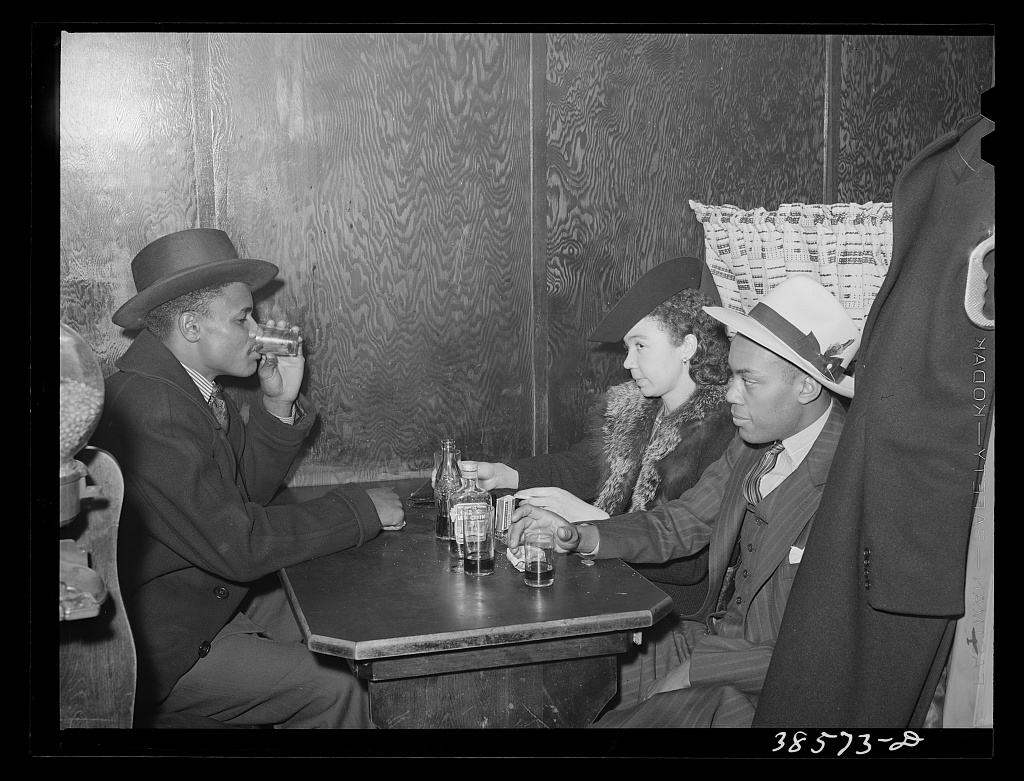
Black Chicago’s musical record, kept frame by frame. Photographs from the CultureTechLens research record — rights-cleared, credited, and cited like everything else here.

Trust & evidence
Evidence before authority. CultureTechLens publishes its methods, its limits, and its corrections alongside its findings. Claims carry grades — STAGED, SUPPORTED, PROVISIONAL, DISPUTED, UNRESOLVED — and unknowns are never reported as zero.
Every claim graded. Every source named. Every correction public — see the corrections log.