 CULTURETECHLENS
Chimamanda Ngozi Adichie
VERIFIED evidence grade of this record
CULTURETECHLENS · “Culture, Clearly Seen.” · Black Cultural Intelligence
Research record
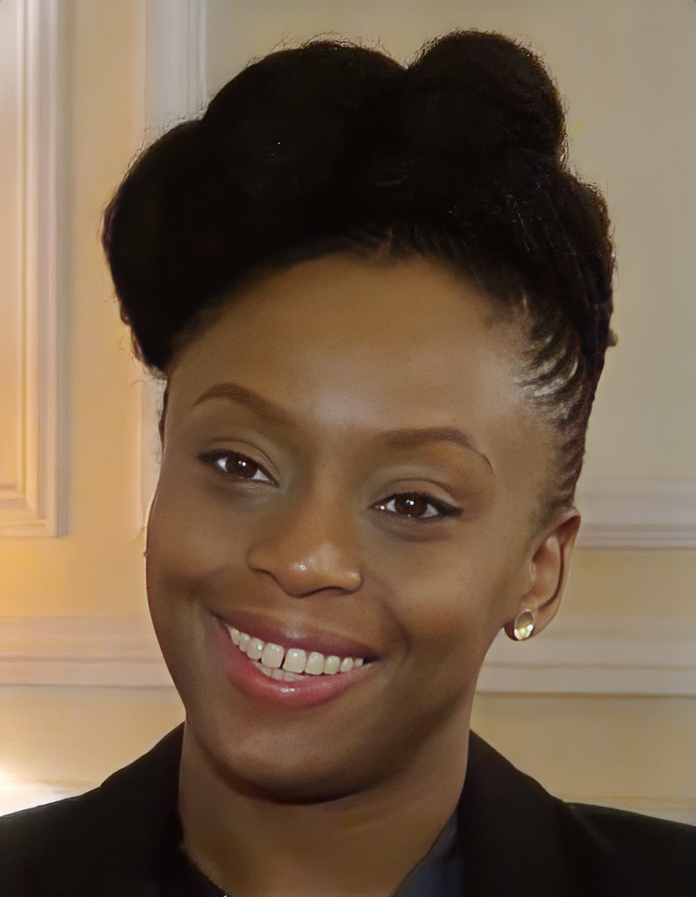
Photograph by librairie mollat, CC BY 3.0, via Wikimedia Commons. Source: CultureTechLens
Rights basis: CC BY 3.0
Chimamanda Ngozi Adichie was born in Enugu, Nigeria, in 1977 — the opening fact of her official biography, which is the graph's verification anchor — and the same biography states the two career peaks the record is built on: her second novel, Half of a Yellow Sun (2006), won the Orange Prize, and her third, Americanah (2013), won the US National Book Critics Circle Award. She grew up in Nsukka, in southeastern Nigeria, in the house previously occupied by Chinua Achebe — the writer who sits beside her in this batch and in the graph — and began, but did not finish, the study of medicine and pharmacy at the University of Nigeria before leaving for the United States at nineteen.
The EBSCO research profile fills in the American apprenticeship. Adichie began her debut novel, Purple Hibiscus (2003), while a student at Eastern Connecticut State University, where she graduated summa cum laude in 2001; she then earned master's degrees from Johns Hopkins (creative writing, 2003) and Yale (African history, 2008). Purple Hibiscus, narrated by a fifteen-year-old girl in a devout, wealthy, and violently controlled household, won the Commonwealth Writers' Prize for Best First Book and was shortlisted for the Orange Prize. A Hodder Fellowship at Princeton followed in 2006, and a MacArthur Foundation "Genius" Fellowship in 2008. Half of a Yellow Sun, set before and during the Nigeria–Biafra War and published in 2006, won the Orange Prize for Fiction in 2007 — and in November 2020 was voted by the public the Women's Prize "Winner of Winners," the best champion in the prize's twenty-five-year history, beating works by Zadie Smith and Lionel Shriver in the public vote.
Americanah (2013) moved the canvas to the diaspora: Ifemelu and Obinze, Nigerian lovers separated between the United States and Britain, and the novel became, among other things, the defining literary treatment of race as something an African immigrant learns abroad. It won the National Book Critics Circle Award for Fiction and was adapted by HBO for television. Her short-story collection The Thing Around Your Neck appeared in 2009, and her nonfiction made her a public voice beyond the novel: the TEDx talk "We Should All Be Feminists" (2012; book 2014) was sampled in Beyoncé's "Flawless," and her books have been translated into more than fifty-five languages — the Biblio record gives "more than 55."
The recent record shows a writer still extending the shelf. Notes on Grief (2021) memorialized her father, who died in 2020; Mama's Sleeping Scarf (2023) was her first picture book, published under the name Nwa Grace James; and in March 2025 Knopf published Dream Count, her first novel in more than a decade — four women, their loves, longings, and desires, set partly against the Covid pandemic, with Zikora, a Washington, D.C. lawyer, becoming a mother, and the author herself, who lost her mother in 2021 and one of her twin sons in utero, describing the book as "about my mother... about the loss of my mother." Kirkus's account notes that parts of the novel's material reach back to a story begun at Yale.
In the graph, Adichie is linked as author to Half of a Yellow Sun and Americanah, and the batch adjacency is the graph's own argument: Achebe is rank 141, Adichie rank 140 — the writer who defined the modern African novel and the writer who grew up in his house, filed back to back, with the Biafra war as the subject that passes between their two most famous books.
The graph's edges make the pairing literal: Adichie is recorded as author of Half of a Yellow Sun (CTL-W-0848) and Americanah (CTL-W-0849), and the two novels the graph chose are the two her official biography itself foregrounds — the Biafra novel and the diaspora novel — which is to say the record captures both directions of her subject: Nigeria remembered, and Nigeria carried abroad.
Sources for this record
- About Chimamanda Ngozi Adichie — chimamanda.com (official author site)
Claims supported: Master verification source: Nigerian author born in Enugu, Nigeria in 1977; her second novel Half of a Yellow Sun (2006) won the Orange Prize; Americanah (2013) won the US National Book Critics Circle Award; debut novel Purple Hibiscus (2003) - Chimamanda Ngozi Adichie — EBSCO Research Starters
Claims supported: Born in Enugu in 1977; began but did not complete studies in medicine and pharmacy at the University of Nigeria; left for the United States at 19; summa cum laude from Eastern Connecticut State University (2001), where she began Purple Hibiscus; master's degrees from Johns Hopkins (2003) and Yale (2008); Purple Hibiscus won the Commonwealth Writers' Prize for Best First Book and was shortlisted for the Orange Prize; Hodder Fellowship at Princeton (2006); short story 'You in America' shortlisted for the Caine Prize (2002); Notes on Grief (2021); children's picture book Mama's Sleeping Scarf (2023); Dream Count (2025) - Chimamanda Ngozi Adichie's New Novel, 'Dream Count,' Set for March 2025 — Kirkus Reviews
Claims supported: Dream Count, her first novel in more than a decade, published by Knopf on March 4, 2025; four women, their loves, longings and desires, set partly during the Covid pandemic; Zikora, a Washington, D.C., lawyer who becomes a mother; the author's account that the book is about her mother, who died in 2021; Africanah adapted by HBO; 'We Should All Be Feminists' developed from the 2012 TEDx talk; Americanah won the 2013 National Book Critics Circle Award for Fiction - Chimamanda Ngozi Adichie — Biblio.com
Claims supported: Grew up in Nsukka in the house previously occupied by Chinua Achebe; work translated into more than 55 languages; MacArthur Fellowship recipient - Chimamanda Ngozi Adichie's 'Dream Count': Celebrating 25 Years of Storytelling — AfroLady
Claims supported: The TED talk 'We Should All Be Feminists' sampled in Beyoncé's 'Flawless'; Half of a Yellow Sun (2006) set before, during and after the Nigeria–Biafra War and named Women's Prize 'Winner of Winners' in November 2020 through a public vote
Citations
EBSCO. "Chimamanda Ngozi Adichie." EBSCO Research Starters. Accessed October 25, 2026. https://www.ebsco.com/research-starters/literature-and-writing/chimamanda-ngozi-adichie.
Kirkus Reviews. "Chimamanda Ngozi Adichie's New Novel, 'Dream Count,' Set for March 2025." Kirkus Reviews. Accessed October 25, 2026. https://www.kirkusreviews.com/news-and-features/articles/chimamanda-ngozi-adichie-dream-count/.
Biblio.com. "Chimamanda Ngozi Adichie." Biblio.com. Accessed October 25, 2026. https://www.biblio.com/chimamanda-ngozi-adichie.
AfroLady. "Chimamanda Ngozi Adichie's 'Dream Count': Celebrating 25 Years of Storytelling." AfroLady. Accessed October 25, 2026. https://afrolady.com/afroculture/book-review/chimamanda-ngozi-adichies-dream-count-celebrating-25-years-of-storytelling/.
Published October 25, 2026, from the head-verified staged record in the Entity Depth Program (Batches 004–008). Source: CultureTechLens
More person records
Browse the full directory: all entity records
Record CTL-E-5595 · CultureTechLens Knowledge Graph · evidence grade: VERIFIED · 5 sources · first published October 25, 2026, from the head-verified Entity Depth staged record CTL-P-0250 (canonical master ID — canonical merge pending the founder’s classification sitting).
Directory: all entity records · the knowledge graph
Cite this record
Chicago: CultureTechLens. “Chimamanda Ngozi Adichie (CTL-E-5595).” CultureTechLens Knowledge Graph. Chicago, IL: CultureTechLens, 2026. https://culturetechlens.com/graph/entities/ctl-e-5595/
APA: CultureTechLens. (2026). Chimamanda Ngozi Adichie (CTL-E-5595) [Entity record]. CultureTechLens Knowledge Graph. https://culturetechlens.com/graph/entities/ctl-e-5595/
MLA: CultureTechLens. “Chimamanda Ngozi Adichie (CTL-E-5595).” CultureTechLens Knowledge Graph, 2026, https://culturetechlens.com/graph/entities/ctl-e-5595/
Citation guidance for teachers, journalists, and funders: How to Cite Us.
From the Archive
The archive in pictures
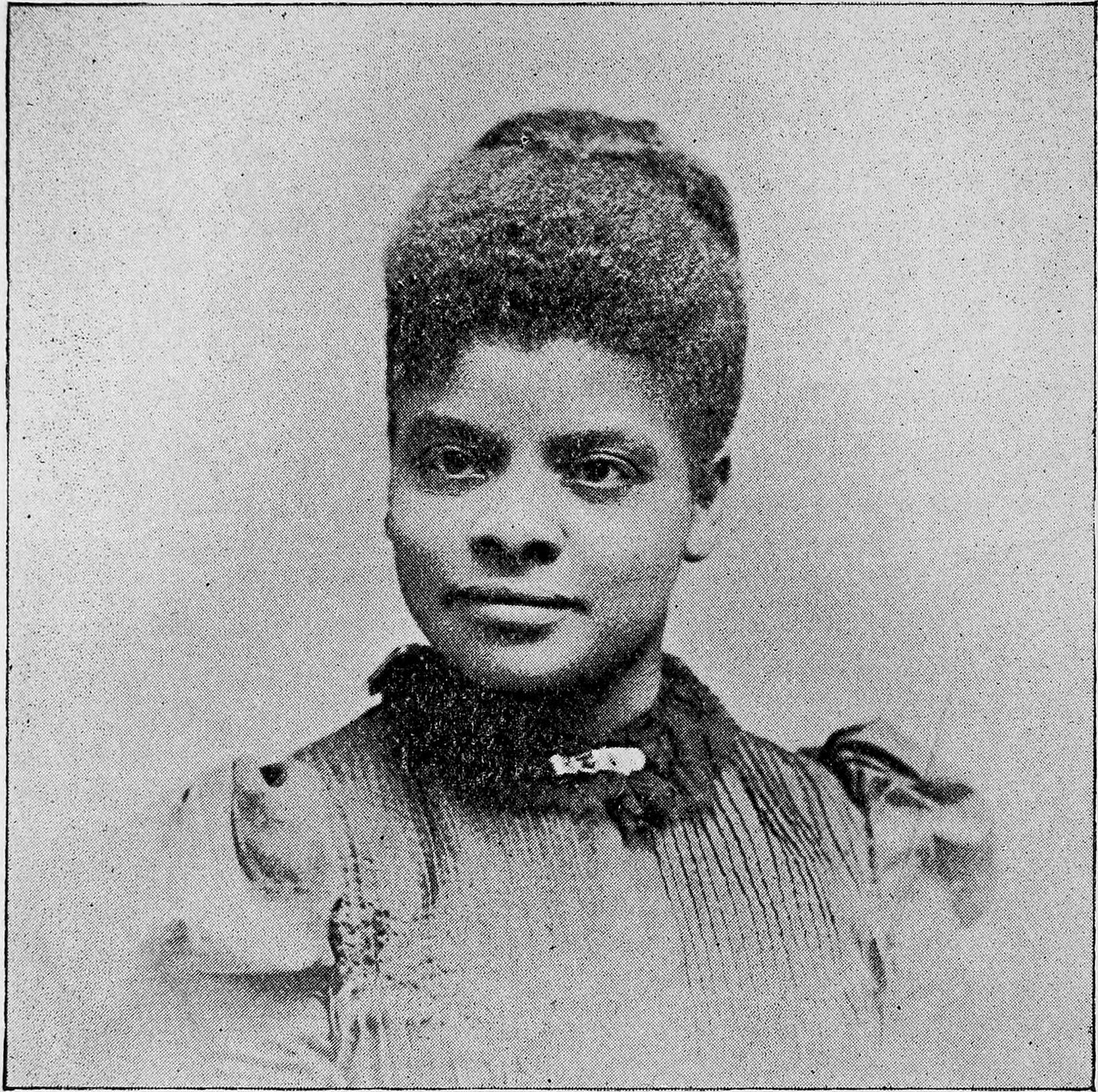
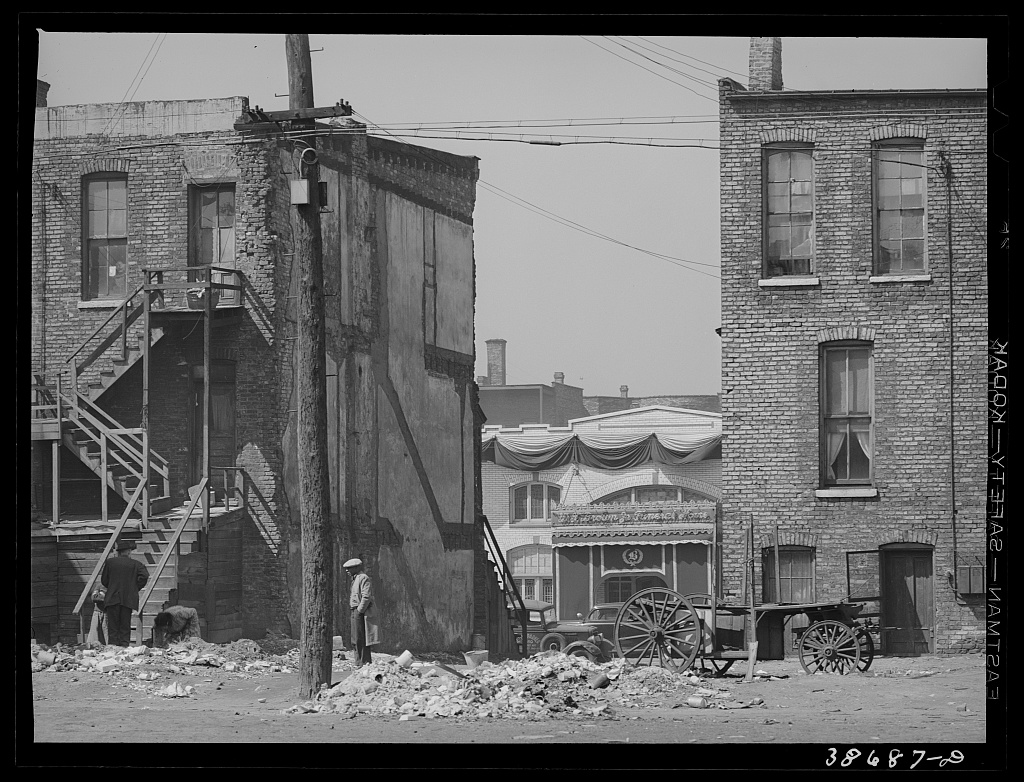
The people, places, and institutions this work documents. Photographs from the CultureTechLens research record — rights-cleared, credited, and cited like everything else here.

Trust & evidence
Evidence before authority. CultureTechLens publishes its methods, its limits, and its corrections alongside its findings. Claims carry grades — VERIFIED, SUPPORTED, PROVISIONAL, DISPUTED, UNRESOLVED — and unknowns are never reported as zero.
Every claim graded. Every source named. Every correction public — see the corrections log.