 CULTURETECHLENS
Geoffrey Holder
VERIFIED evidence grade of this record
CULTURETECHLENS · “Culture, Clearly Seen.” · Black Cultural Intelligence
Research record
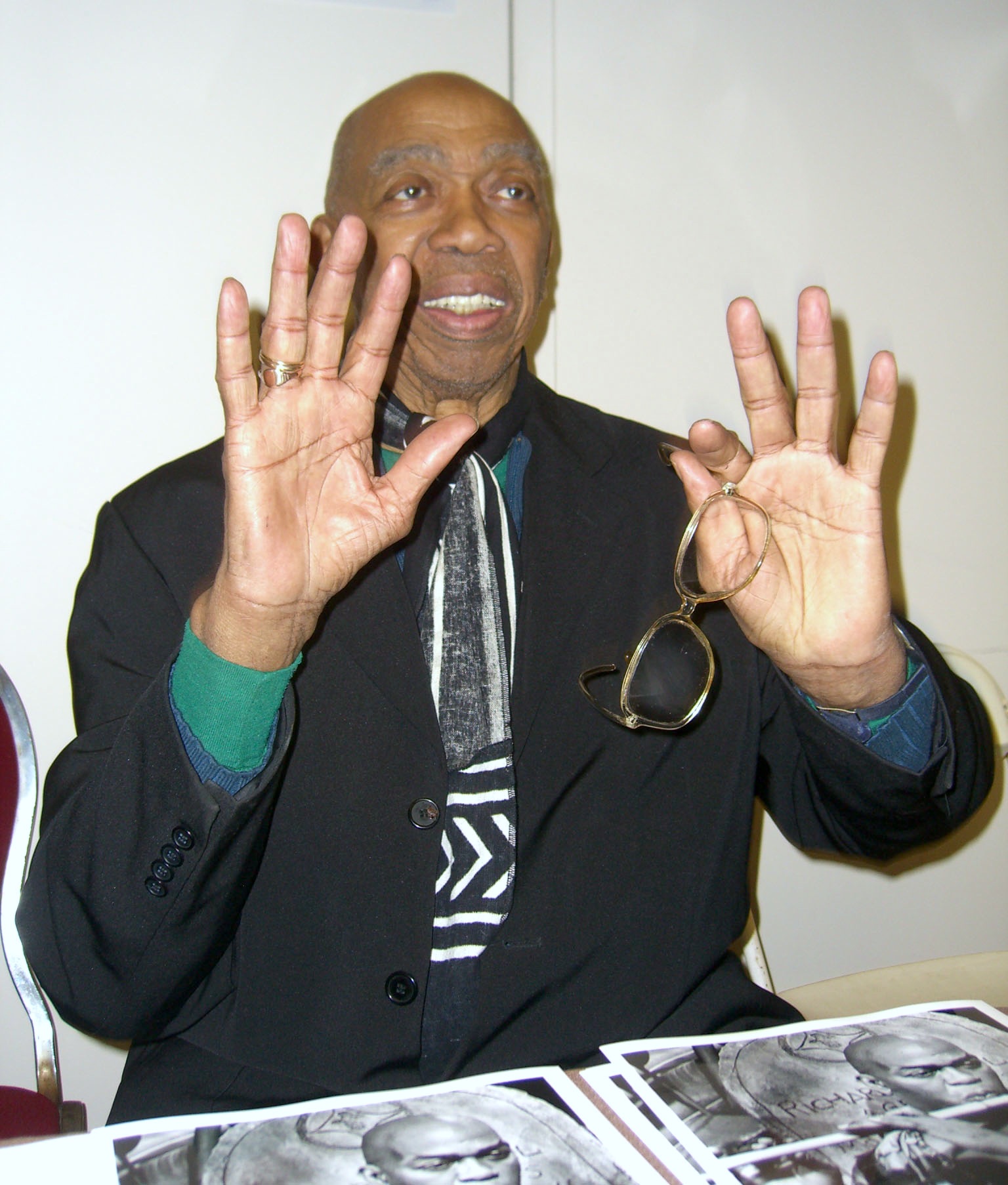
Photograph by Luigi Novi, CC BY 3.0, via Wikimedia Commons. Source: CultureTechLens
Rights basis: CC BY 3.0
Geoffrey Holder was, by the official Tony Awards record that verifies this entry, the first Black man to win the Tony Awards for direction and for costume design of a musical — he won both in 1975, for The Wiz — and the official record's double entry for that year, Best Direction of a Musical and Best Costume Design, both for The Wiz, is the spine of this record. Around that spine sits one of the widest-ranging careers in this batch: dancer, choreographer, painter, photographer, actor, author, and cookbook writer, born in Port of Spain, Trinidad, on August 1, 1930, and raised and schooled there. The date is stated from the principal obituary and reference record; one archival finding aid gives August 20, 1930, and the variance is flagged in the batch index rather than silently resolved.
He began, as the HistoryMakers record tells it, at age seven in his brother Boscoe Holder's dance troupe, and by 1947 he was in charge of the company; he also painted, and sold twenty paintings to fund his move. Agnes de Mille, who had seen the troupe perform in St. Thomas, invited him to New York in 1952; he taught dance at the Katherine Dunham School, and made his Broadway debut in 1954 in House of Flowers, Truman Capote's Caribbean musical, playing the voodoo priest Baron Samedi — a role whose silhouette, in platform shoes and top hat, prefigured his most famous film appearance two decades later. In 1955 he became a principal dancer with the Metropolitan Opera Ballet, dancing Puck and the Moorish King, and married the dancer Carmen de Lavallade, his wife of fifty-nine years. Guggenheim fellowships followed for choreography and painting.
The Wiz, which opened on Broadway in January 1975, made him a theatrical institution: he was its director and its costume designer, and the production — an all-Black retelling of The Wonderful Wizard of Oz with a soul and rock score by Charlie Smalls — ran 1,672 performances and won seven Tony Awards, including Best Musical and both of Holder's. He designed the costumes from his own fantastical illustrations. Three years later he directed and designed Timbuktu!, a Black-cast revival that earned him further Tony nominations. His choreography extended to companies beyond Broadway: Prodigal Prince for the Alvin Ailey American Dance Theater in 1967, and Dougla for Dance Theatre of Harlem in 1974, with Firebird costumes for that company in 1982.
Film and television widened the audience for a figure already unmistakable — he stood six feet six inches — and the record names the roles by which most viewers know him: Baron Samedi in the 1973 James Bond film Live and Let Die; Punjab in the 1982 film of Annie; the advertising spokesman for 7 Up in its "Uncola" campaign of the 1970s; and, for a later generation, the narrator of Tim Burton's Charlie and the Chocolate Factory in 2005 and the voice of Ray in Bear in the Big Blue House. He wrote and photographed books in parallel with all of it: Black Gods, Green Islands in 1959, Geoffrey Holder's Caribbean Cookbook in 1973, and Adam in 1986, among others. He died in New York City on October 5, 2014, of complications of pneumonia, aged eighty-four.
In the CultureTechLens graph, Holder is carried by two honor edges to the Tony Awards 1975 event record, which is the same event record used in Batch 001's Wiz cohort — Ted Ross, Dee Dee Bridgewater, Charlie Smalls, and George Faison are its other honorees — and his two edges here are consistent with that record. The entry's claim is the record's claim: a Trinidadian dancer who funded his own arrival, built a Broadway landmark in The Wiz, and carried a single, self-designed presence through dance, film, advertising, and books for sixty years.
Sources for this record
- Geoffrey Holder — Winner Record (1975) — Tony Awards (official)
Claims supported: Master verification source: Geoffrey Holder won the 1975 Tony Awards for Best Costume Design and Best Direction of a Musical for The Wiz. - Geoffrey Holder — Wikipedia
Claims supported: Born August 1, 1930, Port of Spain, Trinidad; height 6 ft 6 in; first Black man nominated for — and winner of — the Tony direction and costume design categories, winning both in 1975; The Wiz ran 1,672 performances; Timbuktu! (1978) nominations; Baron Samedi in Live and Let Die; Punjab in Annie; 7 Up 'Uncola' spokesman; narrator of Charlie and the Chocolate Factory (2005); Ray in Bear in the Big Blue House; books Black Gods, Green Islands (1969), Caribbean Cookbook (1973) and Adam (1986); choreography for Alvin Ailey (Prodigal Prince, 1967) and Dance Theatre of Harlem (Dougla, 1974; Firebird costumes, 1982); died October 5, 2014, in New York City of pneumonia complications, aged 84. - Geoffrey Holder Collection — Finding Aid — The HistoryMakers
Claims supported: Stage debut at age seven in Boscoe Holder's troupe, in charge by 1947; Agnes de Mille's 1952 invitation; sold 20 paintings to fund the New York trip; taught at the Katherine Dunham School; Broadway debut in House of Flowers (1954) as Baron Samedi; principal dancer, Metropolitan Opera Ballet 1955–56; married Carmen de Lavallade in 1955; Guggenheim Fellowship record; the finding aid gives his birth date as August 20, 1930 — a variance against the August 1, 1930 date in obituary and reference sources, flagged in the batch index.
Citations
Wikipedia. "Geoffrey Holder." Accessed October 25, 2026. https://en.wikipedia.org/wiki/Geoffrey_Holder.
The HistoryMakers. "Geoffrey Holder Collection." Finding aid. Accessed October 25, 2026. https://www.thehistorymakers.org/sites/default/files/A2003_081_EAC.pdf.
Published October 25, 2026, from the head-verified staged record in the Entity Depth Program (Batches 004–008). Source: CultureTechLens
More person records
Browse the full directory: all entity records
Record CTL-E-5607 · CultureTechLens Knowledge Graph · evidence grade: VERIFIED · 3 sources · first published October 25, 2026, from the head-verified Entity Depth staged record CTL-P-1025 (canonical master ID — canonical merge pending the founder’s classification sitting).
Directory: all entity records · the knowledge graph
Cite this record
Chicago: CultureTechLens. “Geoffrey Holder (CTL-E-5607).” CultureTechLens Knowledge Graph. Chicago, IL: CultureTechLens, 2026. https://culturetechlens.com/graph/entities/ctl-e-5607/
APA: CultureTechLens. (2026). Geoffrey Holder (CTL-E-5607) [Entity record]. CultureTechLens Knowledge Graph. https://culturetechlens.com/graph/entities/ctl-e-5607/
MLA: CultureTechLens. “Geoffrey Holder (CTL-E-5607).” CultureTechLens Knowledge Graph, 2026, https://culturetechlens.com/graph/entities/ctl-e-5607/
Citation guidance for teachers, journalists, and funders: How to Cite Us.
From the Archive
The archive in pictures
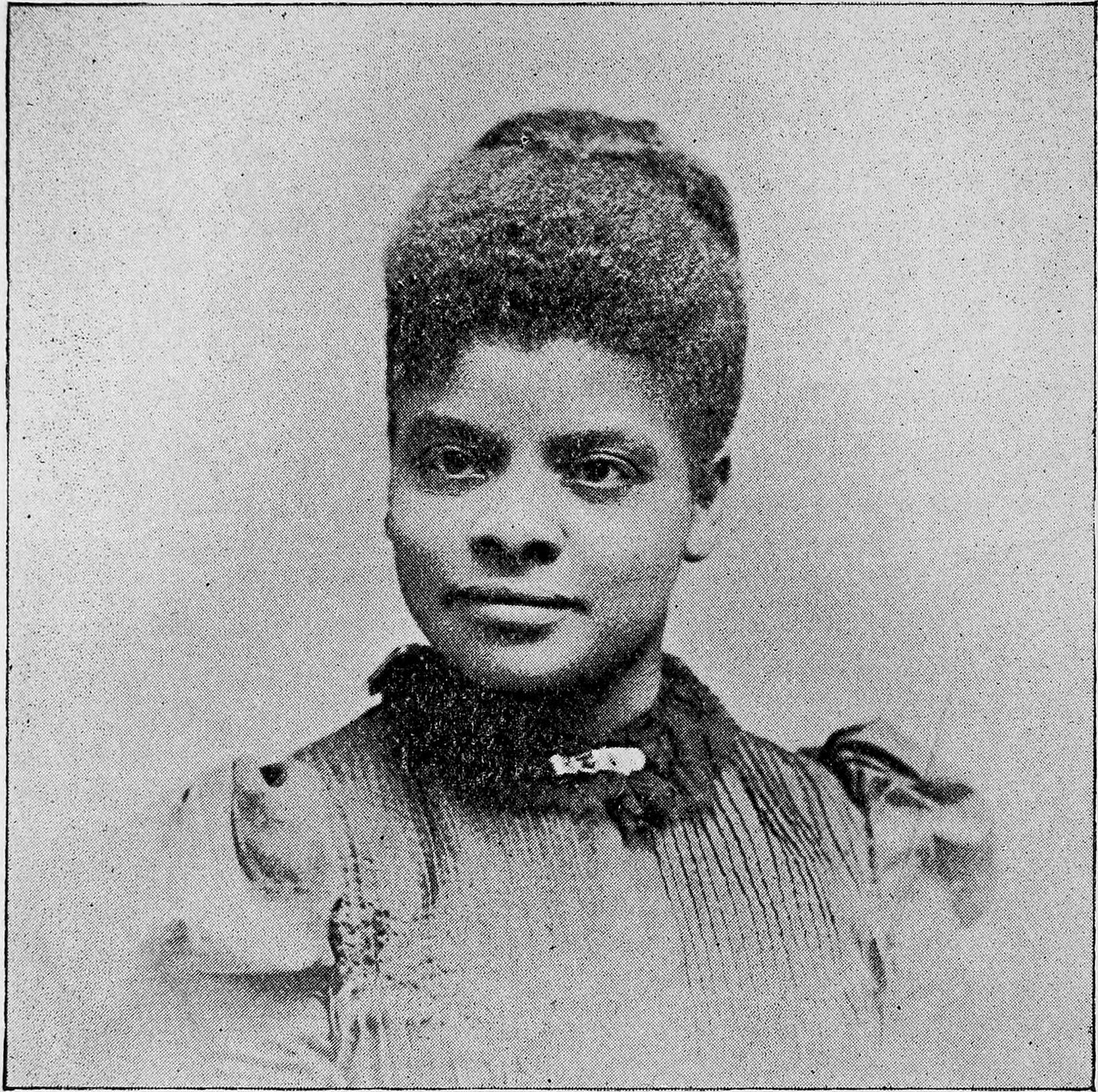
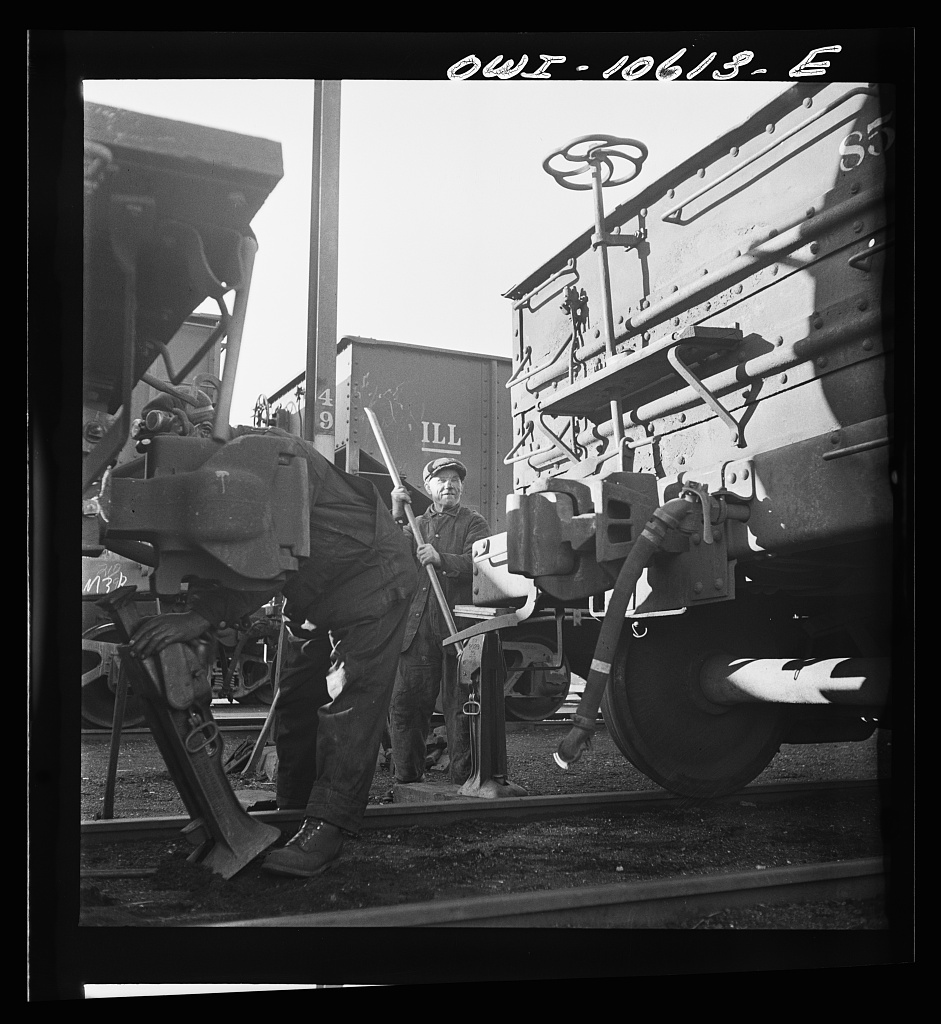
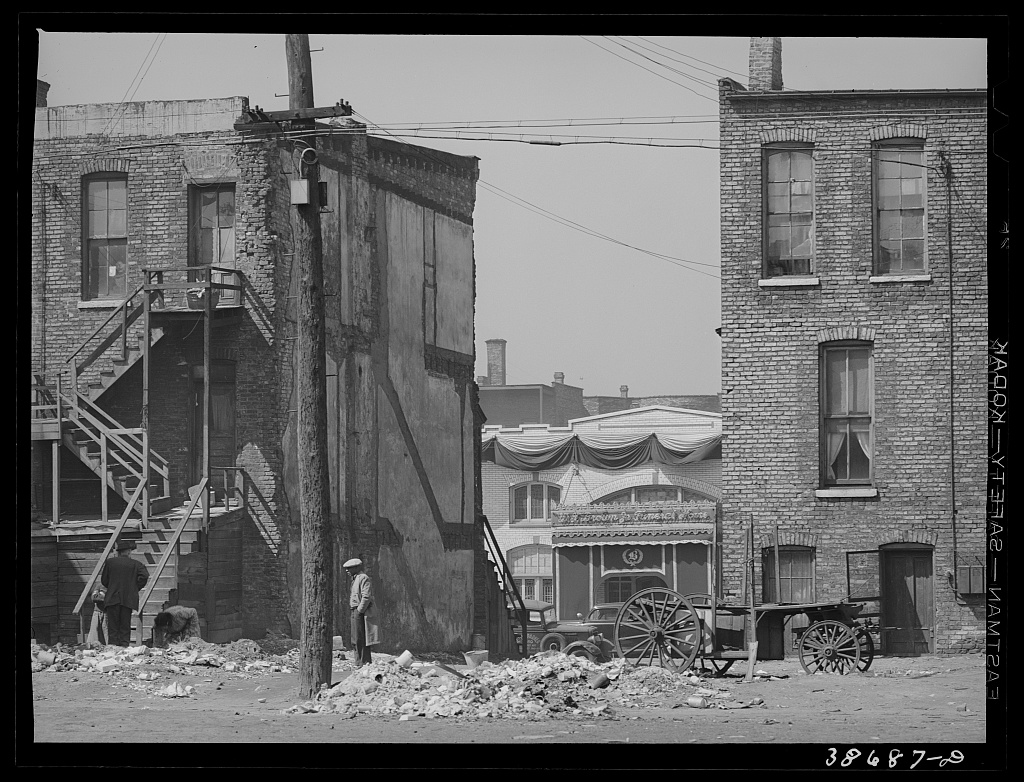
The people, places, and institutions this work documents. Photographs from the CultureTechLens research record — rights-cleared, credited, and cited like everything else here.
Trust & evidence
Evidence before authority. CultureTechLens publishes its methods, its limits, and its corrections alongside its findings. Claims carry grades — VERIFIED, SUPPORTED, PROVISIONAL, DISPUTED, UNRESOLVED — and unknowns are never reported as zero.
Every claim graded. Every source named. Every correction public — see the corrections log.