 CULTURETECHLENS
William Greaves
VERIFIED evidence grade of this record
CULTURETECHLENS · “Culture, Clearly Seen.” · Black Cultural Intelligence
Research record
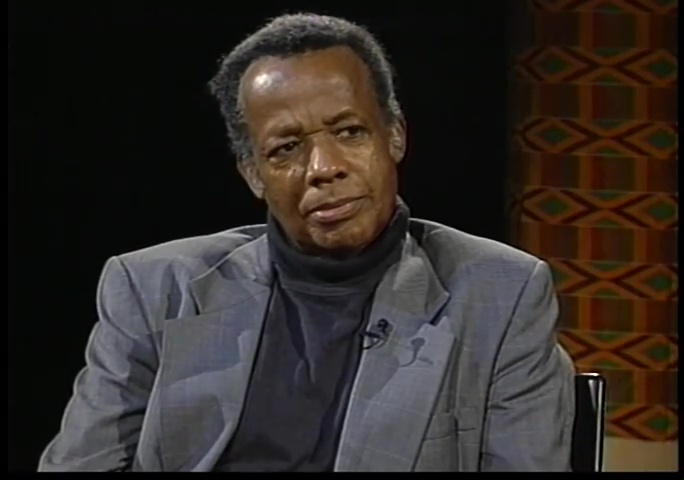
Photo: African American Legends; CUNY TV, CC BY-SA 4.0, via Wikimedia Commons · Source: CultureTechLens
Rights basis: CC BY-SA 4.0
William Greaves (October 7, 1926 – August 25, 2014) built one of the largest bodies of documentary work in American film, and he built it largely outside the commercial system that decided whose images of Black life would circulate. The HistoryMakers biography that verifies this graph entry records the outline: born in New York City and raised in Harlem, he formed William Greaves Productions in 1964, released his first feature, Symbiopsychotaxiplasm: Take One, in 1968, began producing television's Black Journal that same year, and went on to produce From These Roots and more than 200 documentary films. Each of those facts opens onto a larger story about who controlled the camera in postwar America.
Greaves came to film through the theater and through Canada. He acted with Harlem's American Negro Theatre orbit in the 1940s, then, facing the narrow roles American film offered Black actors, moved to Canada and trained and worked with the National Film Board — an apprenticeship in documentary craft that few Black American filmmakers of his generation were permitted at home. Returning to the United States, he worked as a film editor and director-for-hire before founding his own production company in 1964, the institutional base from which the rest of his career was made. Independence was not a style for Greaves; it was the mechanism that let the work exist.
Symbiopsychotaxiplasm: Take One (1968) remains his most famous film, and its fame arrived slowly. Shot in Central Park, it records Greaves directing actors in a confrontation scene while his own crew films the production itself — a film about a film being made, in which the crew's real frustration with the director becomes part of the text. Largely unseen for two decades, it was championed by Steve Buscemi, who encountered it and helped bring Greaves back to make a sequel, Symbiopsychotaxiplasm: Take 2½, decades later; the original was eventually selected for preservation in the Library of Congress's National Film Registry, the American canon of culturally significant films. In this graph the film's maker is also wired to a later work of recovery: Greaves conceived and shot the 1972 Harlem Renaissance reunion footage that became the basis of Once Upon a Time in Harlem, appearing on camera as host and filmmaker as the surviving figures of the Renaissance gathered.
Black Journal put Greaves inside American public television at the moment of its reckoning with race. The program, launched by National Educational Television in 1968 in the wake of the Kerner Commission, was the first national Black-produced public affairs series; Greaves served as its executive producer and co-host in its first years, and the program won an Emmy Award in 1969, per the HistoryMakers record. His later documentary work ranged widely — From These Roots (1974), a history of Black America assembled from still photographs and documents; Nationtime (1972), his record of the National Black Political Convention in Gary, Indiana; films on Ralph Bunche, Ida B. Wells, and Booker T. Washington; and The Deep North and other works made for public television and for government and foundation clients whose commissions sustained the company between independent projects.
The graph's wiring shows why Greaves matters to this archive beyond a single famous title. He is attached as the author of the Symbiopsychotaxiplasm films, as the filmmaker who appeared in and shot the 1972 reunion footage, and, through that footage, to the Harlem Renaissance figures — Eubie Blake among them, staged in this same batch — whom his camera preserved in old age. A documentarian's documentarian, he spent a career arguing by example that Black filmmakers should hold the means of production themselves. He died in 2014, the year carried in the graph's own note on his record, having outlived the neglect of his most experimental work and seen it installed in the national canon.
Sources for this record
- William Greaves biography — The HistoryMakers
Claims supported: Greaves's Harlem birth and upbringing, the founding of William Greaves Productions in 1964, Symbiopsychotaxiplasm: Take One (1968), Black Journal from 1968 and its 1969 Emmy, From These Roots, and the count of more than 200 documentary films; the graph's master verification source for this record. - William Greaves — Wikipedia
Claims supported: Dates of birth and death, the Canadian National Film Board apprenticeship, the filmography including Nationtime and the Bunche, Wells, and Washington films, and the National Film Registry selection of Symbiopsychotaxiplasm: Take One. - Symbiopsychotaxiplasm — Wikipedia
Claims supported: The film's Central Park production, its film-within-a-film structure, its rediscovery with Steve Buscemi's advocacy, and the sequel Take 2½.
Citations
"William Greaves." Wikipedia. Accessed October 25, 2026. https://en.wikipedia.org/wiki/William_Greaves.
"Symbiopsychotaxiplasm." Wikipedia. Accessed October 25, 2026. https://en.wikipedia.org/wiki/Symbiopsychotaxiplasm.
Published October 25, 2026, from the head-verified staged record in the Entity Depth Program (Batches 004–008). Source: CultureTechLens
More person records
Browse the full directory: all entity records
Record CTL-E-5635 · CultureTechLens Knowledge Graph · evidence grade: VERIFIED · 3 sources · first published October 25, 2026, from the head-verified Entity Depth staged record CTL-P-1372 (canonical master ID — canonical merge pending the founder’s classification sitting).
Directory: all entity records · the knowledge graph
Cite this record
Chicago: CultureTechLens. “William Greaves (CTL-E-5635).” CultureTechLens Knowledge Graph. Chicago, IL: CultureTechLens, 2026. https://culturetechlens.com/graph/entities/ctl-e-5635/
APA: CultureTechLens. (2026). William Greaves (CTL-E-5635) [Entity record]. CultureTechLens Knowledge Graph. https://culturetechlens.com/graph/entities/ctl-e-5635/
MLA: CultureTechLens. “William Greaves (CTL-E-5635).” CultureTechLens Knowledge Graph, 2026, https://culturetechlens.com/graph/entities/ctl-e-5635/
Citation guidance for teachers, journalists, and funders: How to Cite Us.
From the Archive
The archive in pictures
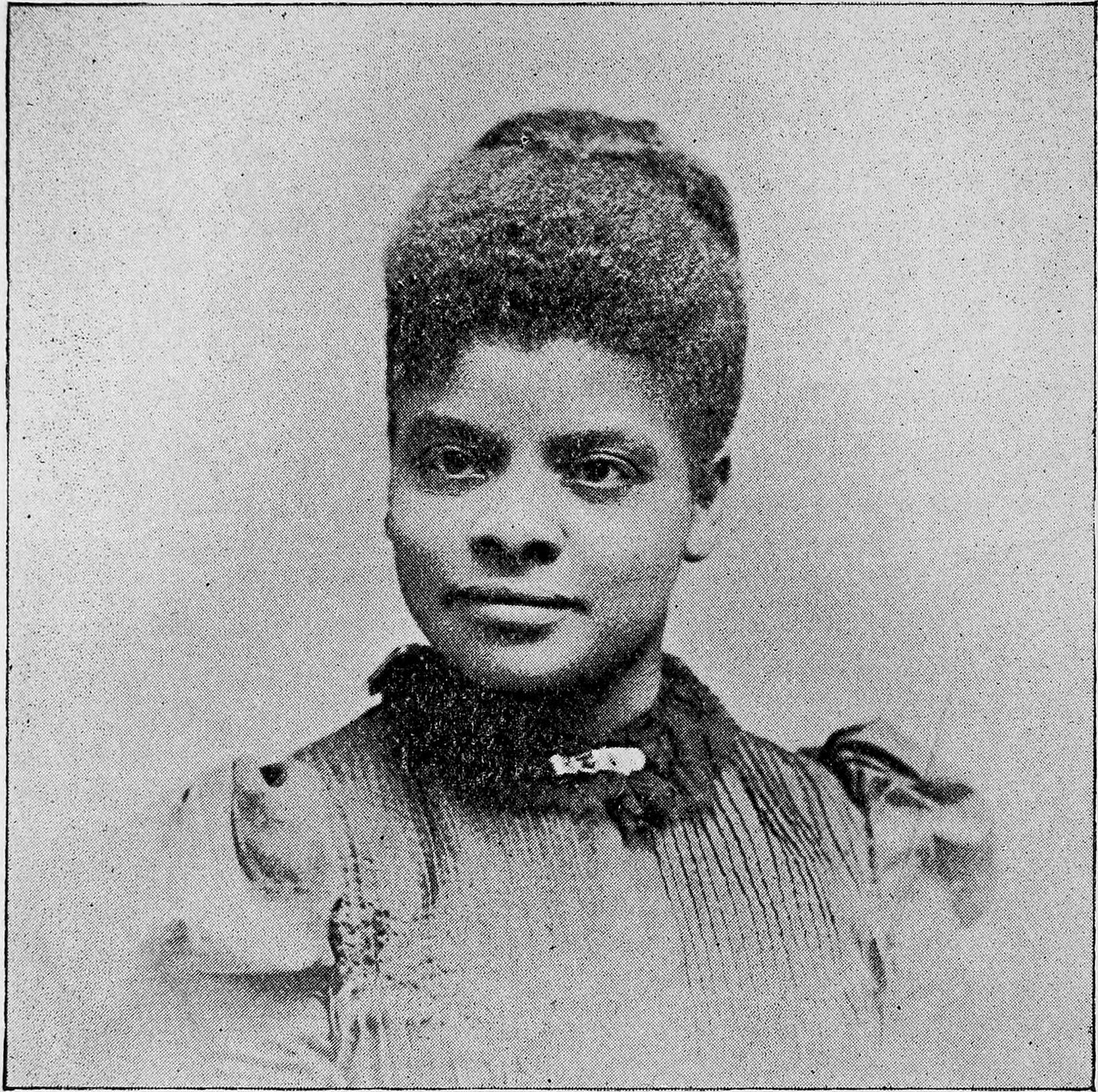
The people, places, and institutions this work documents. Photographs from the CultureTechLens research record — rights-cleared, credited, and cited like everything else here.
Trust & evidence
Evidence before authority. CultureTechLens publishes its methods, its limits, and its corrections alongside its findings. Claims carry grades — VERIFIED, SUPPORTED, PROVISIONAL, DISPUTED, UNRESOLVED — and unknowns are never reported as zero.
Every claim graded. Every source named. Every correction public — see the corrections log.