 CULTURETECHLENS
Black Arts Movement
UNVERIFIED (no verification object) evidence grade — master store (canonical CSV)
VERIFIED evidence grade — build store (JSON graph)
Combined Graph record U-03659 · provenance: canonical master store (CSV), record CTL-E-0212 + build store (JSON graph), record CTL-E-6100. Master record source: CTL priority intake 2026-10-18 — UNVERIFIED, verify before public citation.
The Black Arts Movement was a period of artistic and literary development among Black Americans in the 1960s and early 1970s, encompassing literature, theater, music, and the visual arts. Based on the cultural politics of Black nationalism, developed into theories called the Black Aesthetic, it sought a populist art form, and its adherents viewed the artist as an activist responsible for forming separate publishing houses, theater troupes, and study groups. Its beginnings are traced to 1965, when Amiri Baraka, then known as LeRoi Jones, moved to Harlem following the assassination of Malcolm X and founded the Black Arts Repertory Theatre/School, a key institution documented in Yale's Beinecke Library collection. Larry Neal called the movement the aesthetic and spiritual sister of Black Power. In Chicago, the movement took institutional form in 1967, when the Visual Arts Workshop of the Organization of Black American Culture painted the Wall of Respect on the South Side, a mural celebrating Black figures that became a renowned symbol of the movement. Leading figures included Baraka, Larry Neal, Hoyt W. Fuller, Haki R. Madhubuti, Nikki Giovanni, and Sonia Sanchez.
Answer summary · this record in brief, from its own record text
The Black Arts Movement was a period of artistic and literary development among Black Americans in the 1960s and early 1970s, encompassing literature, theater, music, and the visual arts. Based on the cultural politics of Black nationalism, developed into theories called the Black Aesthetic, it sought a populist art form, and its adherents viewed the artist as an activist responsible for forming separate publishing houses, theater troupes, and study groups.
The record
- Also known as: BAM
Notes
Staged 2026-10-16 under CTL-GOV-006 (Scan Tail Wave 4 — 747 Program, Wave 11; fourth Scan Tail packet at the founder's 40-record size). Gate A (2026-10-16): no Black Arts Movement entity in the live graph at 3,763 entities (exact / normalized / alias match + token containment; CLEAR). ID CTL-E-6100 free. Supply: 747 Supply Ledger, Tier 4 — Scan Tail Wave 3 packet ordered reserve, position 15 of 35 (corpus-gap-candidates-2026-10-15.json ranked clean survivor #1595). The scan supplied the NAME STRING ONLY; no fact in this record is sourced to it (CTL-GOV-004). SCOPE GATE: PASS — Black Chicago first within a national movement — Harlem founding is stated plainly, and the Chicago wing (OBAC, Wall of Respect, 1967, South Side) is the CTL anchor; national and diaspora influence follows from there. Vital status: Not applicable — Practice/movement. Active-period facts instead: traced to 1965 with Baraka's Harlem BART/S founding following Malcolm X's assassination, and listed as active 1965–1975 (approx.) by Wikipedia (accessed 2026-10-16), while Britannica describes it as a 1960s and early-'70s development (accessed 2026-10-16) — see conflict note. STATISTICS — STATISTICS (sourced, dated): Years active listed as 1965–1975 (approx.) in Wikipedia infobox (accessed 2026-10-16); BART/S founded in Harlem in 1965 (Britannica; Beinecke/Yale, both accessed 2026-10-16); Beinecke collection comprises some 34 documents dating 1965–1966 (Beinecke, accessed 2026-10-16); Wall of Respect painted in Chicago in 1967 by OBAC's Visual Arts Workshop (Wikipedia, accessed 2026-10-16). CONFLICT SHOWN, NOT BLENDED: Dating — Britannica frames the movement as '1960s and early '70s' and an Academy of American Poets guide in search results dates it approximately 1960 to 1970, against Wikipedia's 1965–1975 (approx.); the record uses 1965–1975 as its era because it matches the BART/S founding anchor, and retains the other spans here. BART/S date — one passage inside the Wikipedia article refers to BARTS creation in spring 1964, contradicting its own 1965 narrative and both Britannica and Beinecke; 1965 is used and the 1964 passage is flagged as an internal source error candidate. MEDIA: photo HELD (Photograph of the Wall of Respect mural at 43rd Street and Langley Avenue, Chicago, 1967, as reproduced in Northwestern University Press's The Wall of Respect: Public Art and Black Liberation in 1960s Chicago — specific image for a later PHOTO-001 pass to verify; no license claimed. — named candidate only; file-level rights verification per CTL-PHOTO-001 still required; no license claimed); chart FILLED (charts/chart-ctl-e-6100-black-arts-movement.svg); video HELD (no matching-entity CTL Short or verified-rights archival video staged); audio HELD (no rights-cleared matching-entity audio staged); map N/A (no address-based map spec earned). MEDIA LAYER (staged 2026-10-16; full per-asset PHOTO-001 records + embed specs in the packet's staged JSON, Drive packet folder): map = N/A (No address-based map spec earned under the packet standard for this record.) | visual_assets = HELD: | chart = FILLED (CTL-created chart (black / deep red / gold) built only from this record's sourced statistics and timeline fact) | video = HELD (No matching-entity CTL Short or verified-rights archival video staged.) | audio = HELD (No rights-cleared matching-entity audio staged.)
Relationships
- Chicago — located in
STRONG EVIDENCE - Harlem Renaissance — related to
Wikipedia: the movement expanded from the accomplishments of artists of the Harlem Renaissance, and scholars link the two so strongly some call Black Arts the Second Renaissance; Harlem Renaissance is the existing peer Practice record per the brief
Referenced by
- Amiri Baraka — related to → this record
Sources
- Encyclopaedia Britannica, "Black Arts movement" (accessed 2026-10-16) — period of artistic and literary development among Black Americans in the 1960s and early '70s; literature, theater, music and visual arts; Black nationalism and the Black Aesthetic; artist as activist; LeRoi Jones (Amiri Baraka) founded Black Arts Repertory Theatre in Harlem in 1965; theorists including Hoyt W. Fuller, Larry Neal, Haki R. Madhubuti — http://www.britannica.com/event/Black-Arts-movement (primary source · build store)
- Beinecke Rare Book & Manuscript Library, Yale University, "Collection of Material Relating to the Black Arts Repertory Theatre & School" (accessed 2026-10-16) — BART/S, a key institution in the Black Arts movement, founded in Harlem in 1965 by Amiri Baraka (then LeRoi Jones); collection of some 34 documents dating 1965-1966 — https://beinecke.library.yale.edu/article/collection-material-relating-black-arts-repertory-theatre-school (primary source · build store)
- Wikipedia, "Black Arts Movement" (accessed 2026-10-16) — years active 1965-1975 (approx.); Amiri Baraka widely recognized as founder, established BART/S in Harlem in 1965 after Malcolm X assassination; Larry Neal 'aesthetic and spiritual sister of Black Power'; expanded from Harlem Renaissance accomplishments; in 1967 OBAC Visual Arts Workshop painted Wall of Respect in Chicago — https://en.wikipedia.org/wiki/Black_Arts_Movement (build store)
More event records
- City Club of Chicago: Lieutenant Governor Juliana Stratton
- City Club of Chicago: Making a Difference for Chicago Youth in 2016
- City Club of Chicago: Martin Nesbitt
- City Club of Chicago: Nearing the Finish Line: Chicago's 2026 Budget
- City Club of Chicago: Promoting Equitable Cancer Care and Research in Chicago's Communities of Color in support of the Leukemia & Lymphoma Society
- City Club of Chicago: Pure Potential: The Opportunity for Equitable Economic Development in Chicago
Browse the full directory: all entity records
Record CTL-E-6100 · Combined Graph record U-03659 · CultureTechLens Knowledge Graph · 3 sources · 3 mapped relationships.
Directory: all entity records · the knowledge graph
Researched and maintained by the CultureTechLens research program · CultureTechLens Combined Graph, Release 2026-11-04. Corrections are public: the corrections log.
Cite this record
Chicago: CultureTechLens. “Black Arts Movement (CTL-E-6100).” CultureTechLens Combined Graph. Chicago, IL: CultureTechLens, 2026. https://culturetechlens.com/graph/entities/ctl-e-6100/
APA: CultureTechLens. (2026). Black Arts Movement (CTL-E-6100) [Entity record]. CultureTechLens Combined Graph. https://culturetechlens.com/graph/entities/ctl-e-6100/
MLA: CultureTechLens. “Black Arts Movement (CTL-E-6100).” CultureTechLens Combined Graph, 2026, https://culturetechlens.com/graph/entities/ctl-e-6100/
Citation guidance for teachers, journalists, and funders: How to Cite Us.
From the Archive
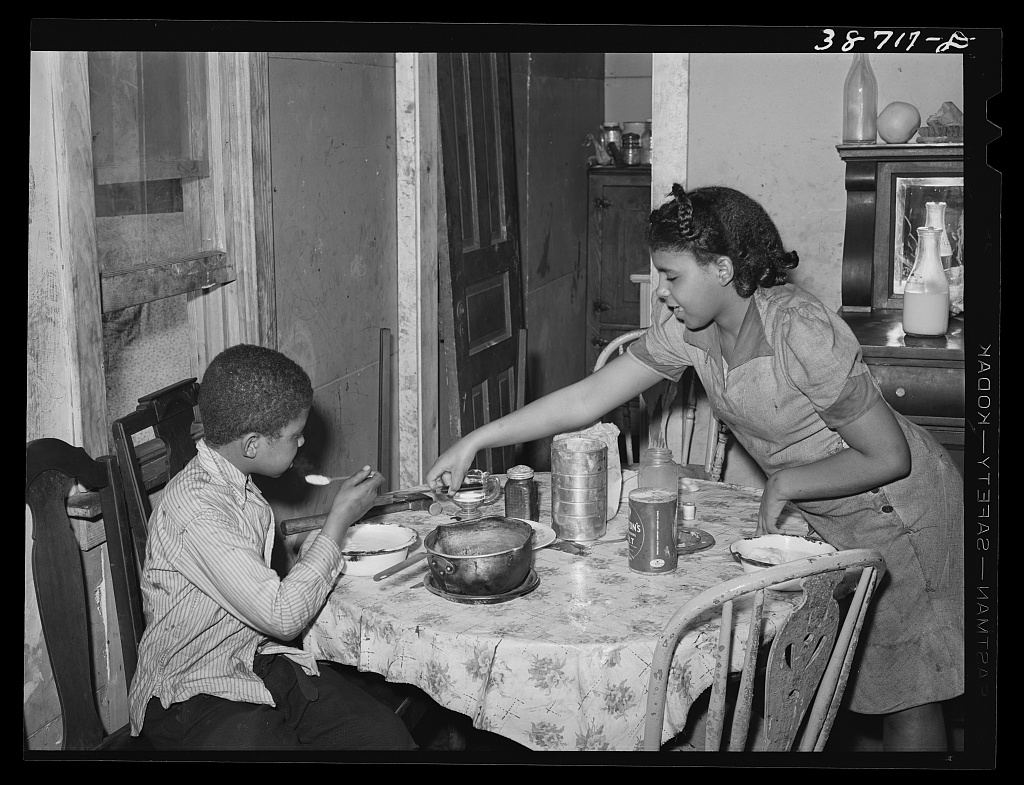
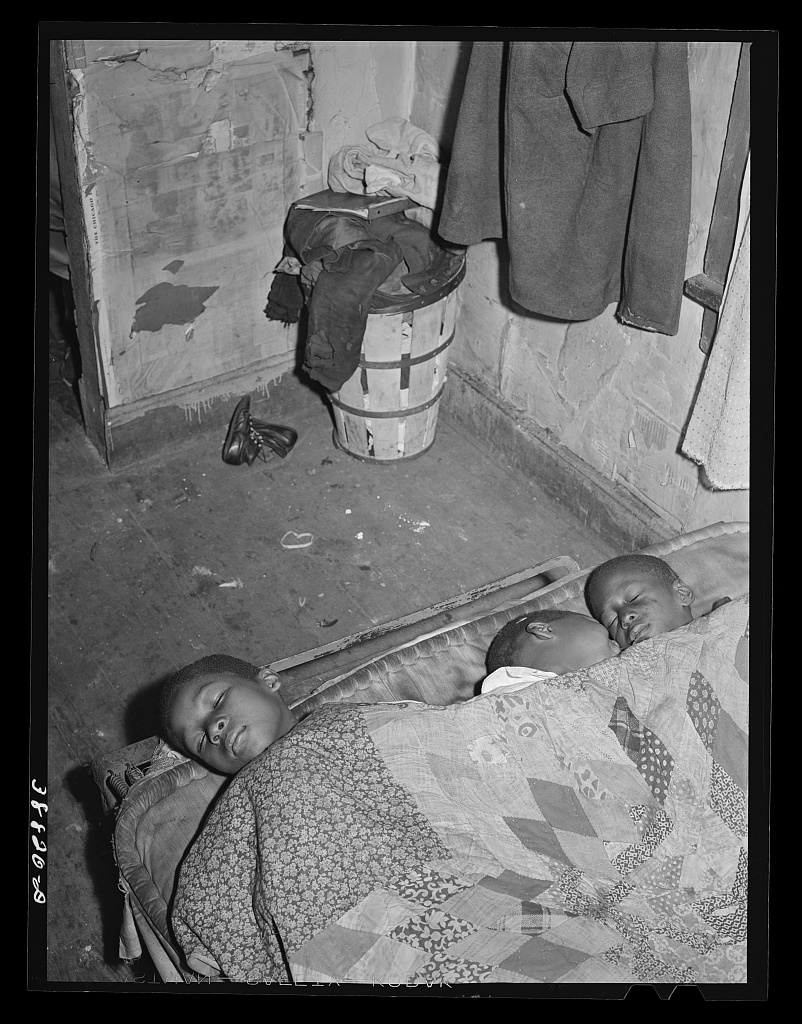
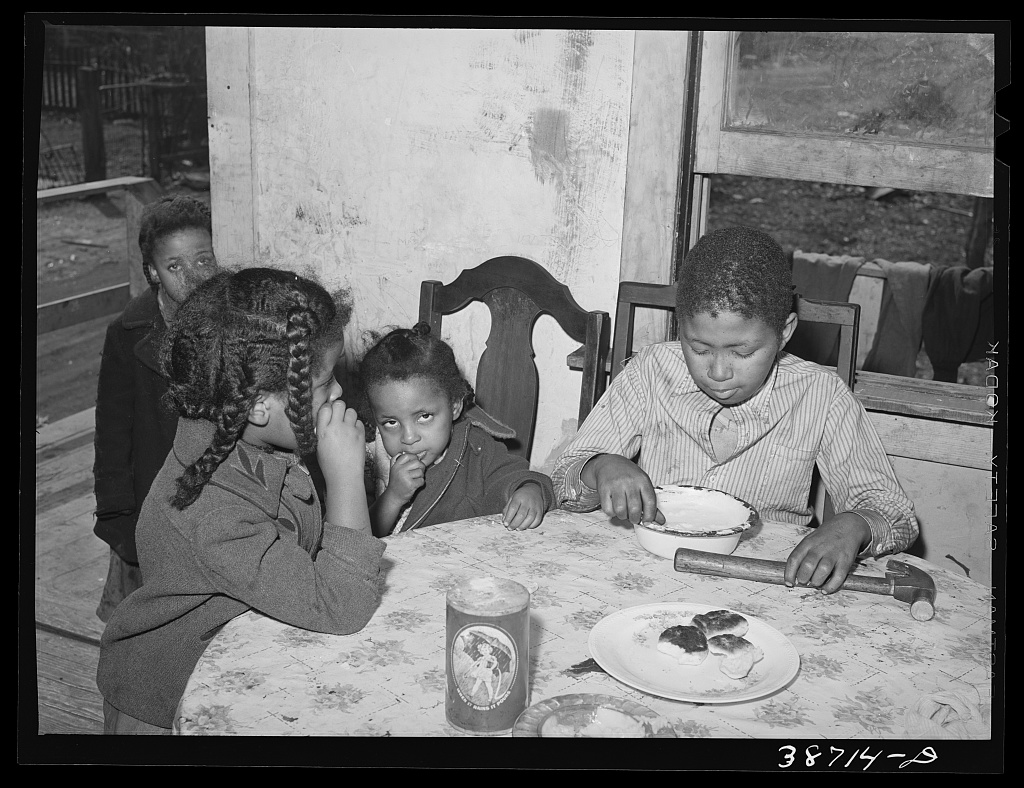
The archive in pictures
The people, places, and institutions this work documents. Photographs from the CultureTechLens research record — rights-cleared, credited, and cited like everything else here.
Trust & evidence
Evidence before authority. CultureTechLens publishes its methods, its limits, and its corrections alongside its findings. Claims carry grades — VERIFIED, SUPPORTED, PROVISIONAL, DISPUTED, UNRESOLVED — and unknowns are never reported as zero.
Every claim graded. Every source named. Every correction public — see the corrections log.