 CULTURETECHLENS
Algorithms of Oppression
VERIFIED evidence grade — build store (JSON graph)
Combined Graph record U-07533 · provenance: build store (JSON graph), record CTL-E-6347.
Algorithms of Oppression: How Search Engines Reinforce Racism is a 2018 book by Safiya Umoja Noble, published by NYU Press on 20 February 2018. Noble "challenges the idea that search engines like Google offer an equal playing field for all forms of ideas, identities, and activities." She argues that "the combination of private interests in promoting certain sites, along with the monopoly status of a relatively small number of Internet search engines, leads to a biased set of search algorithms that privilege whiteness and discriminate against people of color, specifically women of color." Through analysis of textual and media searches and research on paid online advertising, the book "exposes a culture of racism and sexism in the way discoverability is created online." Its publisher calls it "a revealing look at how negative biases against women of color are embedded in search engine results and algorithms."
Answer summary · this record in brief, from its own record text
Algorithms of Oppression: How Search Engines Reinforce Racism is a 2018 book by Safiya Umoja Noble, published by NYU Press on 20 February 2018. Noble "challenges the idea that search engines like Google offer an equal playing field for all forms of ideas, identities, and activities."
The record
- Also known as: Algorithms of Oppression: How Search Engines Reinforce Racism
Notes
STAGING: temp id EB-03. Page counts conflict across listings (248 pp publisher/distributor vs 256 pp Wikipedia) — page count omitted. Reception/bestseller claims beyond publisher copy were not independently verified in this pass and are not claimed. CURATOR'S JUDGMENT (DRAFT): The founding text of the packet's search-bias line; its edge set is deliberately minimal — author only — because the schema gives a Work no path to the field concept it anchors (blocked edge, see packet memo).
Relationships
- Safiya Noble — authored by
Algorithms of Oppression (NYU Press, 2018) is by Safiya Umoja Noble; the publisher's page and the APA PsycNet citation both credit Noble as sole author.
Sources
- NYU Press via Indiepubs (accessed 2026-10-29): 'In Algorithms of Oppression, Safiya Umoja Noble challenges the idea that search engines like Google offer an equal playing field for all forms of ideas, identities, and activities. Data discrimination is a real social problem; Noble argues that the combination of private interests in promoting certain sites, along with the monopoly status of a relatively small number of Internet search engines, leads to a biased set of search algorithms that privilege whiteness and discriminate against people of color, specifically women of color.' Bibliographic block: 'Publisher: NYU Press / Publication Date: 20 February 2018.' (primary source · build store)
- APA PsycNet (accessed 2026-10-29): 'Noble, S. U. (2018). Algorithms of oppression: How search engines reinforce racism. New York University Press.' (build store)
- Wikipedia (accessed 2026-10-29): 'Algorithms of Oppression: How Search Engines Reinforce Racism is a 2018 book by Safiya Umoja Noble in the fields of information science, machine learning, and human-computer interaction.' (build store)
More work records
Browse the full directory: all entity records
Record CTL-E-6347 · Combined Graph record U-07533 · CultureTechLens Knowledge Graph · 3 sources · 1 mapped relationship.
Directory: all entity records · the knowledge graph
Researched and maintained by the CultureTechLens research program · CultureTechLens Combined Graph, Release 2026-11-04. Corrections are public: the corrections log.
Cite this record
Chicago: CultureTechLens. “Algorithms of Oppression (CTL-E-6347).” CultureTechLens Combined Graph. Chicago, IL: CultureTechLens, 2026. https://culturetechlens.com/graph/entities/ctl-e-6347/
APA: CultureTechLens. (2026). Algorithms of Oppression (CTL-E-6347) [Entity record]. CultureTechLens Combined Graph. https://culturetechlens.com/graph/entities/ctl-e-6347/
MLA: CultureTechLens. “Algorithms of Oppression (CTL-E-6347).” CultureTechLens Combined Graph, 2026, https://culturetechlens.com/graph/entities/ctl-e-6347/
Citation guidance for teachers, journalists, and funders: How to Cite Us.
From the Archive
The archive in pictures
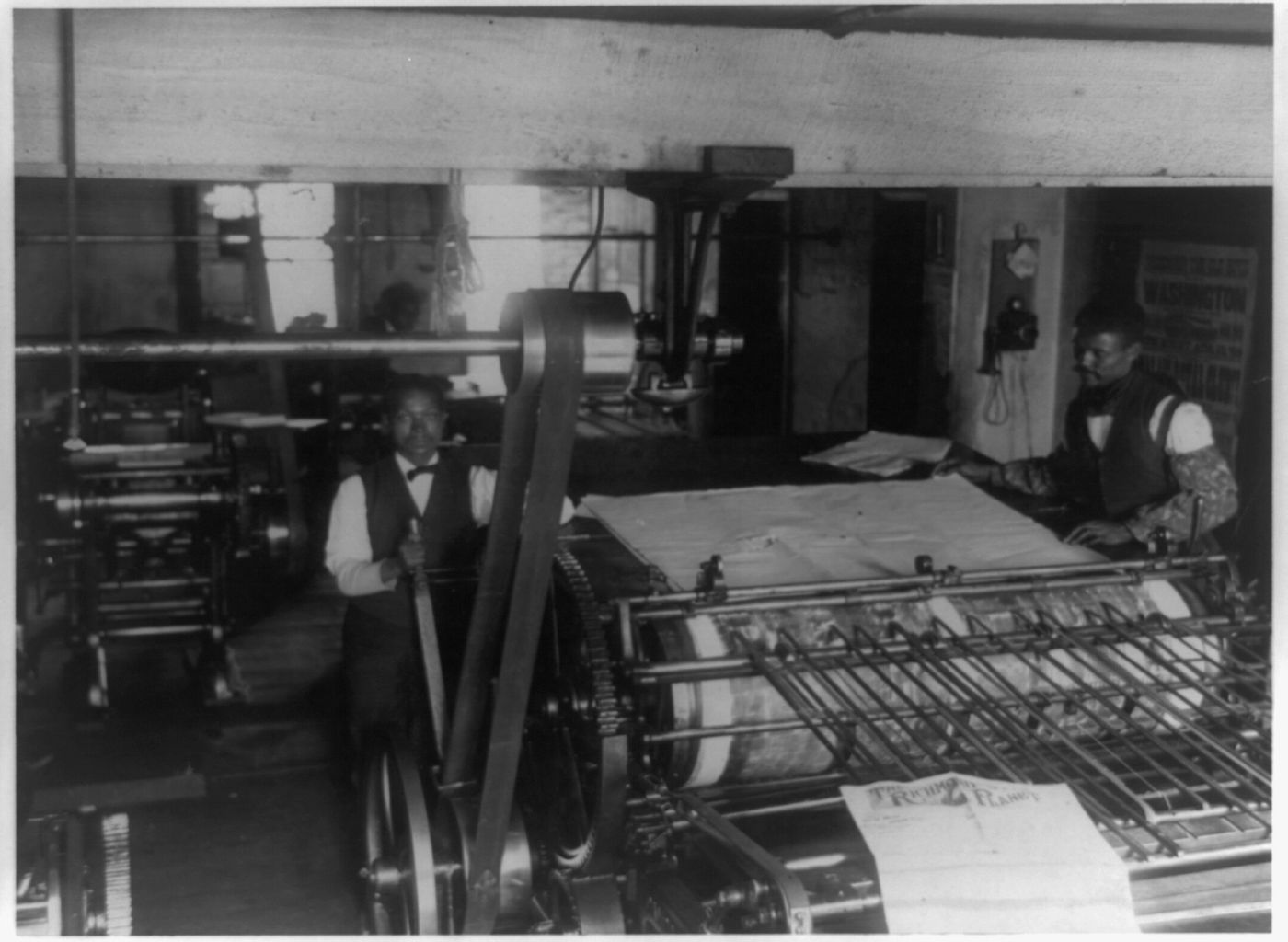
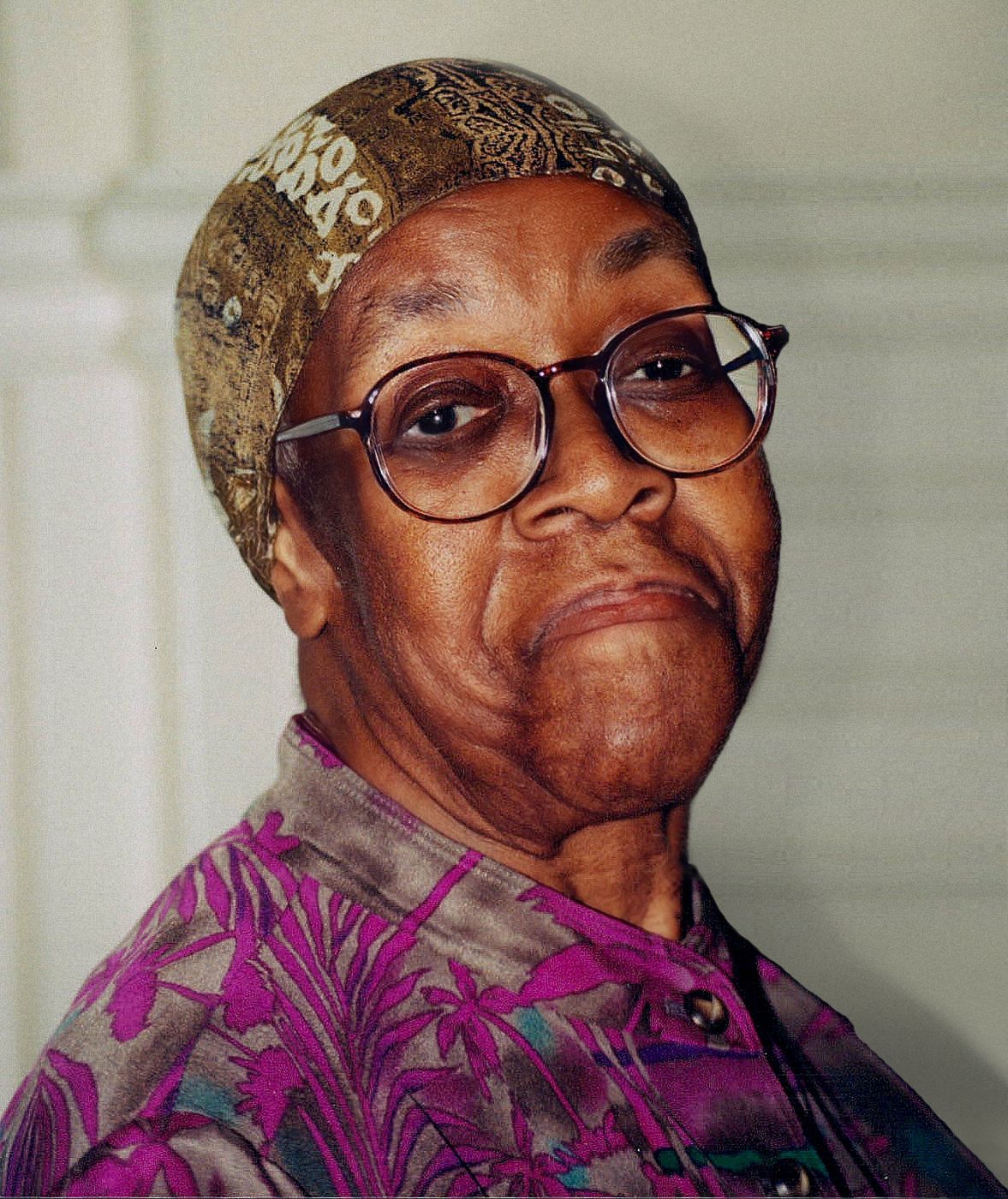
The Black press and the hands that kept the record. Photographs from the CultureTechLens research record — rights-cleared, credited, and cited like everything else here.

Trust & evidence
Evidence before authority. CultureTechLens publishes its methods, its limits, and its corrections alongside its findings. Claims carry grades — VERIFIED, SUPPORTED, PROVISIONAL, DISPUTED, UNRESOLVED — and unknowns are never reported as zero.
Every claim graded. Every source named. Every correction public — see the corrections log.