 CULTURETECHLENS
Archival silence
VERIFIED evidence grade — build store (JSON graph)
Combined Graph record U-07539 · provenance: build store (JSON graph), record CTL-E-6353.
Archival silence is a gap in the historical record that results when documentation of enduring value is absent or distorted, whether unintentionally or on purpose, leaving the past unable to be represented accurately. The Society of American Archivists traces the concept in part to Michel-Rolph Trouillot's Silencing the Past: Power and the Production of History (Beacon Press, 1995), in which silences enter historical production at four moments: fact creation, fact assembly, fact retrieval, and retrospective significance. Rodney G. S. Carter, in "Of Things Said and Unsaid" (Archivaria, 2006), argued that silences partly manifest the powerful denying marginal groups access to archives, damaging their ability to form social memory and history. Carter also examined how marginalized people can use silence themselves, withholding records to exercise power over the powerful.
Answer summary · this record in brief, from its own record text
Archival silence is a gap in the historical record that results when documentation of enduring value is absent or distorted, whether unintentionally or on purpose, leaving the past unable to be represented accurately. The Society of American Archivists traces the concept in part to Michel-Rolph Trouillot's Silencing the Past: Power and the Production of History (Beacon Press, 1995), in which silences enter historical production at four moments: fact creation, fact assembly, fact retrieval, and retrospective significance. Rodney G. S.
The record
- Also known as: Archival silences
Notes
STAGING: temp id EB-09. TYPING FLAG: proposed type Topic is not in schema.json; typed Practice/other — for the classification sitting. Wording discrepancy on Trouillot's fourth moment ('retrospective' vs SAA's 'introspective') is carried in the SAA source citation, not smoothed. CURATOR'S JUDGMENT (DRAFT): The packet's diagnostic concept: every HELD photo slot and missing record in this graph is an archival silence with a name.
Relationships
- Michelle Caswell — related to
Caswell's critical archival studies work — community archives, imagined records, symbolic annihilation — is a leading scholarly treatment of the absences this concept names, per the CLIR symposium bio and her UCLA page. - Technology of recovery — related to
Gallon's technology of recovery is framed as the response to the absences archival silence names: recovery 'fills the apertures between Black studies and digital humanities.'
Sources
- SAA Dictionary (accessed 2026-10-29): 'n. a gap in the historical record resulting from the unintentional or purposeful absence or distortion of documentation'; 'many who have written about it have pointed to Michel-Rolph Trouillot's influence in developing the idea in his book, Silencing the Past: Power and Production of History (Boston: Beacon Press, 1995).' NOTE: SAA states Trouillot did not use the exact term 'archival silence,' and SAA's transcription of Trouillot p.26 reads 'introspective significance' where Yale (next source) reads 'retrospective significance' — the description follows Yale; check the printed book before publishing the four-moments quote. (primary source · build store)
- Yale University Library guide (accessed 2026-10-29): 'Michel-Rolph Trouillot (in Silencing the Past: Power and the Production of History, Beacon Press, 1995, page 26) argues that "silences enter the process of historical production at four crucial moments: 1. the moment of fact creation (the making of sources), 2. the moment of fact assembly (the making of archives), 3. the moment of fact retrieval (the making of narratives), and 4. the moment of retrospective significance (the making of history in the final instance)."' (build store)
- Carter, Archivaria 61 (accessed 2026-10-29): 'This article examines the dynamics of silence in archives. It argues that silences are, in part, the manifestation of the actions of the powerful in denying the marginal access to archives and that this has a significant impact on the ability of the marginal groups to form social memory and history.'; 'The article then examines how silence can be a method used by the marginalized to deny the archives their records as a way to exercise their power over the powerful.'; citation: 'Carter, Rodney G.S. 2006. "Of Things Said and Unsaid: Power, Archival Silences, and Power in Silence". Archivaria 61 (September):215-33.' (primary source · build store)
More practice records
- Beauty shop as Black women's political and economic space
- Bid whist and spades — card-game culture at gatherings
- Black Code Studies
- Black Digital Studies
- Black Hair Care
- Black language practice in Chicago (African American Language)
Browse the full directory: all entity records
Record CTL-E-6353 · Combined Graph record U-07539 · CultureTechLens Knowledge Graph · 3 sources · 2 mapped relationships.
Directory: all entity records · the knowledge graph
Researched and maintained by the CultureTechLens research program · CultureTechLens Combined Graph, Release 2026-11-04. Corrections are public: the corrections log.
Cite this record
Chicago: CultureTechLens. “Archival silence (CTL-E-6353).” CultureTechLens Combined Graph. Chicago, IL: CultureTechLens, 2026. https://culturetechlens.com/graph/entities/ctl-e-6353/
APA: CultureTechLens. (2026). Archival silence (CTL-E-6353) [Entity record]. CultureTechLens Combined Graph. https://culturetechlens.com/graph/entities/ctl-e-6353/
MLA: CultureTechLens. “Archival silence (CTL-E-6353).” CultureTechLens Combined Graph, 2026, https://culturetechlens.com/graph/entities/ctl-e-6353/
Citation guidance for teachers, journalists, and funders: How to Cite Us.
From the Archive
The archive in pictures
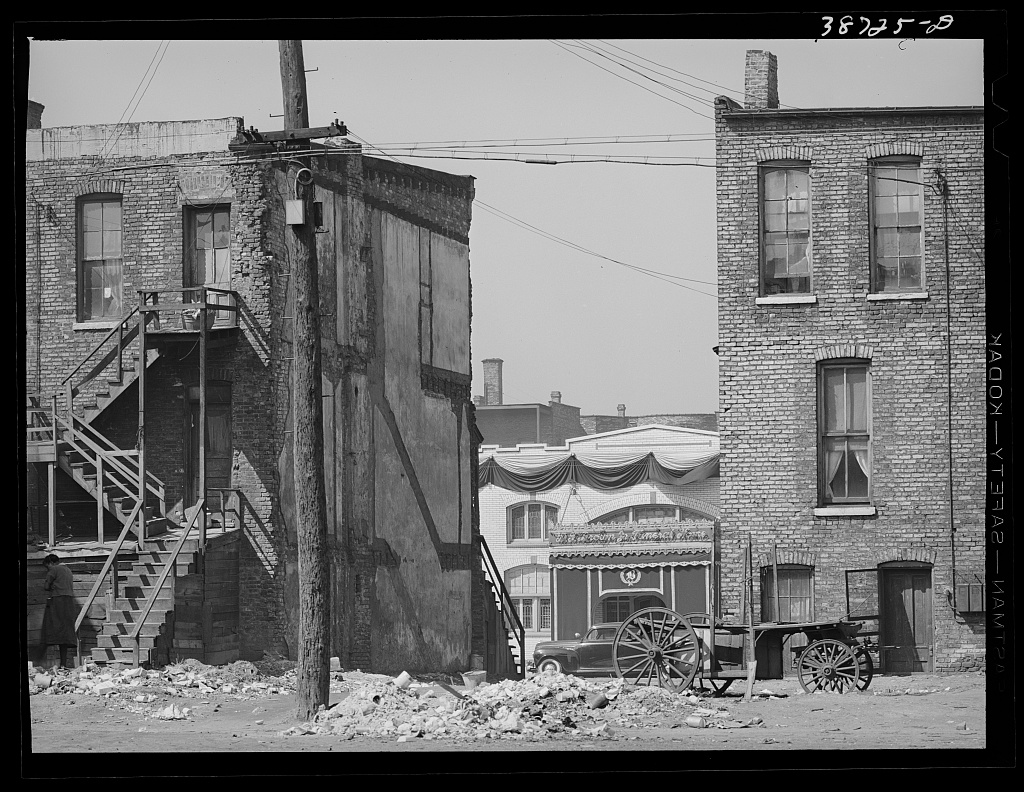
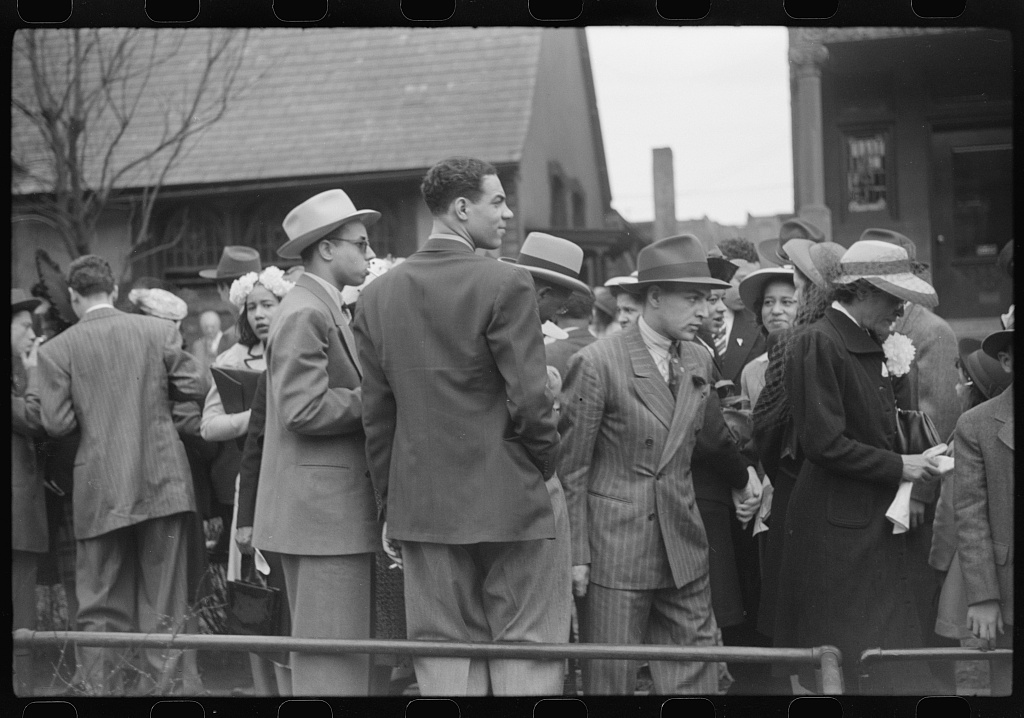
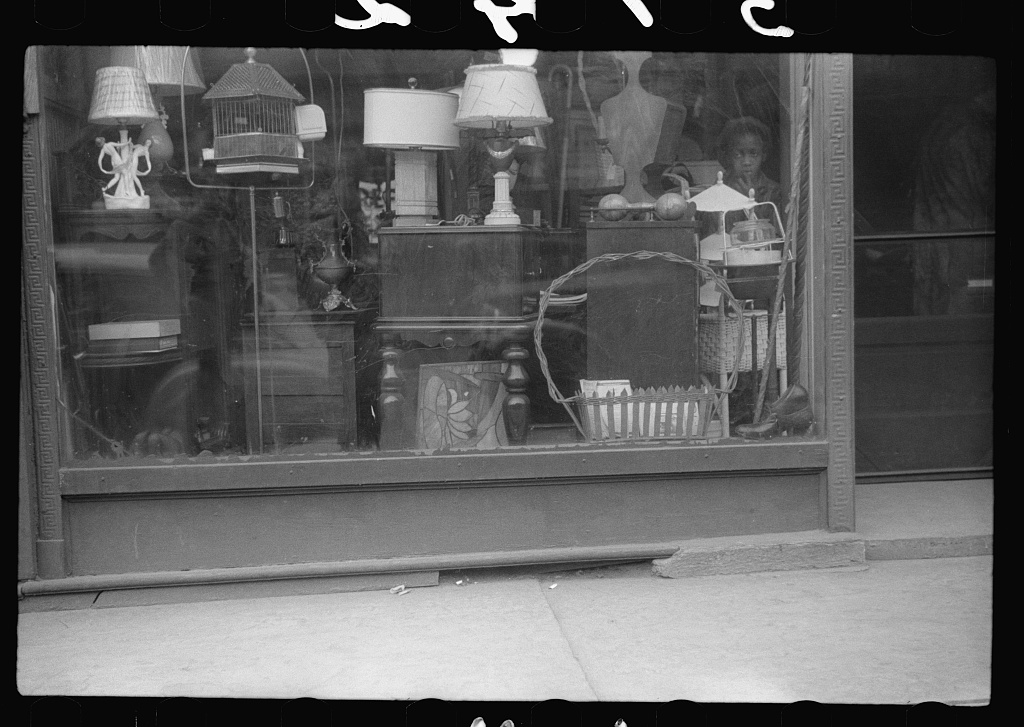
The people, places, and institutions this work documents. Photographs from the CultureTechLens research record — rights-cleared, credited, and cited like everything else here.
Trust & evidence
Evidence before authority. CultureTechLens publishes its methods, its limits, and its corrections alongside its findings. Claims carry grades — VERIFIED, SUPPORTED, PROVISIONAL, DISPUTED, UNRESOLVED — and unknowns are never reported as zero.
Every claim graded. Every source named. Every correction public — see the corrections log.