 CULTURETECHLENS

Photo: TonyTheTiger, CC BY-SA 3.0, via Wikimedia Commons
Ebony
CTL Thin Brief · CTL-TB-000072 · Published 2026-10-09
Thin Brief — a short evidence sketch, not a full research brief.
How did Ebony teach Black America to see itself?
Key facts
- John H. Johnson launched Ebony in 1945 as a glossy monthly celebrating Black achievement, culture, and photojournalism — 'like Life, but for us'. VERIFIED
- At its peak Ebony reached millions of readers, making Black homes, businesses, and celebrities visible in an era when mainstream magazines did not. SUPPORTED
- The practice of reading Ebony in the home made the magazine a fixture of Black family life and a record of Black consumer and cultural aspiration. SUPPORTED
- Ebony suspended its print edition in May 2019 and relaunched as a digital publication in March 2021. PROVISIONAL
Sources
- Chicago Architecture Center — John H. Johnson and the Johnson Publishing Company
- ebony.com — Celebrating EBONY Magazine
Evidence grades: VERIFIED — strong primary or multiple corroborating sources. SUPPORTED — credible, partly corroborated. PROVISIONAL — single source or general knowledge, uncorroborated.
Cite this
APA 7 — CultureTechLens. (2026). Ebony (CTL-TB-000072). https://culturetechlens.com/research/briefs/ctl-tb-000072-ebony-magazine/
MLA 9 — CultureTechLens. “Ebony.” CultureTechLens, 9 Oct. 2026, culturetechlens.com/research/briefs/ctl-tb-000072-ebony-magazine/
Chicago — CultureTechLens. “Ebony (CTL-TB-000072).” CultureTechLens, October 9, 2026. https://culturetechlens.com/research/briefs/ctl-tb-000072-ebony-magazine/
BibTeX — @techreport{ctlctltb000072, author = {CultureTechLens}, title = {Ebony}, institution = {CultureTechLens NFP}, number = {CTL-TB-000072}, year = {2026}, url = {https://culturetechlens.com/research/briefs/ctl-tb-000072-ebony-magazine/}}
License: CC BY 4.0 — reuse with attribution to CultureTechLens. Photographs on this page carry their own licenses (see credits).
Source: CultureTechLens
From the Archive
The archive in pictures
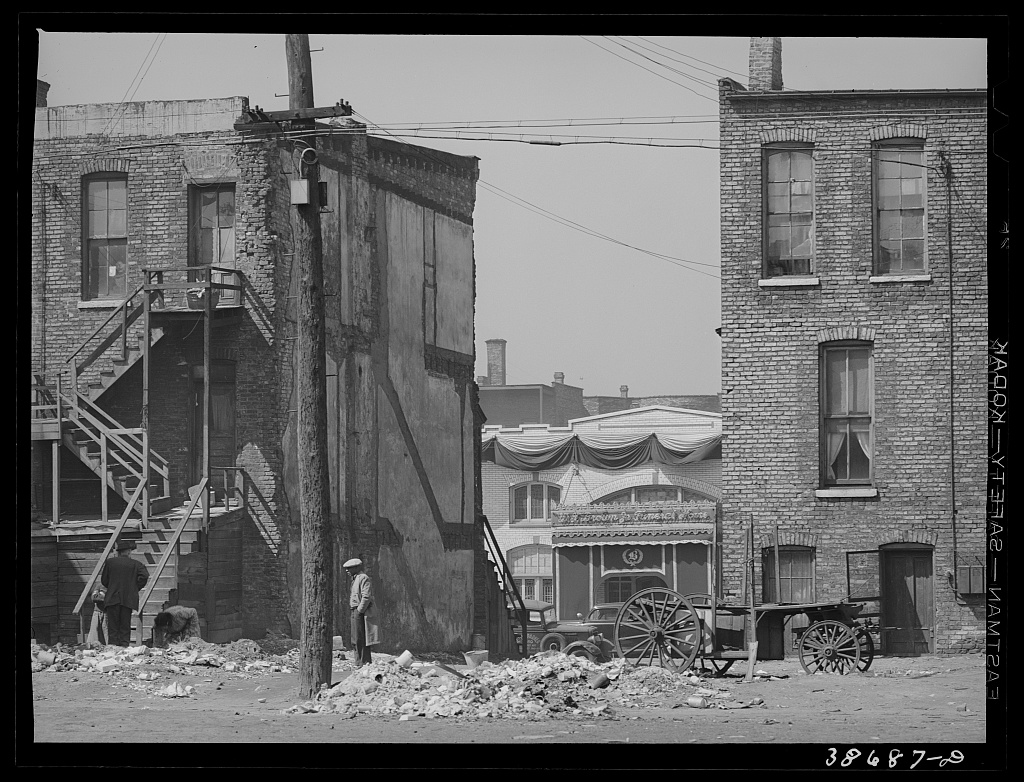
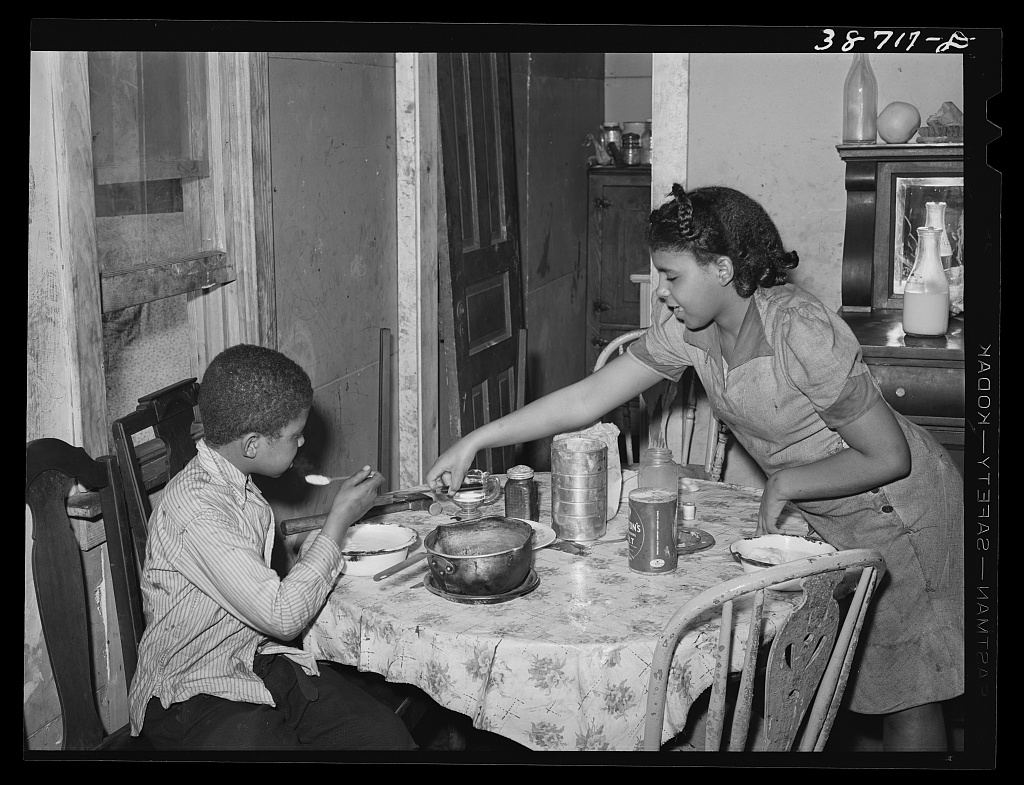
The people, places, and institutions this work documents. Photographs from the CultureTechLens research record — rights-cleared, credited, and cited like everything else here.

Trust & evidence
Evidence before authority. CultureTechLens publishes its methods, its limits, and its corrections alongside its findings. Claims carry grades — VERIFIED, SUPPORTED, PROVISIONAL, DISPUTED, UNRESOLVED — and unknowns are never reported as zero.
Every claim graded. Every source named. Every correction public — see the corrections log.