 CULTURETECHLENS
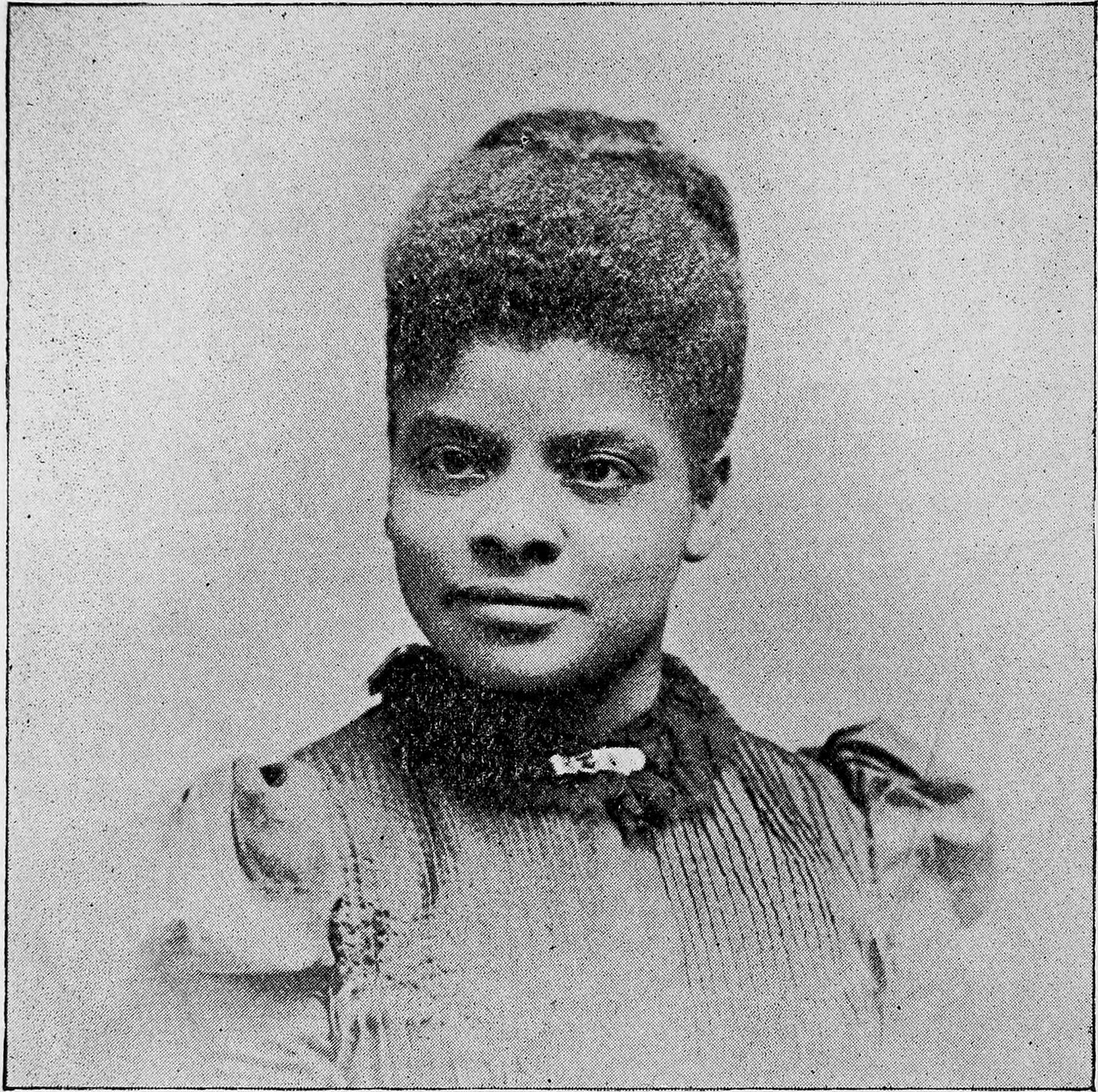
Photo: Public Domain (from ‘Women of Distinction,’ 1893), via Wikimedia Commons
CULTURETECHLENS · “Culture, Clearly Seen.” · Black Cultural Intelligence
The Black Memory Emergency: What Happens When Black History Disappears
Black cultural memory in the United States is not primarily threatened by a lack of collecting, but by everything that happens after collecting.
| Author | William Maxey — CultureTechLens NFP, Chicago, IL |
|---|---|
| Published | October 2026 · Zenodo (deposited October 5, 2026) · CC BY 4.0 |
| DOI | 10.5281/zenodo.23173585 |
| Author ORCID | 0009-0004-2837-8037 |
| Version | Corrected version 2 (October 2026) — the version hosted here |
| Related report | The Black Memory Emergency (CTL-DR-PRESERVE-001) — the research report this paper distills; a different work with its own DOI |
Abstract
Black cultural memory in the United States is not primarily threatened by a lack of collecting, but by everything that happens after collecting. This paper distills CTL-DR-PRESERVE-001, a six-track synthesis covering 84 canonical collections, 119 entities, 70 timeline events, 78 relationships, and 304 sources. The findings locate the breakage: cataloging backlogs make saved collections unfindable and undefendable; ownership changes — bankruptcy sales, corporate pivots — are the fastest-acting destroyer of Black archives; the private collector's mortality is the most time-sensitive risk; platform-hosted memory is not memory; and rights uncertainty silently blocks digitization where materials are physically safe. A ten-stage memory-chain audit shows abundance at the start and breakage in the middle: cataloging the worst-supported stage by hard evidence, discoverability the thinnest overall. The paper also presents a transparent triage framework — Risk × Significance × Uniqueness, gated by Feasibility — worked through eight examples, and an honest account of what could not be resolved, including the highest-value unresolved lead: the records of A.A. Rayner & Sons, the Chicago funeral home that handled Emmett Till's arrangements.
Read the paper
The PDF is the version of record. It is published open access under CC BY 4.0 and is also deposited on Zenodo under the DOI above.
Cite this
APA 7 — Maxey, W. (2026). The Black Memory Emergency: What Happens When Black History Disappears. CultureTechLens NFP. https://doi.org/10.5281/zenodo.23173585
MLA 9 — Maxey, William. “The Black Memory Emergency: What Happens When Black History Disappears.” CultureTechLens, 5 Oct. 2026, culturetechlens.com/research/papers/black-memory-emergency/ https://doi.org/10.5281/zenodo.23173585.
Chicago — Maxey, William. “The Black Memory Emergency: What Happens When Black History Disappears.” Chicago, IL: CultureTechLens NFP, 2026. https://doi.org/10.5281/zenodo.23173585
BibTeX — @techreport{ctlblackmemoryemergency, author = {Maxey, William}, title = {The Black Memory Emergency: What Happens When Black History Disappears}, institution = {CultureTechLens NFP}, year = {2026}, doi = {10.5281/zenodo.23173585}, url = {https://culturetechlens.com/research/papers/black-memory-emergency/}}
License: CC BY 4.0 — reuse with attribution to CultureTechLens. Photographs on this page carry their own licenses (see credits).
Source: CultureTechLens
From the Archive
The archive in pictures
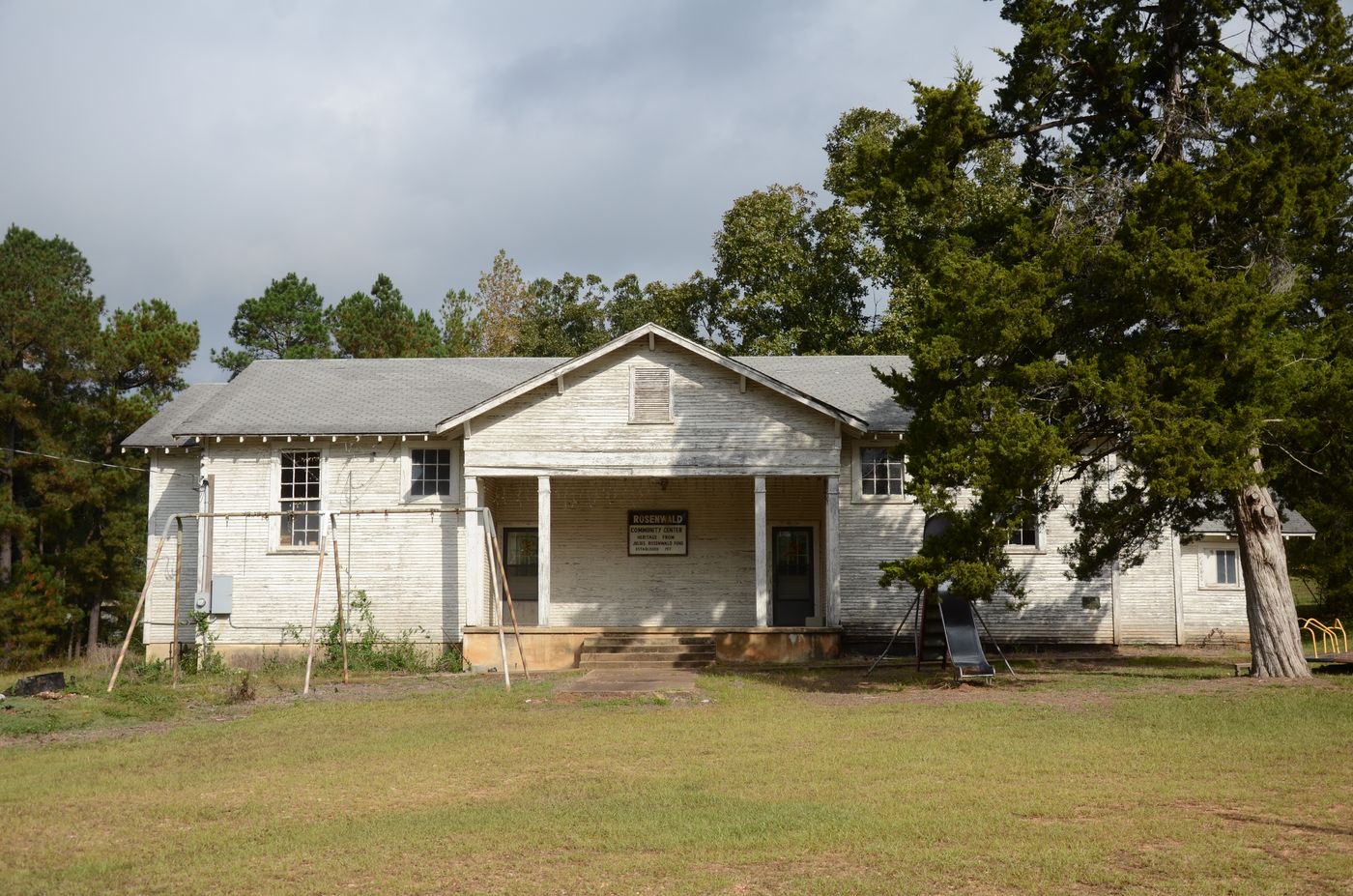
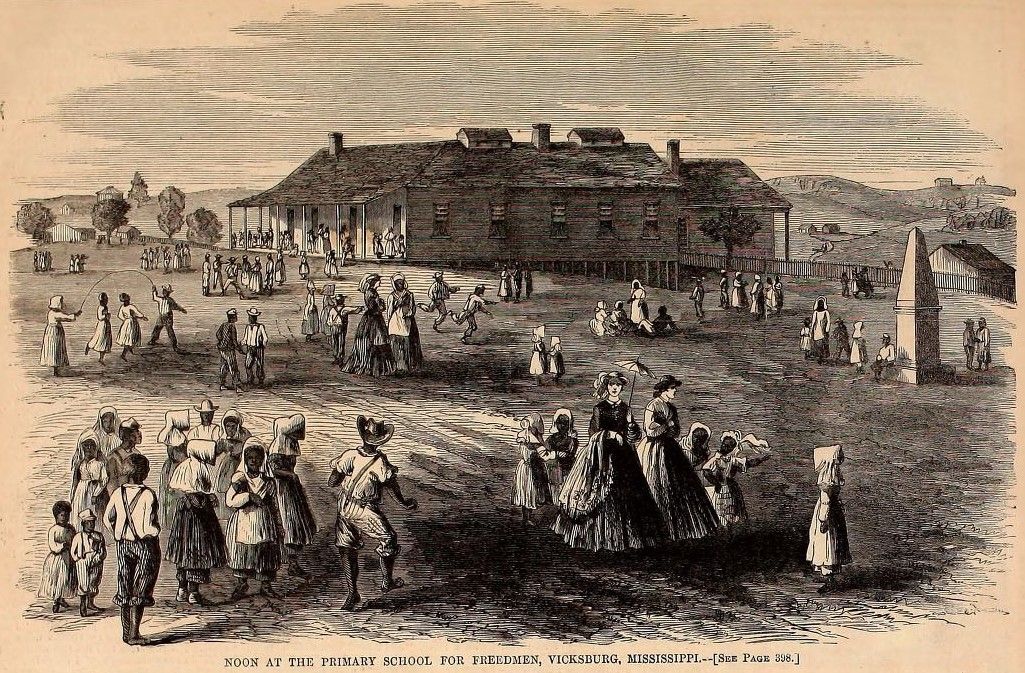
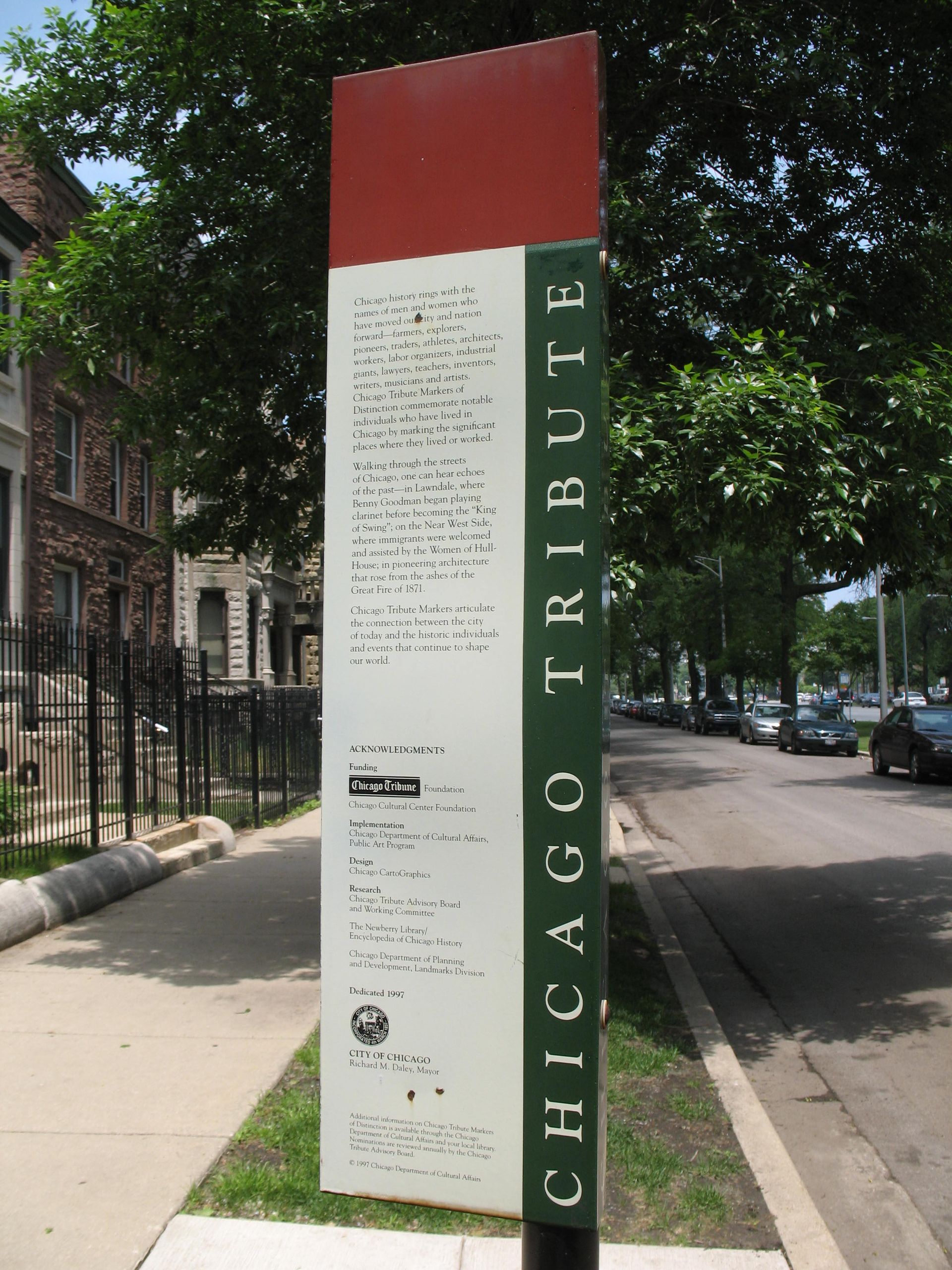
Where the learning happened — and who kept it. Photographs from the CultureTechLens research record — rights-cleared, credited, and cited like everything else here.
Trust & evidence
Evidence before authority. CultureTechLens publishes its methods, its limits, and its corrections alongside its findings. Claims carry grades — VERIFIED, SUPPORTED, PROVISIONAL, DISPUTED, UNRESOLVED — and unknowns are never reported as zero.
Every claim graded. Every source named. Every correction public — see the corrections log.