 CULTURETECHLENS
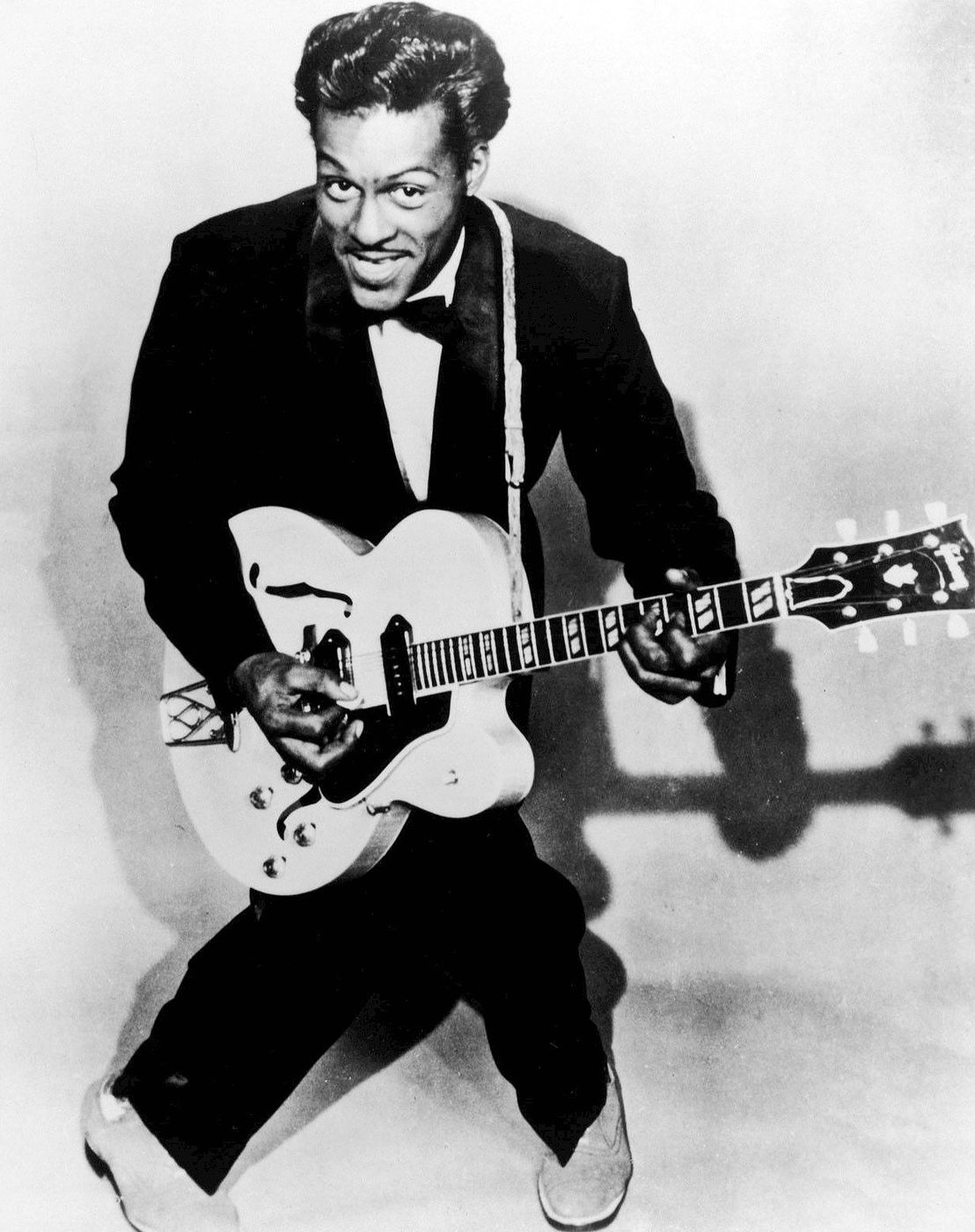
Photo: Universal Attractions (publicity photo), Public Domain, via Wikimedia Commons
CULTURETECHLENS · “Culture, Clearly Seen.” · Black Cultural Intelligence
Black Technology: Invention, Adaptation and Digital Life
The usual account of Black people's relationship with technology is a list of inventors. This paper treats Black technology as a full ecosystem: invention, skilled operation, engineering, enterprise, and cultural adoption.
| Author | William Maxey — CultureTechLens NFP, Chicago, IL |
|---|---|
| Published | October 2026 · Zenodo (deposited October 5, 2026) · CC BY 4.0 |
| DOI | 10.5281/zenodo.23173962 |
| Author ORCID | 0009-0004-2837-8037 |
| Version | Corrected version 2 (October 2026) — the version hosted here |
| Related report | Black Technology (CTL-DR-TECH-001) — the research report this paper distills; a different work with its own DOI |
Abstract
The usual account of Black people's relationship with technology is a list of inventors. That list is real — the research behind this paper documents twenty-two verified patents — but it is the smallest part of the story. Drawing on a corpus of 109 entities and 183 evidence-graded claims (116 Verified), this paper treats Black technology as a full ecosystem: invention, skilled operation, engineering, enterprise, and cultural adoption. Six findings structure the argument. First, the operator is the missing protagonist: Pullman porters were required by company rule book to master 38 air-conditioning systems and 43 berth types. Second, twelve of the most-circulated invention myths were adjudicated against patent records — six exaggerated, four false, one unverifiable, one confirmed. Third, complete chains from invention to mass adoption are recoverable, from the electret microphone to the Super Soaker. Fourth, Chicago is documentable as an adoption laboratory at the level of specific gear. Fifth, eight technology-to-culture case studies show cultural transformation as institutional improvisation. Sixth, AI's Black history to date is one of auditing and institution-building — Gender Shades' 0.8% versus 34.7% error rates — rather than Black-designed systems. The paper closes with a candid account of what remains provisional or unknown.
Read the paper
The PDF is the version of record. It is published open access under CC BY 4.0 and is also deposited on Zenodo under the DOI above.
Cite this
APA 7 — Maxey, W. (2026). Black Technology: Invention, Adaptation and Digital Life. CultureTechLens NFP. https://doi.org/10.5281/zenodo.23173962
MLA 9 — Maxey, William. “Black Technology: Invention, Adaptation and Digital Life.” CultureTechLens, 5 Oct. 2026, culturetechlens.com/research/papers/black-technology/ https://doi.org/10.5281/zenodo.23173962.
Chicago — Maxey, William. “Black Technology: Invention, Adaptation and Digital Life.” Chicago, IL: CultureTechLens NFP, 2026. https://doi.org/10.5281/zenodo.23173962
BibTeX — @techreport{ctlblacktechnology, author = {Maxey, William}, title = {Black Technology: Invention, Adaptation and Digital Life}, institution = {CultureTechLens NFP}, year = {2026}, doi = {10.5281/zenodo.23173962}, url = {https://culturetechlens.com/research/papers/black-technology/}}
License: CC BY 4.0 — reuse with attribution to CultureTechLens. Photographs on this page carry their own licenses (see credits).
Source: CultureTechLens
From the Archive
The archive in pictures
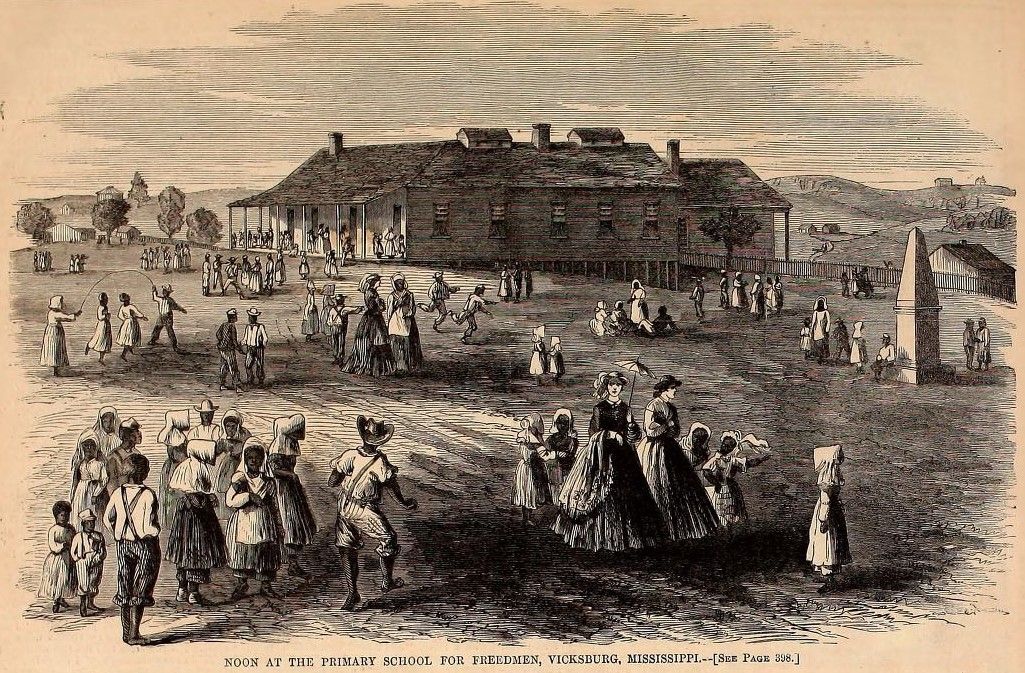
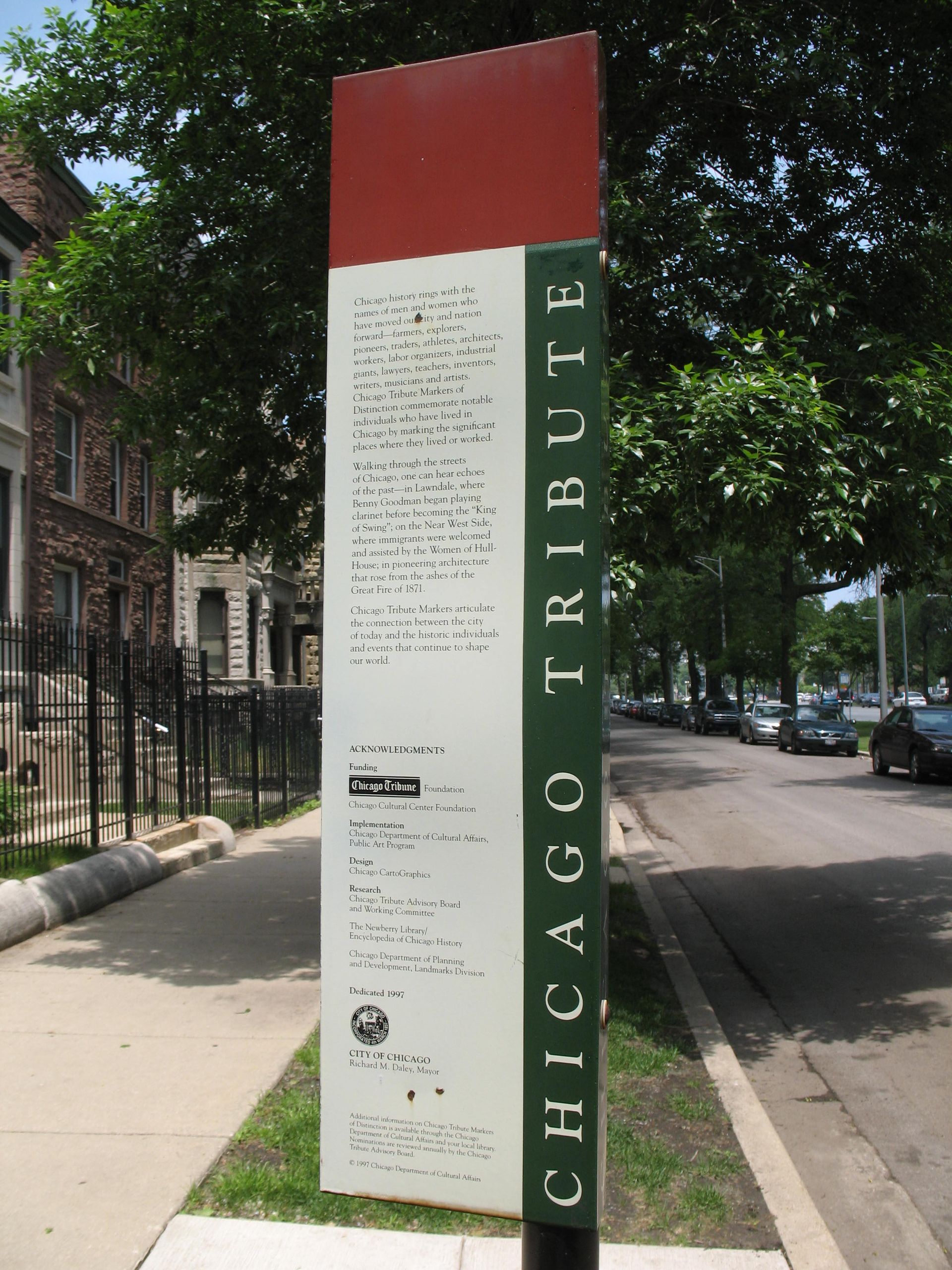
Where the learning happened — and who kept it. Photographs from the CultureTechLens research record — rights-cleared, credited, and cited like everything else here.

Trust & evidence
Evidence before authority. CultureTechLens publishes its methods, its limits, and its corrections alongside its findings. Claims carry grades — VERIFIED, SUPPORTED, PROVISIONAL, DISPUTED, UNRESOLVED — and unknowns are never reported as zero.
Every claim graded. Every source named. Every correction public — see the corrections log.